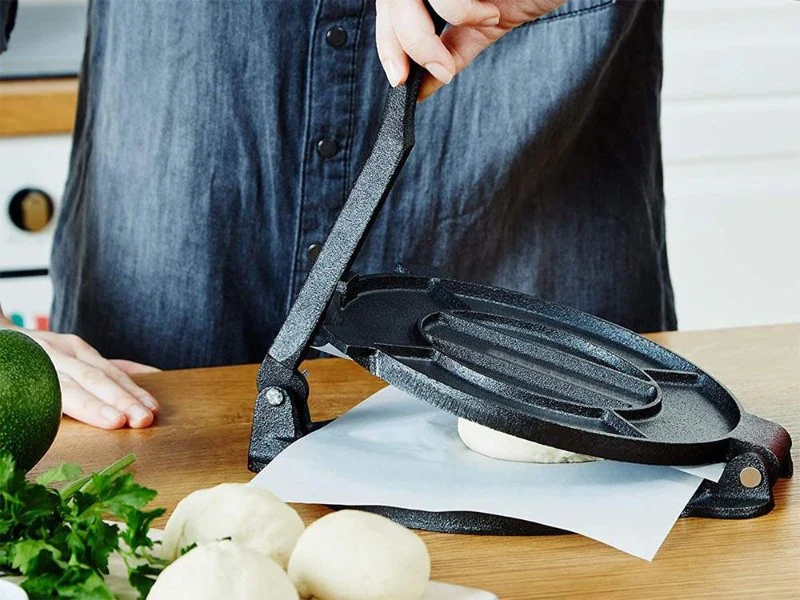
Achieving perfect tortillas or other masa-based creations starts with keeping your corn masa as fresh as possible before pressing. Whether you’re preparing masa from scratch or using store-bought dough, proper storage is essential for both flavor and texture. This guide covers the best ways to keep masa dough ready for pressing, how to avoid common pitfalls, and tips for prepping your workspace and tools.
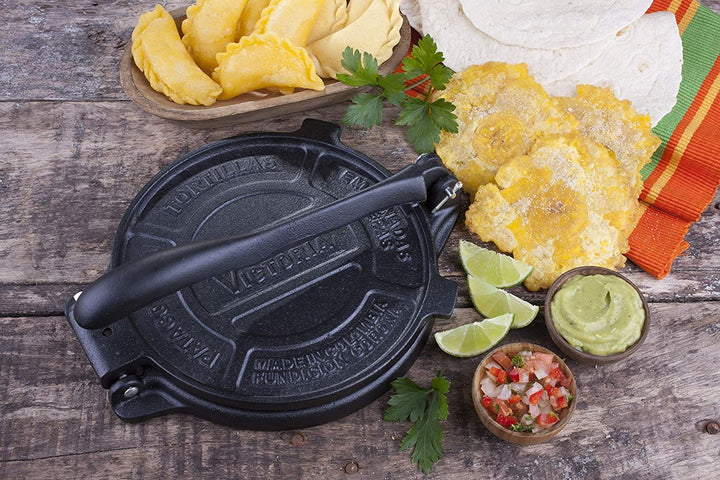
If you’re interested in exploring other uses for your press, such as using a tortilla press for patacones or learning how to flatten empanadas with a press, you’ll find helpful resources throughout this article.
Why Proper Storage Matters for Corn Masa
Corn masa is highly perishable due to its moisture content and lack of preservatives. Exposure to air, heat, or excess moisture can quickly lead to spoilage, off-flavors, or a dough that’s difficult to press. Storing masa correctly preserves its pliability and prevents it from drying out or fermenting too soon.
Short-Term Storage: Keeping Masa Fresh for Same-Day Use
For those planning to use masa within a few hours, short-term storage is straightforward but still important. Here are the key steps:
- Cover Tightly: Place the masa in a bowl and cover it with plastic wrap, beeswax wrap, or a damp kitchen towel. This prevents the surface from drying out.
- Keep Cool: Store the covered masa at room temperature, away from direct sunlight or heat sources. If your kitchen is especially warm, consider placing the bowl in the refrigerator.
- Moisture Maintenance: If the dough seems to be drying, lightly mist the surface with water and re-cover.
When you’re ready to press, knead the masa briefly to restore its elasticity. If it feels too dry, add a teaspoon of water at a time until it’s soft and pliable.

Refrigerating Corn Masa for Later Pressing
If you need to store masa overnight or for up to three days, refrigeration is the best option. Here’s how to do it:
- Divide and Wrap: Portion the masa into balls or slabs and wrap each tightly in plastic wrap or place in an airtight container.
- Seal Out Air: Remove as much air as possible to prevent oxidation and drying.
- Chill Promptly: Place the wrapped masa in the refrigerator as soon as possible.
When ready to use, allow the masa to come to room temperature for 30–60 minutes. Cold masa can be stiff, so knead it until it regains its soft, workable texture. If needed, add a few drops of water to restore moisture.
Freezing Masa Dough for Long-Term Storage
For those who make masa in bulk, freezing is an excellent way to extend its shelf life for up to three months. Follow these steps for best results:
- Shape Before Freezing: Form the masa into balls or discs, which makes thawing and pressing easier.
- Double Wrap: Wrap each piece in plastic wrap, then place in a freezer-safe bag or container to prevent freezer burn.
- Label and Date: Mark each package with the date to keep track of freshness.
To thaw, transfer the masa to the refrigerator overnight, then let it reach room temperature before pressing. Knead gently to restore consistency, adding water if needed.

Prepping Masa for Pressing: Workspace and Tool Tips
Once your masa is fresh and ready, preparing your pressing area is the next step. Here are some practical suggestions:
- Line Your Press: Use plastic sheets, parchment, or wax paper to prevent sticking. This is especially helpful if you’re using a cast iron press.
- Check Your Press: Make sure your tortilla press is clean and, if it’s cast iron, properly seasoned. For more on this, see how to tell if a tortilla press is seasoned.
- Work in Batches: Only remove as much masa as you can press in a few minutes, keeping the rest covered to avoid drying.
If you’re curious about the differences between manual and electric presses, or want to select the right size for your needs, check out the difference between manual and electric tortilla press and the cast iron tortilla press weight guide.
Common Mistakes When Storing Masa Dough
Even experienced cooks can run into issues with masa storage. Here are some frequent problems and how to avoid them:
- Leaving Masa Uncovered: This leads to rapid drying and a crusty surface.
- Storing in Warm Areas: Heat can cause premature fermentation or spoilage.
- Excess Moisture: Overly wet towels or condensation can make masa sticky and hard to handle.
- Freezer Burn: Inadequate wrapping in the freezer causes texture loss and off-flavors.
Cleaning and Caring for Your Tortilla Press
After pressing, it’s important to clean your tortilla press thoroughly, especially if you’re working with fresh masa. Wipe away any dough residue and dry the press completely to prevent rust, particularly with cast iron models. For detailed maintenance, refer to these care instructions for cast iron tortilla presses.
Frequently Asked Questions
How long does fresh corn masa last in the refrigerator?
Properly wrapped and stored in an airtight container, fresh masa will keep in the fridge for up to three days. Always check for signs of spoilage, such as sour smell or discoloration, before use.
Can I freeze prepared masa dough?
Yes, masa freezes well for up to three months. Shape it into balls or discs, double wrap, and thaw in the fridge before bringing to room temperature and kneading before pressing.
What’s the best way to keep masa from sticking to the press?
Use plastic sheets, parchment, or wax paper on both sides of the dough when pressing. This prevents sticking and makes it easier to transfer the pressed masa to your cooking surface.
Do I need to rehydrate masa that’s been refrigerated or frozen?
Often, yes. Cold or thawed masa can lose moisture. Add a little water and knead until it’s soft and pliable before pressing.