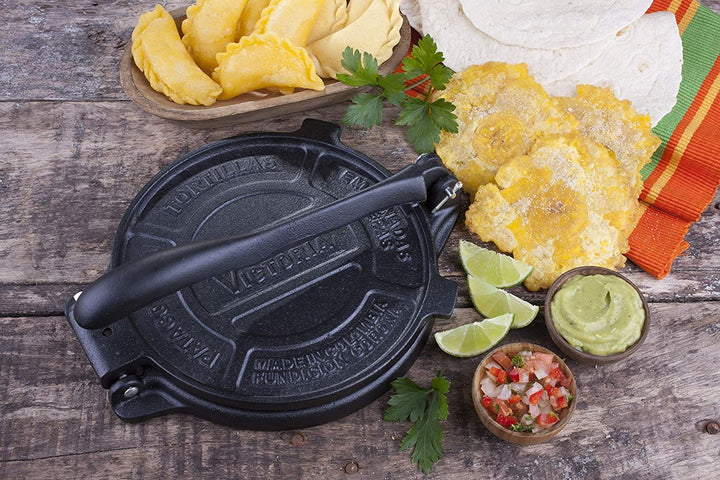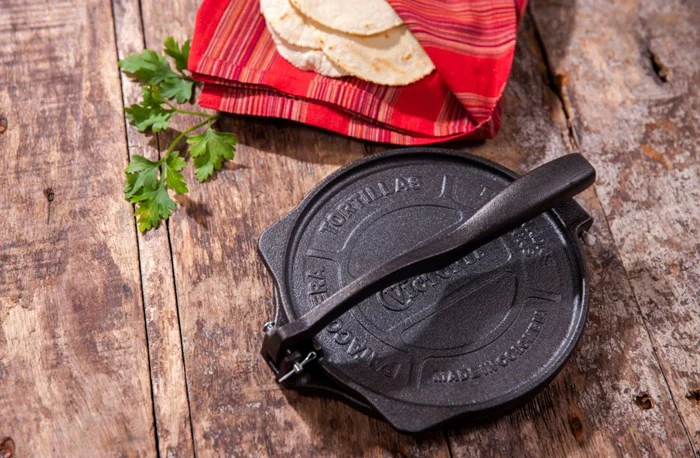
Preparing empanadas at home can be a rewarding experience, but shaping the dough into perfect, even discs is often the most time-consuming part. Many home cooks and professionals alike are discovering that using a press—originally designed for tortillas—can dramatically speed up the process and deliver consistent results. If you’re looking for a way to streamline your empanada prep, learning how to flatten empanadas with a press can make your kitchen routine faster and more enjoyable.
This guide will walk you through the benefits of using a press, step-by-step instructions, and tips for achieving the best texture and shape. Whether you’re making a batch for a family dinner or prepping for a party, mastering this technique will help you save time and effort.
Before diving into the details, it’s helpful to understand the difference between manual and electric tortilla press options, as both can be used for empanada dough. Choosing the right type of press can impact your results and the overall ease of your workflow.
Why Use a Press for Empanada Dough?
Traditionally, empanada dough is rolled out by hand or with a rolling pin, which can be tedious and lead to uneven thickness. A press offers several advantages:
- Speed: Flattening dough discs takes seconds, not minutes.
- Consistency: Each empanada shell is the same thickness, ensuring even cooking.
- Less Effort: No need to wrestle with sticky dough or worry about uneven edges.
- Cleaner Process: Using liners or parchment makes cleanup simple and prevents sticking.
While tortilla presses are the most common tool, any sturdy, flat press can work. For more on selecting the right size and weight, see the cast iron tortilla press weight guide.
Step-by-Step: Flattening Empanada Dough with a Press
Here’s a straightforward method to get perfectly shaped empanada wrappers using a press:
- Prepare the Dough: Mix and rest your empanada dough as usual. Divide it into equal-sized balls (about 1.5 inches in diameter for standard empanadas).
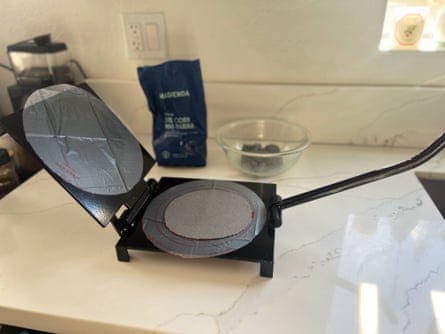
- Line the Press: Cut two pieces of parchment paper or use diy tortilla press liners to prevent sticking. Place one liner on the bottom plate of the press.
- Position the Dough Ball: Place a dough ball in the center of the liner. Cover with the second piece of parchment.
- Press Gently: Close the press and apply even pressure. For thin, flexible discs, press firmly but avoid crushing the dough too much.
- Check Thickness: Open the press and peel back the top liner. The dough should be about 1/8 inch thick—thin enough to fold, but not so thin it tears.
- Remove and Fill: Carefully lift the flattened disc with the liner, fill with your chosen ingredients, and seal as desired.
Choosing the Right Press for Empanadas
Not all presses are created equal. When deciding which press to use for empanada dough, consider the following:
- Material: Cast iron presses are durable and provide even pressure. Aluminum models are lighter but may not press as evenly.
- Size: For standard empanadas, a press with an 8-inch diameter is ideal. Smaller presses work for mini empanadas or appetizers.
- Ease of Use: Manual presses are straightforward, while electric models offer added convenience for large batches. For a detailed comparison, check out the difference between manual and electric tortilla press.
- Maintenance: Some presses require seasoning, especially cast iron. Learn about proper care in the how to oil a cast iron tortilla press guide.
Tips for Best Results When Using a Press
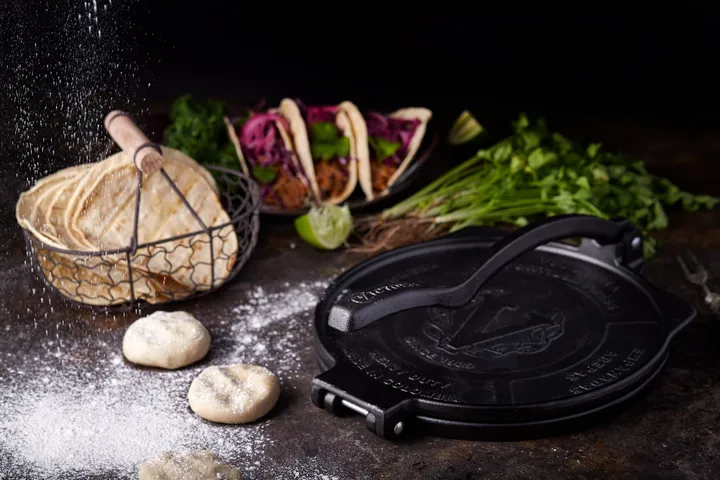
To get the most out of your press and ensure your empanadas turn out perfectly every time, keep these tips in mind:
- Use Liners: Always use parchment or plastic liners to prevent sticking and tearing.
- Don’t Overfill: If you’re flattening after filling, use less filling to avoid leaks. For most, it’s best to flatten first, then fill.
- Keep Dough Covered: Empanada dough dries out quickly. Keep unused portions covered with a damp towel.
- Clean Your Press: Dough can get stuck in hinges and crevices. For maintenance, see the how to clean dough out of press hinges resource.
- Experiment with Thickness: Some prefer thinner wrappers for crispiness, others like them a bit thicker for a chewy bite. Adjust pressing pressure to suit your taste.
Common Mistakes to Avoid
Even with a press, a few pitfalls can affect your results. Here’s what to watch for:
- Pressing Too Hard: Overly thin dough may tear or leak during filling and cooking.
- Skipping Liners: Direct contact with the press can cause sticking, making removal difficult.
- Uneven Dough Balls: Inconsistent ball sizes lead to uneven discs. Use a kitchen scale for accuracy.
- Neglecting Press Care: Residual dough can gum up the mechanism. Clean after each use.
More Ways to Use Your Press
While presses are ideal for empanada dough, they’re also versatile for other kitchen tasks. You can use them for tortillas, arepas, dumpling wrappers, and more. For a deeper dive into the many uses and care tips for these handy tools, check out this comprehensive overview of tortilla presses.
Frequently Asked Questions
Can I use a tortilla press for empanadas?
Yes, a tortilla press is an excellent tool for flattening empanada dough. Just be sure to use liners and adjust the pressure to achieve your desired thickness.
What size press is best for empanadas?
An 8-inch press is ideal for standard empanadas, but you can use smaller presses for appetizer-sized pastries. The key is to match the press size to your preferred empanada dimensions.
Do I need to oil my press before using it?
If your press is made of cast iron, seasoning it with a thin layer of oil can help prevent rust and sticking. For more on this, see the how to oil a cast iron tortilla press guide.
How do I keep the dough from sticking to the press?
Always use parchment paper or plastic liners on both sides of the dough. This prevents sticking and makes it easy to transfer the discs to your work surface.
Is it better to flatten empanada dough before or after filling?
It’s best to flatten the dough first, then add your filling. This ensures even thickness and makes sealing the edges much easier.