Making large, restaurant-style tortillas at home is a rewarding skill, but it can be challenging if your tortilla press is on the smaller side. Many home cooks wonder if it’s possible to create oversized tortillas—those perfect for burritos, wraps, or quesadillas—using a standard 6- or 8-inch press. The good news is that with a few expert techniques and some creativity, you can absolutely achieve bigger, flexible tortillas even with limited equipment.
This guide will walk you through how to make oversized tortillas with a small press, covering essential dough tips, pressing strategies, and pro tricks for getting the most out of your kitchen tools. Whether you’re working with corn masa or flour dough, these methods will help you consistently produce larger, pliable rounds that rival anything from your favorite taqueria.
For those interested in other tortilla-pressing techniques, you might also find value in learning how to press tortillas for chilaquiles, which shares tips on achieving the right thickness and texture for different dishes.
Understanding the Limitations of a Small Tortilla Press
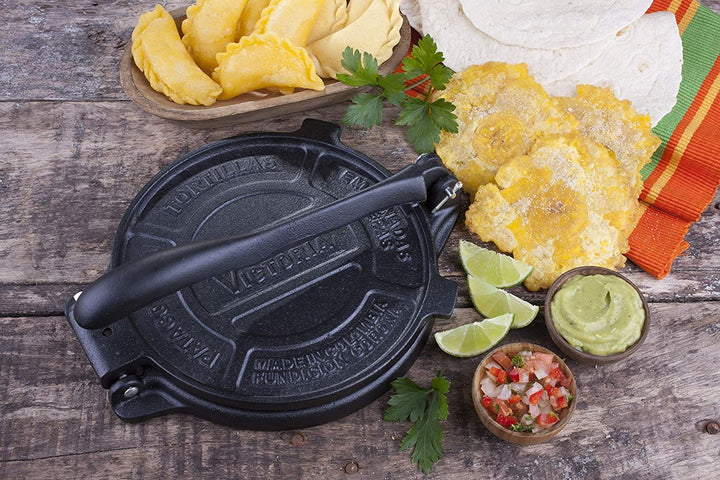
Most home tortilla presses are designed for standard 6- to 8-inch tortillas. While these are perfect for tacos and small quesadillas, they fall short when you want to make large tortillas for burritos or wraps. The main challenge is that the press physically limits the diameter you can achieve in a single press. However, with a bit of manual work and some clever hacks, you can stretch beyond these boundaries.
Before diving into the techniques, it’s important to understand why dough consistency, resting time, and pressing method all play a role in the final size and flexibility of your tortillas.
Essential Dough Preparation for Larger Tortillas
Whether you’re making corn or flour tortillas, the dough’s hydration and elasticity are crucial for stretching it beyond the press’s limits. Here are some key tips:
- Use slightly wetter dough: A dough that’s just a bit more hydrated is easier to stretch thin without tearing. For corn masa, add a touch more water than usual. For flour tortillas, increase water or fat slightly.
- Let your dough rest: Allowing the dough to rest for 20–30 minutes after mixing relaxes the gluten (in flour dough) or the starches (in masa), making it more pliable and easier to stretch.
- Divide dough evenly: Use a kitchen scale to portion your dough balls. For oversized tortillas, make each ball larger than you would for standard rounds—aim for 50–70 grams per ball, depending on your desired size.
For more on keeping your masa fresh and workable, see these tips on how to store corn masa for pressing.
Pressing and Stretching: Step-by-Step for Oversized Tortillas
Here’s a proven workflow for making larger tortillas with a small press:
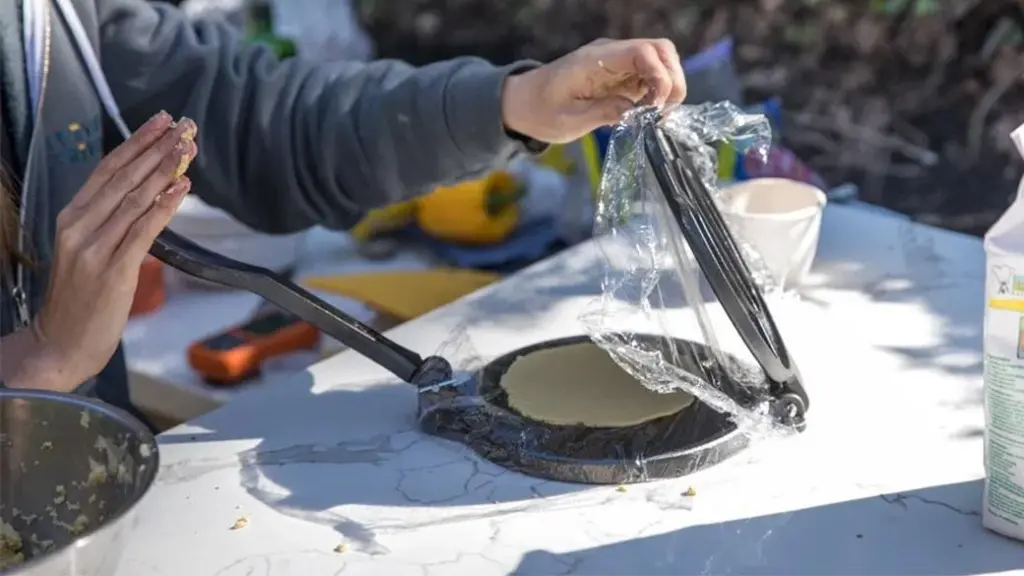
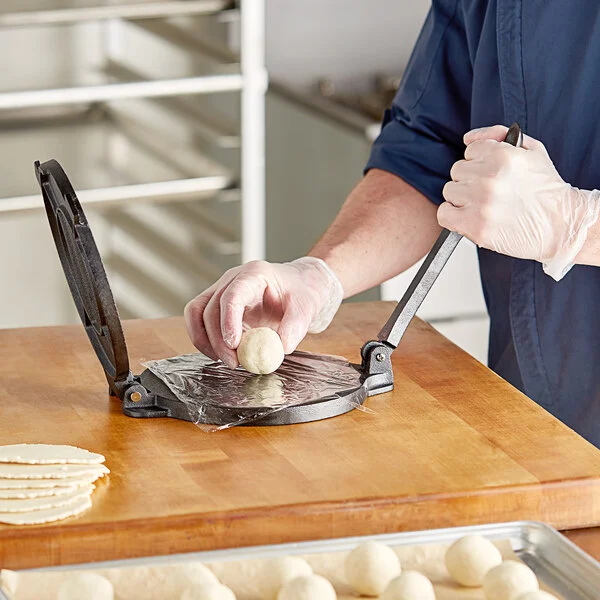
- Prepare your press: Line both sides with plastic (cut from a zip-top bag or parchment paper) to prevent sticking.
- Press as usual: Place your dough ball in the center and press down firmly. You’ll get a round that matches your press’s diameter.
- Rotate and re-press: Open the press, rotate the tortilla 90 degrees, and press again. Repeat this step once or twice to widen the round slightly.
- Hand-stretch to finish: Carefully peel the tortilla from the plastic. Place it on a clean, flat surface and gently stretch the edges outward with your fingers, working around the circumference. This is similar to stretching pizza dough—be gentle to avoid tearing.
- Cook immediately: Transfer the stretched tortilla to a hot, dry skillet or comal. Cook for 30–45 seconds per side, or until lightly browned and cooked through.
Pro Tips for Consistently Larger Tortillas
Getting the most out of your small press is all about technique. Here are some advanced tips from experienced home cooks and chefs:
- Use a rolling pin after pressing: After removing the tortilla from the press, gently roll it out further between sheets of plastic or parchment. This helps achieve a larger, thinner round without tearing.
- Press off-center: Place the dough ball slightly off the center of the press, then rotate and press again. This can help widen the tortilla beyond the press’s diameter.
- Warm dough is more flexible: If your kitchen is cold, warm the dough balls slightly in your hands before pressing. This makes stretching easier and reduces cracking.
- Cook on high heat: A very hot skillet or comal helps tortillas puff and set quickly, which is especially important for larger, thinner rounds.
For more expert advice, check out these tips for making tortillas at home from seasoned tortilla makers.
Cleaning and Maintaining Your Tortilla Press
Proper care of your press ensures smooth operation and longevity. After each use, wipe down the press with a damp cloth. If you use a cast iron press, dry it thoroughly to prevent rust. For deeper cleaning and food safety, see this guide on how to sanitize a cast iron press between cooking sessions.

Common Mistakes and How to Avoid Them
Even with the best techniques, a few pitfalls can prevent you from achieving large, flexible tortillas:
- Dough is too dry: Dry dough cracks and resists stretching. Always err on the side of slightly wetter dough for oversized tortillas.
- Over-pressing: Pressing too hard can make the tortilla stick or become uneven. Use firm but controlled pressure.
- Skipping the rest period: Dough that hasn’t rested will spring back and resist stretching. Don’t rush this step.
- Not using enough flour or plastic: Prevent sticking by using plastic liners or dusting with flour (for flour tortillas) as needed.
Alternative Methods for Larger Tortillas Without a Large Press
If you frequently need oversized tortillas, consider these alternatives:
- Hand-rolling: Use a rolling pin to roll dough balls into thin, large rounds between sheets of plastic or parchment.
- Double pressing: After the first press, fold the tortilla in half, press again, then unfold and stretch. This can help achieve a larger diameter.
- Upgrade your press: If you regularly make large tortillas, investing in a bigger press may be worthwhile. However, with the hacks above, you can still get excellent results from a standard press.
For those interested in thicker tortillas, such as gorditas, you can learn more about using a tortilla press for gorditas and how the pressing process differs for various recipes.
FAQ: Oversized Tortillas with a Small Press
Can I make burrito-sized tortillas with a standard 8-inch press?
Yes, you can make burrito-sized tortillas by pressing as wide as possible and then gently stretching or rolling the dough further by hand. While you may not reach the full 12-inch diameter of commercial tortillas, you can get close enough for homemade burritos.
What type of dough works best for stretching larger tortillas?
Flour dough is generally more elastic and easier to stretch than corn masa, making it ideal for oversized tortillas. However, with proper hydration and resting, corn masa can also be stretched for larger rounds.
How do I prevent my tortillas from tearing when stretching?
Ensure your dough is well-hydrated and rested. Stretch gently and evenly, working around the edges rather than pulling from the center. If the dough resists, let it rest for a few more minutes before trying again.
Is it necessary to use a tortilla press, or can I just use a rolling pin?
A press helps achieve even thickness quickly, but a rolling pin can also be used—especially for oversized tortillas. Many home cooks use both: press first, then finish with a rolling pin for larger rounds.
Conclusion
With the right dough preparation, pressing techniques, and a bit of hand-stretching, you can successfully make large, flexible tortillas using a small press. These pro hacks allow you to enjoy homemade burritos, wraps, and quesadillas without needing commercial equipment. Remember to experiment with dough hydration, resting, and stretching until you find the method that works best for your kitchen. For further inspiration and troubleshooting, explore more resources on tortilla making and pressing methods.