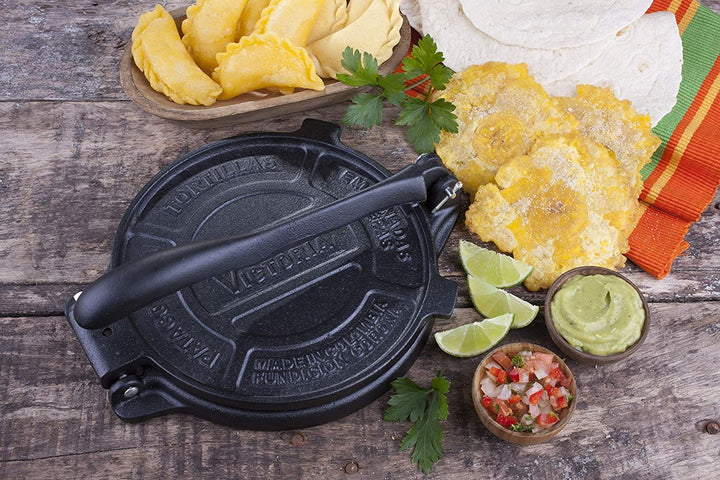
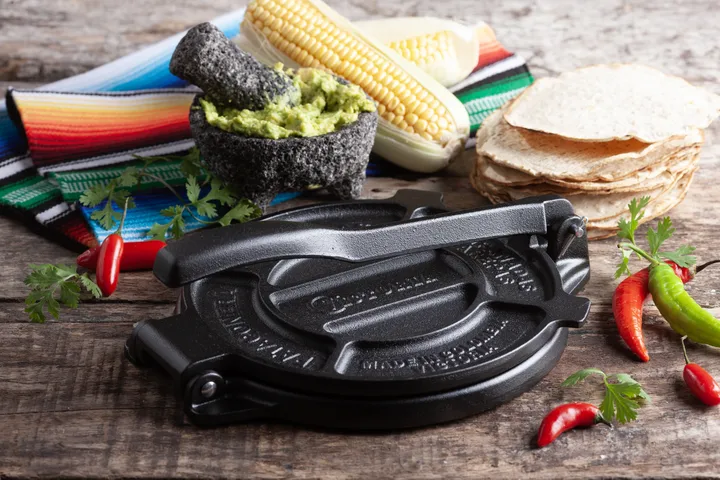
Homemade tortillas are a staple in many kitchens, but when your press doesn’t flatten evenly, the results can be frustrating. If you’ve ever wondered why is my tortilla press uneven, you’re not alone. Uneven pressing can lead to tortillas that are too thick on one side, tear easily, or cook unevenly. Understanding the causes and solutions for alignment issues will help you get consistent, round, and perfectly thin tortillas every time.
This article explores the most common reasons for an off-balance tortilla press, practical troubleshooting steps, and how to fix or prevent misalignment. Whether you use a cast iron, aluminum, or wooden model, these tips will help you achieve better results and enjoy the process of making tortillas at home.
For those looking to perfect their tortilla-making technique, it’s also helpful to review how to press tortillas for chilaquiles or explore methods for storing masa and cleaning your press between uses. These related guides can further improve your results and keep your equipment in top condition.
Common Causes of Uneven Tortilla Pressing
Several factors can cause your press to flatten dough unevenly. Identifying the source of the problem is the first step toward a solution. Here are the most frequent culprits:
- Misaligned Hinge or Plates: If the hinge is bent or the plates are not parallel, pressure will be distributed unevenly.
- Manufacturing Defects: Lower-quality presses may have slight warping or imperfections from the factory.
- Wear and Tear: Over time, repeated use can loosen screws, warp plates, or cause the handle to shift.
- Improper Dough Placement: Placing the dough ball off-center or using uneven amounts of masa can result in lopsided tortillas.
- Surface Issues: Debris, rust, or buildup on the plates can affect how the press closes and distributes force.
How to Diagnose Alignment Problems
Before attempting any fixes, it’s important to determine the exact cause of the uneven pressing. Here’s a step-by-step approach:
- Visual Inspection: Open the press and look at both plates from the side. Are they parallel when closed without dough?
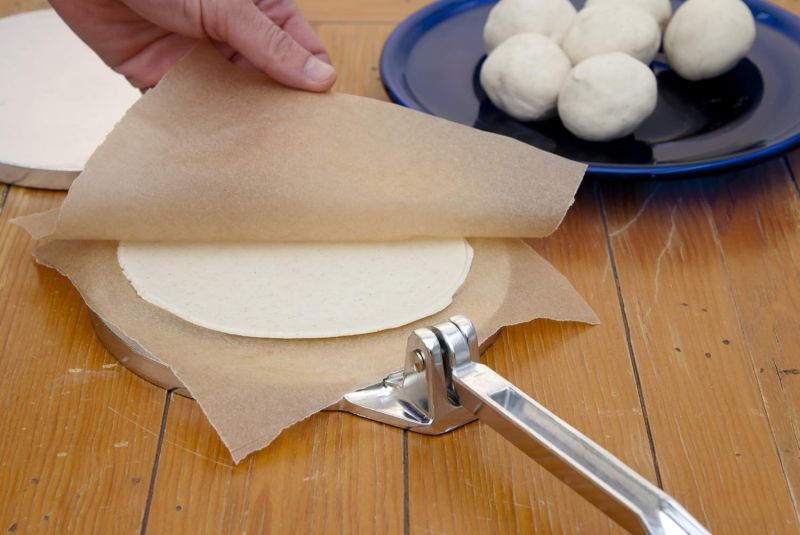
- Test With Paper: Place a sheet of paper between the plates and close the press. Pull the paper out gently from different sides. If it slides out easily on one side but not the other, there’s a gap or misalignment.
- Check the Hinge: Examine the hinge for bends, looseness, or visible damage. A wobbly hinge often leads to uneven pressure.
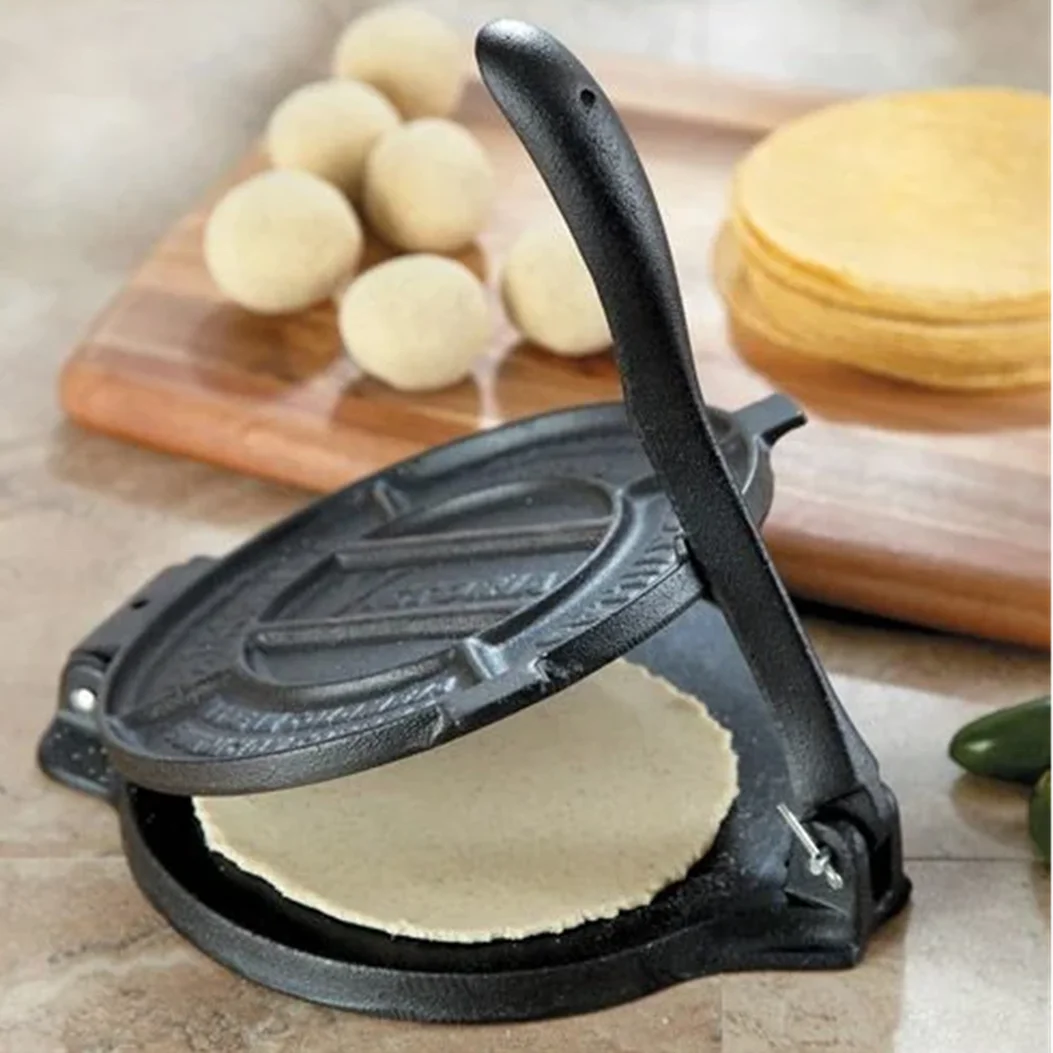
- Try With Dough: Press a ball of masa in the center. If the tortilla is thicker on one side, the press is not distributing force evenly.
If you notice any of these issues, proceed to the next section for targeted solutions.
Fixing a Crooked Tortilla Press
Depending on the type and severity of the misalignment, there are several ways to correct the issue:
1. Adjust or Tighten the Hinge
Many presses have a central pin or bolt at the hinge. Tightening this component can help realign the plates. If the hinge is bent, carefully straighten it with pliers or a mallet, but be gentle to avoid cracking cast iron or aluminum.
2. Level the Plates
If the plates themselves are warped, you may be able to gently bend them back into shape. Place the press on a flat surface and use a straightedge to check for gaps. For minor warping, applying gentle, even pressure can help. For severe warping, replacement may be necessary.
3. Clean the Surfaces
Residue, rust, or stuck-on dough can cause uneven closing. Clean both plates thoroughly with a brush or damp cloth. For cast iron models, follow proper cleaning and seasoning steps. For more details, see how to sanitize a cast iron press.
4. Check for Manufacturing Flaws
If your press is new and has always pressed unevenly, it may be a manufacturing defect. In this case, contact the manufacturer for a replacement or refund.
5. Use a Liner or Spacer
Placing a thick plastic sheet or parchment paper on one side can help compensate for minor gaps and distribute pressure more evenly. This is a temporary fix but can be helpful if you need to use the press before making permanent repairs.
Tips for Preventing Uneven Pressing
Once you’ve addressed any alignment problems, these best practices can help you avoid future issues and get consistently flat tortillas:
- Center the Dough: Always place your masa ball in the exact center of the press for even distribution.
- Apply Even Pressure: Press down slowly and steadily, using the handle’s full length for leverage.
- Rotate the Dough: If needed, rotate the dough 90 degrees and press again for a more uniform thickness.
- Store Properly: Keep your press in a dry place and avoid stacking heavy items on top, which can warp the plates.
- Maintain Cleanliness: Regularly clean and dry the press to prevent buildup and rust. For tips on masa storage, see how to store corn masa for pressing.
When to Replace Your Tortilla Press
Sometimes, despite your best efforts, a press may be too damaged or poorly made to fix. Signs it’s time for a replacement include:
- Cracks in the plates or handle
- Severe warping that cannot be corrected
- Loose or broken hinges that cannot be tightened
- Persistent uneven results despite troubleshooting
Investing in a high-quality press can make a significant difference. For guidance on choosing and using the right equipment, check out this comprehensive guide to tortilla presses.
Related Uses and Maintenance
A well-maintained press isn’t just for tortillas. You can use it for gorditas, arepas, and other flatbreads. For more on alternative uses, see how to use a tortilla press for gorditas and how to use a tortilla press for area. Regular maintenance and proper cleaning will prolong the life of your press and ensure consistent results for all your recipes.
Frequently Asked Questions
What should I do if my tortilla press is uneven right out of the box?
If your new press is not flattening evenly, inspect it for visible defects or warping. Contact the manufacturer or retailer for a replacement if you suspect a manufacturing flaw. Avoid attempting major repairs on a brand-new product, as this may void your warranty.
Can I fix a warped cast iron tortilla press at home?
Minor warping can sometimes be corrected by gently bending the plates back into alignment, but this should be done with caution to avoid cracking the cast iron. For significant damage, replacement is usually the safest and most effective option.
How can I prevent my press from becoming misaligned over time?
Store your press in a dry, flat location, avoid dropping it, and clean it after each use. Regularly check the hinge and screws for tightness, and avoid using excessive force when pressing tortillas.
Does the type of dough affect pressing results?
Yes, using the right dough consistency is important. Too dry or too wet masa can affect how evenly the press flattens the dough. For best results, use fresh, well-hydrated masa and center it on the plates before pressing.