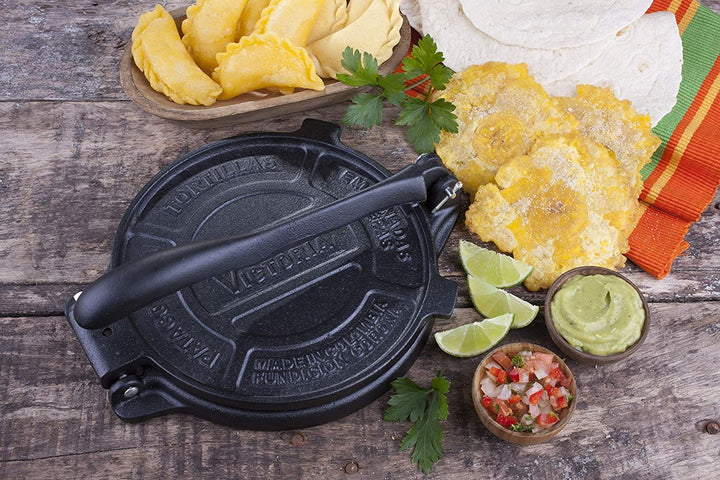
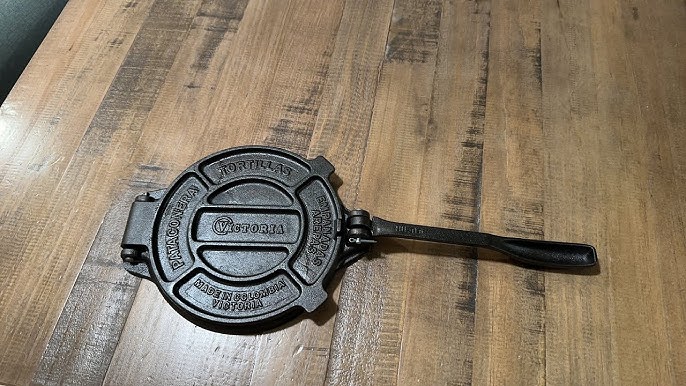
Seasoning a cast iron press is essential for maintaining its non-stick properties, preventing rust, and ensuring it lasts for years. Choosing the best oils for seasoning cast iron press can make a significant difference in the quality and durability of the seasoning layer. Not all oils are created equal—factors like smoke point, flavor neutrality, and polymerization ability play crucial roles in the seasoning process.
Whether you’re restoring an old press or seasoning a brand new one, understanding which oils work best and why will help you achieve a smooth, resilient surface. In this guide, you’ll find a detailed look at oil options, their smoke points, and practical tips for getting the most out of your cast iron press. If you’re interested in restoring older equipment, you might also find our article on how to revive an old tortilla press helpful.
Why Oil Choice Matters for Cast Iron Presses
The oil you use for seasoning forms the foundation of your cast iron press’s protective layer. This layer is created through a process called polymerization, where oil is heated past its smoke point and bonds to the metal, creating a hard, slick surface. Using the wrong oil can result in sticky, uneven seasoning or even unpleasant flavors transferring to your food.
For best results, select an oil with a high smoke point and neutral taste. This ensures the oil can withstand the high temperatures needed for seasoning without burning or leaving behind unwanted residues. The right oil also helps build up a durable, non-stick coating that stands up to repeated use and cleaning.
Top Oils for Seasoning Cast Iron Presses
Below are the most popular and effective oils for seasoning cast iron, along with their smoke points and key characteristics. Each oil offers unique benefits, so your choice may depend on availability, cost, and personal preference.
| Oil Type | Smoke Point (°F) | Flavor | Notes |
|---|---|---|---|
| Flaxseed Oil | 225 | Neutral | Creates a hard, durable layer but can be prone to flaking if over-applied. |
| Grapeseed Oil | 420 | Neutral | High smoke point, affordable, and widely recommended for cast iron seasoning. |
| Canola Oil | 400 | Neutral | Common, inexpensive, and effective for most users. |
| Vegetable Oil | 400-450 | Neutral | Easy to find and works well for basic seasoning. |
| Sunflower Oil | 440 | Neutral | Good for high-heat applications and seasoning layers. |
| Avocado Oil | 520 | Neutral | Very high smoke point, but more expensive than other options. |
| Peanut Oil | 450 | Mild/Nutty | Works well, but may not be suitable for those with allergies. |
Understanding Smoke Point and Its Importance
The smoke point of an oil is the temperature at which it begins to smoke and break down. For seasoning cast iron, you want an oil that can withstand the high heat of your oven or stovetop without burning. If the oil smokes excessively or burns, it can leave behind a sticky residue and unpleasant flavors.
Oils with higher smoke points, such as grapeseed, sunflower, and avocado, are generally preferred for seasoning because they can handle the temperatures required to create a strong, even layer. Flaxseed oil, while popular for its polymerization properties, has a lower smoke point and requires careful application to avoid flaking.
How to Season Your Cast Iron Press with the Right Oil
Proper seasoning is a step-by-step process. Here’s how to use your chosen oil for the best results:
- Preheat your oven to 400–450°F (or as high as your oil’s smoke point allows).
- Clean your cast iron press thoroughly and dry it completely.
- Apply a thin, even layer of oil to all surfaces, inside and out. Use a paper towel to wipe away any excess—too much oil can cause stickiness.
- Place the press upside down in the oven with a sheet of foil or a baking tray underneath to catch drips.
- Bake for 1 hour, then turn off the oven and let the press cool inside.
- Repeat the process 2–3 times for a stronger, more resilient seasoning.
For more tips on maintaining your press and keeping it in top shape, check out our guide on how to sanitize a cast iron press.
Common Mistakes When Seasoning Cast Iron
Even with the best oils for seasoning cast iron press, mistakes can happen. Here are some pitfalls to avoid:
- Using too much oil: This leads to a sticky or uneven coating. Always wipe off excess before baking.
- Not heating enough: If the oil doesn’t reach its smoke point, it won’t polymerize properly.
- Skipping cleaning: Any residue or moisture can interfere with the seasoning process.
- Choosing flavored oils: Oils like olive or coconut can leave unwanted tastes and may not create a durable layer.
For more advice on prepping your press and making tortillas at home, see these tips for making tortillas at home.
Maintaining Your Seasoned Cast Iron Press
Once you’ve seasoned your press, regular maintenance is key. After each use, wipe it clean with a dry or slightly damp cloth. Avoid using soap or soaking it in water, as this can strip away the protective layer. If food starts to stick or the surface looks dull, simply repeat the seasoning process with your preferred oil.
Storing your press in a dry place and occasionally applying a light coat of oil will help prevent rust and keep the surface smooth. For those interested in masa prep, our article on how to store corn masa for pressing offers practical storage tips.
Frequently Asked Questions
Can I use olive oil to season my cast iron press?
While olive oil is commonly found in kitchens, it has a lower smoke point and can leave a sticky residue when used for seasoning. It’s best to stick with oils like grapeseed, canola, or flaxseed for a more reliable, long-lasting finish.
How often should I re-season my cast iron press?
Re-seasoning frequency depends on use. If your press starts to lose its non-stick properties or shows signs of rust, it’s time to reapply a seasoning layer. For frequent use, a light seasoning every few months is usually sufficient.
What’s the difference between seasoning and cleaning a cast iron press?
Seasoning involves applying oil and heating the press to build up a protective layer, while cleaning is about removing food debris and moisture after each use. Both are important for maintaining performance and longevity.
Conclusion
Choosing the right oil is a crucial step in caring for your cast iron press. Oils with high smoke points and neutral flavors, such as grapeseed, canola, and sunflower, are excellent choices for building a resilient, non-stick surface. By following proper seasoning techniques and regular maintenance, your cast iron press will remain a reliable tool for years of delicious tortillas and more. For troubleshooting and alignment tips, our guide on why is my tortilla press uneven can help you get the best results from your equipment.