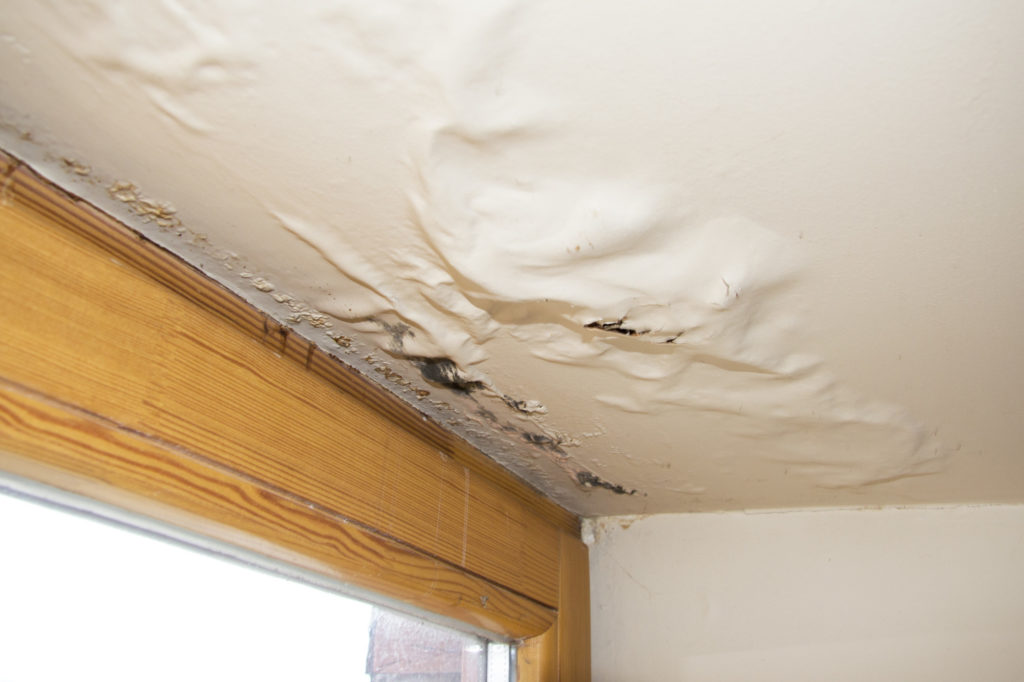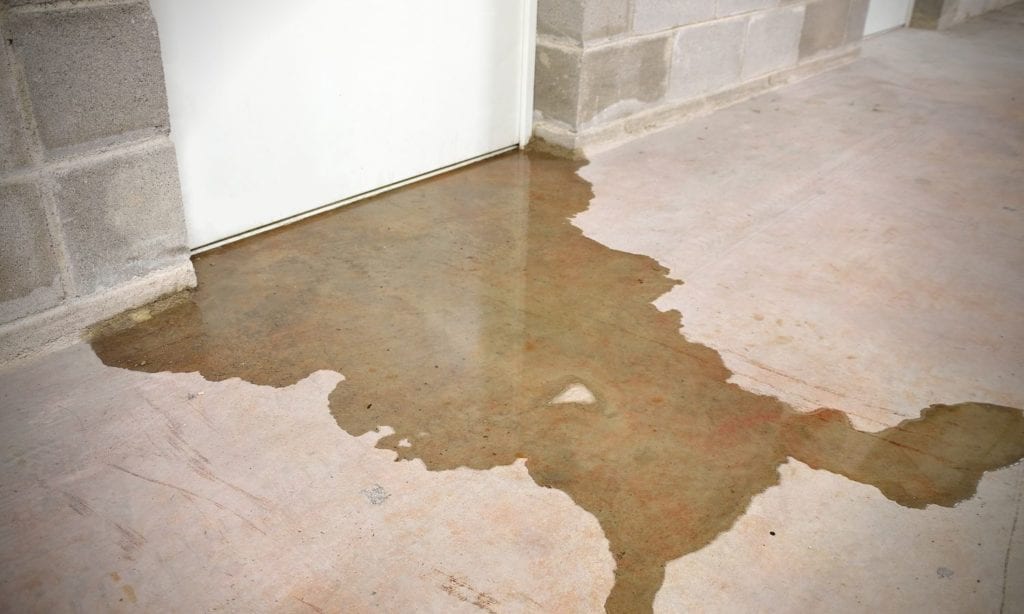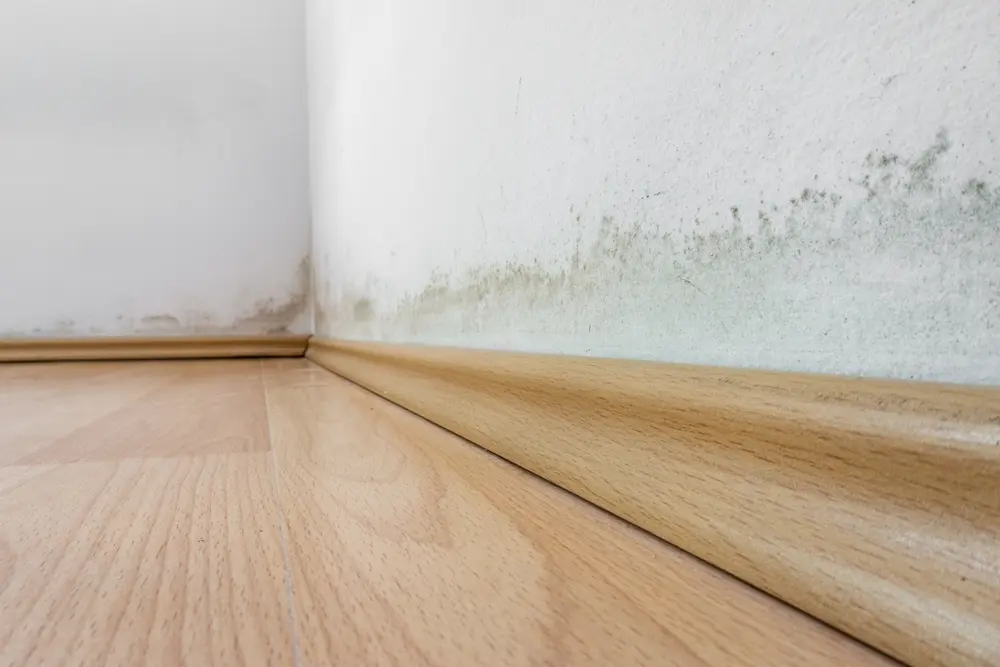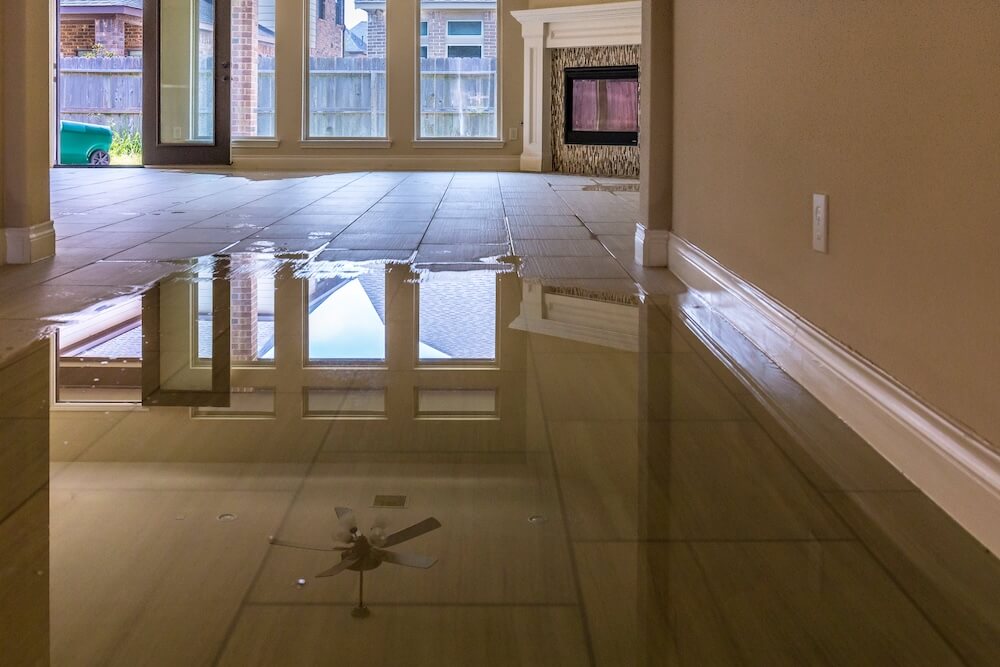
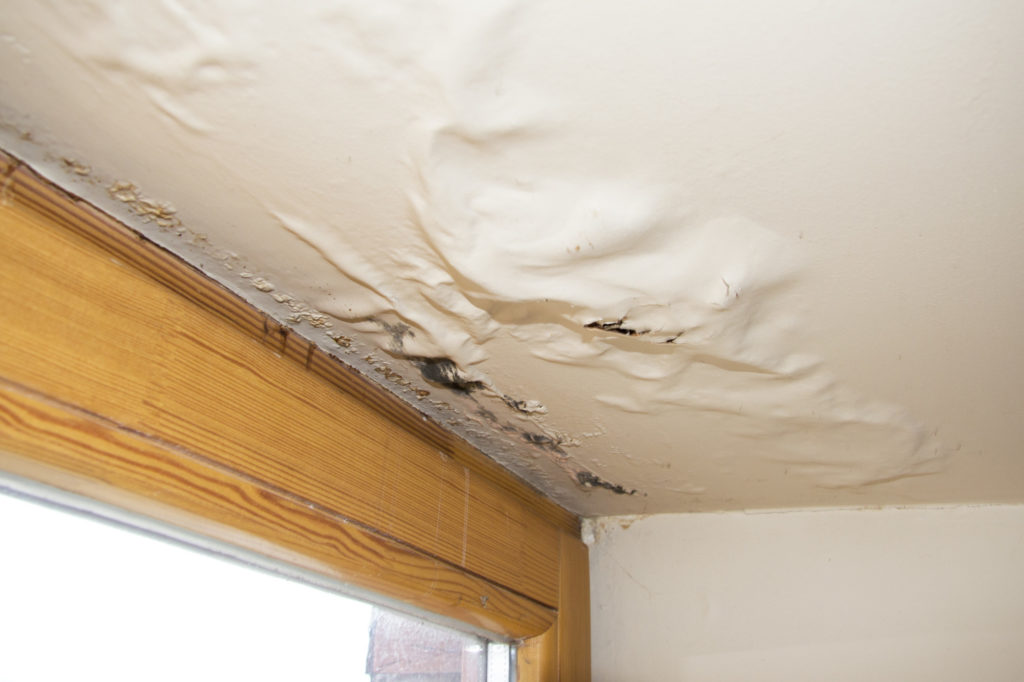
Water leaks can cause significant damage to homes and businesses, often going unnoticed until costly repairs are needed. With the rise of smart water sensors, property owners now have advanced tools to detect leaks early and prevent extensive water damage. This article provides a comprehensive overview of how these devices work, their benefits, and practical tips for integrating them into your property for effective leak prevention.
Understanding the technology behind these sensors and how they fit into a broader water protection strategy is essential for anyone looking to safeguard their property. If you’re interested in related home technology, you might also enjoy our guide on how to use a tortilla press for pastry dough, which explores another smart kitchen tool.
How Modern Leak Detection Devices Work
Today’s smart water sensors use a combination of advanced electronics and wireless connectivity to monitor for leaks in real time. Most devices are equipped with moisture detection probes or strips that sense the presence of water where it shouldn’t be—such as under sinks, near water heaters, or behind toilets. When water is detected, the sensor sends an alert to your smartphone or home automation system, allowing you to act quickly before a small leak becomes a major issue.
Some models also monitor temperature and humidity, providing early warnings for conditions that could lead to frozen pipes or mold growth. Many sensors are battery-powered and designed for easy installation, making them accessible for homeowners and renters alike.
Key Benefits of Using Smart Water Sensors
The advantages of installing smart leak detectors go far beyond simple peace of mind. Here are some of the most important benefits:
- Early Detection: Receive instant notifications when a leak is detected, giving you time to respond before significant damage occurs.
- Remote Monitoring: Stay informed about your property’s water status even when you’re away, thanks to mobile app integration.
- Integration with Smart Home Systems: Many sensors work seamlessly with platforms like Alexa, Google Home, or Apple HomeKit, allowing for automated shutoff or voice alerts.
- Reduced Insurance Claims: By preventing major water damage, you may lower your risk profile and potentially qualify for insurance discounts.
- Protection for Multiple Areas: Place sensors in high-risk zones such as basements, laundry rooms, and bathrooms for comprehensive coverage.
For additional tips on safeguarding your property, consider reading these best practices to protect your home while you are away.
Where to Install Leak Detection Devices
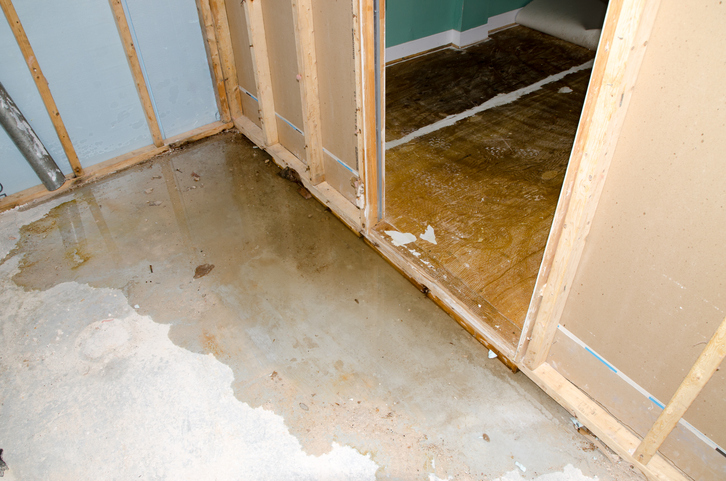
Strategic placement is crucial for maximizing the effectiveness of your water leak sensors. Focus on areas where water damage is most likely to occur:
- Basements: These are especially vulnerable to flooding and seepage.
- Under Sinks: Leaks from pipes or fixtures can go unnoticed for weeks.
- Near Water Heaters: Malfunctions or corrosion can lead to sudden leaks.
- Laundry Rooms: Washing machine hoses are a common source of water damage.
- Bathrooms: Toilets, tubs, and showers are frequent culprits for hidden leaks.
- Behind Appliances: Refrigerators with ice makers or dishwashers can develop slow leaks over time.
For larger homes or commercial properties, consider a network of sensors connected to a central hub for broader coverage and easier management.
Choosing the Right Sensor for Your Needs
When selecting a smart water leak detector, consider the following features to ensure you get the best fit for your property:
- Connectivity: Wi-Fi models offer direct alerts, while Zigbee or Z-Wave sensors may require a smart home hub.
- Power Source: Battery-powered units are easy to install, but check battery life and replacement options.
- Alert Options: Look for devices that provide both audible alarms and mobile notifications.
- Integration: Compatibility with your existing smart home ecosystem can streamline automation and response.
- Water Shutoff Capability: Some advanced systems can automatically shut off the main water supply when a leak is detected, offering an extra layer of protection.
Reading product reviews and consulting with a professional can help you make an informed decision based on your unique needs.
Integrating Leak Detection with Other Smart Home Systems
For those who already have a smart home setup, integrating intelligent water sensors can enhance your overall automation strategy. Many devices are compatible with popular platforms, enabling you to:
- Trigger voice alerts through smart speakers when a leak is detected.
- Automatically shut off the main water valve to prevent further damage.
- Receive push notifications or emails for instant awareness.
- Log historical data to monitor trends and identify recurring issues.
Integration can also allow for custom routines, such as turning on lights in affected areas or notifying a property manager. This level of automation can be especially valuable for vacation homes or rental properties where immediate response is critical.
Maintenance and Best Practices for Leak Sensors
To ensure your leak detection system remains effective, follow these maintenance tips:
- Test sensors regularly by placing a damp cloth under the probe to confirm alerts are working.
- Replace batteries as recommended by the manufacturer.
- Clean sensor contacts to prevent dust or debris from interfering with detection.
- Update device firmware if your model supports over-the-air updates.
- Review and adjust notification settings to ensure you receive timely alerts.
Periodic checks and prompt attention to alerts will help you get the most out of your investment in water leak prevention technology.
Frequently Asked Questions
How do smart water sensors detect leaks?
These devices use moisture-sensitive probes or strips to sense the presence of water in areas where it shouldn’t be. When water is detected, the sensor sends an alert to your phone or smart home system, allowing you to act quickly.
Are these sensors difficult to install?
Most models are designed for easy installation and do not require professional help. They are typically battery-powered and can be placed on the floor or mounted near potential leak sources.
Can smart water sensors help lower my insurance premiums?
Some insurance companies offer discounts for properties equipped with leak detection systems, as they reduce the risk of costly water damage claims. Check with your provider to see if you qualify for any incentives.
What should I do if my sensor detects a leak while I’m away?
Respond as soon as possible by contacting someone who can access your property, such as a neighbor or property manager. If your system includes an automatic shutoff valve, it may stop the water supply automatically, minimizing damage until you return.
Conclusion
Investing in smart leak detection technology is a proactive step toward protecting your property from water damage. By understanding how these devices work, where to install them, and how to maintain them, you can prevent costly repairs and enjoy greater peace of mind. Whether you’re a homeowner, renter, or property manager, integrating water sensors into your safety plan is a smart move for long-term protection.