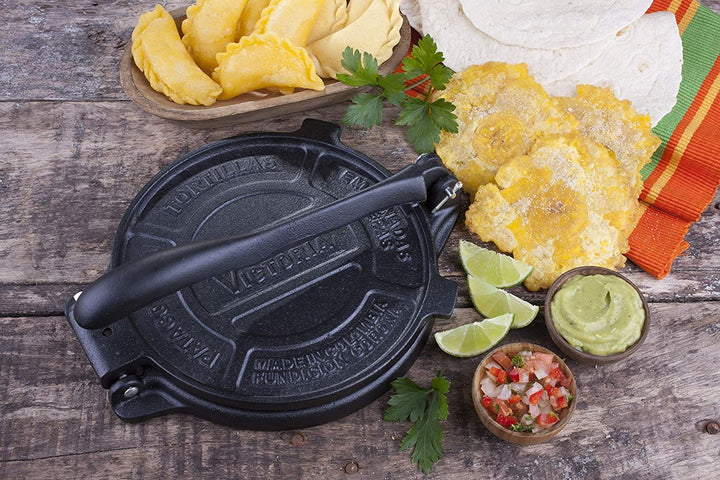
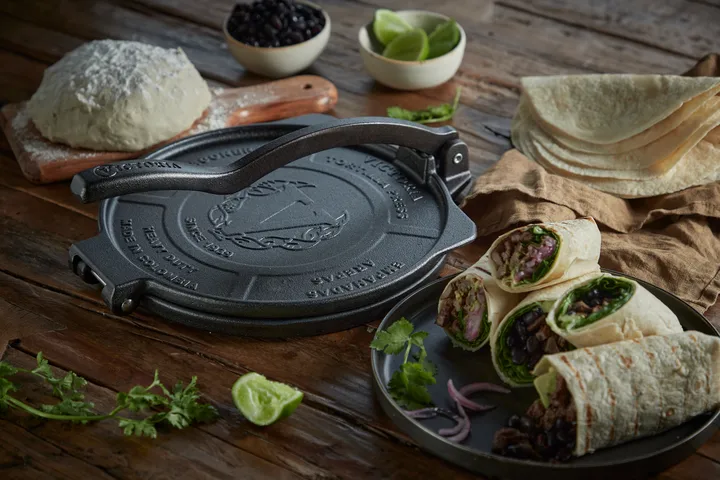
Many home bakers are discovering the convenience and versatility of using a tortilla press for more than just tortillas. If you want to achieve consistently thin, even, and flaky pastry dough without the hassle of rolling pins and uneven pressure, a tortilla press can be a game-changer. This guide explains how to use a tortilla press for pastry dough, offering practical steps, troubleshooting tips, and expert advice for the best results.
Whether you’re making hand pies, empanadas, turnovers, or experimenting with other pastries, learning to press dough efficiently saves time and helps ensure uniform baking. Before diving into the step-by-step process, it’s worth noting that a tortilla press can also be used for other doughs, such as dumpling skins or even sweet doughs for gorditas de azucar.
For those interested in maintaining their kitchen tools, you may also want to check out tips on how to store a cast iron press long term to keep your equipment in top shape.
Why Use a Tortilla Press for Pastry Dough?
Traditional rolling pins require skill and patience to achieve evenly thin pastry. A tortilla press, on the other hand, applies uniform pressure, making it easier to create consistent rounds or sheets of dough. This method is especially helpful for:
- Reducing prep time for pastries that require thin dough
- Ensuring even thickness for uniform baking
- Minimizing overworking, which can toughen pastry
- Producing more flaky layers by keeping dough cold and handling it less
While tortilla presses are most commonly associated with Mexican cuisine, their design is ideal for a variety of pastry applications. If you’re curious about using a press for other recipes, see our guide on using a tortilla press for fry bread as well.
Choosing the Right Press and Preparing Your Workspace
Not all presses are created equal. For pastry, a heavy-duty cast iron or aluminum press works best, as it delivers steady, even pressure. Make sure your press is clean, dry, and, if it’s cast iron, properly seasoned to prevent sticking. If you have a vintage press, consider restoring it with guidance from this comprehensive cast iron restoration guide.
Set up your workspace with:
- A tortilla press (8-inch size is versatile for most pastries)
- Two sheets of parchment paper or plastic wrap to prevent sticking
- Chilled pastry dough, divided into small balls or disks
- Flour for dusting, if needed
- A baking sheet for transferring pressed dough
Step-by-Step: Pressing Pastry Dough for Flaky Results
Follow these steps to get the most out of your tortilla press when working with pastry:
- Chill the Dough: Cold dough is essential for flakiness. After mixing, wrap and refrigerate your pastry dough for at least 30 minutes.
- Divide and Shape: Portion the dough into small balls or disks, roughly the size of a golf ball for hand pies or empanadas.
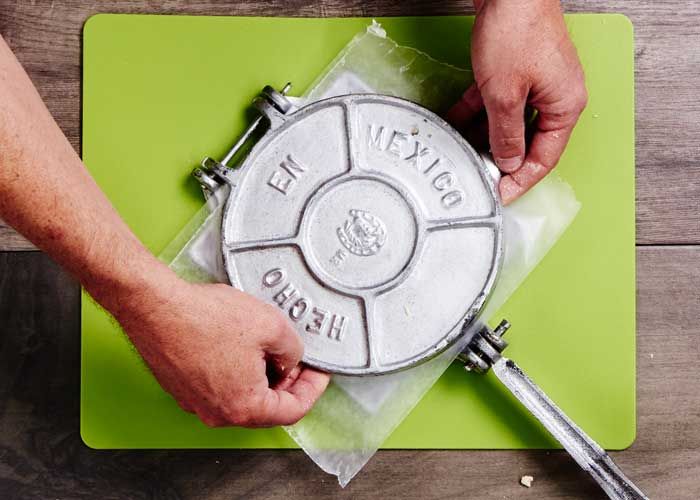
- Prepare the Press: Place a sheet of parchment or plastic wrap on the bottom plate. Set a dough ball in the center, then cover with another sheet.
- Press Gently: Lower the top plate and press down firmly but not excessively. The goal is to flatten the dough evenly to about 1/8 inch thick. If you need thinner pastry, rotate and press again.
- Check and Adjust: Open the press and peel back the top sheet. If the dough is uneven, reposition and press again. For very flaky pastries, avoid pressing more than twice to prevent overworking.
- Transfer Carefully: Use the parchment or wrap to lift the dough and transfer it to your baking sheet. If the dough sticks, chill it briefly before trying again.
Tips for Preventing Sticking and Tearing
Pastry dough can be delicate, especially when cold and high in butter. Here are some strategies to prevent sticking and tearing:
- Always use parchment or plastic wrap between the dough and the press plates.
- If the dough is too sticky, dust it lightly with flour before pressing.
- For very buttery doughs, chill the dough balls in the freezer for 5 minutes before pressing.
- Peel the dough off the parchment slowly, supporting it with a spatula if needed.
- If tearing occurs, patch gently with extra dough and press lightly again.
With practice, you’ll find the right balance between dough temperature and pressing force for your preferred pastry texture.
Creative Uses for Pressed Pastry Dough
Once you’ve mastered the basics, a tortilla press opens up a world of pastry possibilities. Try using your pressed dough for:
- Empanadas and hand pies
- Mini galettes or rustic tarts
- Turnovers with sweet or savory fillings
- Homemade pop tarts
- Thin tart shells or quiche bases
For more inspiration on pressing techniques, see our post on how to press tortillas for taquitos, which offers tips that can be adapted for pastry as well.
Cleaning and Maintaining Your Tortilla Press
Proper care extends the life of your press and ensures safe, hygienic pastry making. Here’s how to keep your press in top condition:
- Wipe down the plates with a damp cloth after each use. Avoid soaking or using harsh detergents, especially for cast iron.
- If dough residue sticks, use a plastic scraper or soft brush to remove it gently.
- For cast iron presses, dry thoroughly and apply a thin layer of oil to prevent rust.
- Store in a dry place. For long-term storage, see our guide on rust protection for cast iron presses.
If you inherit or purchase a vintage press, restoring it can be rewarding. For step-by-step instructions, refer to this expert guide on restoring vintage cast iron cookware.
Frequently Asked Questions
Can I use a tortilla press for all types of pastry dough?
Most pastry doughs that are rolled or pressed can be used with a tortilla press, including pie crust, empanada dough, and shortcrust. However, very wet or sticky doughs may require extra flour or chilling to prevent sticking. Laminated doughs (like croissant or puff pastry) are best rolled by hand to preserve layers.
How do I prevent my pastry dough from sticking to the press?
Always use parchment paper or plastic wrap on both sides of the dough. Lightly dusting the dough with flour and chilling it before pressing also helps. If sticking persists, try using a slightly thicker sheet of parchment or a silicone baking mat cut to size.
What size tortilla press is best for pastry?
An 8-inch press is ideal for most pastry applications, offering enough surface area for hand pies, empanadas, and small tarts. Larger presses can be used for bigger pastries, but may require more effort to press evenly. For most home bakers, 8 inches strikes a good balance between versatility and ease of use.
Is a tortilla press suitable for gluten-free pastry dough?
Yes, a tortilla press works well for gluten-free doughs, which can be more fragile and difficult to roll by hand. Using parchment or plastic wrap is especially important to prevent sticking and tearing with gluten-free recipes.
Conclusion
Using a tortilla press for pastry dough is a practical way to achieve thin, even, and flaky results with less effort. With the right technique and a bit of practice, you’ll streamline your baking process and enjoy more consistent pastries. Remember to keep your dough cold, use parchment or plastic wrap, and maintain your press for long-lasting performance. For more tips on creative uses for your press, explore our related articles on sweet doughs and dumpling wrappers.