
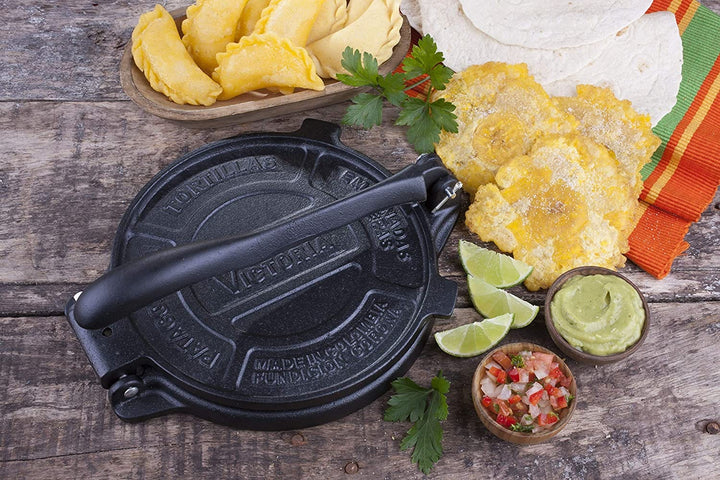
Achieving perfectly thin, delicate edges on homemade tortillas is a sign of skill and attention to detail. Whether you’re making corn or flour tortillas, those whisper-thin borders help the tortillas puff beautifully on the griddle and deliver that authentic, hand-crafted texture. Many home cooks struggle to get this result, especially when using a tortilla press. Understanding the mechanics of pressing, dough hydration, and leveling are key to mastering this technique.
This guide offers practical, step-by-step advice for how to get thin edges on pressed tortillas using a press. We’ll cover dough preparation, press setup, leveling tricks, and troubleshooting tips so you can consistently create tortillas with those signature feathered edges. If you’re interested in other creative uses for your press, you might also enjoy our article on how to press tortillas for gorditas de azucar, which explores sweet dough techniques.
Why Thin Edges Matter in Tortilla Making
Thin edges are more than just a visual cue—they impact texture, cooking, and even flavor. When the perimeter of the tortilla is thinner than the center, it cooks faster and can puff up, creating a light, airy bite. This is especially important for corn tortillas, where the puff is a sign of proper technique. Thin edges also prevent toughness and make the tortillas easier to fold or wrap.
Getting this result with a press can be tricky, as presses tend to flatten dough evenly. However, with the right dough consistency, pressing method, and a few leveling tricks, you can achieve those sought-after edges every time.
Preparing the Dough for Thin, Even Tortillas
The foundation of thin-edged tortillas is a well-prepared dough. Here are the key factors to consider:
- Hydration: The dough should be moist but not sticky. For corn tortillas, use warm water and let the dough rest for at least 20 minutes after mixing. For flour tortillas, allow the dough to relax so the gluten settles.
- Uniform Ball Size: Weigh or measure your dough balls to ensure consistency. This helps the press distribute pressure evenly.
- Resting: Letting dough balls rest before pressing makes them more pliable and less likely to crack at the edges.
For more on dough handling and creative uses, see our tips on how to use a tortilla press for pastry dough.
Setting Up the Press for Even Leveling
Proper press setup is crucial for getting those delicate edges. Here’s how to optimize your equipment and technique:
- Use Parchment or Plastic: Place a square of parchment or a cut plastic bag on both sides of the dough ball. This prevents sticking and allows the dough to spread more freely, which helps with edge thinning.
- Center the Dough: Always place the dough ball in the exact center of the press. Off-center dough leads to uneven thickness and lopsided edges.
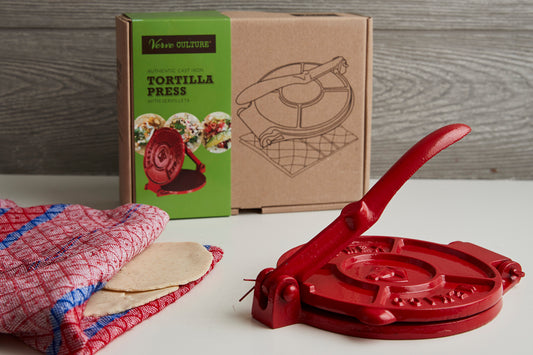
- Check Press Level: Before pressing, ensure your tortilla press sits flat on the counter. If the base or handle is uneven, the pressure will not be distributed equally, resulting in thick or torn edges.
Pressing Techniques for Feathered Tortilla Edges
Once your dough and press are ready, the pressing method makes all the difference. Here’s how to get those signature thin edges:
- Initial Press: Gently lower the handle and press down until the dough is about halfway flattened. Don’t use full force yet.
- Rotate the Dough: Open the press, rotate the dough (with parchment/plastic) 90 degrees, and press again. This helps distribute pressure and thins the edges further.
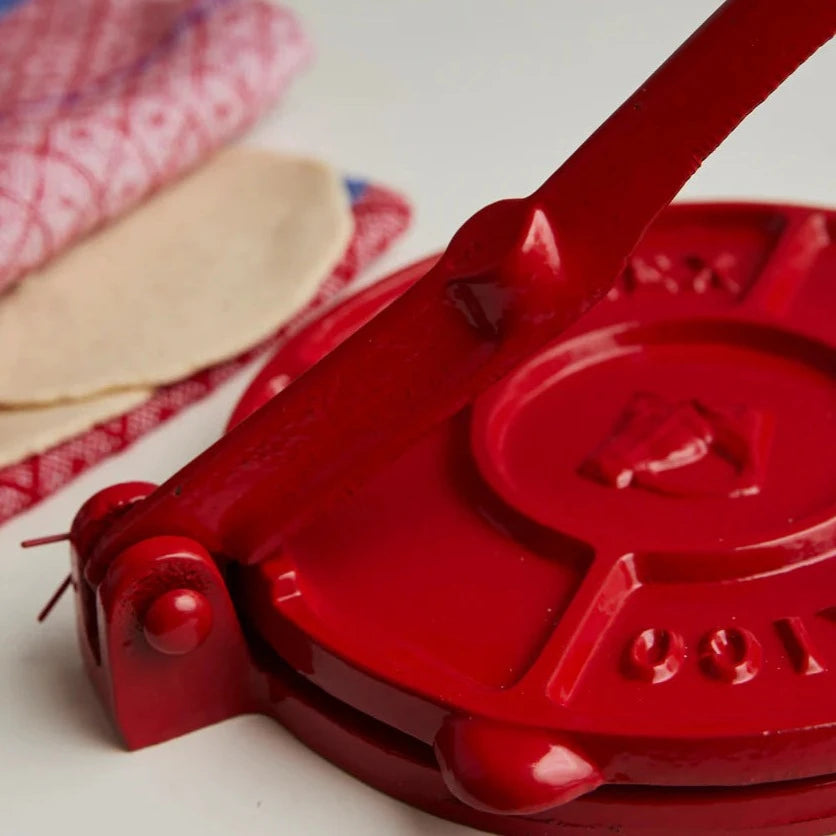
- Final Press: For the last press, apply slightly more pressure at the edges by gently rocking the handle or pressing down a bit more on the outer rim. Be careful not to tear the dough.
- Check Thickness: The center should be slightly thicker than the edges. If not, repeat the rotation and gentle edge press.
Some cooks prefer to finish by hand, pinching or rolling the edges slightly thinner. This is optional but can help if your press doesn’t create the desired taper.
Leveling Tricks for Consistent Results
Leveling is the secret to even, thin-edged tortillas. Try these practical tips:
- Adjust Press Pressure: If your press is heavy, use a lighter touch for the first press and gradually increase pressure. For lighter presses, you may need to press more firmly.
- Shim the Press: If your press has a slight tilt, place a thin piece of cardboard or folded paper under the low side to even it out.
- Visual Inspection: After pressing, hold the tortilla up to the light. The edges should appear slightly more translucent than the center.
For more advanced leveling and pressing tips, see our guide on how to use a tortilla press for thin crust.
Troubleshooting Common Problems
Even with careful technique, you might encounter some issues. Here’s how to address the most common problems when aiming for thin tortilla edges:
| Problem | Possible Cause | Solution |
|---|---|---|
| Edges too thick | Dough ball too large, uneven pressing, or press not level | Use smaller dough balls, rotate and re-press, check press level |
| Edges tearing | Dough too dry or over-pressed | Increase hydration, press more gently, rest dough longer |
| Lopsided tortillas | Dough not centered or uneven press | Center dough carefully, adjust press position |
Maintaining your press is also important for consistent results. For care and maintenance tips, see this guide to keeping your tortilla press in good condition.
Additional Tips for Better Tortilla Edges
- Experiment with Dough Recipes: Different flour or masa brands absorb water differently. Adjust hydration as needed for your local climate and ingredients.
- Use the Right Press: Cast iron presses offer more even pressure, while lighter aluminum presses may require more manual adjustment.
- Cook Immediately: Transfer tortillas to a hot griddle right after pressing to prevent drying and cracking at the edges.
- Practice Makes Perfect: The more you press, the better you’ll get at feeling the right pressure and rotation for thin, even edges.
If you’re interested in other flatbreads, you might find our article on how to use a tortilla press for fry bread helpful as well.
Frequently Asked Questions
What is the ideal dough hydration for thin-edged tortillas?
For corn tortillas, aim for a dough that feels soft and slightly tacky but not sticky—usually around 1 to 1.2 parts water to 1 part masa harina by weight. For flour tortillas, the dough should be smooth and elastic, with enough moisture to prevent cracking but not so much that it sticks to the press.
Why do my tortilla edges crack or split?
Cracked edges are usually a sign of dough that is too dry or not rested enough. Try adding a bit more water and letting the dough balls rest, covered, for 10–20 minutes before pressing. Also, avoid over-pressing, which can force the dough too thin at the edges and cause tearing.
Can I use a rolling pin to get thin edges instead of a press?
Yes, a rolling pin allows for more control over edge thickness, but it takes more practice to achieve a perfectly round shape. Many cooks use a combination: start with the press for uniformity, then finish the edges with a rolling pin or by hand if needed.
Conclusion
Mastering how to get thin edges on pressed tortillas is a blend of proper dough preparation, careful press setup, and thoughtful leveling. By following the techniques outlined here—hydrating your dough, centering and rotating during pressing, and making small leveling adjustments—you’ll consistently produce tortillas with beautiful, delicate edges. With a bit of practice and attention to detail, your homemade tortillas will rival those from the best tortillerias.




