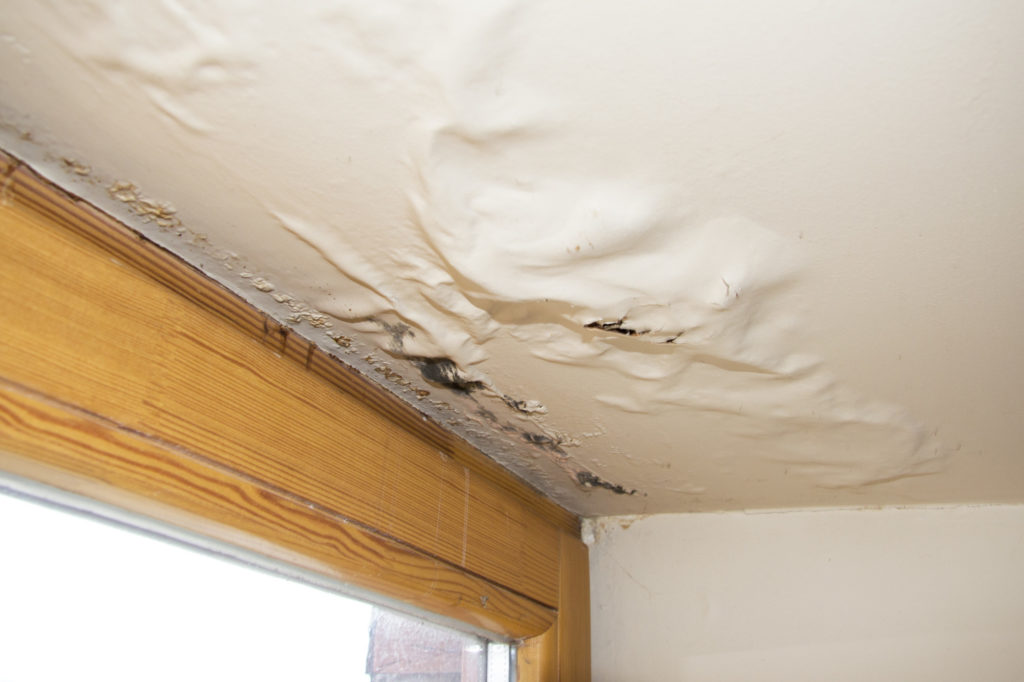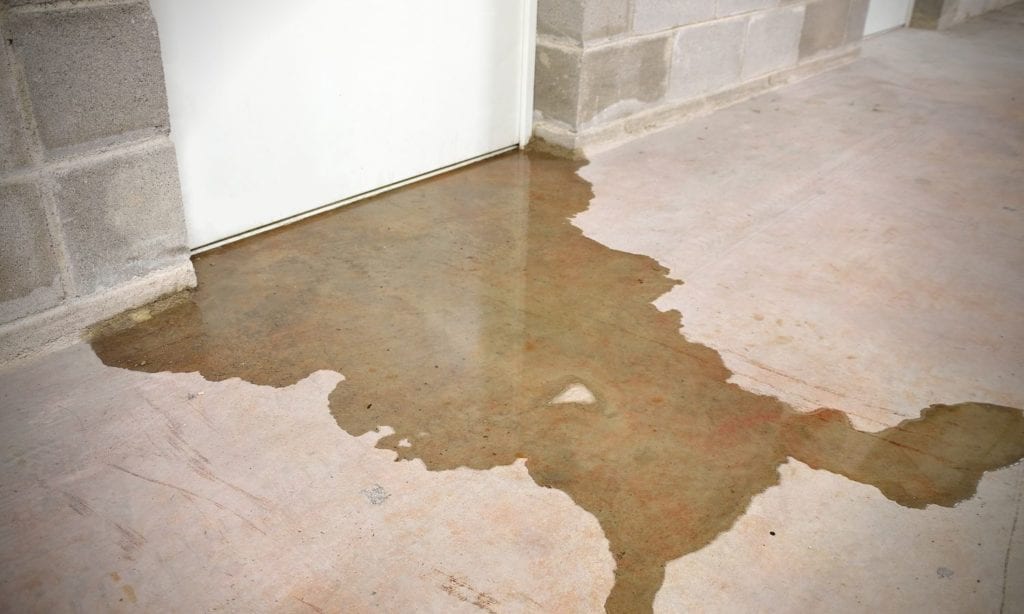

Water damage is one of the most costly and disruptive issues a homeowner can face. With unpredictable weather patterns and aging infrastructure, the risk of flooding has increased in many regions. Fortunately, IoT flood prevention devices are transforming how smart homes detect and respond to water threats. These connected sensors and systems offer real-time alerts, automation, and peace of mind, helping property owners minimize damage and avoid expensive repairs.
In this article, we’ll explore how smart water detection technology works, the main types of connected flood prevention tools available, and how to choose and install the right solutions for your home. If you’re interested in other smart home innovations, you might also enjoy our guide on how to press tortillas for gorditas de azucar.
Understanding Smart Water Detection Technology
At the core of most IoT flood prevention devices are advanced sensors that monitor for the presence of water or abnormal humidity levels. These sensors are connected to your home Wi-Fi or a dedicated hub, allowing them to send instant notifications to your smartphone or smart home system when a leak or flooding event is detected. Some models can even trigger automatic shut-off valves to stop water flow and prevent further damage.
Key features of modern water detection systems include:
- Real-time alerts via mobile app, text, or email
- Integration with other smart home platforms (like Alexa, Google Home, or Apple HomeKit)
- Battery backup to ensure operation during power outages
- Data logging for tracking humidity and temperature trends
- Remote monitoring from anywhere with an internet connection
Types of Connected Flood Prevention Solutions
There are several categories of IoT flood prevention devices designed to address different risks and home layouts. Understanding these options can help you build a comprehensive defense against water damage.
Smart Leak Detectors and Sensors
These compact devices are placed near appliances, under sinks, in basements, or anywhere leaks are likely to occur. When water is detected, they send an immediate alert. Some models also monitor temperature and humidity, providing early warning of conditions that could lead to mold or freezing pipes.

Automated Water Shut-Off Valves
For maximum protection, some systems include a motorized valve that can automatically turn off your home’s main water supply when a leak is detected. This feature is especially valuable if you travel frequently or have a second property that isn’t always occupied. By stopping the flow of water, these devices can dramatically reduce the extent of damage from burst pipes or appliance failures.
Integrated Flood Monitoring Systems
Some advanced solutions combine multiple sensors, shut-off valves, and cloud-based monitoring into a single platform. These systems may also integrate with home security and automation networks, allowing for coordinated responses such as shutting off power to affected areas or alerting emergency contacts.
Benefits of Using IoT-Based Flood Prevention
Adopting IoT flood prevention devices offers several tangible benefits for homeowners:
- Early detection minimizes water damage and repair costs
- Remote monitoring provides peace of mind, even when you’re away
- Automated responses can prevent disasters before they escalate
- Potential insurance discounts for proactive risk management
- Integration with other smart home systems for streamlined control
For more tips on protecting your property, you can review this comprehensive guide to preventing flooding.
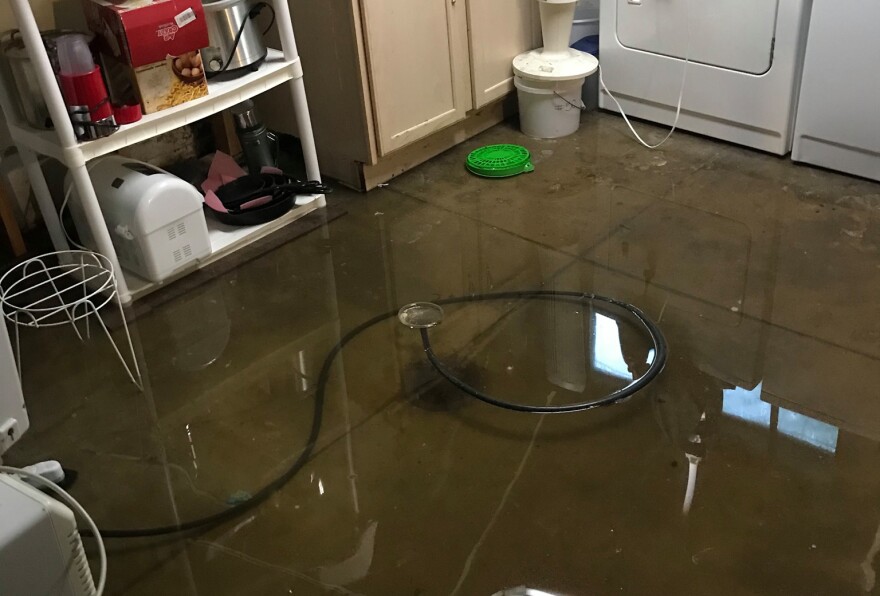
How to Choose the Right Flood Prevention Tools for Your Home
When selecting IoT flood prevention devices, consider the following factors to ensure you get the best protection for your needs:
- Coverage area: Assess which rooms or zones are most vulnerable, such as basements, laundry rooms, bathrooms, and kitchens.
- Connectivity: Make sure the devices are compatible with your existing Wi-Fi network or smart home hub.
- Alert methods: Choose systems that send notifications to your preferred device, whether that’s a smartphone, tablet, or smart speaker.
- Power source: Look for sensors with long battery life or backup power in case of outages.
- Ease of installation: Many modern sensors are DIY-friendly and require minimal tools or expertise to set up.
- Integration: If you already use smart home automation, select devices that work with your current ecosystem for seamless control.
It’s also wise to read product reviews and consult with a professional plumber or smart home installer if you’re unsure about the best setup for your property.
Installation Tips and Best Practices
Proper placement and maintenance are crucial for getting the most from your connected water detection system. Here are some practical tips:
- Install sensors in low-lying areas where water is likely to pool first.
- Test devices regularly to ensure they’re working and connected to your network.
- Replace batteries as recommended by the manufacturer.
- Consider pairing sensors with smart shut-off valves for maximum protection.
- Keep your device firmware updated to benefit from security patches and new features.
For those interested in other smart home tools, check out our article on how to use a tortilla press for pastry dough for more innovative kitchen solutions.
Frequently Asked Questions
How do IoT water leak detectors notify homeowners of a problem?
Most smart leak sensors send instant alerts to your phone via a dedicated app, text message, or email when they detect water. Some can also trigger audible alarms or integrate with home automation systems to take further action, such as shutting off the water supply.
Are these devices difficult to install?
Many IoT flood prevention devices are designed for easy DIY installation. Most sensors are battery-powered and simply need to be placed in vulnerable areas. Automated shut-off valves may require professional installation, especially if they connect to your main water line.
Can these systems help lower my insurance premiums?
Some insurance providers offer discounts for homes equipped with proactive water detection and prevention technology. Contact your insurer to find out if your policy qualifies for such incentives.
Conclusion
Investing in IoT flood prevention devices is a proactive way to protect your home, belongings, and peace of mind. With options ranging from simple leak sensors to comprehensive monitoring and shut-off systems, there’s a solution for every property and budget. By combining smart technology with regular maintenance and awareness, you can significantly reduce the risk of water damage and enjoy a safer, smarter home environment.