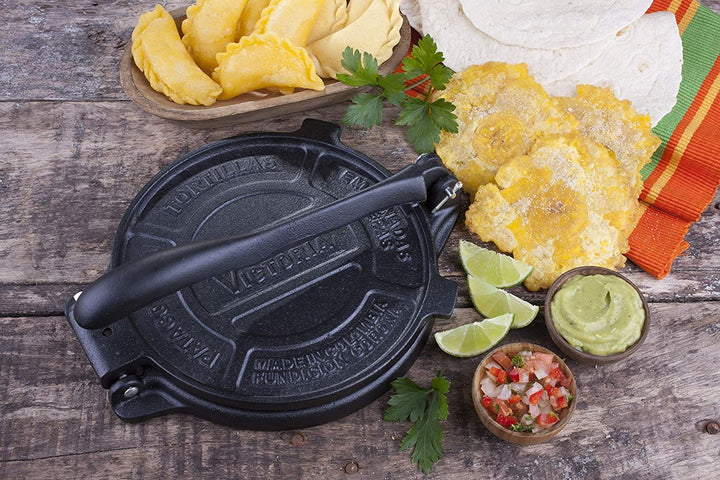
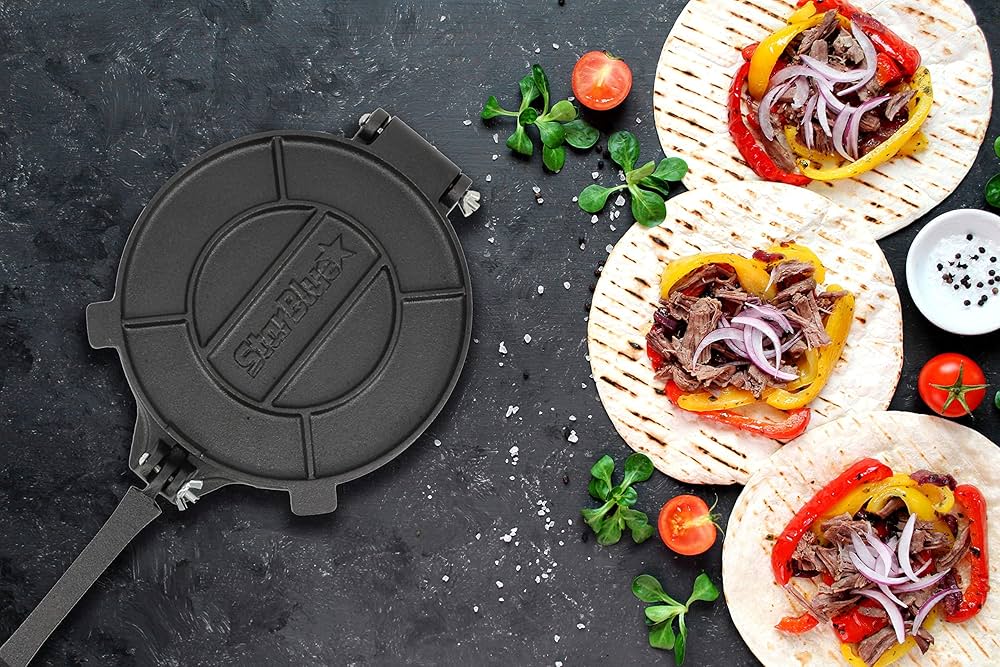
Making thin, even pizza crust at home can be a challenge, especially if you want consistent results without a lot of fuss. One surprisingly effective tool for this task is the tortilla press. While traditionally used for flattening masa for tortillas, a press can help you achieve uniform, thin pizza bases with minimal effort. This guide explains how to use a tortilla press for pizza dough, shares essential tips for thin crust success, and covers everything you need to know to get started.
Whether you’re looking for a quick way to prepare personal-sized pizzas or want to experiment with new kitchen techniques, using a tortilla press can simplify your workflow. Before diving into the step-by-step process, it’s helpful to understand why this method works and how it compares to traditional rolling or stretching by hand. If you’re interested in exploring other creative uses for your press, check out our related article on how to use a tortilla press for pastry dough for more inspiration.
Why Use a Tortilla Press for Pizza Bases?
Traditional pizza dough shaping methods—like hand stretching or rolling with a pin—can be time-consuming and require some practice to master. A tortilla press offers several advantages for making thin crusts:
- Consistency: Each dough ball is pressed to the same thickness, ensuring even baking.
- Speed: Pressing dough is much faster than rolling or stretching by hand, especially for multiple pizzas.
- Less Mess: The process is contained, reducing flour dust and sticky surfaces.
- Accessibility: It’s easier for beginners or those with limited hand strength.
While a tortilla press won’t create the large, classic Neapolitan pies, it’s perfect for personal-sized or snack pizzas. This technique is especially useful for parties, family pizza nights, or meal prepping.
Choosing the Right Tortilla Press and Dough
Not all presses or doughs are created equal. For best results, consider the following:
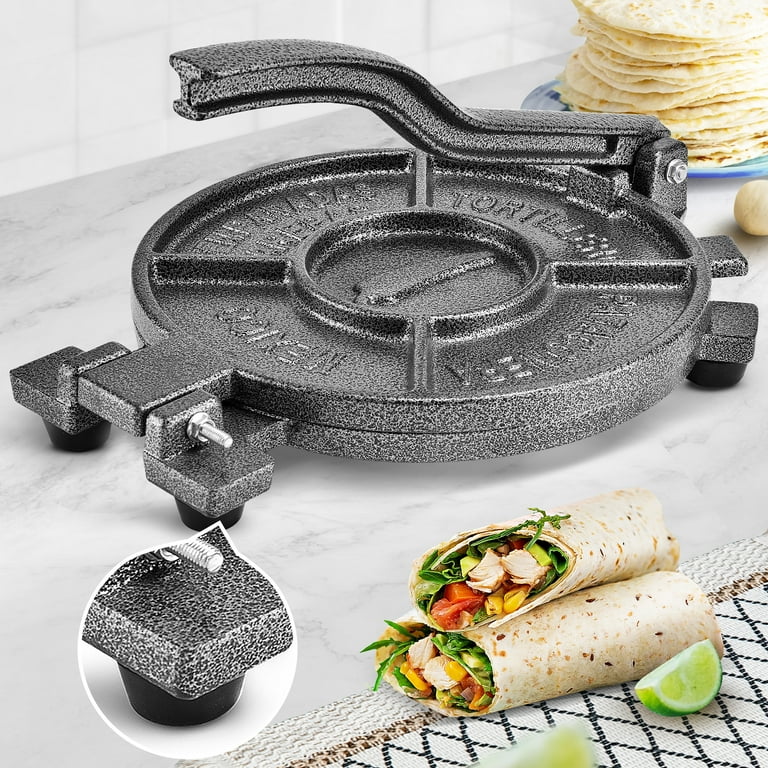
- Press Size: An 8-inch or 10-inch press is ideal for small pizzas. Larger presses can accommodate bigger dough balls, but most home presses are in the 8–10 inch range.
- Material: Cast iron presses provide even pressure and durability. Aluminum or wooden presses work but may not flatten as evenly.
- Dough Type: Use a standard pizza dough recipe with moderate hydration (60–65%). Too wet and the dough will stick; too dry and it may crack. Let the dough rest and come to room temperature before pressing for best elasticity.
If you’re new to using a press, consider seasoning your cast iron model for longevity. For tips on maintaining cast iron cookware, see this guide to restoring vintage cast iron.
Step-by-Step: Pressing Pizza Dough for Thin Crusts
Follow these steps to achieve thin, round pizza bases using your tortilla press:
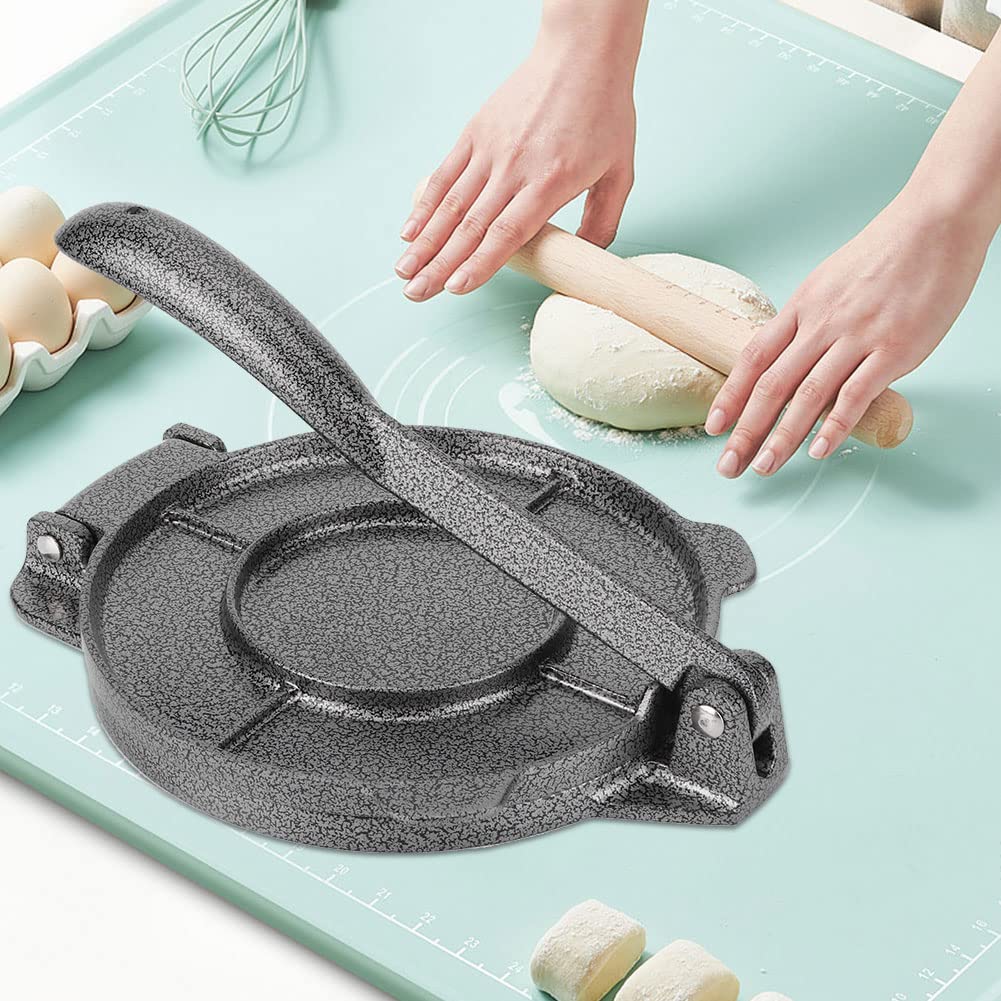
- Divide and Shape: Portion your dough into balls (about 80–120g each for 8-inch pizzas). Let them rest, covered, for 10–15 minutes to relax the gluten.
- Prepare the Press: Cut two squares of parchment paper or use plastic wrap to prevent sticking. Place one sheet on the bottom plate.
- Position the Dough: Place a dough ball in the center, then cover with the second sheet of parchment.
- Press Evenly: Lower the top plate and press down firmly. For extra thinness, rotate the dough 90 degrees and press again.
- Remove and Transfer: Gently peel off the top parchment. Lift the dough (with the bottom parchment) and transfer to a baking sheet or pizza peel.
- Top and Bake: Add your favorite toppings and bake as usual. Thin crusts cook quickly, so monitor closely.
Tips for Perfect Thin Crust Pizza with a Press
To get the most out of your tortilla press when making pizza, keep these tips in mind:
- Use Parchment Paper: This prevents sticking and makes transferring the dough much easier.
- Don’t Over-Press: Pressing too hard can make the dough too thin or cause it to tear. Start with gentle pressure and increase as needed.
- Rest the Dough: Dough that’s too cold or tense will resist flattening and may shrink back. Let it warm up and relax before pressing.
- Rotate for Evenness: If your press leaves thicker edges, rotate the dough and press again for a more uniform result.
- Limit Toppings: Thin crusts can’t hold heavy toppings. Use a light hand with sauce and cheese for best texture.
For more ideas on using your press for different doughs, see our article on how to press tortillas for gorditas de azucar.
Cleaning and Maintaining Your Press
Proper care ensures your tortilla press lasts for years and delivers great results every time. Here’s how to keep it in top shape:
- Wipe After Use: Immediately after pressing dough, wipe down the plates with a damp cloth. Avoid soaking cast iron presses in water.
- Dry Thoroughly: Moisture can cause rust, especially on cast iron. Dry your press completely before storing.
- Oil Lightly: For cast iron models, rub a thin layer of oil on the surfaces to prevent rusting.
- Store Properly: Keep your press in a dry place. If possible, store with parchment or a cloth between the plates to avoid sticking.
If you notice rust or buildup, refer to the cast iron restoration guide for detailed cleaning steps.
Creative Variations and Additional Uses
Once you’re comfortable with pressing pizza dough, try experimenting with other recipes and dough types. The tortilla press is a versatile tool that can help with:
- Flatbreads, such as naan or pita
- Dumpling wrappers (see our guide for dumpling skins)
- Fry bread and other quick breads (fry bread prep guide)
- Pastry dough for hand pies or empanadas
For more on adapting your press for thin crust applications, our thin crust pizza prep guide offers additional techniques and troubleshooting tips.
Frequently Asked Questions
Can I use any pizza dough recipe with a tortilla press?
Most standard pizza dough recipes work well, but doughs with moderate hydration (60–65%) are easiest to press. Avoid doughs that are too sticky or too dry. Letting the dough rest before pressing improves elasticity and prevents tearing.
What size pizza can I make with a tortilla press?
The size depends on your press. Most home presses are 8–10 inches in diameter, perfect for personal-sized pizzas. For larger pizzas, you’ll need to finish stretching the dough by hand after pressing.
How do I prevent the dough from sticking to the press?
Always use parchment paper or plastic wrap on both sides of the dough. Lightly oiling the press can help, but parchment is the most reliable method for easy release and transfer.
Is a tortilla press better than a rolling pin for thin pizza crust?
Both tools can create thin crusts, but a press is faster and more consistent, especially for small pizzas. It’s also less messy and easier for beginners to use.
Can I use a tortilla press for gluten-free pizza dough?
Yes, but gluten-free doughs may be more fragile. Press gently and use parchment to prevent sticking or tearing. Some gluten-free recipes may require additional adjustments for best results.