

Modern households are increasingly turning to intelligent home security systems to protect their families, property, and peace of mind. These advanced solutions go far beyond traditional alarms, offering real-time monitoring, smart device integration, and proactive threat detection. As technology evolves, so do the expectations for what a secure home should provide. Understanding how these systems work and what sets them apart is crucial for anyone considering an upgrade to their home’s safety infrastructure.
In this article, we’ll explore the core features, benefits, and considerations of adopting smart security technology for residential use. Whether you’re looking to deter intruders, monitor your property remotely, or simply streamline your daily routines, intelligent security platforms offer a flexible and robust approach to home protection.
For readers interested in other innovative home technologies, you might also enjoy our guide on how to use a tortilla press for pastry dough, which explores smart kitchen tools and their impact on daily life.
What Makes a Security System “Intelligent”?
The term “intelligent” in home security refers to systems that leverage automation, artificial intelligence, and connectivity to deliver more than basic intrusion alerts. These solutions use a network of sensors, cameras, and smart devices, all managed through a central hub or app. Key features often include:
- Real-time alerts sent directly to your smartphone or device
- Integration with voice assistants and other smart home platforms
- Automated routines, such as locking doors or turning on lights when you leave
- AI-powered video analytics to distinguish between people, pets, and vehicles
- Remote access and control from anywhere with an internet connection
By combining these capabilities, intelligent security platforms offer a proactive approach to home protection, helping to prevent incidents before they escalate.
Key Components of Smart Security Solutions
Modern residential security setups are modular, allowing homeowners to customize their protection based on specific needs and property layouts. Here are the most common components found in today’s advanced systems:
- Smart Cameras: High-definition, often with night vision and motion detection, these cameras stream live footage and record events for later review.
- Door and Window Sensors: Detect unauthorized entry and trigger alarms or notifications.
- Motion Detectors: Use infrared or microwave technology to sense movement within designated zones.
- Smart Locks: Allow for remote locking and unlocking, temporary access codes, and integration with other devices.
- Environmental Sensors: Monitor for smoke, carbon monoxide, water leaks, and temperature changes.
- Central Control Panel or Hub: Acts as the brain of the system, coordinating devices and managing user preferences.
Many systems also support integration with third-party devices, such as smart lights, thermostats, and even kitchen appliances, creating a seamless and interconnected living environment.

Benefits of Adopting Intelligent Home Security Systems
There are several compelling reasons to upgrade to a smart security solution:
- Enhanced Protection: AI-driven monitoring and instant notifications mean threats can be identified and addressed quickly.
- Remote Accessibility: Homeowners can check cameras, lock doors, or adjust settings from anywhere, using a smartphone or tablet.
- Customization: Systems can be tailored to fit unique household needs, from pet-friendly motion sensors to custom alert schedules.
- Integration with Other Smart Devices: Security becomes part of a larger ecosystem, working in tandem with lighting, energy management, and entertainment systems.
- Potential Insurance Discounts: Many insurers offer reduced premiums for properties with advanced security measures in place.
For a deeper dive into how proactive protection can reduce risk and improve peace of mind, see this personal risk management guide from industry experts.
How AI and Automation Are Changing Home Security
Artificial intelligence is at the heart of the latest advancements in residential safety. Instead of relying solely on user input or simple triggers, AI-powered systems can:
- Analyze video feeds to detect unusual activity or recognize familiar faces
- Learn household routines and adjust settings automatically (e.g., arming the system when everyone leaves)
- Reduce false alarms by distinguishing between pets, vehicles, and actual intruders
- Integrate with voice assistants for hands-free control and status updates
Automation also enables routines such as turning on lights at sunset, locking doors at bedtime, or sending alerts if a window is left open. These features not only improve security but also add convenience and energy efficiency to daily life.
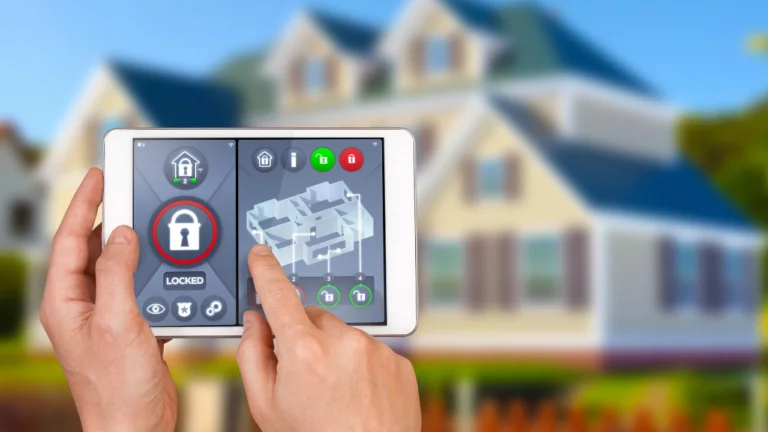
Choosing the Right Smart Security System for Your Home
With so many options available, selecting the best solution can feel overwhelming. Here are some factors to consider:
- Property Size and Layout: Larger homes may require more sensors and cameras, while apartments might benefit from compact, all-in-one devices.
- Integration Needs: Consider whether you want your security system to work with existing smart home devices or platforms.
- Professional Monitoring vs. Self-Monitoring: Some systems offer 24/7 monitoring by a security company, while others rely on user notifications and responses.
- Budget: Costs can vary widely depending on features, brand, and installation requirements.
- Scalability: Choose a system that can grow with your needs, allowing for easy addition of new devices or sensors.
Reading product reviews, consulting with security professionals, and evaluating your household’s specific risks can help you make an informed decision.
Privacy and Security Considerations
While smart security systems offer many benefits, they also introduce new privacy and cybersecurity challenges. To keep your data and home safe:
- Change default passwords and enable two-factor authentication on all devices
- Keep software and firmware up to date to patch vulnerabilities
- Limit sharing of video feeds and personal data with third parties
- Review privacy policies and data usage terms before purchasing
Taking these precautions ensures that the convenience and safety of your system are not compromised by digital threats.
Frequently Asked Questions
Are intelligent home security systems difficult to install?
Many modern solutions are designed for easy installation, often requiring only basic tools and a Wi-Fi connection. Some homeowners prefer professional installation, especially for larger or more complex setups, but DIY kits are widely available and user-friendly.
Can these systems be integrated with other smart home devices?
Yes, most advanced security platforms support integration with smart lights, thermostats, voice assistants, and other connected devices. This allows for automated routines and centralized control through a single app or hub.
Do I need a subscription for monitoring services?
Subscription requirements vary by brand and model. Some systems offer free self-monitoring, while others require a monthly fee for professional monitoring, cloud storage, or advanced features. It’s important to review the terms before purchasing to ensure the service matches your needs and budget.
Conclusion
The shift toward intelligent home security systems marks a significant evolution in how we protect our homes. With features like AI-driven monitoring, seamless integration, and remote access, these solutions provide a level of safety and convenience that traditional alarms simply can’t match. By understanding the available options and best practices, homeowners can create a secure, connected environment tailored to their unique lifestyle and needs.