Modern homes are filled with appliances that make daily life easier, but they also introduce new safety challenges. Overheating, electrical faults, and unnoticed malfunctions can quickly turn a convenient device into a potential hazard. Appliance safety monitoring is a proactive approach that helps households and businesses detect risks early, reduce fire hazards, and maintain peace of mind. This article explores how monitoring solutions work, their benefits, and practical steps for safer living environments.
For those interested in a comprehensive approach to home protection, integrating next-generation home security systems with appliance monitoring can provide an added layer of defense against both intrusions and electrical dangers.
Understanding the Importance of Monitoring Appliances
Electrical appliances—from kitchen gadgets to entertainment systems—are essential in most households. However, they also account for a significant number of residential fires and safety incidents each year. The main risks include:
- Overheating due to prolonged use or blocked ventilation
- Electrical short circuits and wiring faults
- Malfunctioning components that go unnoticed
- Forgotten devices left running unattended
By implementing appliance safety monitoring solutions, homeowners can detect abnormal temperature rises, excessive power consumption, or unusual operating patterns before they escalate into emergencies.
How Appliance Monitoring Systems Work
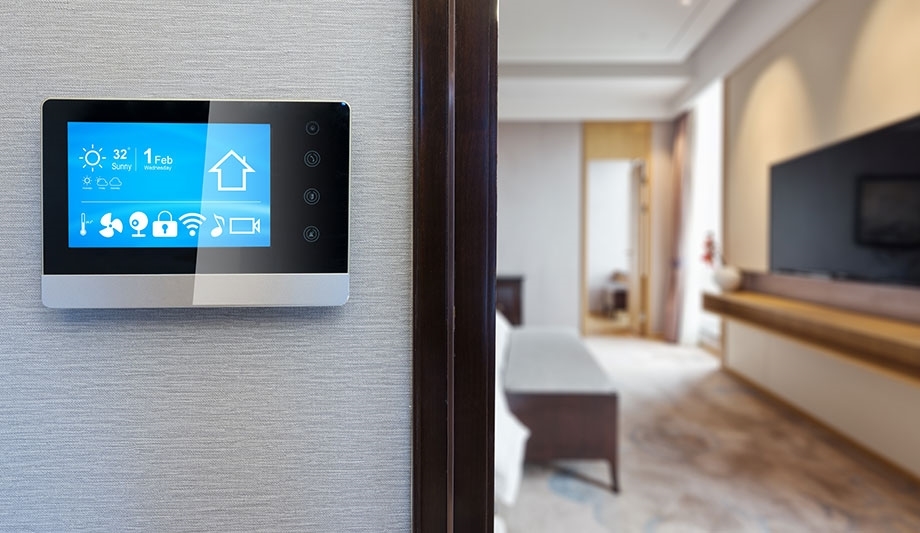
Modern monitoring systems use a combination of sensors, smart plugs, and cloud-based analytics to track the status of connected devices. Here’s how these systems typically function:
- Temperature Sensors: These detect heat buildup in appliances or power outlets, sending alerts if temperatures exceed safe thresholds.
- Current and Voltage Monitoring: Smart plugs and energy monitors track electrical usage, identifying spikes or irregularities that indicate potential faults.
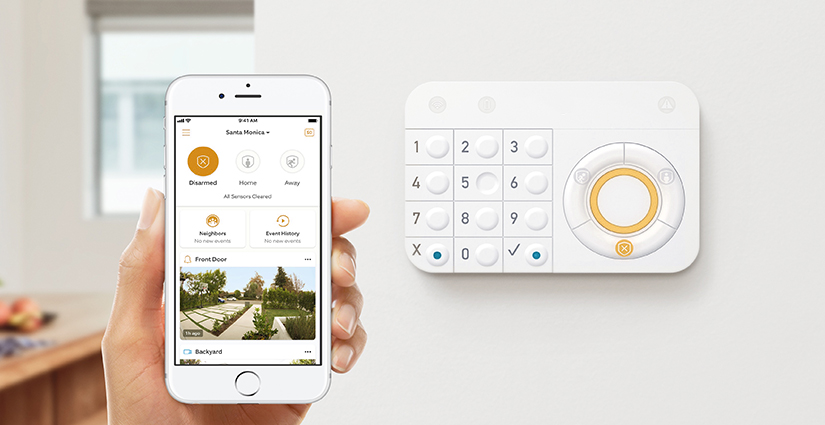
- Automated Alerts: When a risk is detected, the system can notify users via smartphone apps, email, or even trigger automatic shutoff mechanisms.
- Integration with Home Security: Many solutions can be linked with broader home security platforms, enabling coordinated responses to detected hazards.
For example, pairing an energy monitor with a security system allows for real-time tracking and immediate action if an appliance behaves abnormally.
Key Benefits of Proactive Appliance Safety
Integrating monitoring technology into your home or business offers several advantages:
- Early Detection of Hazards: Catching overheating or electrical faults before they cause damage reduces the risk of fire and costly repairs.
- Peace of Mind: Real-time alerts and automated controls mean you don’t have to worry about leaving appliances running or unnoticed issues.
- Energy Efficiency: Monitoring usage helps identify wasteful devices, enabling smarter energy management and lower utility bills.
- Insurance Benefits: Some insurers may offer discounts for homes equipped with advanced safety and monitoring systems.
These benefits are especially valuable for families with children, elderly residents, or anyone seeking a safer, smarter living environment.
Choosing the Right Monitoring Solutions
There are a variety of products and systems available, each catering to different needs and budgets. When selecting a solution, consider the following:
- Compatibility: Ensure the system works with your existing appliances and home automation platforms.
- Ease of Installation: Some devices are plug-and-play, while others may require professional setup.
- Alert Mechanisms: Look for systems that provide clear, actionable notifications through your preferred channels.
- Expandability: Choose solutions that can grow with your needs, adding more sensors or integrating with other smart devices.
For a deeper dive into securing your smart home, see our guide on home digital safety strategies for additional tips on protecting connected devices and personal data.
Integrating Appliance Monitoring with Broader Safety Systems
For maximum protection, consider combining appliance monitoring with other home safety technologies. This can include:
- Smoke and carbon monoxide detectors for early warning of fire or gas leaks
- Motion sensors for home protection, which can also detect unusual activity around appliances
- Medical alert systems for home use, especially in households with vulnerable individuals
- Safe room planning at home for comprehensive emergency preparedness
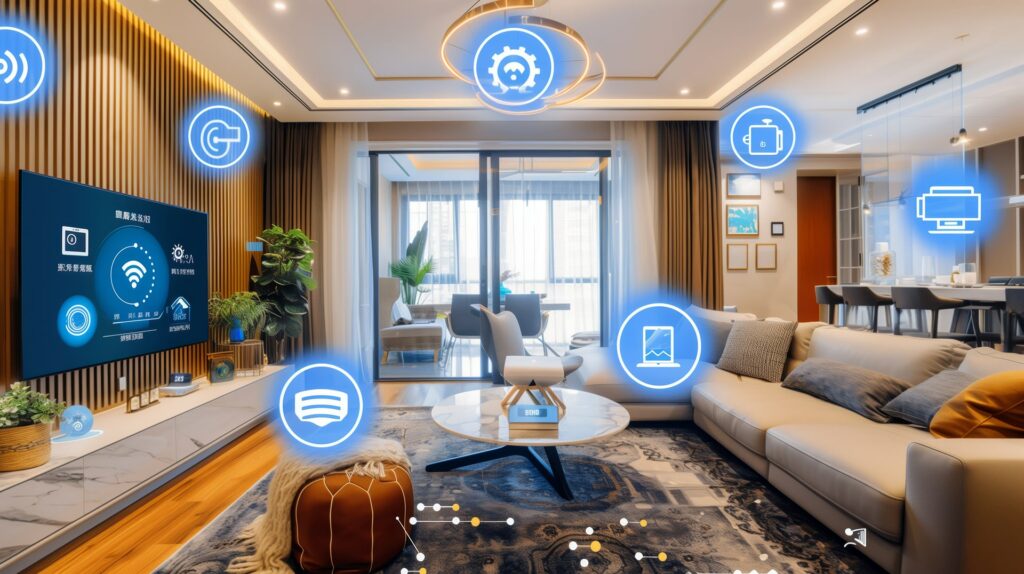
By creating a connected safety ecosystem, you can automate responses—such as shutting off power to a device or alerting emergency contacts—when a hazard is detected. This layered approach is especially effective in reducing response times and minimizing damage.
Best Practices for Appliance Safety at Home
While technology plays a crucial role, everyday habits are equally important in preventing hazards. Here are some practical tips:
- Regularly inspect cords, plugs, and outlets for signs of wear or overheating
- Keep appliances clean and free from dust or debris that can block ventilation
- Unplug devices when not in use, especially high-wattage items like space heaters or irons
- Never overload power strips or extension cords
- Follow manufacturer guidelines for installation and maintenance
Combining these habits with smart monitoring creates a robust defense against common household risks.
Resources for Further Learning
Staying informed is key to maintaining a safe environment. For more information on securing your connected home, check out this comprehensive smart home security guide that covers both digital and physical safety strategies.
Frequently Asked Questions
What types of appliances benefit most from safety monitoring?
High-wattage and frequently used devices—such as ovens, space heaters, dryers, and refrigerators—are most at risk for overheating or electrical faults. Monitoring these appliances provides early warnings and helps prevent dangerous situations.
Can appliance monitoring systems be installed in older homes?
Yes, many modern solutions are designed to retrofit into existing electrical systems. Smart plugs, wireless sensors, and cloud-based platforms make it possible to add safety monitoring without major renovations.
How do I know if my monitoring system is working correctly?
Most systems provide regular status updates via mobile apps or web dashboards. Test your sensors and alert functions periodically, and ensure your devices are updated with the latest firmware for optimal performance.
Conclusion
Proactive appliance monitoring is a practical step toward a safer, smarter home. By combining technology with good habits, you can reduce the risk of fire, electrical hazards, and costly damage. Whether you’re upgrading your security or simply want greater peace of mind, investing in monitoring solutions is a wise move for any household or business.