
The rise of smart homes and connected devices has transformed how we interact with our living spaces. From voice assistants and smart thermostats to security cameras and energy monitors, these devices offer convenience and efficiency. However, as the number of connected gadgets grows, so do the risks associated with them. Connected device risk management is essential to ensure your smart ecosystem remains secure, private, and reliable.
In this article, we’ll explore practical strategies for safeguarding your network of smart devices. You’ll learn about common vulnerabilities, proactive steps to reduce threats, and how to maintain control over your digital environment. If you’re interested in learning about the latest advancements in home security, check out our guide on next-generation home security systems for a deeper dive into cutting-edge features.
Understanding the Risks in Smart Home Environments
Smart devices are designed to make life easier, but they also introduce new security challenges. Each device connected to your home network is a potential entry point for cybercriminals. Common risks include:
- Unauthorized access: Weak passwords or outdated software can allow hackers to gain control of devices.
- Data privacy breaches: Personal information, such as video footage or voice recordings, can be exposed if devices are compromised.
- Network vulnerabilities: Poorly secured devices can serve as gateways to your entire home network, putting all connected equipment at risk.
- Device malfunction or manipulation: Attackers may disable alarms, unlock doors, or manipulate environmental controls.
Effective connected device risk management starts with understanding these threats and recognizing that security is a shared responsibility between manufacturers and users.
Best Practices for Securing Your Smart Devices
Taking proactive steps can greatly reduce your exposure to cyber threats. Here are essential measures to protect your smart home ecosystem:
1. Change Default Credentials Immediately
Many devices ship with default usernames and passwords, which are widely known and easily exploited. Always create unique, strong passwords for each device and update them regularly.
2. Keep Firmware and Software Updated
Manufacturers release updates to patch vulnerabilities and improve security. Enable automatic updates if available, or check for updates manually on a regular basis.
3. Use a Separate Network for Smart Devices
Segmenting your smart devices from your main network adds an extra layer of protection. Many modern routers allow you to set up a dedicated guest network for IoT devices, isolating them from sensitive data on your primary network.
4. Disable Unnecessary Features
Turn off features you don’t use, such as remote access, voice control, or location tracking. This reduces the number of potential attack vectors.
5. Monitor Device Activity
Regularly review logs and notifications from your devices. Unusual activity, such as unexpected logins or configuration changes, may indicate a security issue. For advanced monitoring, consider using a smart energy monitor to track device usage and spot anomalies.
Choosing Secure Devices and Platforms
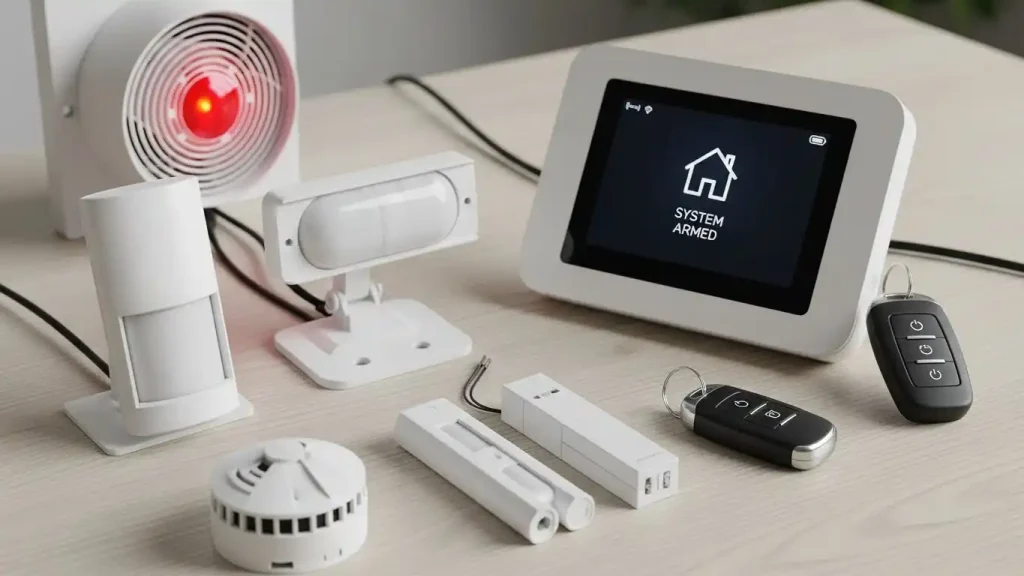
Not all smart devices are created equal when it comes to security. When building your smart ecosystem, consider the following:
- Reputation of the manufacturer: Choose brands known for prioritizing security and providing regular updates.
- Transparency: Look for devices with clear privacy policies and user-friendly security settings.
- Compatibility: Devices that integrate with established platforms (such as Apple HomeKit, Google Home, or Amazon Alexa) often benefit from additional security layers.
- Community support: Products with active user communities and support forums are more likely to have quick solutions for emerging issues.
For more insights into how technology is shaping home protection, explore the future of home protection technology and the trends driving innovation in this space.
Advanced Strategies for Connected Device Risk Management
Beyond the basics, there are advanced measures you can take to further reduce risks:
Implement Network Monitoring Tools
Network monitoring solutions can help you detect unusual traffic patterns or unauthorized devices on your network. Some routers offer built-in monitoring, while third-party tools provide more granular control.
Enable Two-Factor Authentication (2FA)
Whenever possible, activate 2FA on device management accounts. This adds a second layer of verification, making it harder for attackers to gain access even if your password is compromised.
Regularly Audit Device Inventory
Keep an up-to-date list of all connected devices in your home. Remove or disable devices you no longer use to minimize your attack surface.
Consider Professional Monitoring Services
Some security providers offer proactive monitoring for smart homes. For example, proactive video monitoring for home security can alert you to suspicious activity and provide rapid response in case of incidents.
Maintaining Privacy and Compliance
Protecting your smart ecosystem isn’t just about preventing hacks—it’s also about safeguarding your privacy. Here are some tips to help you stay compliant and private:
- Review and adjust privacy settings on each device to limit data sharing.
- Be mindful of devices with cameras or microphones, and disable them when not needed.
- Understand how your data is stored and processed by device manufacturers.
- Familiarize yourself with local regulations regarding data protection and smart devices.
For those concerned about other aspects of home safety, our resources on home hygiene protection systems and rodent detection for homes offer additional guidance on keeping your living space secure and healthy.
Integrating Risk Management into Daily Life
Building a secure smart home is not a one-time task. It requires ongoing attention and adaptation as technology evolves. Here are some habits to incorporate into your routine:
- Schedule regular security reviews to check for updates and audit device settings.
- Educate household members about safe device usage and the importance of strong passwords.
- Stay informed about new threats and best practices by following reputable cybersecurity sources.
- Consider using crawl space monitoring solutions to extend protection to often-overlooked areas of your home.
FAQ: Smart Device Security and Management
What are the most common vulnerabilities in smart home devices?
Typical vulnerabilities include weak or default passwords, outdated firmware, unsecured network connections, and excessive data sharing. Addressing these issues through strong authentication, regular updates, and careful configuration can significantly reduce risk.
How can I tell if a smart device has been compromised?
Signs of compromise may include unexpected device behavior, unknown devices on your network, frequent disconnections, or receiving alerts about failed login attempts. Monitoring device logs and using network scanning tools can help you spot suspicious activity early.
Is it safe to use smart devices from lesser-known brands?
While some lesser-known brands offer innovative features, they may not prioritize security or provide regular updates. Always research the manufacturer’s reputation, check for active support channels, and review user feedback before integrating new devices into your ecosystem.
Do I need professional help to secure my smart home?
Many security measures can be implemented by homeowners, such as updating passwords and enabling two-factor authentication. However, for complex setups or if you manage a large number of devices, consulting a professional or using managed security services can provide additional peace of mind.
By following these strategies and staying vigilant, you can enjoy the benefits of a connected lifestyle while minimizing risks. Prioritizing connected device risk management ensures your smart home remains a safe and comfortable place for everyone.