
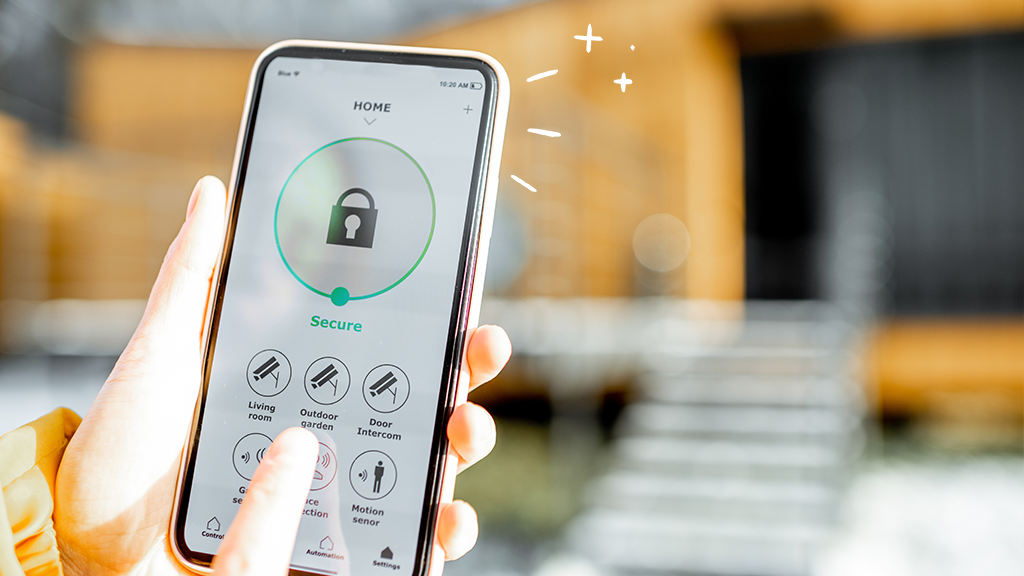
Maintaining a clean and healthy home environment has become more important than ever. With the rise of new technologies and increased awareness about germs and allergens, many households are turning to home hygiene protection systems to safeguard their living spaces. These solutions go beyond basic cleaning, integrating smart devices, advanced filtration, and proactive monitoring to reduce the risk of illness and create a safer, more comfortable home.
In this article, you’ll discover how modern hygiene systems work, what features to look for, and how to choose the right setup for your needs. We’ll also explore the benefits of integrating smart technology and offer practical tips for maximizing your home’s cleanliness and safety. For those interested in the latest advancements in residential security and wellness, you may also want to read about next-generation home security systems and how they complement hygiene-focused solutions.
Understanding Modern Home Hygiene Protection Systems
Today’s hygiene solutions for the home combine traditional cleaning practices with smart technology and automated monitoring. These systems are designed to detect, prevent, and eliminate germs, allergens, and other contaminants. They often include:
- Air purification units with HEPA or UV-C filtration
- Smart sensors for humidity, air quality, and temperature
- Automated cleaning robots and disinfecting devices
- Touchless entry systems and hands-free fixtures
- Integrated alerts and remote monitoring via mobile apps
By leveraging these technologies, homeowners can create a multi-layered defense against bacteria, viruses, mold, and dust, reducing the risk of respiratory issues and cross-contamination.
Key Features to Look for in a Hygiene-Focused Home Setup
When evaluating different home hygiene protection systems, certain features can make a significant difference in effectiveness and convenience. Consider the following:
- Real-time air quality monitoring to detect pollutants and allergens
- Automated cleaning schedules for robotic vacuums and mops
- Smart filtration systems that notify you when filters need replacement
- Touchless controls for faucets, lights, and doors
- Integration with home automation platforms for centralized control
Some systems also offer compatibility with voice assistants, making it easier to manage your home’s hygiene with simple commands. For families with elderly members or those with health concerns, pairing hygiene systems with medical alert systems for home use can provide an extra layer of safety and peace of mind.
Smart Technology and Automation for a Cleaner Home
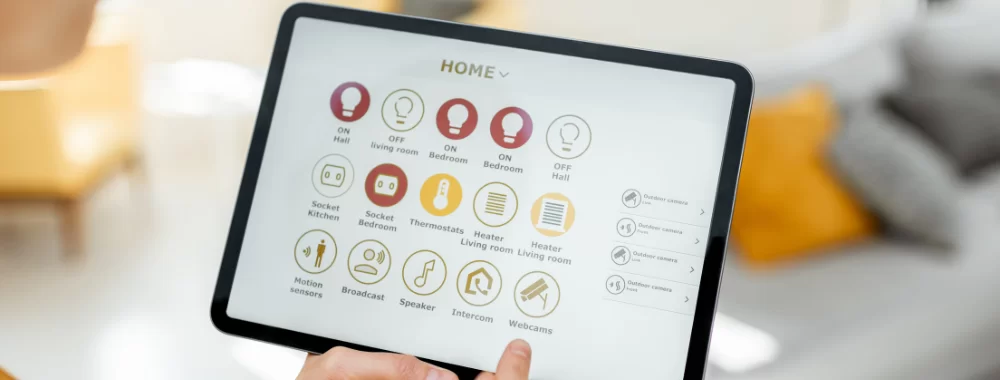
Smart home devices have revolutionized the way we approach cleanliness and safety. Automated vacuums, mops, and air purifiers can be scheduled to run at optimal times, ensuring that high-traffic areas remain free of dust and germs. Many of these devices are equipped with sensors that detect dirt or changes in air quality, triggering cleaning cycles or sending alerts to your phone.
For those interested in advanced solutions, integrating future of home protection technology trends can further enhance your home’s defense against contaminants. Features like AI-driven cleaning robots, antimicrobial surfaces, and remote monitoring are becoming increasingly accessible and affordable.
Benefits of Comprehensive Hygiene Solutions
Adopting a holistic approach to home cleanliness offers several advantages:
- Reduced risk of illness: Consistent air and surface cleaning helps minimize exposure to viruses and bacteria.
- Improved indoor air quality: Advanced filtration removes allergens, pet dander, and pollutants.
- Convenience: Automation saves time and ensures regular maintenance, even when you’re away.
- Peace of mind: Real-time monitoring and alerts keep you informed about your home’s hygiene status.
These benefits are especially valuable for households with children, elderly family members, or anyone with allergies or respiratory conditions.
Choosing the Right Hygiene System for Your Home
Selecting the best protection system depends on your household’s unique needs. Here are a few steps to guide your decision:
- Assess your priorities: Do you need more focus on air quality, surface disinfection, or both?
- Consider your home’s layout: Larger homes may benefit from multiple air purifiers or cleaning robots.
- Check compatibility: Ensure new devices can integrate with your existing smart home platform.
- Set a budget: Balance upfront costs with long-term savings from improved health and reduced cleaning supplies.
- Look for trusted brands: Read reviews and choose products with proven reliability and support.
For those planning major upgrades, combining hygiene solutions with safe room planning at home can create a comprehensive safety net for your family.
Integrating Hygiene Protection with Home Security
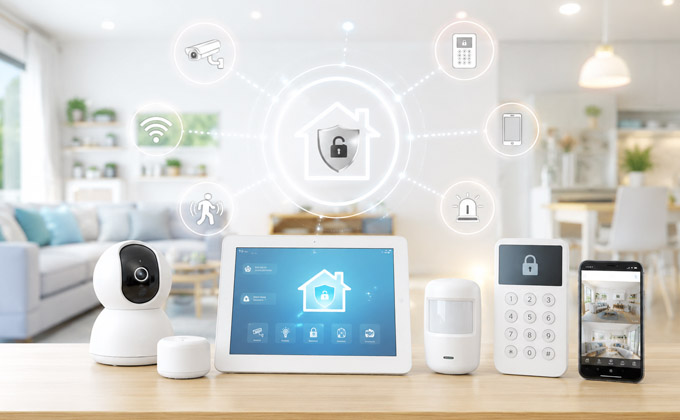
Many modern systems offer dual benefits, enhancing both cleanliness and security. For example, smart locks and touchless entry systems reduce the spread of germs while also preventing unauthorized access. Some security platforms now include environmental sensors that detect smoke, carbon monoxide, or even water leaks, providing a holistic approach to home safety.
To learn more about the intersection of hygiene and security, consider exploring elderly safety monitoring at home for insights on how technology can support independent living and well-being.
For additional strategies on safeguarding your home, the proactive home protection guide offers valuable tips on risk management and prevention.
Maintenance Tips for Long-Term Hygiene
Once your system is in place, regular maintenance is essential for optimal performance:
- Replace air and water filters as recommended by the manufacturer
- Clean and inspect robotic devices to prevent buildup and ensure efficiency
- Update software and firmware for smart devices to patch vulnerabilities
- Test sensors and alarms periodically to confirm proper function
- Review usage data and adjust settings for changing seasons or household routines
Staying proactive with upkeep helps extend the lifespan of your devices and keeps your home environment as healthy as possible.
FAQ
What Is the Difference Between a Hygiene Protection System and a Standard Cleaning Routine?
While traditional cleaning relies on manual tasks like sweeping, mopping, and dusting, a hygiene protection system incorporates smart technology, automation, and real-time monitoring. These systems provide continuous defense against germs and allergens, often working in the background to maintain a cleaner home with less effort.
Are Smart Hygiene Devices Difficult to Install?
Most modern devices are designed for easy installation, often requiring only a Wi-Fi connection and a mobile app. Many products offer step-by-step guides, and some even provide professional installation if needed. Always check compatibility with your existing smart home setup before purchasing.
How Can I Ensure My Hygiene System Remains Effective Over Time?
Regular maintenance is key. Replace filters, clean sensors, and update software as recommended. Monitor device alerts and usage data to identify any issues early. Scheduling periodic reviews of your system ensures it continues to meet your household’s needs.




