
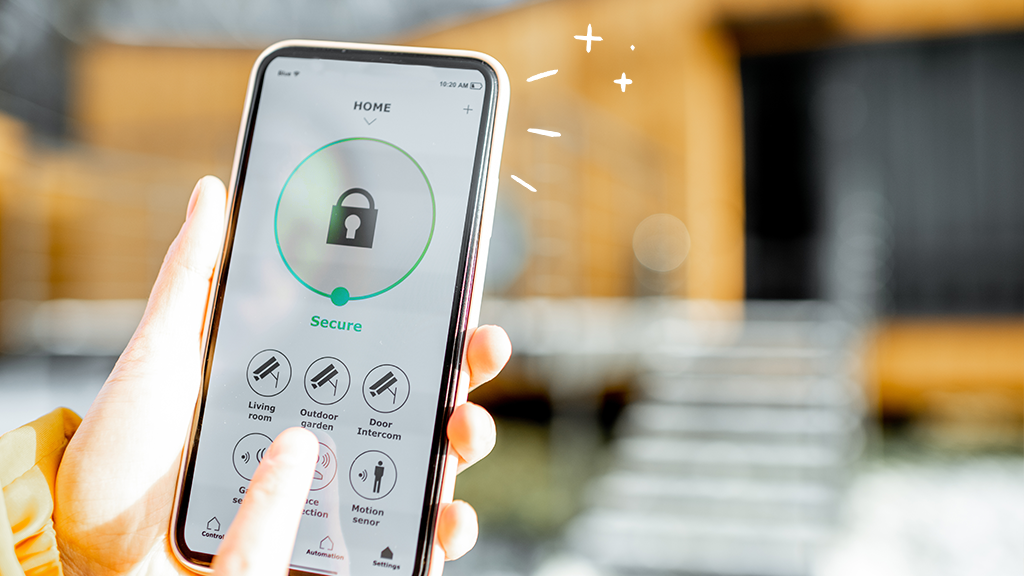
Proactive home protection is changing the way people think about keeping their homes safe. Instead of only reacting to problems after they happen, this approach focuses on anticipating risks and taking steps to prevent them. With the rise of smart technology and integrated security systems, homeowners now have more tools than ever to stay ahead of threats—whether those threats are break-ins, fire, water leaks, or even pest infestations.
Understanding the principles behind this modern approach can help you make informed decisions about your own security and maintenance strategies. If you’re interested in the latest advancements, you might also want to explore next-generation home security systems to see how technology is shaping the future of residential safety.
Defining Proactive Home Security
Traditional home security often relies on alarms that sound after a break-in or cameras that record events as they happen. In contrast, proactive home protection uses technology and planning to identify and address risks before they turn into real problems. This can include:
- Installing smart sensors that detect unusual activity or environmental changes
- Automated alerts for doors or windows left open
- Routine system health checks and maintenance reminders
- Integrating fire, water, and air quality monitoring
- Using artificial intelligence to analyze patterns and predict threats
By combining these elements, homeowners can reduce the chances of emergencies and minimize damage if something does go wrong.
Key Components of a Proactive Approach
There are several elements that set this strategy apart from reactive methods. Here’s what makes a home truly proactive in its protection:
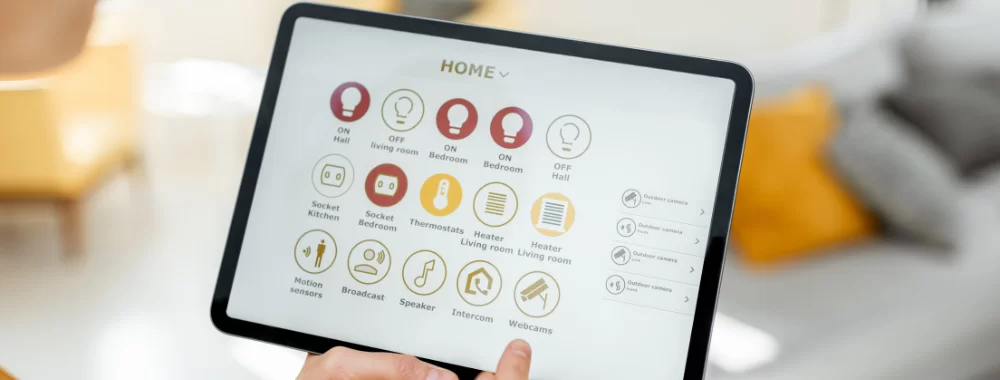
- Smart Home Devices: These include motion detectors, smart locks, video doorbells, and environmental sensors. They provide real-time data and can be controlled remotely.
- Integrated Systems: When devices communicate with each other, you get a more complete picture of your home’s status. For example, a water leak sensor can trigger a smart valve to shut off the water supply.
- Predictive Analytics: Some advanced systems use machine learning to spot unusual patterns, like repeated failed attempts to unlock a door or abnormal temperature changes.
- Preventive Maintenance: Automated reminders for tasks like changing air filters or checking for leaks help prevent small issues from becoming major headaches.
For those interested in keeping their living space clean and safe, home hygiene protection systems are another example of how proactive strategies can extend beyond security to overall wellness.
Benefits of Staying Ahead of Risks
Adopting a forward-thinking mindset for home safety offers several advantages:
- Reduced Losses: Early detection of water leaks, fires, or intrusions can prevent costly damage and loss of valuables.
- Peace of Mind: Knowing that your home is being monitored around the clock allows you to relax, whether you’re at home or away.
- Lower Insurance Costs: Some insurers offer discounts for homes equipped with advanced monitoring and prevention systems.
- Convenience: Automation and remote control features make it easier to manage your home’s safety from anywhere.
For a deeper look at how technology is shaping these benefits, check out the future of home protection technology and see what trends are emerging in this fast-growing field.
How to Implement Proactive Strategies at Home
Getting started doesn’t have to be overwhelming. Here are some practical steps to make your home more secure and resilient:
- Assess Your Risks: Identify the most likely threats to your property—such as burglary, fire, flooding, or pests.
- Choose the Right Tools: Invest in smart alarms, cameras, and environmental sensors that fit your needs and budget.
- Integrate Systems: Look for solutions that can work together, providing a unified dashboard or app for easy monitoring.
- Set Up Alerts: Configure notifications for unusual activity, system malfunctions, or maintenance reminders.
- Review Regularly: Periodically check your system’s performance and update devices as needed.
For homes with unique vulnerabilities, such as crawl spaces or rodent issues, consider specialized solutions like rodent detection for homes or crawl space monitoring solutions to address those specific risks.
Common Technologies Used for Prevention
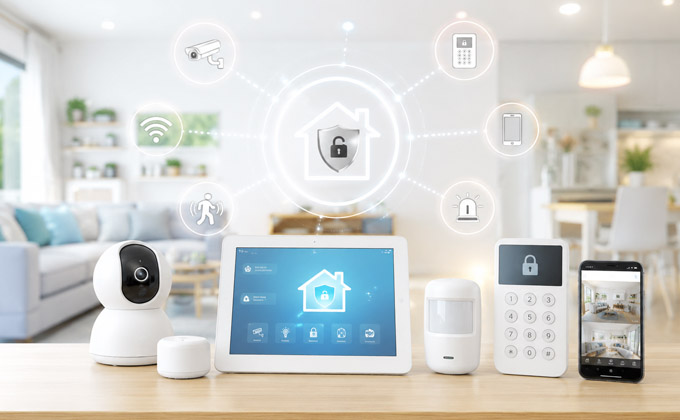
The following devices and solutions are commonly found in homes that prioritize prevention:
| Technology | Purpose | Example Features |
|---|---|---|
| Smart Alarms | Detect unauthorized entry or hazards | Mobile alerts, remote arming/disarming |
| Environmental Sensors | Monitor for smoke, carbon monoxide, water leaks | Automatic shutoff, real-time notifications |
| Video Surveillance | Monitor activity inside and outside the home | Live streaming, cloud storage, AI motion detection |
| Energy Monitors | Track energy usage and detect anomalies | Usage reports, appliance monitoring |
| Smart Locks | Control access to your home | Keyless entry, activity logs, temporary codes |
Choosing the right combination of these technologies can help you build a customized solution that fits your lifestyle and risk profile.
Personal Risk Management and Insurance Implications
Being proactive isn’t just about technology—it’s also about planning. Creating a personal risk management plan ensures you’re ready for unexpected events. This might include:
- Documenting your home’s valuables
- Reviewing and updating insurance policies
- Establishing emergency contacts and procedures
Many insurance providers recognize the value of prevention. According to this personal risk management guide, taking these steps can lead to better coverage and lower premiums.
Challenges and Considerations
While the benefits are clear, there are some challenges to keep in mind:
- Privacy: More devices mean more data. Make sure to secure your network and review privacy settings.
- Cost: Upfront investment in smart devices can be significant, but long-term savings and peace of mind often outweigh the initial expense.
- Maintenance: Technology requires regular updates and occasional troubleshooting to remain effective.
Weighing these factors will help you decide which solutions are right for your household.
FAQ
How does proactive home protection differ from traditional security?
Traditional systems usually alert you after an incident has occurred, such as a break-in or fire. In contrast, a proactive approach uses technology and planning to anticipate and prevent threats before they happen, offering earlier warnings and automated responses.
What are the most important devices for a proactive home?
Key devices include smart alarms, environmental sensors (for smoke, carbon monoxide, and water leaks), video cameras with AI detection, and smart locks. Integrating these devices into a single system maximizes their effectiveness.
Can proactive home protection save money on insurance?
Yes, many insurance companies offer discounts for homes equipped with advanced monitoring and prevention systems. By reducing the risk of costly claims, these technologies can lower your premiums over time.
Is it difficult to set up a proactive system?
Most modern devices are designed for easy installation and can be managed through user-friendly apps. Professional installation is also available for more complex systems or larger homes.
Taking a forward-thinking approach to home safety is an investment in your property, your peace of mind, and your family’s well-being. By staying informed and leveraging the latest technology, you can create a safer, smarter living environment for years to come.




