Keeping your home secure and hazard-free is a year-round responsibility. Each season brings its own set of challenges, from winter storms to summer heatwaves, and a thorough home safety inspection guide can help you stay ahead of potential risks. Whether you’re a new homeowner or looking to update your routine, this article provides a practical, step-by-step approach to safeguarding your living space throughout the year.
By following a structured checklist and integrating modern technology, you can protect your family, property, and peace of mind. For those interested in the latest innovations, exploring next-generation home security systems can further enhance your home’s protection.
Why Seasonal Home Safety Checks Matter
Homes are dynamic environments. Weather, wear and tear, and evolving technology all impact the safety of your space. Conducting regular inspections helps you:
- Identify and address hazards before they become emergencies
- Maintain compliance with insurance or local regulations
- Protect your investment and reduce costly repairs
- Ensure the well-being of everyone in your household
Integrating a home safety inspection guide into your seasonal routine ensures nothing gets overlooked, from smoke detectors to smart security devices.
Spring: Refresh and Reset Your Home’s Safety
As the weather warms up, spring is the perfect time to address issues that may have developed over winter. Use this checklist to get started:
- Test smoke and carbon monoxide detectors. Replace batteries and confirm alarms are functional.
- Inspect electrical outlets and cords. Look for fraying, exposed wires, or overloaded power strips.
- Clean dryer vents and exhaust fans. Lint buildup is a common fire hazard.
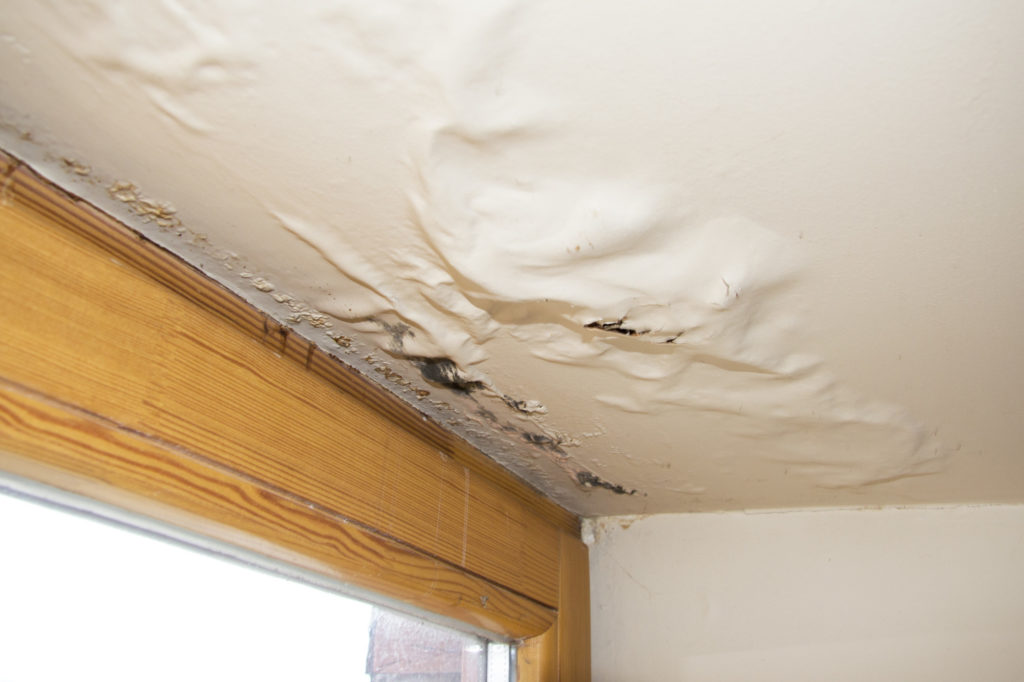
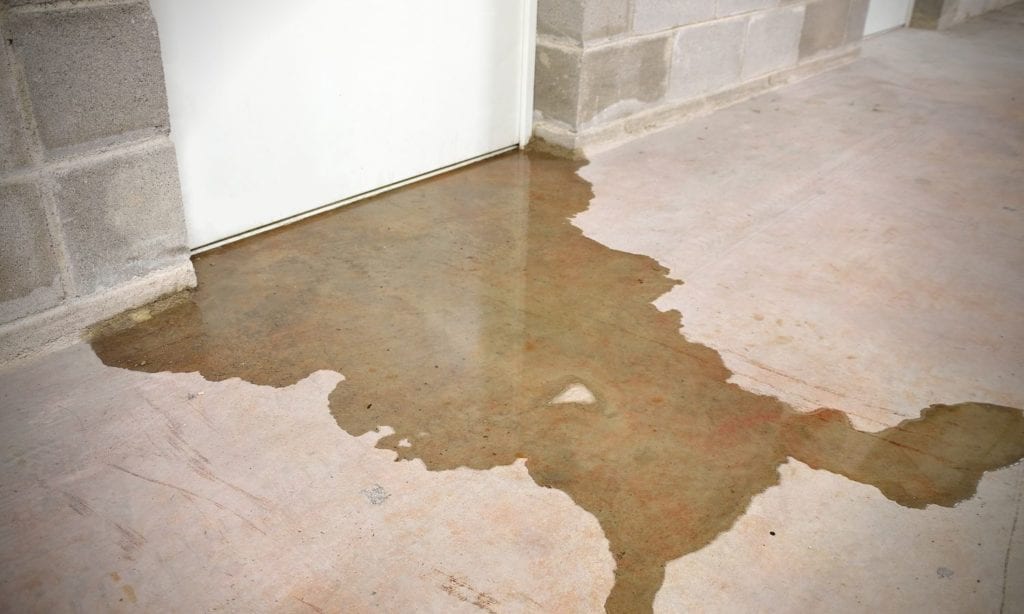
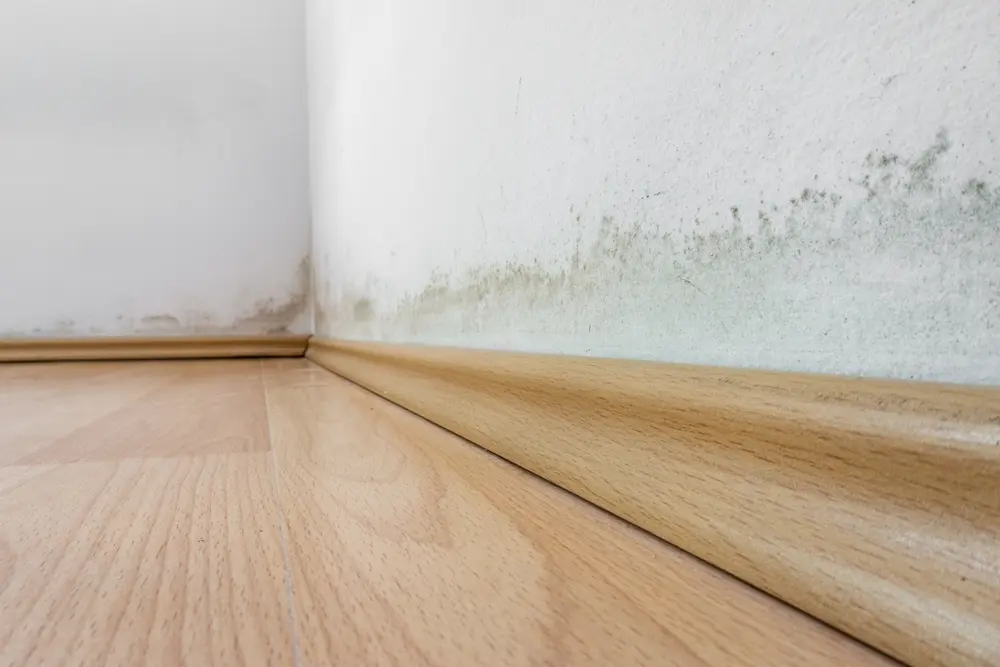
- Check for water leaks. Inspect under sinks, around appliances, and in the basement or crawl space.
- Examine outdoor lighting and security cameras. Replace bulbs and clean camera lenses for clear visibility.
For those with crawl spaces, consider reviewing crawl space monitoring solutions to prevent moisture and pest issues.

Summer: Prepare for Heat and Storms
Summer brings high temperatures and, in many regions, severe weather. Focus your inspection on:
- Test ground fault circuit interrupters (GFCIs). These outlets prevent electrical shock, especially in kitchens, bathrooms, and outdoor areas.
- Check air conditioning units and fans. Clean filters and ensure proper ventilation to avoid overheating.
- Secure windows and doors. Make sure locks are sturdy and screens are intact to keep out pests.
- Review emergency supplies. Stock up on flashlights, batteries, bottled water, and a first aid kit.
- Trim trees and clear gutters. Remove debris that could damage your home during storms.
For more on keeping your living space healthy, see home hygiene protection systems for tips on maintaining a germ-free environment.
Fall: Get Ready for Colder Weather
As temperatures drop, it’s time to prepare your home for winter’s challenges. Use this fall checklist:
- Service your heating system. Schedule professional maintenance for furnaces or boilers.
- Inspect chimneys and fireplaces. Clean out soot and check for blockages.
- Test smoke and CO detectors again. Heating appliances increase risk of fire and carbon monoxide leaks.
- Seal windows and doors. Prevent drafts and reduce energy costs by applying weatherstripping.
- Store outdoor furniture and secure loose items. Protect against wind and snow damage.
Rodents often seek shelter indoors as it gets colder. For prevention strategies, review rodent detection for homes and keep your space pest-free.

Winter: Defend Against Cold and Emergencies
Winter weather can be harsh, so focus on preventing accidents and ensuring your home is ready for emergencies:
- Check insulation and pipes. Insulate exposed pipes to prevent freezing and bursting.
- Test backup power sources. Make sure generators or battery backups are operational.
- Keep walkways clear. Remove snow and ice to prevent slips and falls.
- Monitor for carbon monoxide. Use detectors, especially if you use gas or wood-burning appliances.
- Review your emergency plan. Make sure all family members know what to do in case of fire, power outage, or severe weather.
For additional proactive tips, check out these proactive home security strategies to keep your property safe year-round.
Smart Technology and Modern Safety Tools
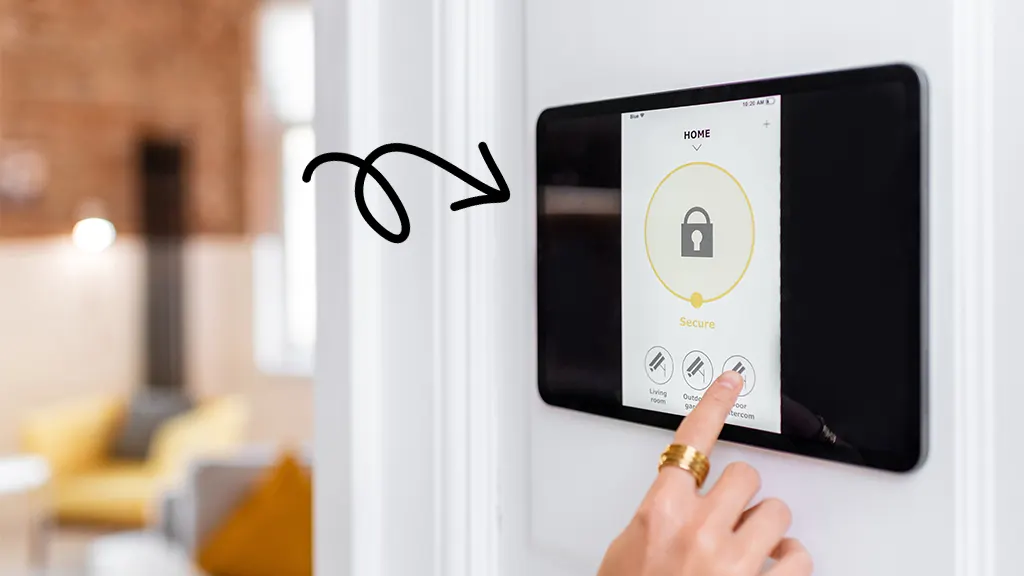
Today’s home safety inspection guide isn’t complete without considering smart devices. These tools can automate checks, send alerts, and give you peace of mind:
- Smart alarms and sensors: Detect smoke, carbon monoxide, leaks, and motion.
- Security cameras: Monitor your property remotely and store footage in the cloud.
- Energy monitors: Track usage and identify potential electrical hazards.
- Automated lighting: Deter intruders and improve safety during power outages.
For a look at what’s next in home protection, see the future of home protection technology and how it can fit into your seasonal checklist.
Creating Your Own Seasonal Inspection Checklist
Every home is unique, so tailor your checklist to your property’s features and local climate. Here’s a template to help you get started:
| Season | Key Tasks |
|---|---|
| Spring | Test alarms, inspect outlets, clean vents, check for leaks, review outdoor security |
| Summer | Test GFCIs, service AC, secure windows, stock emergency supplies, trim trees |
| Fall | Service heating, inspect chimney, seal drafts, store outdoor items, test detectors |
| Winter | Check insulation, test backup power, clear walkways, monitor CO, review emergency plan |
Update your checklist each year as your home and technology evolve. Involving all household members in the process ensures everyone knows how to stay safe.
FAQ: Home Safety Inspections Throughout the Year
How often should I perform a home safety inspection?
It’s best to conduct a thorough inspection at the start of each season. Some tasks, like testing smoke alarms, should be done more frequently—every month or at least quarterly.
What are the most common hazards found during inspections?
Frequent issues include faulty smoke or CO detectors, electrical hazards, blocked exits, water leaks, and unsecured doors or windows. Seasonal changes can also reveal new risks, such as ice buildup or pest entry points.
Can smart home devices replace manual inspections?
Smart devices are valuable tools for monitoring and alerts, but they should complement—not replace—regular hands-on checks. Combining technology with routine inspections offers the most comprehensive protection.
Conclusion
Staying proactive with a seasonal home safety inspection guide is one of the most effective ways to protect your household. By following the checklists, leveraging smart technology, and keeping up with the latest trends, you can address hazards before they escalate. Remember, a safe home is a happy home—so make inspection a regular part of your routine.