
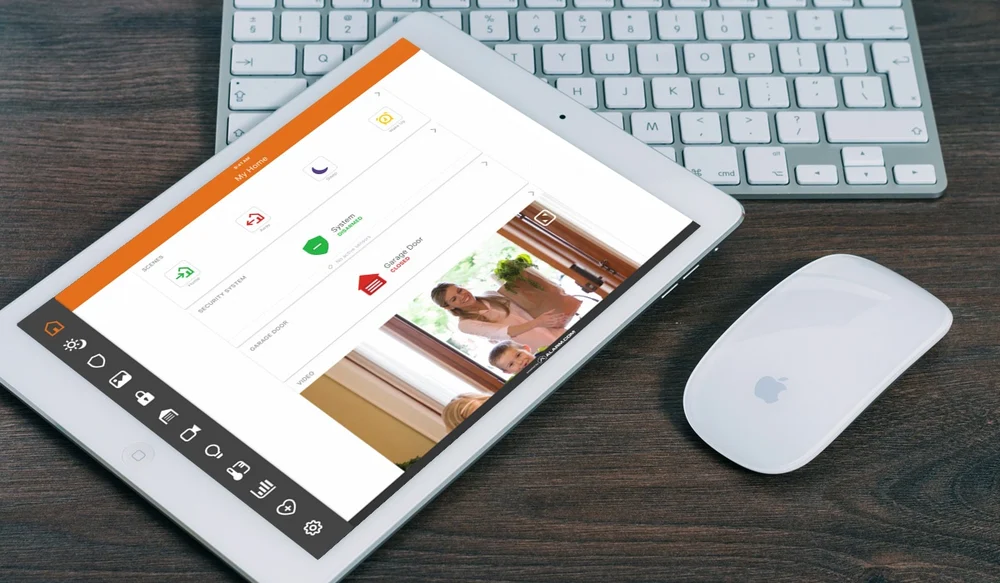
Home security is evolving rapidly, and smart alarm systems for homes are at the forefront of this transformation. These advanced solutions offer more than just basic intrusion detection—they provide real-time alerts, remote control, and seamless integration with other smart devices. Whether you’re looking to deter burglars, monitor your property from anywhere, or simply gain peace of mind, upgrading to a connected alarm system can make a significant difference.
As homeowners become more aware of the latest security technologies, the demand for intelligent alarm solutions continues to grow. In this article, we’ll explore the key features, benefits, and considerations for choosing a smart alarm setup, helping you make informed decisions for your property’s protection.
For those interested in exploring even more advanced options, our guide on next-generation home security systems covers the latest features you need to know about.
Why Choose a Connected Alarm System?
Traditional security alarms have served homeowners for decades, but modern connected solutions offer a range of advantages that go far beyond basic protection. Here’s why many are making the switch:
- Remote Monitoring: Check your home’s status and receive instant alerts on your smartphone, no matter where you are.
- Integration: Connect with other smart devices like cameras, door locks, and lighting for a unified security experience.
- Customizable Alerts: Set up notifications for specific events—such as motion detection, door openings, or smoke alarms.
- Deterrence: Visible smart devices and automated lighting can discourage potential intruders.
- Easy Upgrades: Add or remove sensors and devices as your needs change, without rewiring your home.
Key Features of Smart Alarm Systems for Homes
When evaluating different options, it’s important to understand the core features that set these systems apart. Here are some of the most valuable capabilities to look for:
- Wireless Sensors: Modern alarms use wireless door, window, and motion sensors for easy installation and flexibility.
- Mobile App Control: Manage your system, arm/disarm, and view event history through a dedicated app.
- Smart Home Compatibility: Many systems work with platforms like Alexa, Google Assistant, or Apple HomeKit for voice control and automation.
- 24/7 Professional Monitoring: Some providers offer optional monitoring services that can dispatch emergency responders if needed.
- Environmental Sensors: Add-ons like smoke, carbon monoxide, and water leak detectors help protect against more than just break-ins.
Comparing Smart and Traditional Security Solutions
Understanding the differences between connected and conventional systems can help you choose the best fit for your needs. Here’s a quick comparison:
| Feature | Traditional Alarms | Smart Alarms |
|---|---|---|
| Installation | Often requires professional setup | DIY-friendly, wireless options |
| Remote Access | Limited or unavailable | Full control via app |
| Integration | Standalone | Works with other smart devices |
| Customization | Fixed features | Highly customizable |
| Monitoring | Usually requires subscription | Optional, with self-monitoring available |
Installation and Setup: What to Expect
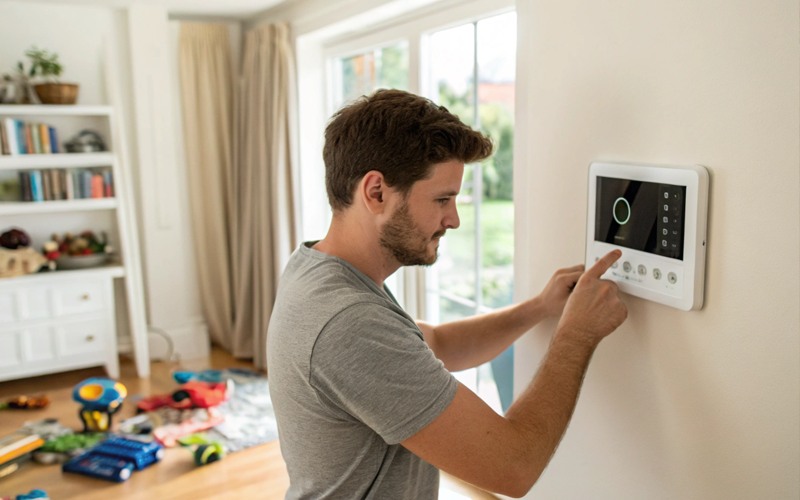
Most modern smart alarm systems for homes are designed for straightforward installation. Many kits come with peel-and-stick sensors and intuitive setup guides, making it possible for homeowners to get up and running in under an hour. Here are a few tips to ensure a smooth process:
- Plan sensor placement to cover entry points and high-traffic areas.
- Test each sensor after installation to confirm connectivity.
- Download the manufacturer’s app and follow the pairing instructions.
- Set up user accounts and permissions for family members.
- Consider integrating with other smart devices for enhanced automation.
If you’re interested in broader smart home upgrades, check out our article on smart homeowner solutions for more ways to streamline your living space.
Enhancing Safety with Additional Smart Devices
While a connected alarm system forms the backbone of modern home security, pairing it with other smart devices can further boost safety and convenience. Consider adding:
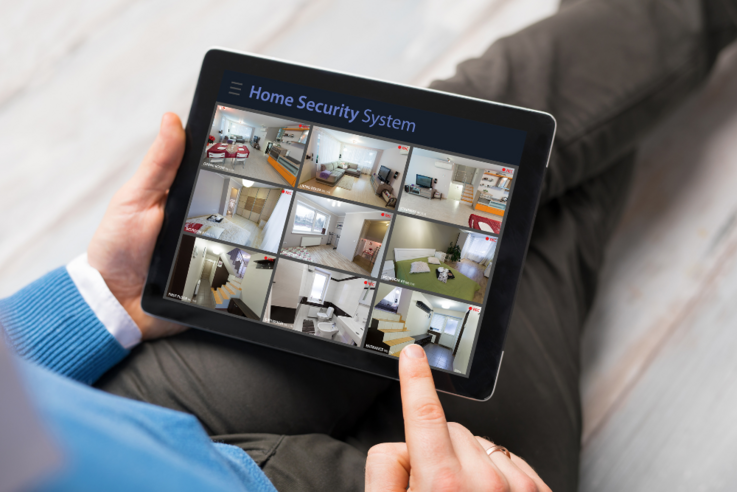
- Smart Cameras: Get live video feeds and motion-triggered recordings.
- Video Doorbells: See and communicate with visitors remotely.
- Smart Locks: Grant or revoke access without physical keys.
- Environmental Monitors: Detect smoke, carbon monoxide, or water leaks for comprehensive protection.
For more on protecting your home from hazards like fire, see this fire damage prevention guide with critical steps every homeowner should know.
Choosing the Right System for Your Home
With so many options available, selecting the best alarm solution can feel overwhelming. Here are a few factors to consider:
- Home Size: Larger homes may require more sensors and extended wireless range.
- Integration Needs: If you already use smart home devices, look for systems that support your preferred ecosystem.
- Budget: Compare upfront costs, subscription fees, and optional monitoring services.
- Ease of Use: Choose a system with a user-friendly app and clear setup instructions.
- Expandability: Opt for solutions that allow you to add devices as your needs change.
For a look at future trends in home protection, our article on the future of home protection technology highlights what’s on the horizon for smart security.
Frequently Asked Questions
Are smart alarm systems for homes easy to install?
Yes, most modern systems are designed for DIY installation. Wireless sensors and intuitive apps make setup straightforward, often requiring no special tools or professional assistance.
Can I monitor my home when I’m away?
Absolutely. One of the main benefits of these systems is remote access. You can receive real-time alerts, check camera feeds, and control your alarm from anywhere using your smartphone.
Do I need to pay for professional monitoring?
It depends on your preferences. Many systems offer optional 24/7 monitoring for a monthly fee, but self-monitoring through your phone is also common and effective for many homeowners.
How do smart alarms improve over traditional systems?
They offer greater flexibility, remote control, and integration with other smart devices. This allows for more comprehensive protection and convenience compared to older, standalone alarms.
What happens if my Wi-Fi goes down?
Most systems have backup features, such as cellular connectivity or local alarms, to ensure your home remains protected even if your internet connection is interrupted.
Upgrading to a connected alarm system is a practical step toward a safer, smarter home. With the right setup, you can enjoy peace of mind, convenience, and the confidence that your property is protected by the latest in security technology.




