
Water leaks that go unnoticed can cause significant damage to your property, increase utility bills, and even threaten your home’s structural integrity. While some leaks are obvious, many remain hidden behind walls, under floors, or in crawl spaces. Hidden leak detection in homes is essential for proactive homeowners who want to avoid costly repairs and maintain a safe, healthy living environment.
This article explores practical methods, modern technologies, and expert tips for finding concealed water issues before they escalate. We’ll also highlight how smart devices and risk management strategies can help you protect your investment and peace of mind.
For those interested in a broader approach to home protection, consider exploring next-generation home security systems that integrate leak detection with other smart safety features.
Why Undetected Leaks Are a Serious Problem
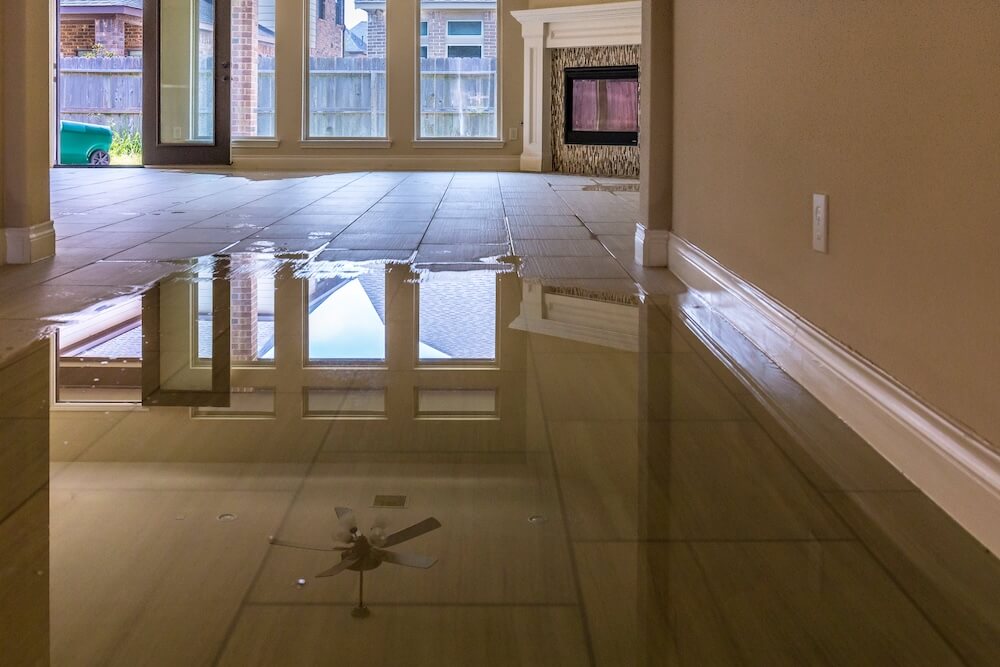
Water leaks that remain out of sight can lead to a range of issues, including:
- Mold growth that affects indoor air quality and health
- Structural damage to wood, drywall, and foundations
- Increased water bills due to wasted resources
- Electrical hazards if water reaches wiring or outlets
- Decreased property value from visible and hidden damage
Addressing these risks early is crucial. By making hidden leak detection in homes a routine part of maintenance, you can avoid many of these costly consequences.
Common Signs of Concealed Water Leaks
Even when leaks are not immediately visible, your home may give you subtle clues. Watch for these warning signs:
- Unexplained spikes in your water bill
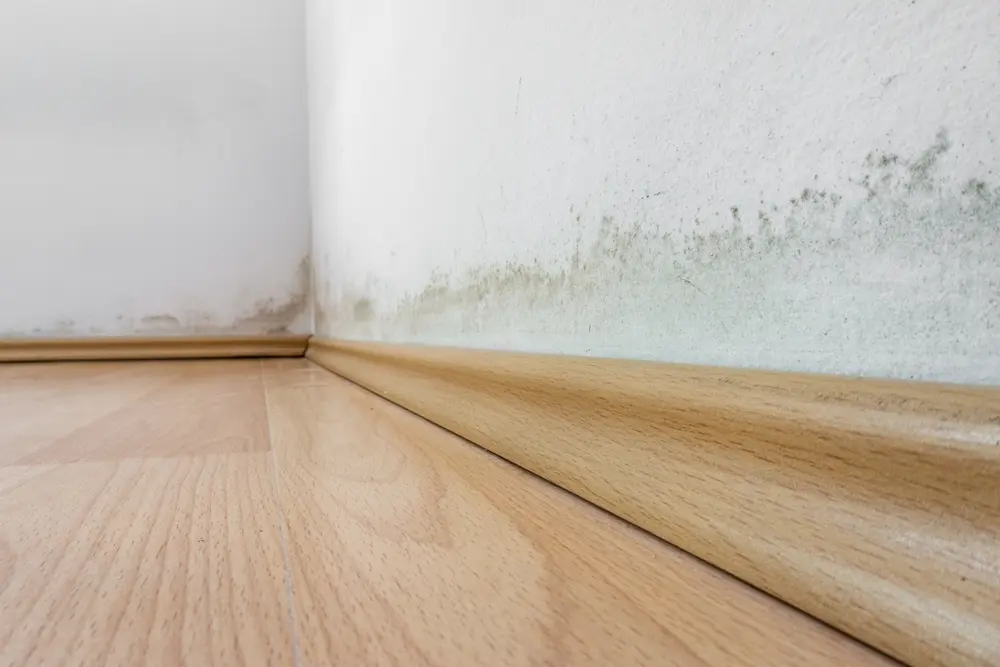
- Musty or damp odors, especially in basements or crawl spaces
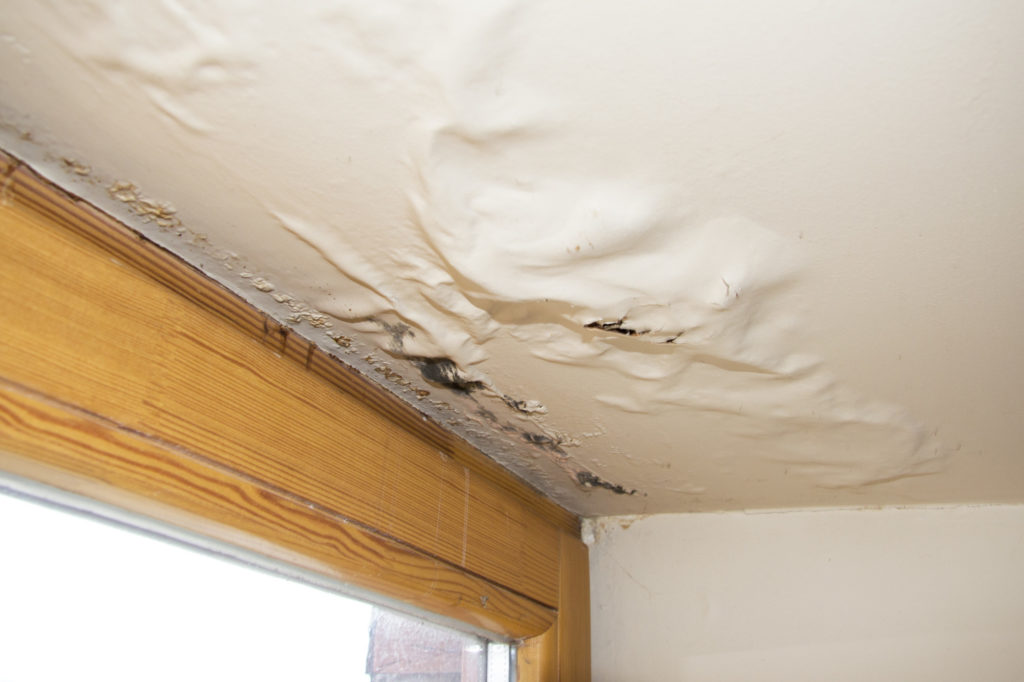
- Stained or warped walls, ceilings, or floors
- Peeling paint or bubbling wallpaper
- Sounds of dripping or running water when all taps are off
- Visible mold or mildew patches
If you notice any of these indicators, it’s time to investigate further or consult a professional.
Modern Tools and Technologies for Leak Detection
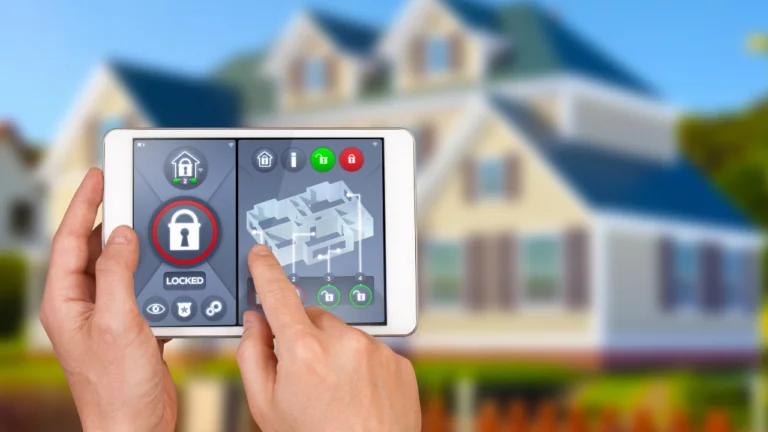
Thanks to advances in smart home technology, homeowners now have access to a range of devices that make it easier to find and monitor water leaks. Some of the most effective solutions include:

- Smart water leak sensors: These compact devices can be placed near appliances, under sinks, or in basements. They alert you via smartphone if moisture is detected.
- Whole-home water monitors: Installed on your main water line, these systems track water usage and can detect unusual patterns that may indicate a leak.
- Acoustic and thermal imaging tools: Professionals use these to “listen” for leaks or spot temperature differences behind walls and floors.
- Wi-Fi enabled shut-off valves: These can automatically turn off your water supply if a major leak is detected, preventing further damage.
Many of these solutions are compatible with smart homeowner solutions for seamless integration into your existing home automation setup.
DIY Leak Detection Methods for Homeowners
While technology is a powerful ally, there are several steps you can take on your own to spot hidden water issues:
- Monitor your water meter: Turn off all water-using appliances and fixtures, then check your meter. If it continues to move, you may have a leak.
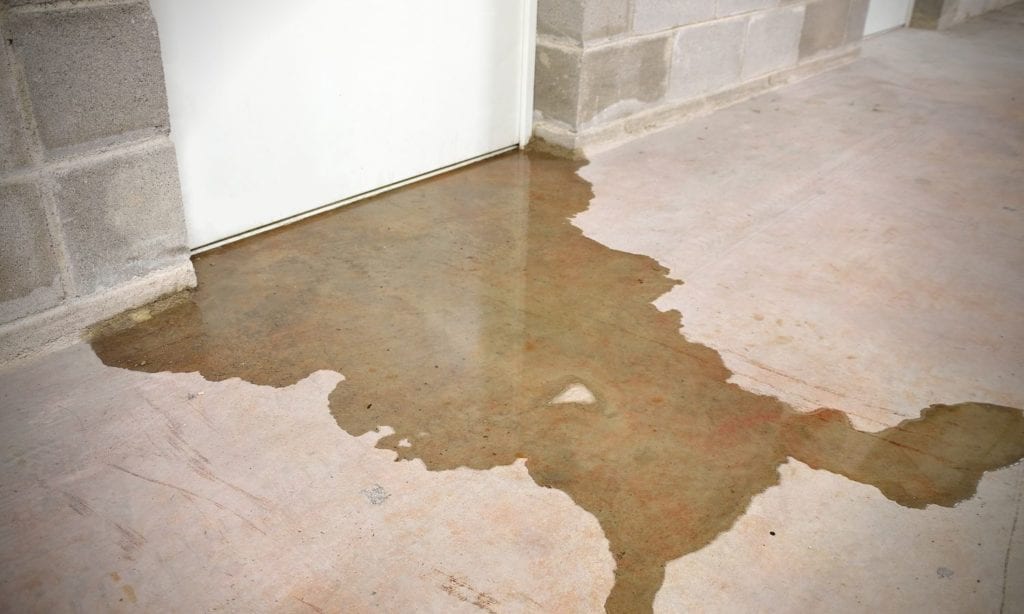
- Inspect visible plumbing: Look under sinks, around toilets, and behind appliances for signs of moisture, corrosion, or pooling water.
- Check crawl spaces and basements: These areas are prone to leaks and often go unchecked. Use a flashlight to look for dampness or mold.
- Test for toilet leaks: Add a few drops of food coloring to your toilet tank. If color appears in the bowl without flushing, you have a slow leak.
For more advanced monitoring, you might consider crawl space monitoring solutions that can alert you to moisture and humidity changes in hard-to-reach areas.
Professional Leak Detection Services
Sometimes, the source of a leak is too well hidden or complex for DIY methods. In these cases, hiring a professional is the best course of action. Experts use specialized equipment such as thermal cameras, moisture meters, and acoustic sensors to pinpoint leaks without unnecessary demolition.
Professional services are especially valuable if you suspect a leak in your foundation, behind finished walls, or under concrete slabs. Early intervention can save thousands in repair costs and help maintain your home’s value.
Integrating Leak Detection with Home Security
Modern home security systems are increasingly offering integrated water monitoring as part of their packages. By combining leak detection with alarms, cameras, and other sensors, you can create a comprehensive safety net for your property.
For a look at how these systems are evolving, check out the latest trends in the future of home protection technology. These innovations make it easier than ever to monitor for water risks, break-ins, and other threats from a single dashboard.
Proactive Risk Management and Insurance Considerations
Taking steps to prevent and detect leaks can also benefit you when it comes to insurance. Many providers offer discounts for homes equipped with smart leak detectors or automatic shut-off valves. Documenting your efforts can make claims easier if you ever experience water damage.
For a comprehensive approach to protecting your property, review this personal risk management guide for proactive home protection. It covers strategies for minimizing risks and maximizing your peace of mind.
Maintenance Tips to Prevent Future Leaks
Prevention is always better than cure. Here are some simple steps to reduce the likelihood of hidden leaks in your home:
- Regularly inspect hoses and connections on appliances like washing machines and dishwashers
- Replace old or brittle plumbing materials
- Ensure gutters and downspouts direct water away from your foundation
- Insulate pipes to prevent freezing and bursting in cold climates
- Schedule annual plumbing inspections
Combining these habits with smart technology and professional support will help keep your home dry and damage-free.
FAQ: Hidden Water Leak Risks and Detection
What are the most common places for hidden leaks in a house?
Hidden leaks often occur behind walls, under floors, in crawl spaces, or around appliances. Bathrooms, kitchens, basements, and areas near water heaters are especially prone to concealed water issues.
How can I tell if I have a hidden water leak?
Look for signs like unexplained increases in your water bill, musty odors, mold growth, or stains on walls and ceilings. Monitoring your water meter and using smart leak sensors can also help identify problems early.
Are smart leak detectors worth the investment?
Yes, smart leak detectors provide real-time alerts and can prevent extensive damage by notifying you of leaks as soon as they occur. Many insurance companies recognize their value and may offer policy discounts for homes that use them.
Can hidden leaks affect my health?
Absolutely. Persistent moisture from undetected leaks can lead to mold and mildew, which may cause respiratory issues and allergies, especially in sensitive individuals.
Conclusion
Detecting water leaks before they become disasters is a critical part of responsible homeownership. By staying alert to warning signs, leveraging modern technology, and maintaining your plumbing system, you can safeguard your home from the costly and disruptive effects of hidden water damage. Integrate these strategies into your regular maintenance routine and explore the latest in smart home protection to ensure your property stays safe, dry, and valuable for years to come.