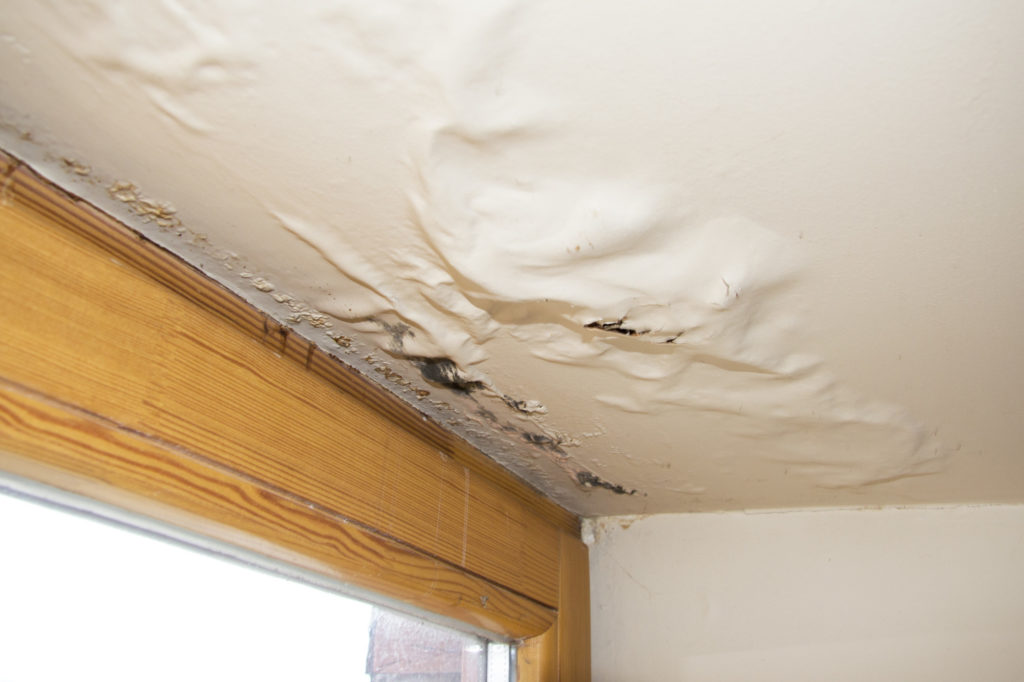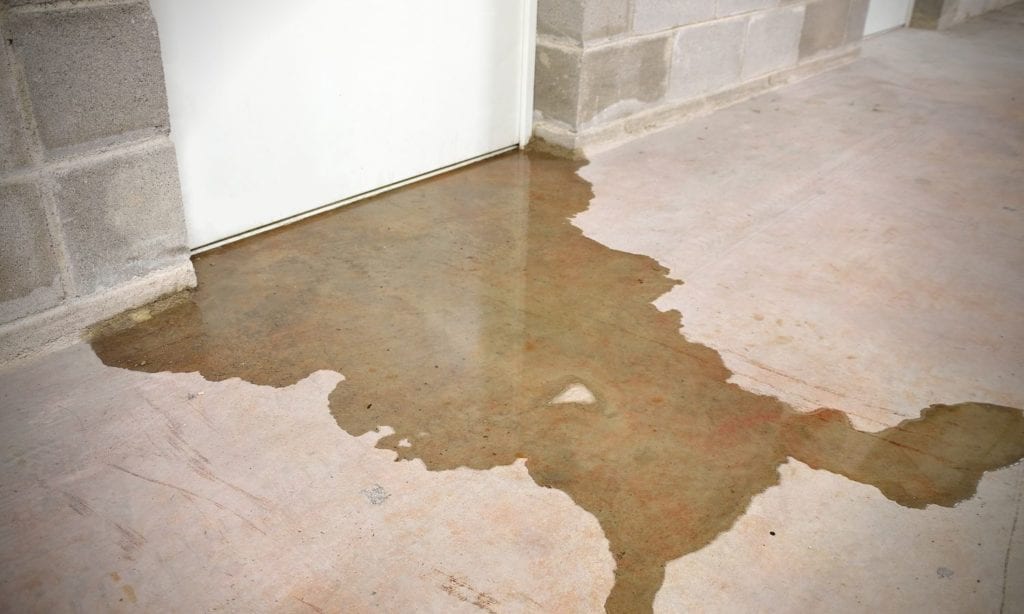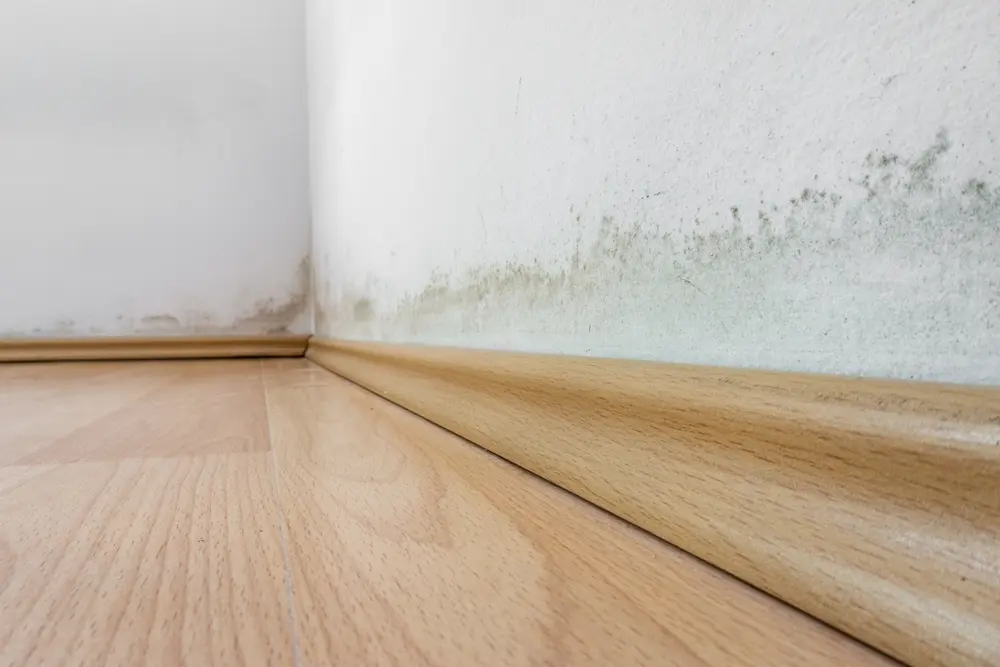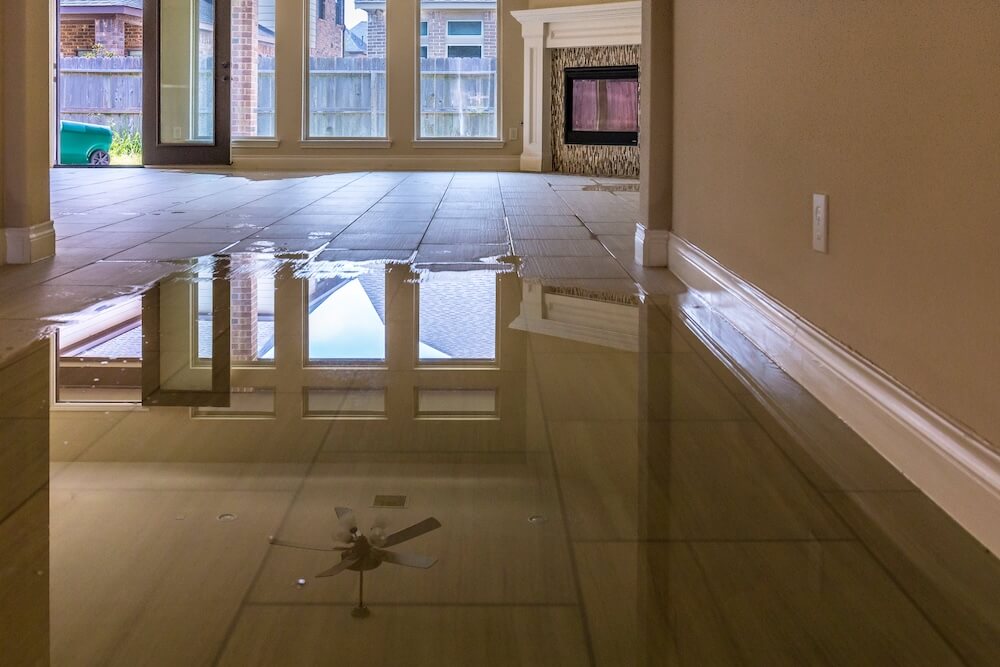
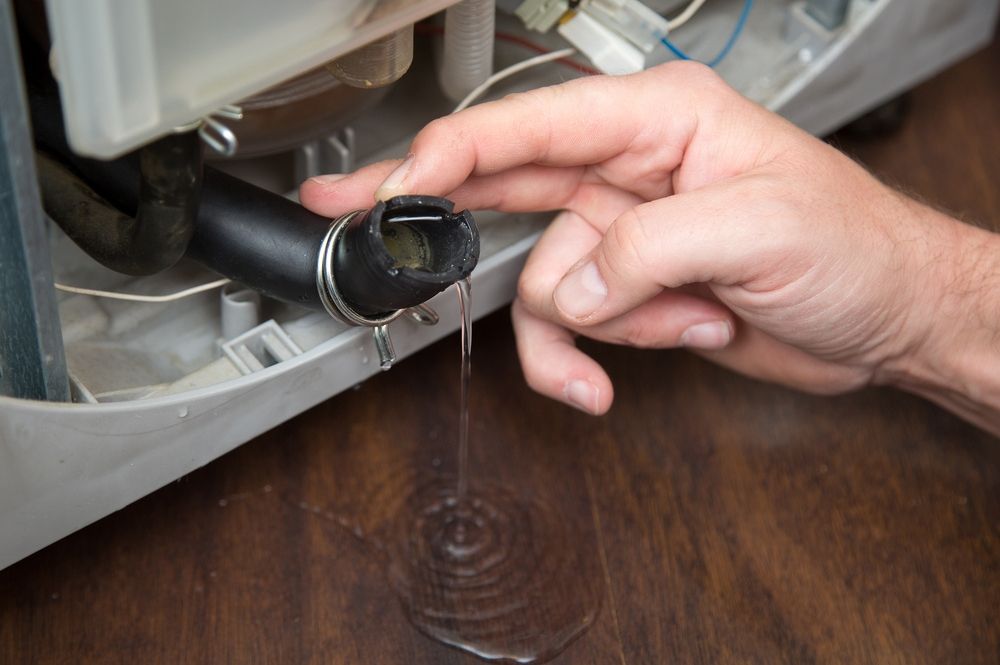
When water enters your home unexpectedly—whether from a burst pipe, flooding, or a leaking appliance—the visible damage is only part of the problem. One often overlooked consequence is how moisture can affect the air quality after water damage. Damp environments can quickly become breeding grounds for mold, bacteria, and other airborne contaminants, posing health risks and complicating the restoration process.
Understanding the connection between excess moisture and indoor air pollution is crucial for anyone dealing with the aftermath of a leak or flood. This guide covers what happens to the air in your home after water intrusion, why it matters, and the steps you can take to restore a healthy environment. If you’re also interested in kitchen safety and hygiene, you might find tips on how to sanitize a cast iron press useful for your household routines.
Why Indoor Air Quality Suffers After Water Intrusion
Water damage creates the perfect conditions for a range of contaminants to thrive. When materials like drywall, insulation, or carpeting get wet, they can harbor mold spores, bacteria, and even dust mites. As these organisms multiply, they release particles and volatile organic compounds (VOCs) into the air, reducing overall air quality. The longer moisture remains, the greater the risk of persistent odors and respiratory irritants.
In addition to biological growth, water can also cause building materials to break down, releasing chemicals and particulates. This combination can make the indoor environment unsafe, especially for children, the elderly, and those with allergies or asthma.
Common Pollutants Found After Water Damage
After a water event, several types of pollutants may affect your indoor environment:
- Mold spores: Mold can begin growing within 24–48 hours in damp conditions, releasing spores that can trigger allergies and respiratory issues.
- Bacteria: Standing water, especially from sewage or floodwater, can introduce harmful bacteria into the air and onto surfaces.
- Dust mites: These microscopic pests thrive in humid environments and can worsen allergy symptoms.
- Volatile organic compounds (VOCs): Water-damaged materials may emit VOCs, which can cause headaches, dizziness, and irritation.
- Mycotoxins: Some molds produce toxic substances that can be dangerous when inhaled over time.
How Poor Air Quality Impacts Health
Exposure to airborne pollutants after a water incident can lead to a variety of health problems. The most common symptoms include:
- Nasal congestion, sneezing, and coughing
- Eye, nose, and throat irritation
- Worsening of asthma or allergy symptoms
- Headaches and fatigue
- In severe cases, infections or toxic reactions
Vulnerable individuals—such as children, seniors, and those with compromised immune systems—are particularly at risk. Even healthy adults can experience discomfort or illness if the air remains contaminated for an extended period.
Steps to Restore Healthy Air After Water Damage
Addressing the root cause and cleaning up quickly are key to minimizing the impact on indoor air. Here are practical steps to improve the environment after a leak or flood:
- Remove standing water: Use pumps, wet vacuums, or professional services to extract water as soon as possible.
- Dry affected areas: Open windows, use fans, and deploy dehumidifiers to lower humidity and speed up drying.
- Dispose of damaged materials: Remove and discard porous items like carpets, insulation, and drywall that cannot be thoroughly dried.
- Clean and disinfect: Use EPA-approved disinfectants to clean hard surfaces and prevent microbial growth.
- Check HVAC systems: Replace filters and have ducts inspected to prevent the spread of contaminants.
- Monitor air quality: Consider using air purifiers with HEPA filters to capture airborne particles and allergens.
For more tips on protecting your property from future incidents, see this comprehensive guide to safeguarding your home against water damage.
Preventing Future Air Quality Issues
Prevention is always better than cleanup. To reduce the risk of poor air quality after water events, consider these strategies:
- Regularly inspect plumbing and appliances for leaks.
- Install leak detectors in high-risk areas such as basements, kitchens, and bathrooms.
- Maintain gutters and downspouts to direct water away from your foundation.
- Ensure proper ventilation in bathrooms, laundry rooms, and kitchens.
- Address minor leaks and spills immediately to prevent moisture buildup.
When to Call a Professional for Air Quality Concerns
While minor leaks can often be handled with prompt action, significant water events or persistent odors may require expert help. If you notice visible mold, experience ongoing health symptoms, or suspect contaminated water, contact a certified restoration specialist. Professionals have the equipment and expertise to assess, remediate, and restore indoor air to safe levels.
In some cases, air quality testing may be recommended to identify hidden contaminants or confirm that remediation efforts have been successful.
Frequently Asked Questions
How soon does mold start to affect air quality after a leak?
Mold can begin to grow and release spores within 24 to 48 hours of water exposure. The sooner you dry out affected areas, the lower the risk of mold-related air problems.
Can I use regular household cleaners to address air quality issues?
While household cleaners can help with surface cleaning, they may not eliminate all contaminants. Use EPA-approved disinfectants and consider professional remediation for widespread or stubborn problems.
Are air purifiers effective after water damage?
Yes, air purifiers with HEPA filters can help capture mold spores, dust, and other particles. However, they should be used alongside thorough drying and cleaning for best results.
What are some early signs of poor air quality after water exposure?
Common signs include musty odors, visible mold, increased allergy symptoms, and persistent respiratory discomfort among occupants.
Conclusion
Restoring healthy indoor air after a water incident is essential for both comfort and safety. By acting quickly to remove moisture, cleaning thoroughly, and monitoring for lingering issues, you can minimize the impact of contaminants. For ongoing protection, consider installing leak detection devices and maintaining good ventilation. If you’re interested in other home care topics, you may also want to learn about how to store corn masa for pressing to keep your kitchen ingredients fresh and safe.