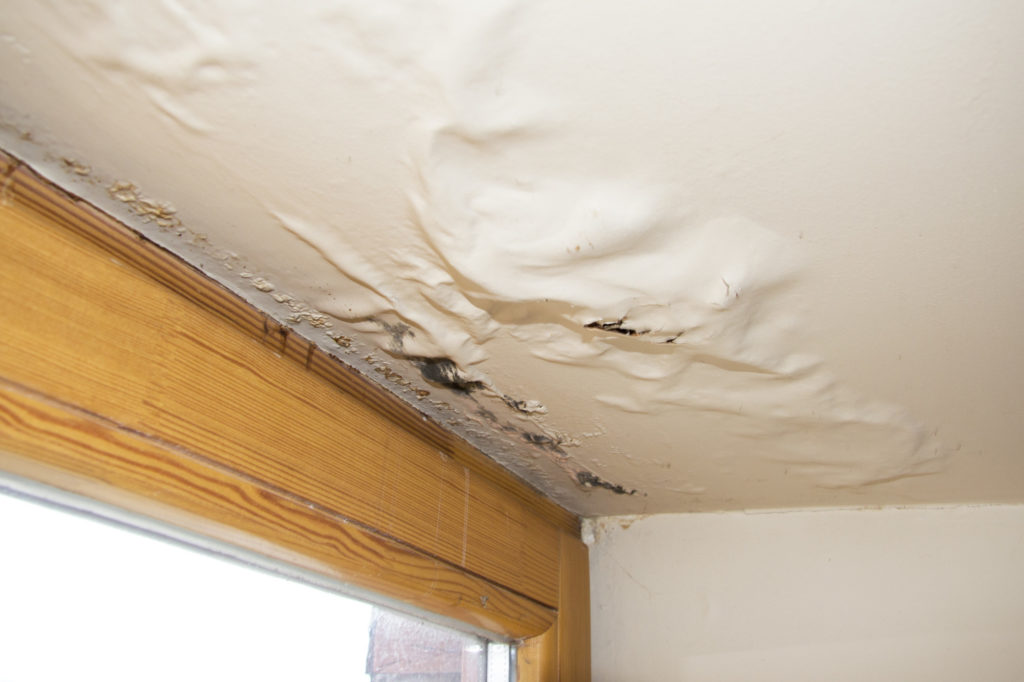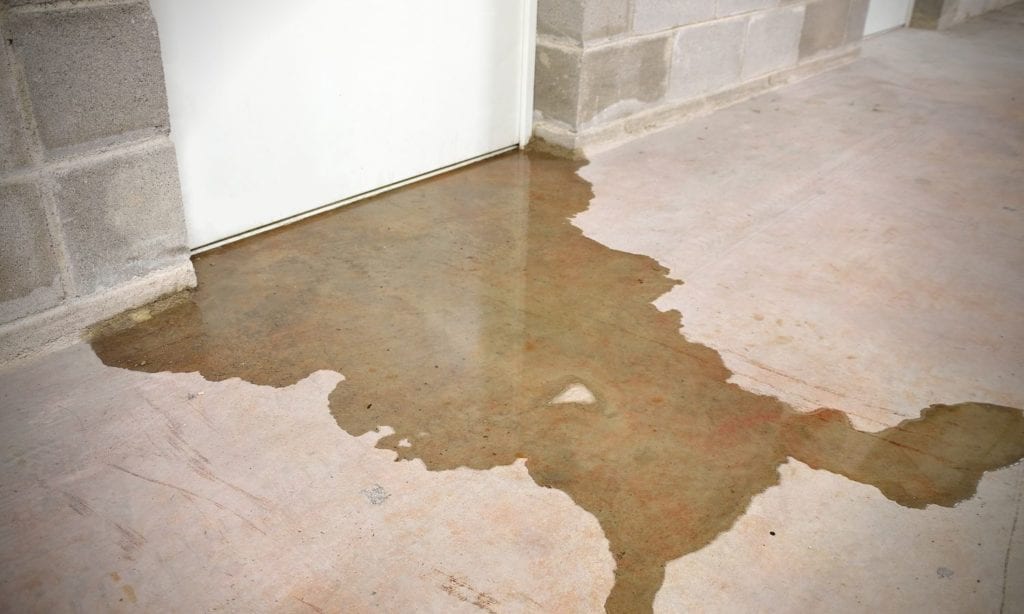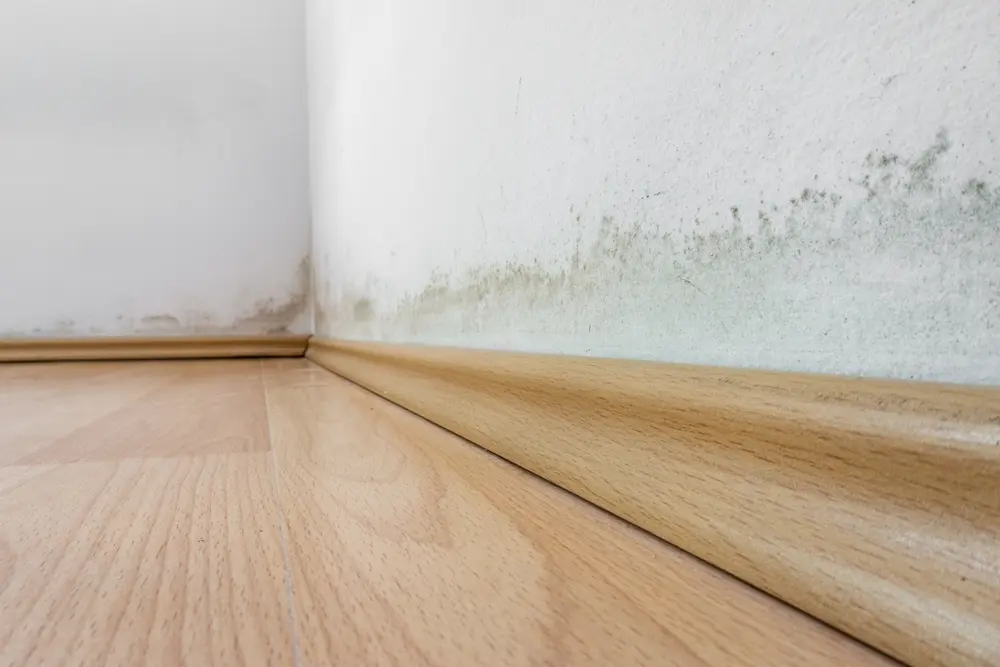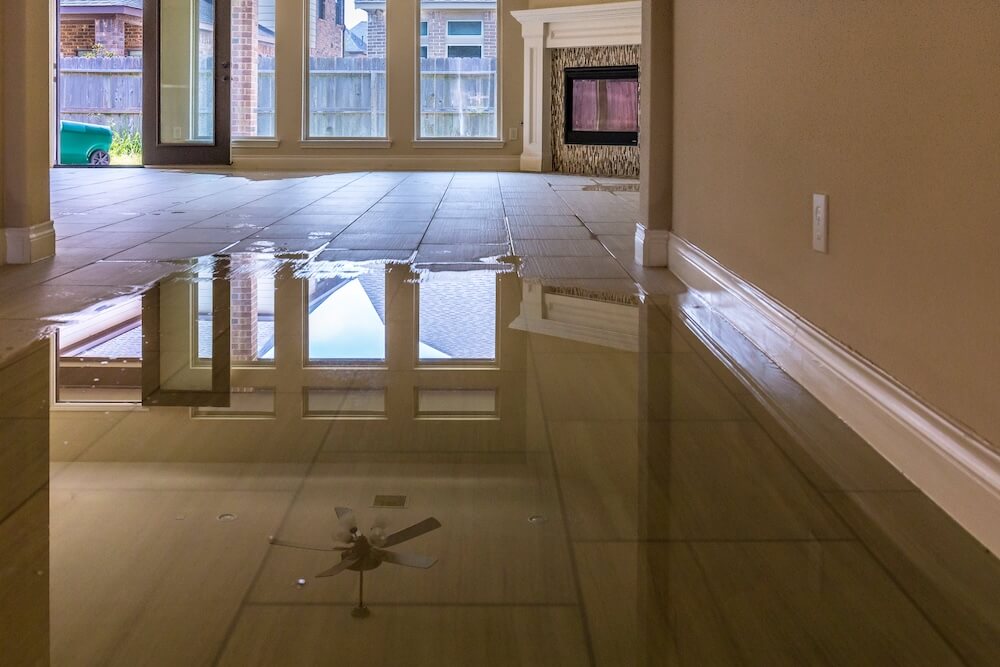
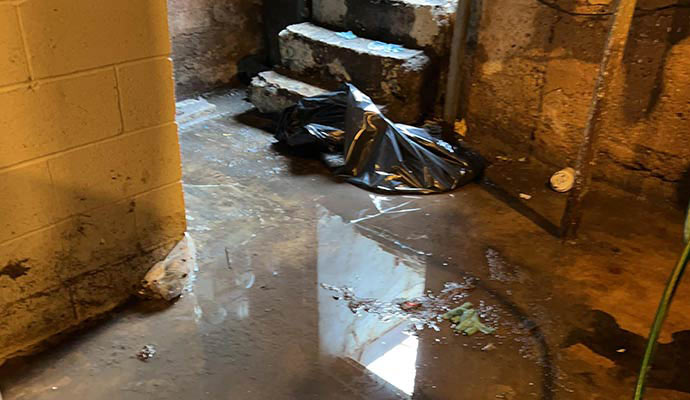
Water damage is one of the most common and costly problems faced by property owners. Even a small leak can lead to significant repairs, mold growth, and loss of valuables. Installing a water alarm is a practical way to catch leaks early and prevent extensive damage. This guide explains how to choose, set up, and maintain a water leak detector, so you can protect your home and gain peace of mind.
Alongside other low-cost flood prevention tips and home protection strategies, a water alarm is a smart investment for any homeowner. Let’s explore the steps to a successful installation and what you should know before getting started.
Why Install a Water Leak Detector?
Early detection of leaks can save you thousands of dollars in repairs. Water alarms are designed to alert you at the first sign of moisture in vulnerable areas, such as basements, laundry rooms, or under sinks. When placed correctly, these devices provide an extra layer of protection against floods, burst pipes, and appliance failures.
- Prevents costly water damage by catching leaks early
- Helps avoid mold and mildew growth
- Reduces insurance claims and premiums
- Offers peace of mind, especially when you’re away from home
For those building new properties or upgrading existing ones, integrating alarms with other flood protection strategies for new homes can further enhance your home’s resilience.
Choosing the Right Water Alarm for Your Needs
Not all leak detectors are created equal. When selecting a device, consider the following factors:
- Type of alarm: Standalone models sound a local alarm, while smart detectors can send alerts to your phone.
- Power source: Battery-powered units are easy to install anywhere, but some models plug into outlets for continuous power.
- Sensitivity: Look for sensors that detect even small amounts of water for early warning.
- Connectivity: Wi-Fi-enabled alarms can integrate with home automation systems for remote monitoring.
- Durability: Choose devices designed for the environment where they’ll be placed (e.g., high humidity areas).
Reading product reviews and checking compatibility with your home’s setup will help you make an informed decision.
Step-by-Step Water Alarm Installation Process
Installing a leak detector is a straightforward process. Here’s how to do it:
- Identify high-risk areas: Common locations include under sinks, behind toilets, near water heaters, washing machines, and in basements.
- Prepare the location: Clean the area where the sensor will be placed to ensure proper contact with the floor.
- Install batteries or connect power: Follow the manufacturer’s instructions to power up your device.
- Place the sensor: Position the alarm flat on the floor or mount it according to the product’s guidelines. Make sure the sensor is in direct contact with the surface where water would first appear.
- Test the alarm: Pour a small amount of water near the sensor to confirm it triggers the alert.
- Connect to Wi-Fi or app (if applicable): For smart alarms, follow the setup process to enable notifications on your phone.
Best Locations for Leak Detectors in the Home
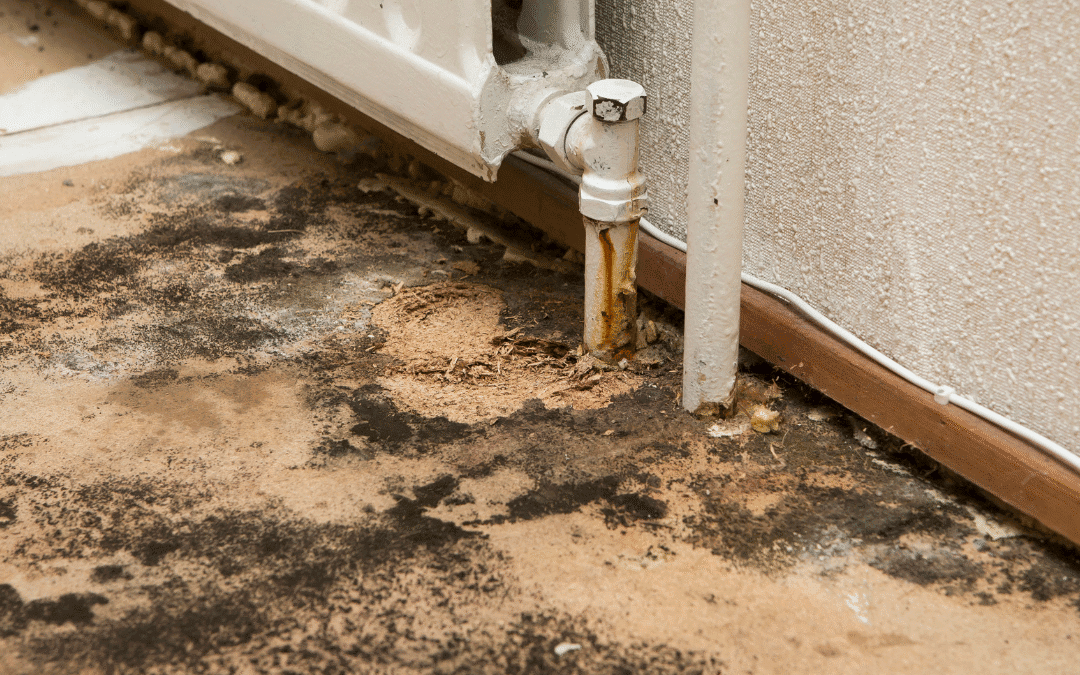
Strategic placement is key to maximizing the effectiveness of your water alarm system. Focus on areas where leaks are most likely to occur:
- Basements and crawl spaces
- Near sump pumps and water heaters
- Under kitchen and bathroom sinks
- Behind washing machines and dishwashers
- Next to toilets and bathtubs
For homes with finished basements or valuable items stored in lower levels, consider multiple sensors to cover all vulnerable spots. Pairing alarms with permeable pavement benefits can also help manage excess water around your property.
Maintenance and Testing Tips for Water Alarms
Regular maintenance ensures your leak detectors remain reliable. Follow these best practices:
- Test alarms monthly by placing a damp cloth or a small amount of water near the sensor.
- Replace batteries as recommended by the manufacturer, or check power connections for plug-in models.
- Clean sensors to prevent dust or debris from interfering with detection.
- Check for software updates if your device is Wi-Fi enabled.
- Review the placement periodically, especially after moving appliances or making renovations.
Consistent upkeep will help your system provide early warnings and reduce the risk of undetected leaks.
Integrating Water Alarms with Broader Flood Prevention
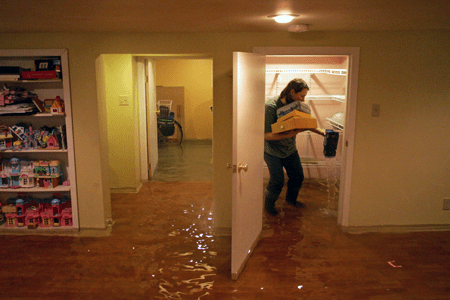
While a leak detector is an excellent first line of defense, combining it with other flood mitigation measures can further safeguard your property. Consider implementing DIY flood prevention projects such as sealing cracks, installing backflow valves, and improving drainage around your home.
For those living in areas prone to heavy rainfall, understanding increased rainfall flood risks and preparing accordingly is essential. A comprehensive approach will not only protect your home but also reduce stress during severe weather events.
What to Do When Your Water Alarm Sounds
If your detector alerts you to a leak, act quickly:
- Investigate the source of the water immediately.
- Shut off the main water supply if necessary.
- Remove valuables and electronics from the affected area.
- Begin drying the area to prevent mold growth.
- Contact a professional if you cannot locate or stop the leak.
For more guidance on preparing for water emergencies, consult resources like flood preparedness tips from official agencies.
Frequently Asked Questions
How often should I test my water alarm?
It’s recommended to test your leak detector at least once a month. Regular testing ensures the sensor and alert system are functioning properly and helps you catch any issues before they become critical.
Can I install a water alarm myself, or do I need a professional?
Most water leak detectors are designed for easy DIY installation. Simply follow the manufacturer’s instructions for placement and setup. However, if you’re integrating alarms with a smart home system or have a complex plumbing setup, you may wish to consult a professional.
Where is the best place to put a water leak detector?
Place sensors in areas most likely to experience leaks, such as basements, under sinks, near water heaters, and behind appliances like washing machines. For maximum coverage, consider installing multiple alarms in different high-risk locations.
Will a water alarm help with insurance claims?
Many insurance companies view leak detectors favorably and may offer discounts or incentives for having them installed. Additionally, early detection and documentation of water incidents can support your claim and reduce overall damage.