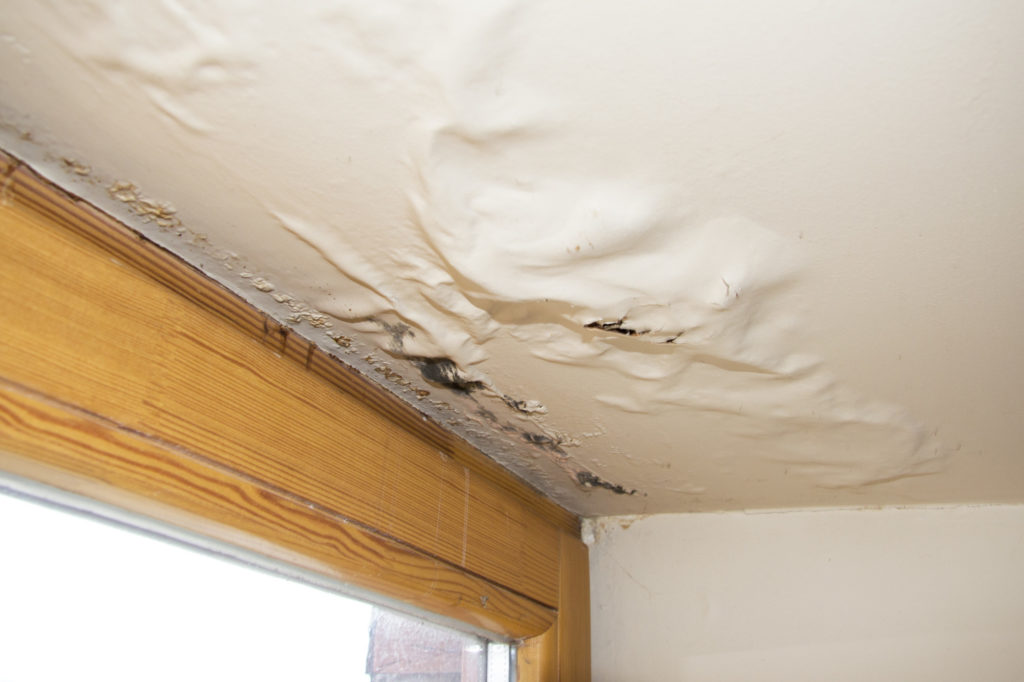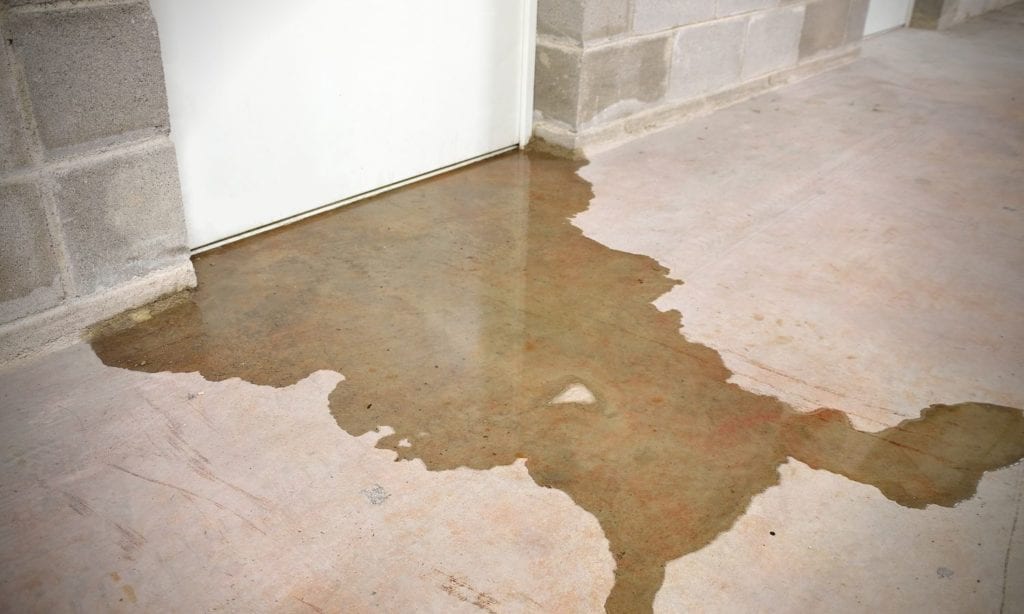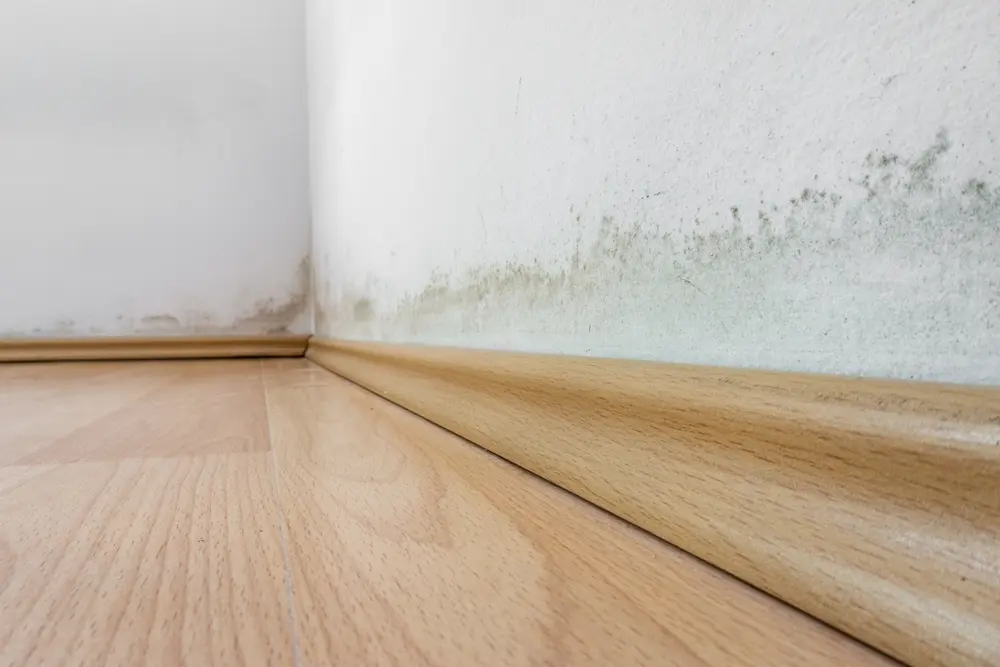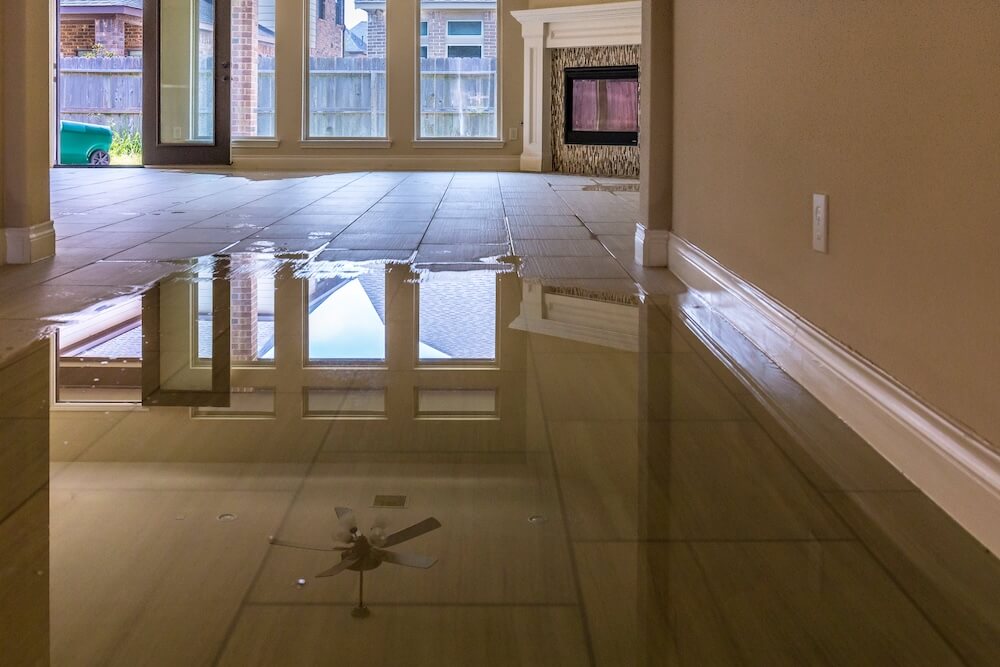
Flooding is a growing concern for property owners, with changing weather patterns and aging infrastructure increasing the risk of water damage. Understanding flood prevention for homeowners is essential for safeguarding your home, belongings, and peace of mind. This article breaks down practical strategies, from simple maintenance to advanced technology, to help you minimize risks and respond effectively if water threatens your property.
Whether you live in a flood-prone region or simply want to be proactive, taking steps to protect your home can save you thousands in repairs and prevent the loss of irreplaceable items. For a more detailed, step-by-step approach, you may also find value in our how to prevent home flooding resource, which covers additional actionable tips.
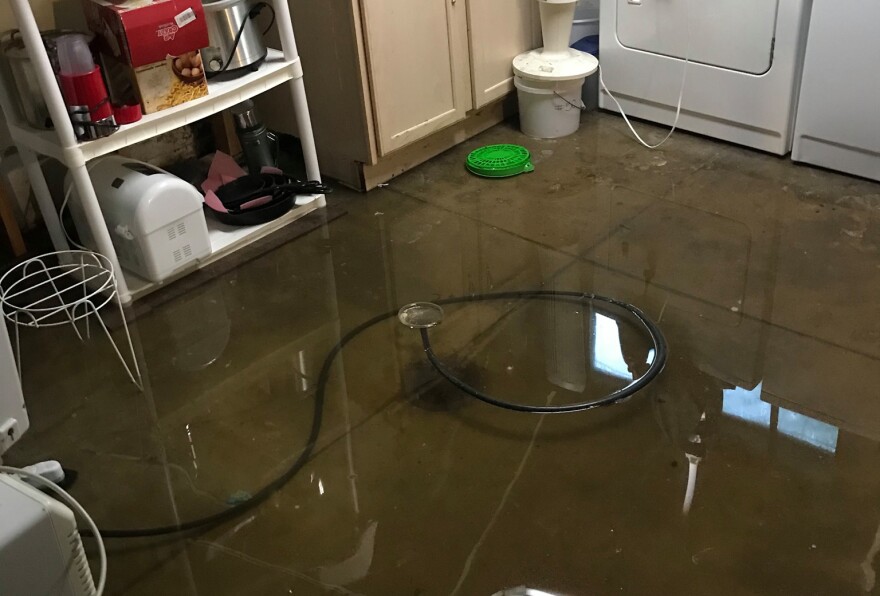
Understanding Flood Risks and Homeowner Vulnerabilities
The first step in protecting your property is to assess your risk. Flooding can result from heavy rainfall, snowmelt, blocked drainage systems, or even plumbing failures. Homes located near rivers, lakes, or in low-lying areas are particularly vulnerable, but urban and suburban properties are not immune.
Review local flood maps and consult your municipality to determine your risk level. Even if your home is outside a designated floodplain, extreme weather events can overwhelm stormwater systems, causing unexpected flooding. Regularly inspecting your property and understanding its unique vulnerabilities is crucial for effective flood prevention for homeowners.
Essential Maintenance for Flood Protection
Routine maintenance is one of the most effective ways to reduce the risk of water intrusion. Here are some key tasks every homeowner should prioritize:
- Clean gutters and downspouts at least twice a year to ensure water flows away from your foundation.
- Inspect your roof for missing or damaged shingles, which can let water seep inside.
- Check basement walls and floors for cracks, sealing any gaps with appropriate waterproofing materials.
- Grade the soil around your home so that it slopes away from the foundation, preventing pooling water.
- Install window well covers to keep rainwater out of below-grade windows.
For seasonal tips and inspection checklists, our spring home inspection for leaks article offers additional guidance.
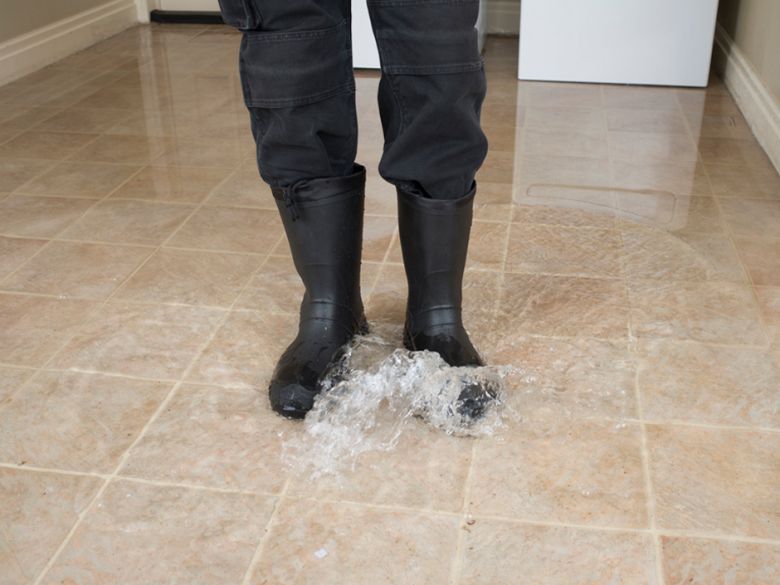
Upgrading Your Home: Flood Barriers and Smart Technology
Beyond basic maintenance, consider investing in products and systems designed to keep water out. Here are some effective upgrades:
- Sump pumps: These devices remove water that accumulates in your basement or crawl space. Choose a model with a battery backup to ensure operation during power outages.
- Backwater valves: These prevent sewage from backing up into your home during heavy rainfall.
- Water leak detectors: Smart sensors can alert you to leaks or rising water levels, giving you time to act before damage spreads. For homeowners looking to add this layer of protection, see the button above for a recommended device.
- Flood barriers and sandbags: Temporary barriers can be deployed around doors, garages, and window wells during storms.
Technology is rapidly advancing in this field. For a look at how innovation is changing the landscape, explore technologies that are combatting flood risks globally.
Outdoor Strategies for Water Management
Managing water outside your home is just as important as indoor measures. Landscaping and exterior upgrades can make a significant difference:
- French drains and swales help redirect water away from your property.
- Rain gardens absorb runoff and reduce the speed of water flowing toward your house.
- Permeable paving allows water to soak into the ground rather than pooling on hard surfaces.
- Keep storm drains near your property clear of leaves and debris to prevent backups.
If you experience frequent snowmelt or heavy rain, our guide on how to handle snowmelt near foundation provides targeted advice for these scenarios.
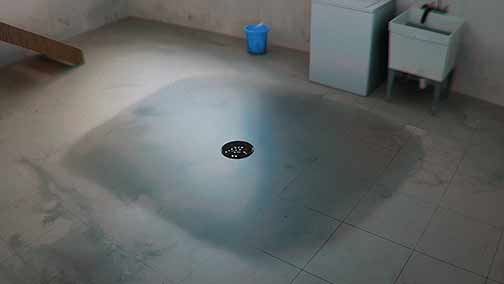
Emergency Preparedness and Response
Even with the best prevention, severe weather can sometimes overwhelm your defenses. Being prepared for emergencies is a crucial part of any homeowner’s flood strategy:
- Store important documents and valuables in waterproof containers or on upper floors.
- Keep an emergency kit with flashlights, batteries, bottled water, and first aid supplies.
- Know how to safely shut off your electricity and gas in case of flooding.
- Develop a family evacuation plan and identify safe routes to higher ground.
- Review your insurance policy to ensure you have adequate flood coverage, as standard homeowner’s insurance often excludes flood damage.
For advice tailored to specific weather events, our guide on preparing for heavy rainfall offers additional insights.
Seasonal Considerations for Water Damage Prevention
Flood risks can vary throughout the year. In spring, melting snow and heavy rains are common culprits, while summer storms can bring sudden downpours. Regularly inspecting your home and adapting your prevention strategies to the season is key.
For summer-specific tips, see our summer water damage prevention article.
Frequently Asked Questions
What are the most effective ways to prevent basement flooding?
The most effective steps include installing a sump pump with battery backup, sealing cracks in basement walls and floors, maintaining gutters and downspouts, and ensuring the ground slopes away from your foundation. Using water leak detectors can also provide early warning of potential issues.
Does homeowner’s insurance cover flood damage?
Standard homeowner’s insurance typically does not cover flood damage. You may need to purchase a separate flood insurance policy, especially if you live in a high-risk area. Review your policy details and consult your insurance provider to ensure adequate protection.
How can technology help with flood prevention?
Modern technology offers several tools for flood prevention for homeowners, including smart water leak detectors, sump pumps with remote monitoring, and automated shut-off valves. These devices can alert you to problems early and, in some cases, take action to minimize damage.
What should I do immediately after a flood?
After a flood, prioritize safety by avoiding contact with standing water, shutting off electricity if safe, and wearing protective gear. Document damage with photos, contact your insurance company, and begin drying out your home as soon as possible to prevent mold growth.
Conclusion
Proactive flood prevention for homeowners combines regular maintenance, smart upgrades, and emergency preparedness. By understanding your risks and taking practical steps, you can significantly reduce the likelihood and impact of water damage. Stay informed, invest in the right tools, and review your strategies regularly to keep your home and family safe from flooding.