Renovating your home is an opportunity to improve comfort, efficiency, and value—but it also brings hidden risks. One of the most significant threats during any remodel is the potential for mold growth. Mold thrives in damp, poorly ventilated environments, and renovations often expose or create conditions where moisture can accumulate. Understanding the basics of mold prevention for home renovations is essential for maintaining a healthy living space and protecting your investment. This guide explores practical strategies to control moisture, select the right materials, improve ventilation, and avoid common mistakes that can lead to mold problems.
Why Mold Prevention Matters During Renovations
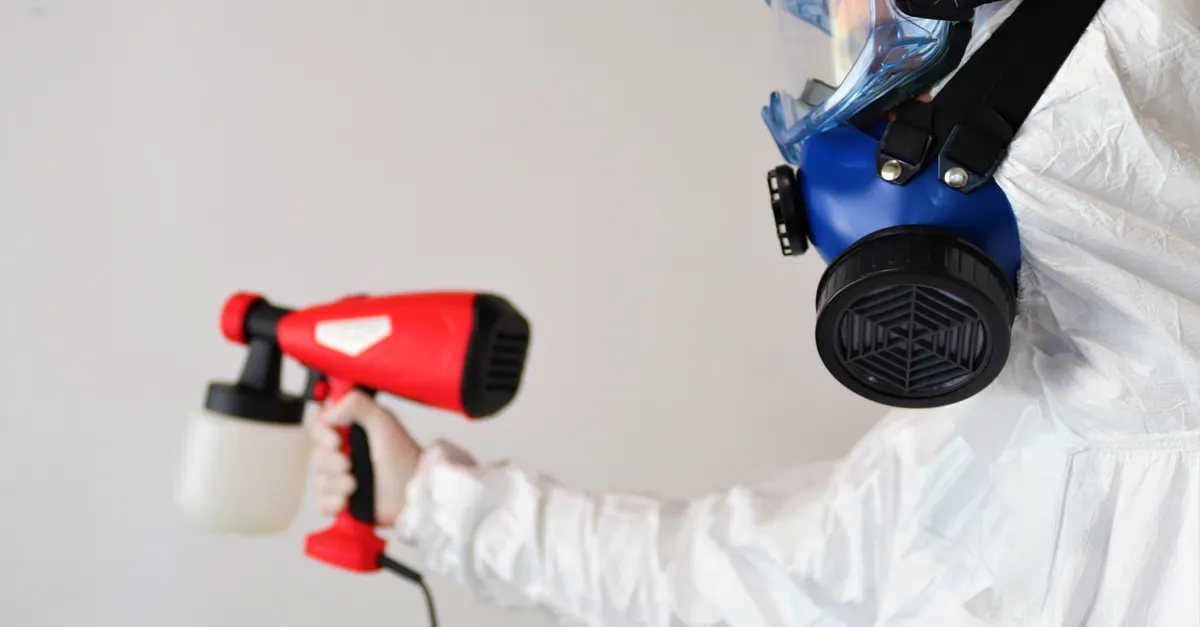
Mold is more than just an unsightly nuisance—it poses real health risks. According to the EPA, molds produce allergens and irritants that can cause respiratory issues, allergic reactions, and worsen asthma symptoms. During renovations, disturbing existing structures can release mold spores into the air, increasing exposure risks for both workers and residents. Taking steps to prevent mold growth from the outset is crucial for safeguarding both your home and your health.
Moisture Control: The Foundation of Mold Prevention
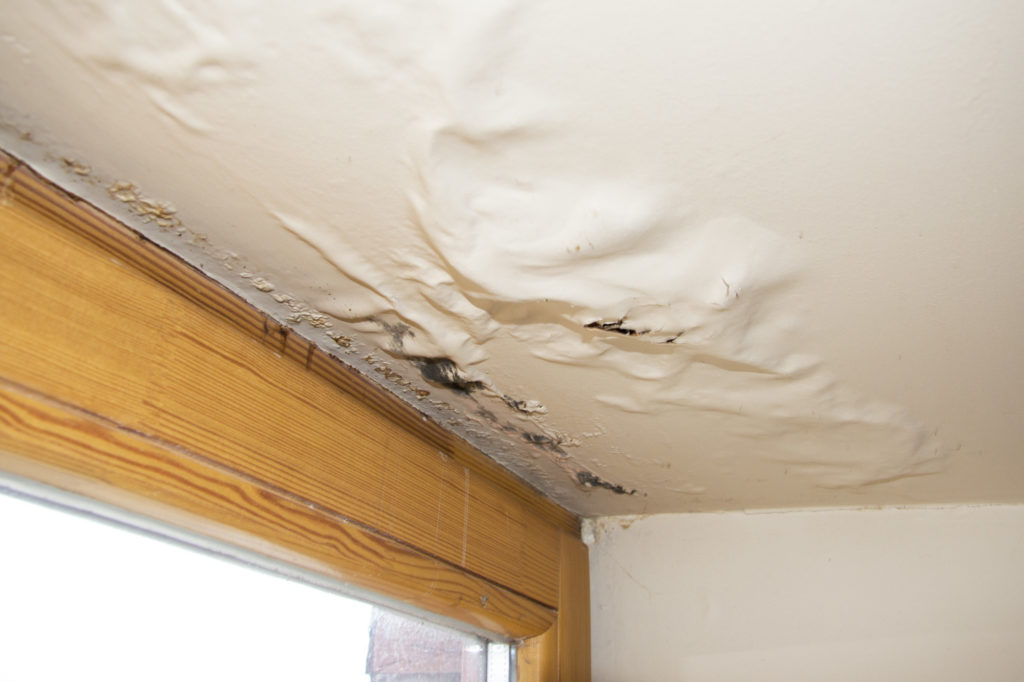
Effective moisture control is the single most important factor in stopping mold before it starts. Mold needs moisture to grow, so keeping building materials and indoor spaces dry is essential. The EPA emphasizes that water-damaged areas should be dried within 24–48 hours to prevent mold from taking hold. During renovations, this means promptly addressing any leaks, spills, or water intrusion—whether from plumbing, weather, or construction activities.
Here are some practical moisture control techniques to consider during your remodel:
- Inspect for existing leaks in plumbing, roofing, and foundations before starting work.
- Use a moisture meter to check wood, drywall, and subfloors for hidden dampness.
- Seal gaps around windows, doors, and exterior walls to prevent rainwater intrusion.
- Install or upgrade vapor barriers in basements, crawl spaces, and bathrooms.
- Ensure proper grading and drainage around the home to direct water away from the foundation.
If water damage does occur during renovations, act quickly to dry affected areas using fans, dehumidifiers, or professional drying equipment. Never cover up wet materials with new finishes—this traps moisture and creates a prime environment for mold.
Choosing Mold-Resistant Materials for Renovation Projects
Material selection plays a critical role in mold prevention for home renovations. Some building products are naturally resistant to mold, while others can harbor moisture and support fungal growth. Choosing the right materials for each area of your home can greatly reduce long-term mold risks.
Key mold-resistant materials to consider include:
- Mold-resistant drywall: Also known as green board or purple board, this type of drywall is treated to resist moisture and mold growth, making it ideal for bathrooms, kitchens, and basements.
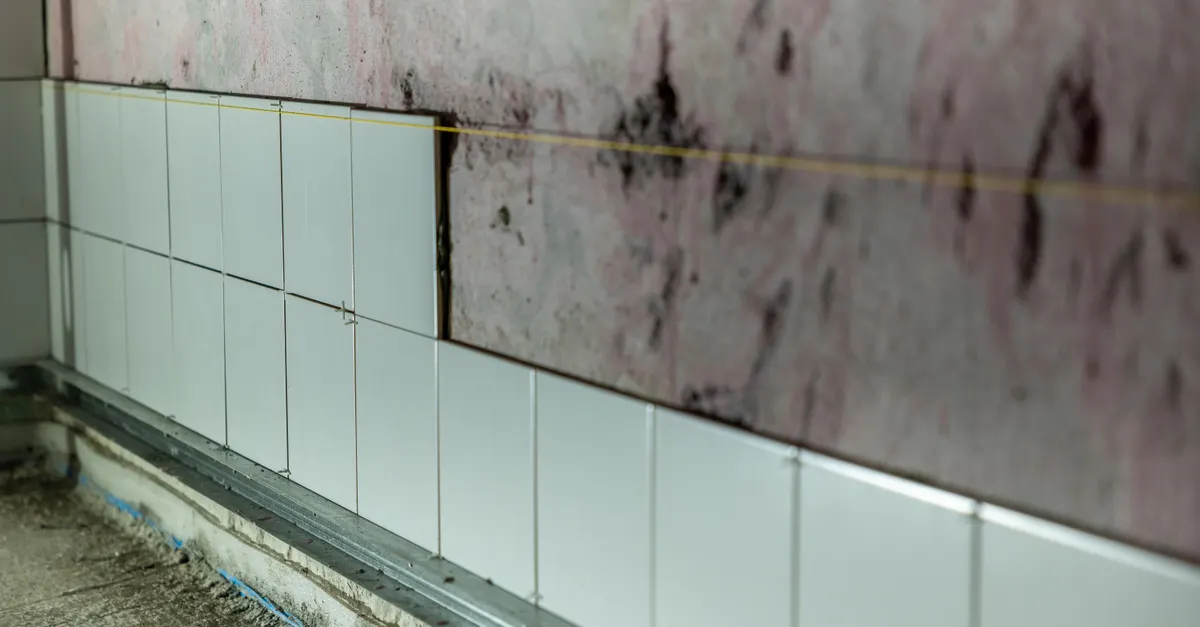
- Cement board: Used as a backing for tile in showers and wet areas, cement board does not support mold growth and is highly durable.
- Moisture-resistant insulation: Closed-cell spray foam and rigid foam boards are less likely to absorb water compared to fiberglass batts.
- Non-porous flooring: Tile, vinyl, and sealed concrete are better choices for damp-prone areas than carpet or untreated wood.
- Mold-inhibiting paints and primers: These coatings contain antimicrobial agents that help prevent mold on walls and ceilings.
When selecting materials, consider both their resistance to moisture and their ability to dry quickly if they do get wet. For example, using mold resistant caulk around sinks and tubs can help seal out water and prevent mold in vulnerable joints. Always follow manufacturer recommendations for installation and maintenance to ensure maximum protection.
Enhancing Ventilation to Reduce Mold Risk
Proper ventilation is another cornerstone of mold prevention. Good airflow helps remove excess moisture from the air, especially in areas like bathrooms, kitchens, and laundry rooms where humidity levels can spike. During renovations, it’s important to assess and upgrade ventilation systems as needed to support a healthy indoor environment.
Effective ventilation strategies include:
- Installing exhaust fans in bathrooms, kitchens, and laundry areas, vented directly to the outdoors.
- Using whole-house ventilation systems or energy recovery ventilators (ERVs) to improve air exchange.
- Ensuring that attic and crawl space vents are clear and functioning properly.
- Opening windows and doors during and after renovation work to increase fresh air flow, weather permitting.
For more on the relationship between airflow and mold, see this helpful resource on mold prevention vs ventilation. Remember, simply running a fan is not always enough—ventilation systems must be properly sized and maintained to effectively control humidity.
Common Renovation Mistakes That Lead to Mold
Even well-intentioned renovations can inadvertently create conditions for mold if certain pitfalls are not avoided. Awareness of these common errors can help you plan and execute your project with mold prevention in mind.
- Covering up existing mold: Painting or installing new materials over moldy surfaces does not solve the problem and can make remediation more difficult later.
- Ignoring moisture sources: Failing to address leaks or dampness before closing up walls or ceilings traps moisture inside.
- Poor planning for ventilation: Skipping exhaust fans or blocking vents during renovations increases humidity and mold risk.
- Using porous materials in wet areas: Installing carpet, standard drywall, or untreated wood in bathrooms or basements invites mold growth.
- Rushing the drying process: Not allowing enough time for materials to dry before finishing work can lock in moisture.
To avoid these mistakes, always inspect for signs of moisture or mold before starting work, use dehumidifiers as needed, and never hesitate to pause your project if you discover water damage that needs professional attention.
When to Seek Professional Help for Mold Issues
While many aspects of mold prevention for home renovations can be managed by homeowners and contractors, some situations require expert intervention. If you discover extensive mold growth, persistent moisture problems, or experience health symptoms related to mold exposure, it’s time to call a professional. Certified mold inspectors can assess the extent of contamination and recommend safe remediation strategies.
Benefits of professional mold inspection and remediation include:
- Accurate identification of mold species and affected areas
- Safe removal of contaminated materials
- Guidance on preventing future mold growth
- Peace of mind that your home is safe and healthy
Remember, mold can pose serious health risks, especially for children, the elderly, and those with respiratory conditions. When in doubt, err on the side of caution and consult a qualified expert.
Frequently Asked Questions
What are the first signs of mold during a renovation?
Early signs include musty odors, visible discoloration on walls or ceilings, and increased allergy symptoms among occupants. If you notice any of these, stop work and investigate further before proceeding.
Can I remove mold myself during a renovation?
Small patches of surface mold (less than 10 square feet) may be cleaned with appropriate protective gear and cleaning solutions. However, larger infestations or mold in HVAC systems, insulation, or structural components should be handled by professionals to ensure safe and thorough removal.
How can I prevent mold in my basement after renovating?
Focus on moisture control by sealing foundation cracks, installing a sump pump if needed, and using mold-resistant materials. Maintain good ventilation and monitor humidity levels with a humidity monitor. For more comprehensive solutions, explore options like home basement safety systems.
Conclusion
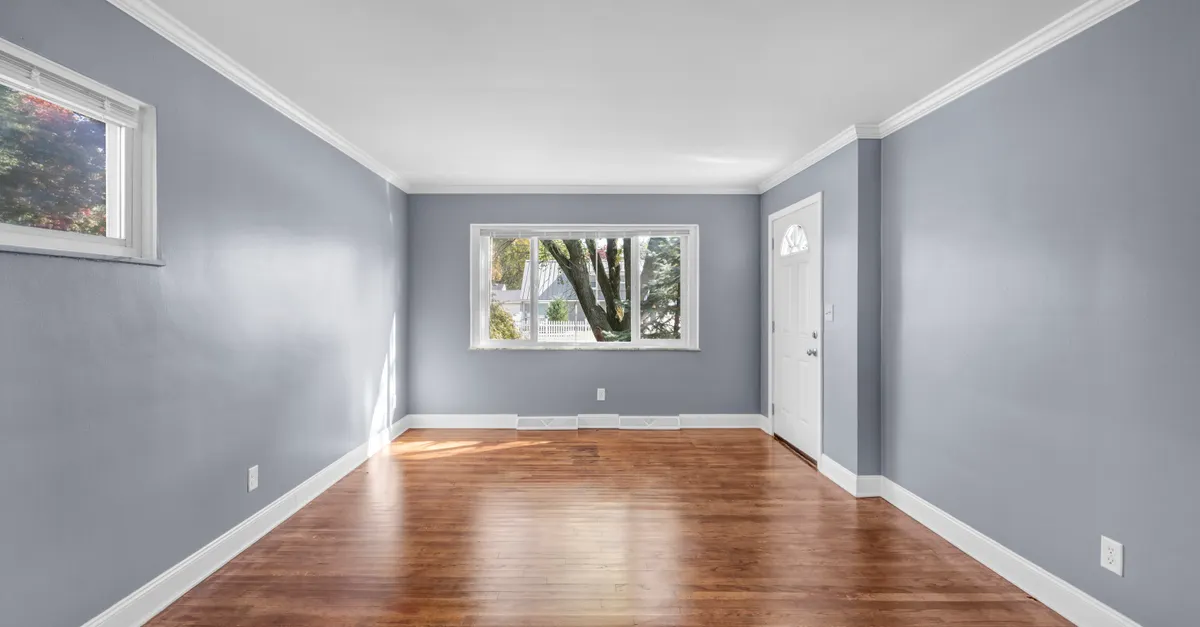
Preventing mold during home renovations requires a proactive approach—controlling moisture, choosing the right materials, and ensuring proper ventilation are all key steps. By understanding the risks and taking practical precautions, you can protect your home and your health for years to come. When in doubt, seek professional help to address mold issues safely and effectively.