Basements are valuable spaces in many homes, serving as storage, living areas, or utility rooms. However, they are also prone to unique risks such as moisture intrusion, flooding, and mold growth. Addressing these challenges is essential for maintaining a healthy and secure home environment. This guide explores the essential components and best practices for home basement safety systems, helping homeowners protect their investment and ensure peace of mind.
Implementing the right combination of monitoring, prevention, and response technologies can make a significant difference. From smart sensors to sump pumps and dehumidifiers, modern solutions offer robust protection against water damage and air quality issues. For those interested in broader home protection, exploring next-generation home security systems can provide additional layers of safety for the entire household.

Why Basement Protection Matters
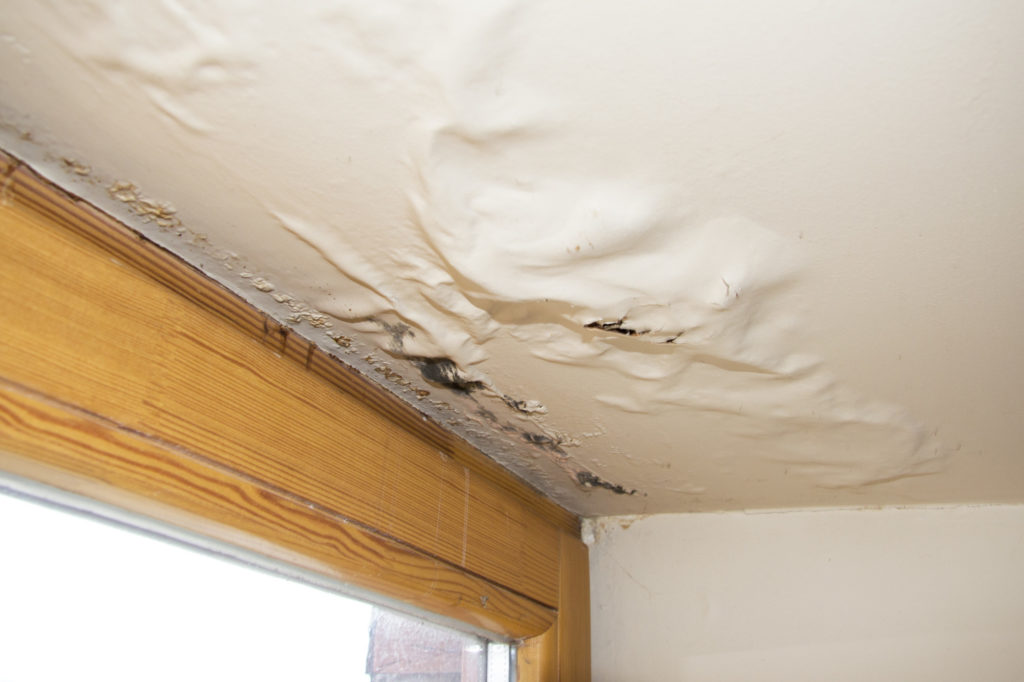
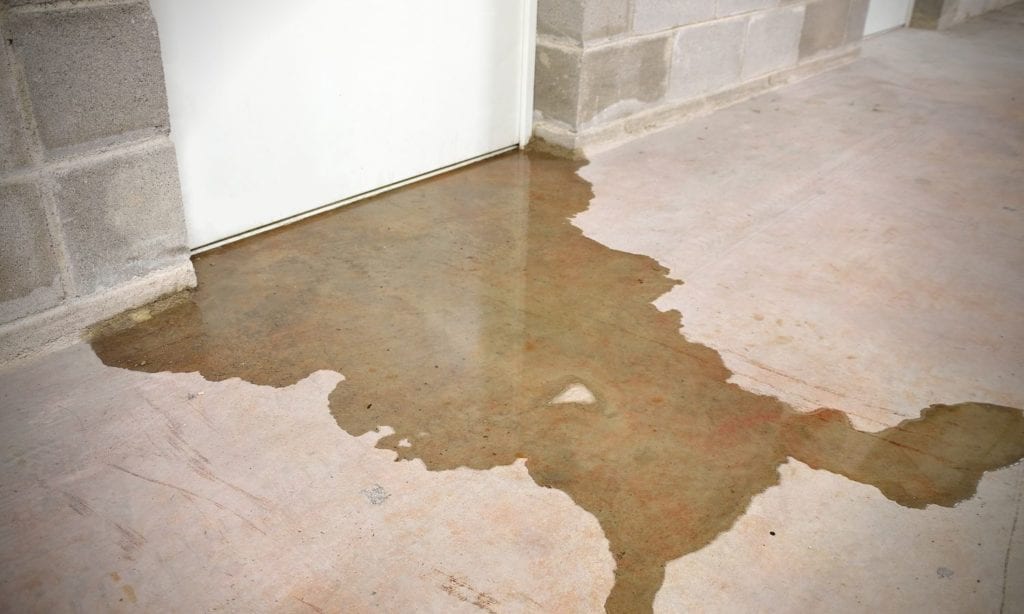
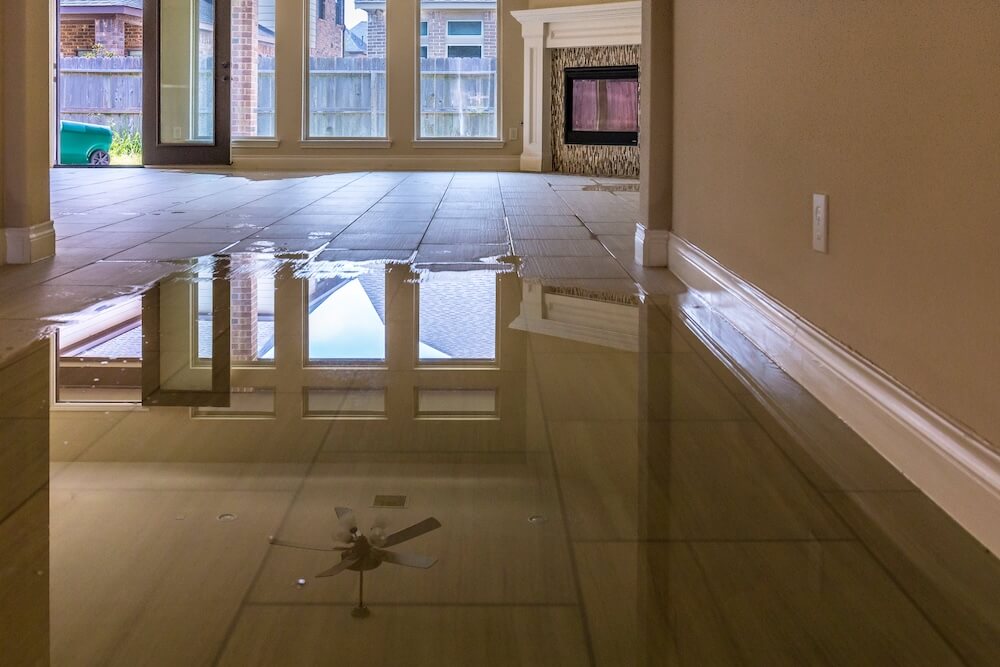
Basements are especially susceptible to water infiltration due to their location below ground level. Even minor leaks or condensation can lead to significant problems over time, including:
- Structural damage from persistent moisture
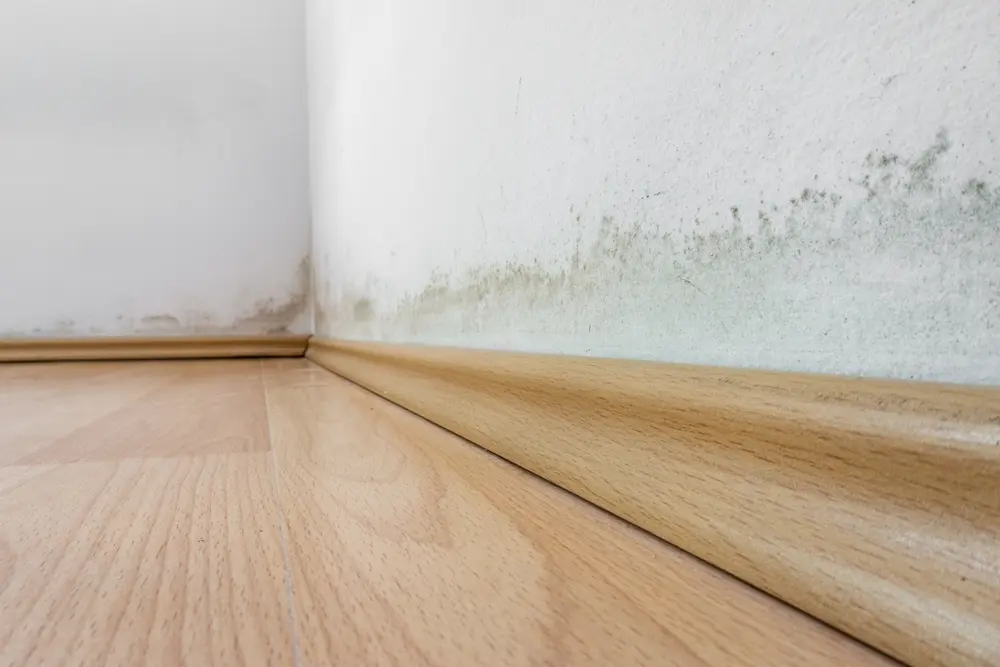
- Growth of mold and mildew, impacting air quality and health
- Electrical hazards due to water exposure
- Loss of valuable property stored in the basement
Proactive measures are crucial. By installing comprehensive safety systems, homeowners can detect issues early, prevent costly repairs, and maintain a safe living environment.
Key Components of Effective Basement Safety Solutions
Modern home basement safety systems combine several technologies and strategies to address the most common risks. Here are the core elements to consider:
1. Moisture and Water Leak Detection
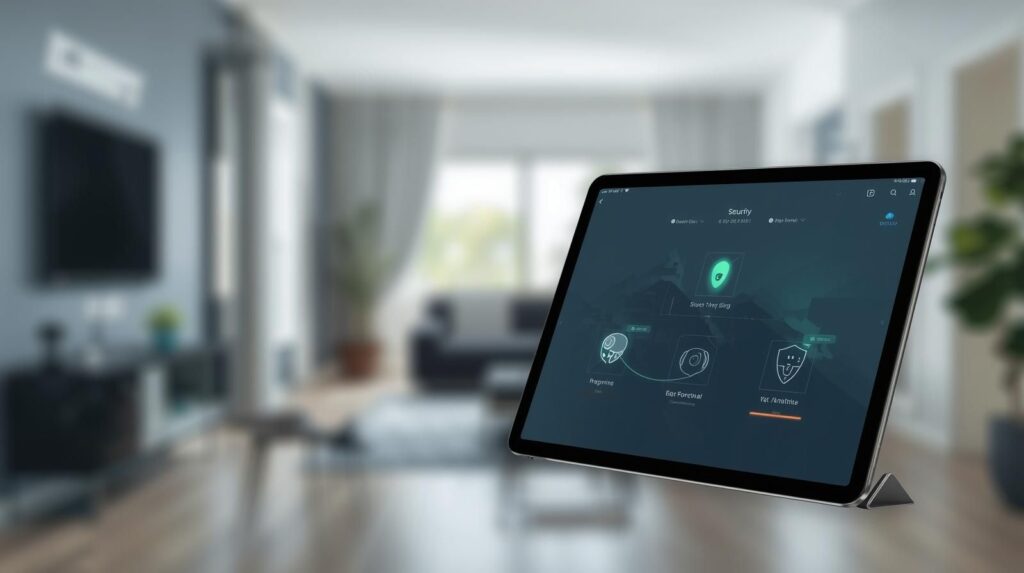
Smart sensors are the first line of defense against water intrusion. These devices can be placed near sump pumps, water heaters, or any area prone to leaks. When moisture is detected, they send instant alerts to your phone or home automation system, allowing for quick action.
- Wireless water leak detectors for real-time notifications
- Integration with smart home hubs for automated responses
- Battery backup options for power outages
Early detection is key to preventing both minor and major water damage events.
2. Sump Pumps and Backup Systems
Sump pumps are essential for homes in flood-prone areas or with high water tables. They automatically remove water that accumulates in the sump basin, preventing flooding. Consider these features for optimal protection:
- Primary sump pump with adequate capacity for your basement size
- Battery-powered backup sump pump in case of power failure
- Water-powered backup options for added redundancy
- Alarm systems to alert you if the pump fails or water levels rise
Routine maintenance and testing ensure these systems remain reliable when needed most.
3. Dehumidifiers and Air Quality Management
Controlling humidity levels is vital for preventing mold and mildew. A high-quality dehumidifier can keep the air dry, especially during wet seasons or in naturally damp basements. Look for models with:
- Automatic humidity sensors and controls
- Continuous drain options to avoid manual emptying
- HEPA filtration for improved air quality
Maintaining humidity below 60% is generally recommended to inhibit mold growth.
4. Smart Alarms and Monitoring Systems
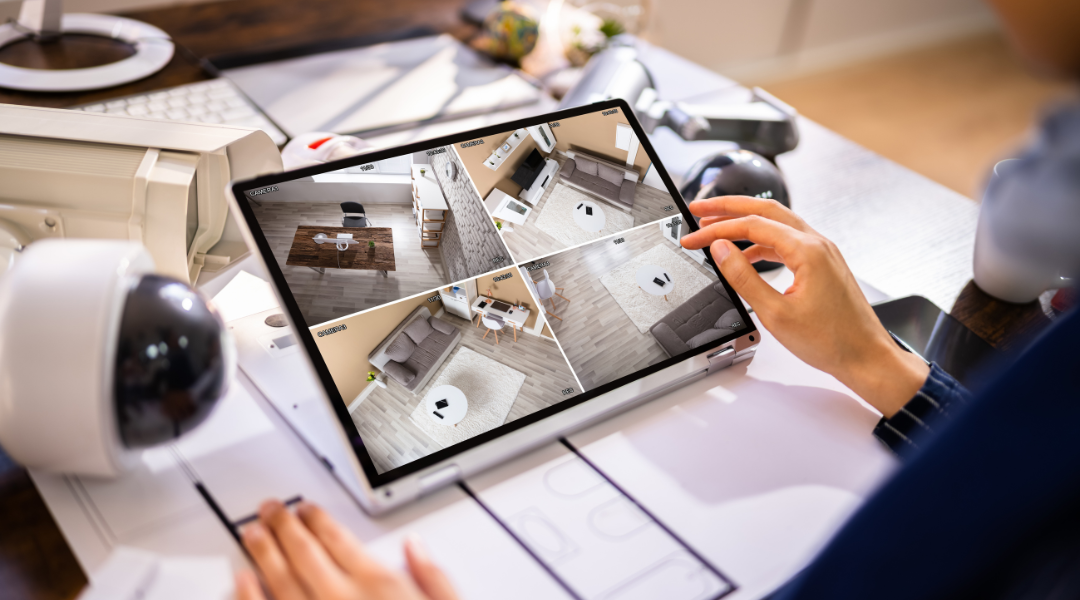
Integrating your basement protection with a broader home monitoring system enhances security and convenience. Smart alarms can detect water, smoke, carbon monoxide, and even unauthorized entry. Many systems offer mobile app integration, so you can monitor your home from anywhere.
For those interested in advanced features, reviewing the future of home protection technology can provide insights into emerging trends and innovations.
Preventing Mold and Improving Basement Health
Mold is a persistent threat in damp environments. Besides using dehumidifiers, there are several steps you can take to minimize risk:
- Seal foundation cracks and gaps to prevent water entry
- Ensure proper grading around your home to direct water away
- Install vapor barriers on walls and floors
- Use mold-resistant paints and materials
- Regularly inspect for signs of leaks or condensation
Combining these strategies with robust basement safety technology creates a comprehensive defense against mold and moisture.
Integrating Energy and Security for Complete Protection
Basement safety isn’t just about water and mold. Electrical faults and security breaches can also pose risks. Smart energy monitors, such as the Emporia Energy Monitor, help track power usage and detect anomalies that could indicate a problem. For more on this topic, see energy system protection at home.
Combining energy monitoring with security sensors and alarms creates a holistic approach to basement and home safety. This integration ensures that you are alerted not only to water or humidity issues but also to electrical hazards and unauthorized access.
Best Practices for Maintaining Your Basement Safety Setup
To keep your basement protection systems functioning optimally, follow these maintenance tips:
- Test all alarms and sensors monthly
- Clean and service dehumidifiers and sump pumps regularly
- Replace batteries in wireless devices as needed
- Inspect for new cracks or signs of water entry after heavy rain
- Update software and firmware for smart devices
Staying proactive with maintenance ensures your systems work when you need them most and extends their lifespan.
Community and Professional Support
While many safety measures can be implemented by homeowners, some situations require professional assessment or installation. Waterproofing, foundation repairs, and complex alarm systems are best handled by experts. For additional tips on proactive home security, consider resources like proactive home security strategies from leading security providers.
FAQ
What are the most important features of a basement safety system?
The most critical features include water leak detection, sump pumps with backups, dehumidifiers, and integrated alarms for water, smoke, and carbon monoxide. Smart monitoring and mobile alerts add convenience and peace of mind.
How often should I check my basement safety equipment?
It’s best to test alarms and sensors monthly, inspect sump pumps and dehumidifiers every few months, and perform a thorough inspection after heavy rainfall or flooding events.
Can I install these systems myself, or do I need a professional?
Many devices, such as wireless sensors and dehumidifiers, are designed for DIY installation. However, for sump pumps, foundation sealing, or complex integrated systems, professional installation is recommended to ensure reliability and compliance with local codes.
Conclusion
Protecting your basement from moisture, flooding, and mold is essential for safeguarding your home and health. By combining smart detection, reliable pumps, humidity control, and integrated security, you can create a robust defense against common basement hazards. Regular maintenance and staying informed about the latest technology will help keep your home safe and comfortable for years to come.