A wet or flooded basement is a problem that many homeowners face, especially during periods of heavy rain or rapid snowmelt. Understanding the most frequent basement flooding causes is the first step toward protecting your home and avoiding costly repairs. Whether you’re dealing with minor dampness or several inches of standing water, knowing what leads to water intrusion and how to address it can help you keep your basement dry and safe.
This article explores the most typical reasons basements take on water, practical steps for prevention, and straightforward solutions you can implement yourself. If you’re interested in related home maintenance topics, you might also find value in our guide on how to sanitize a cast iron press.

Why Basements Flood: The Most Common Triggers
Water can find its way into basements for a variety of reasons. Some are related to the structure of your home, while others are caused by external environmental factors. Recognizing the source is crucial for choosing the right fix.
- Poor Drainage Around the Foundation: If the ground around your house doesn’t slope away, rainwater can pool next to the foundation and seep through walls or floors.
- Clogged or Broken Gutters and Downspouts: When gutters overflow or downspouts discharge too close to the house, water accumulates near the basement.
- Cracks in Walls or Floors: Even small cracks in concrete can allow moisture to enter, especially under hydrostatic pressure during storms.
- Failed Sump Pump: If your sump pump malfunctions or loses power, it can’t remove excess water, leading to flooding.
- Plumbing Leaks: Burst pipes, leaking water heaters, or faulty washing machine hoses can quickly flood a basement.
- Blocked or Broken Sewer Lines: Backups from the main sewer or stormwater system can push contaminated water into your home.
- Window Well Leaks: Poorly sealed or clogged window wells allow rainwater to pour in around basement windows.
How to Spot Basement Water Issues Early
Early detection is key to minimizing damage. Look out for these warning signs:
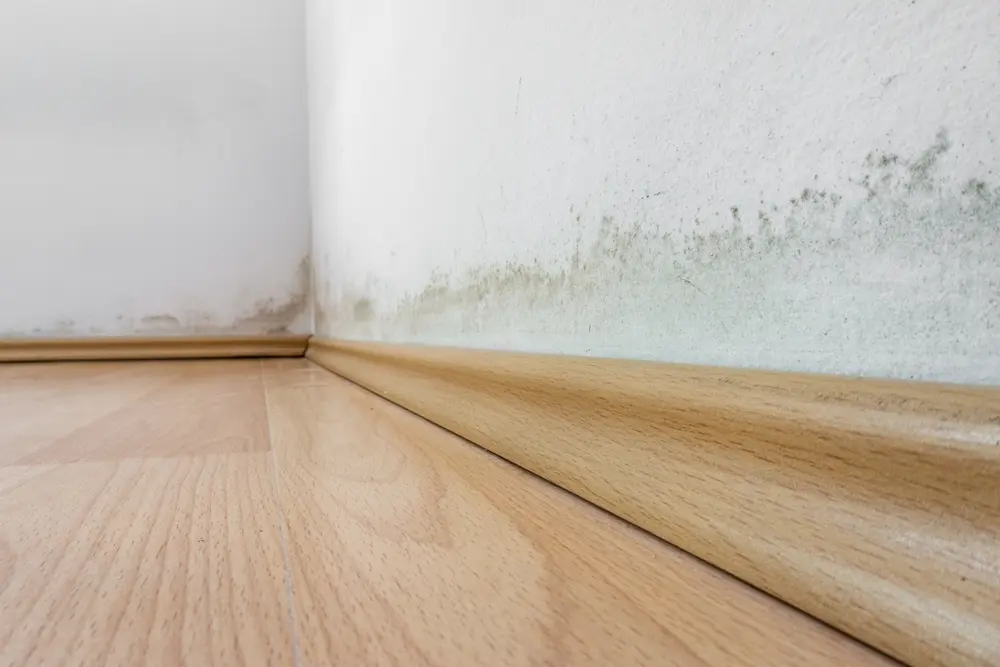
- Musty smells or persistent dampness
- Efflorescence (white, chalky residue) on walls
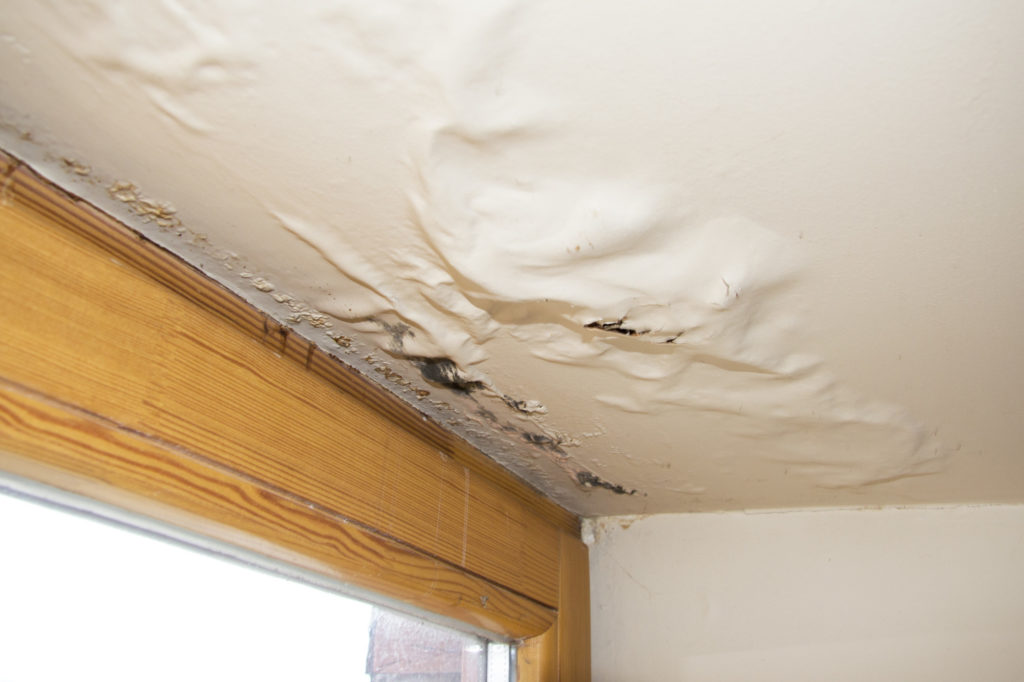
- Peeling paint or bubbling drywall
- Visible mold or mildew growth
- Rust on appliances or metal fixtures
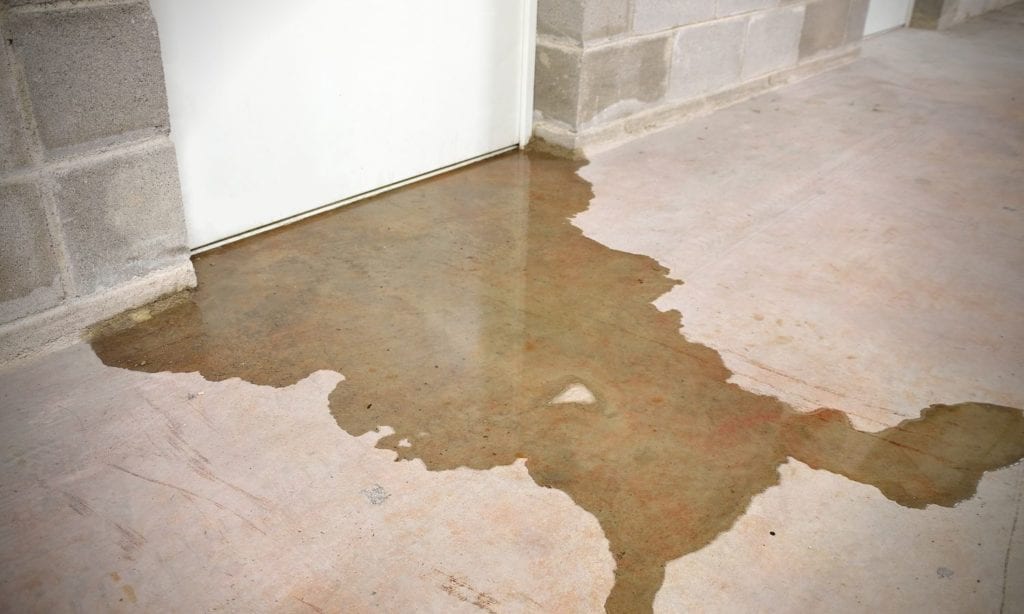
- Water stains or puddles, especially after rain
Installing a water leak detector can help you catch leaks before they become major problems. After all, prevention is often simpler and less expensive than cleanup.
Simple Fixes for Frequent Basement Water Problems
Once you’ve identified the source of the moisture, you can take targeted action. Here are straightforward solutions for the most widespread basement flooding causes:
Improving Exterior Drainage
- Extend Downspouts: Ensure downspouts discharge at least 6 feet from your foundation.
- Regrade Soil: Slope the ground away from your home to direct water flow.
- Install French Drains: These subsurface drains collect and redirect water away from the house.
Maintaining Gutters and Window Wells
- Clean gutters and downspouts regularly to prevent overflow.
- Install gutter guards to reduce debris buildup.
- Cover window wells with clear, secure covers to keep out rain and debris.
Sealing Cracks and Waterproofing
- Seal minor cracks in walls or floors with hydraulic cement or epoxy.
- Apply waterproof coatings to interior basement walls.
- For persistent leaks, consider professional exterior waterproofing.
Addressing Sump Pump and Plumbing Issues
- Test your sump pump regularly and keep a backup battery or generator on hand.
- Replace old or unreliable pumps before the rainy season.
- Fix leaking pipes or appliances promptly to avoid water accumulation.

Long-Term Prevention Strategies
While quick fixes can resolve immediate issues, investing in long-term solutions will help keep your basement dry year after year. Some effective strategies include:
- Install a Sump Pump with Battery Backup: This ensures water is removed even during power outages.
- Upgrade Foundation Waterproofing: Professional systems can block water before it enters your home.
- Regular Maintenance: Inspect your basement, plumbing, and drainage systems at least twice a year.
- Use Smart Sensors: Modern leak detectors provide early warnings via smartphone alerts.
For more detailed advice on protecting your property from water damage, check out this comprehensive guide to flood prevention for homeowners.
FAQ: Basement Water Issues Answered
What should I do first if my basement floods?
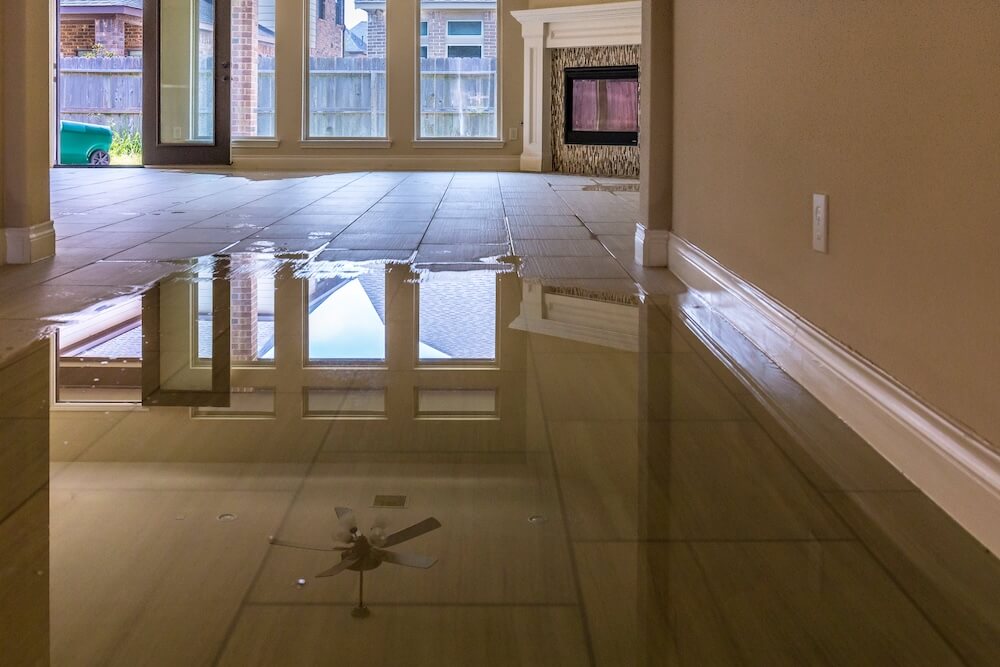
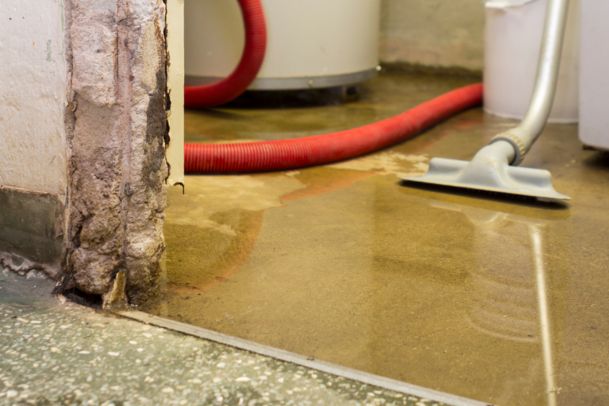
Start by ensuring it’s safe to enter—avoid standing water if electrical outlets or appliances are submerged. Remove water using a wet/dry vacuum or pump, then dry the area thoroughly to prevent mold. Identify and address the source of the water to avoid repeat incidents.
How can I tell if the problem is from outside or inside the house?
If water appears after rain or snowmelt, the issue is likely external—such as poor drainage or cracks. If flooding occurs regardless of weather, check for plumbing leaks, sump pump failures, or sewer backups.
Are DIY fixes enough for basement leaks?
Minor leaks and moisture can often be managed with DIY solutions like sealing cracks, improving drainage, and maintaining gutters. However, persistent or severe flooding may require professional assessment and waterproofing.
How often should I check my sump pump?
Test your sump pump at least twice a year, ideally before the rainy season and again in autumn. Pour water into the pit to ensure it activates and discharges properly.
Conclusion
Dealing with water in your basement can be stressful, but understanding the most frequent basement flooding causes and applying practical solutions makes prevention manageable. Regular maintenance, early detection, and a few simple upgrades can go a long way toward keeping your home dry and safe.
For more household tips and troubleshooting guides, explore our resources such as how to store corn masa for pressing and other helpful articles.