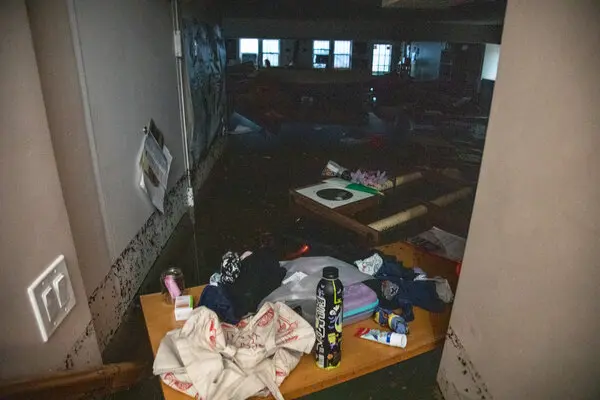
Flooding can cause severe damage to your property, disrupt daily life, and create long-term health risks if not addressed promptly. Whether the result of heavy rain, burst pipes, or natural disasters, excess water in your living space requires immediate attention. Understanding the most effective approaches for drying a flooded home is essential to minimize structural damage, prevent mold, and restore safety.
Acting quickly is crucial. The longer moisture remains, the greater the risk of permanent harm to floors, walls, and belongings. In this article, you’ll find practical steps, expert tips, and important safety considerations to help you recover your home after water intrusion. If you’re looking for more comprehensive advice on recovery, see our guide on what to do after home flooding.
Initial Steps to Take After Water Intrusion
Before starting the drying process, it’s important to ensure your safety and prevent further damage. Here are the first actions to take:
- Turn off electricity in affected areas to avoid electrical hazards.
- Stop the source of water if possible, such as shutting off the main valve for burst pipes.
- Wear protective gear like rubber boots and gloves to minimize exposure to contaminants.
- Document damage with photos for insurance claims.
- Remove valuable items and furniture to a dry area.
For additional advice on staying safe during cleanup, refer to our article on flood cleanup safety tips.
Removing Standing Water Efficiently
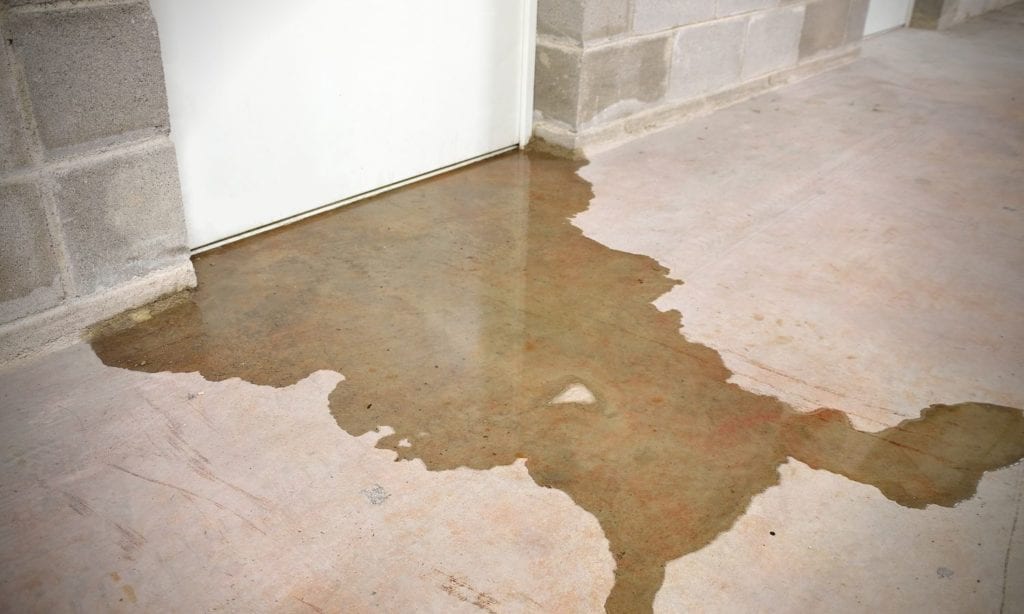
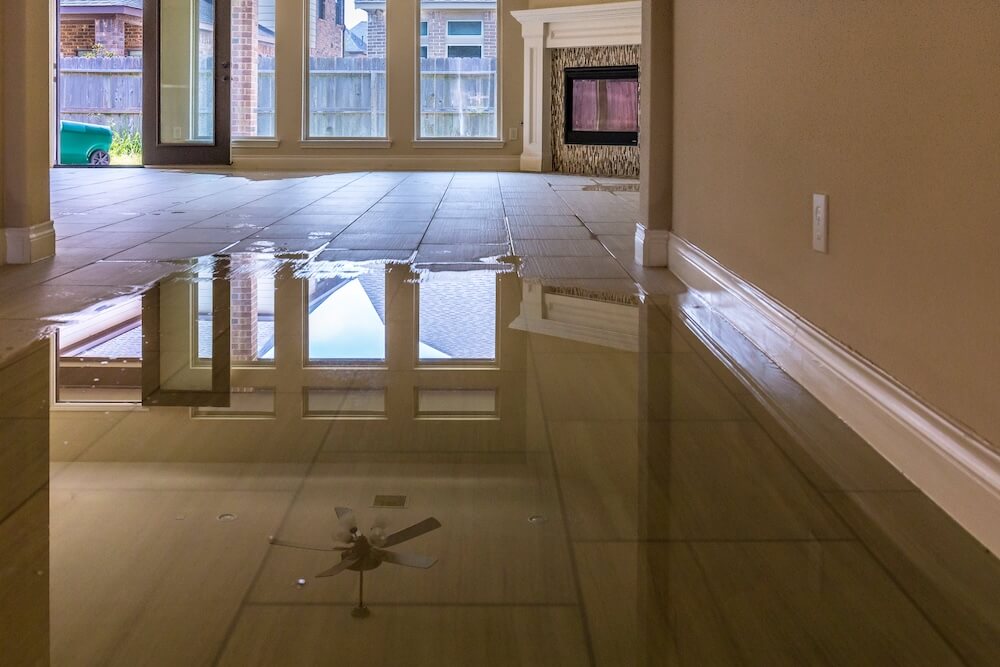
The first major task in drying a flooded home is eliminating standing water. The faster you remove water, the less likely it is to cause lasting damage.
- Use a wet/dry vacuum for small to moderate amounts of water. These are available at most hardware stores.
- Pumps are necessary for larger floods. Submersible pumps can quickly extract water from basements or lower levels.
- Mops and towels can help with residual moisture, especially on hard surfaces.
- Dispose of water away from your home’s foundation to prevent it from seeping back in.
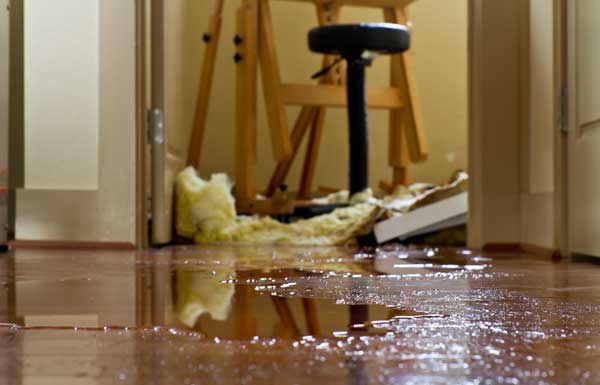
Effective Techniques for Drying Out Your Home
Once standing water is gone, the next step is to thoroughly dry all affected areas. This is where using the right equipment and techniques makes a significant difference.
Maximizing Airflow and Ventilation
- Open windows and doors to encourage cross-ventilation if weather permits.
- Set up fans to circulate air throughout the space. High-velocity fans are especially effective for speeding up evaporation.
- Use exhaust fans in bathrooms and kitchens to help remove moisture-laden air.
Using Dehumidifiers for Moisture Control
Dehumidifiers are essential for reducing humidity levels and extracting moisture from the air. For best results:
- Choose a dehumidifier rated for the size of the affected area.
- Empty the water reservoir regularly or set up a continuous drain if possible.
- Monitor humidity levels and aim for 30–50% relative humidity.
Drying Walls, Floors, and Hidden Spaces
Water can seep into drywall, insulation, and subfloors. To address these hidden risks:
- Remove baseboards and drill small holes near the floor to allow trapped moisture to escape.
- Pull up wet carpets and padding; these often need professional cleaning or replacement.
- Check behind cabinets and inside closets for dampness.
- Inspect insulation in walls and replace if saturated.
Preventing Mold and Secondary Damage
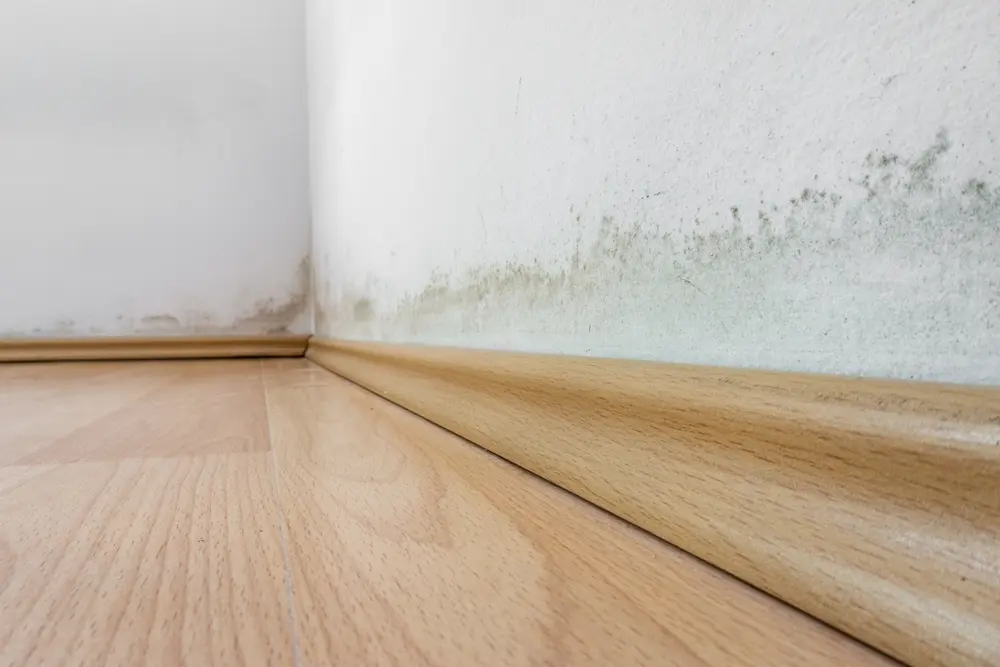
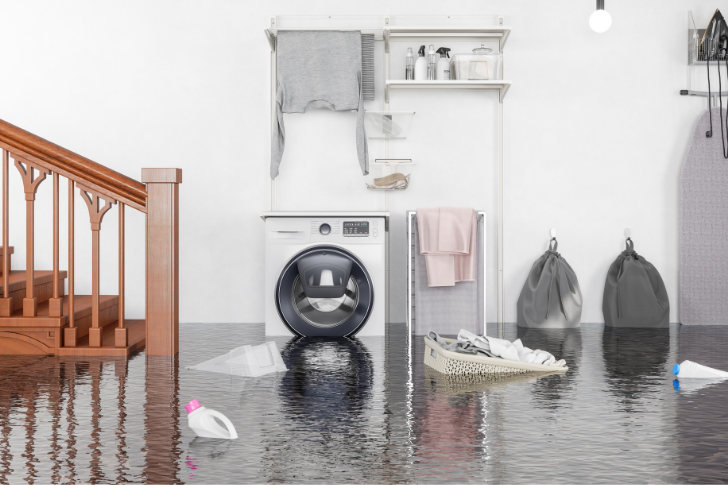
One of the biggest threats after water damage is mold growth. Mold can develop within 24–48 hours in damp environments. To reduce the risk:
- Continue running fans and dehumidifiers until all surfaces are completely dry.
- Clean hard surfaces with a disinfectant to kill bacteria and mold spores.
- Dispose of porous materials like drywall, insulation, and carpet padding if they cannot be thoroughly dried.
- Monitor for musty odors or visible mold, and address immediately if found.
For a deeper dive into this topic, see our resource on preventing mold growth after flood.
When to Call a Professional Restoration Service
While many homeowners can handle minor water damage, larger floods or contamination from sewage require expert help. Professional restoration teams have industrial-grade equipment and the expertise to ensure your home is safe and dry.
- Extensive flooding or water that has been standing for more than 24 hours.
- Contaminated water (from sewage or storm surges).
- Widespread mold growth or persistent odors.
- Structural damage to floors, walls, or ceilings.
For more strategies on reducing risk and preparing for future events, consult this flood mitigation guide for homeowners.
Long-Term Prevention and Maintenance
After your home is dry and repairs are complete, take steps to prevent future water damage:
- Install water leak detectors in basements, laundry rooms, and near appliances.
- Maintain gutters and downspouts to direct water away from your foundation.
- Seal cracks in walls and floors.
- Store valuables and important documents in waterproof containers. For more advice, review our article on protecting valuables from floods.
- Know your flood risk and consider flood insurance if you live in a high-risk area.
For proactive steps before water emergencies, see our homeowner guide on flood preparedness.
Frequently Asked Questions
How long does it take to dry out a flooded house?
The drying process can take anywhere from a few days to several weeks, depending on the extent of the flooding, the materials affected, and the drying methods used. Using fans, dehumidifiers, and proper ventilation can speed up the process. It’s important to ensure all hidden moisture is addressed to prevent mold growth.
Can I dry my home myself, or do I need professionals?
Homeowners can often handle minor water damage with the right equipment and prompt action. However, for large-scale flooding, contaminated water, or if mold is already present, it’s best to contact a professional restoration service to ensure safety and thorough drying.
What are the signs that my home is not fully dry?
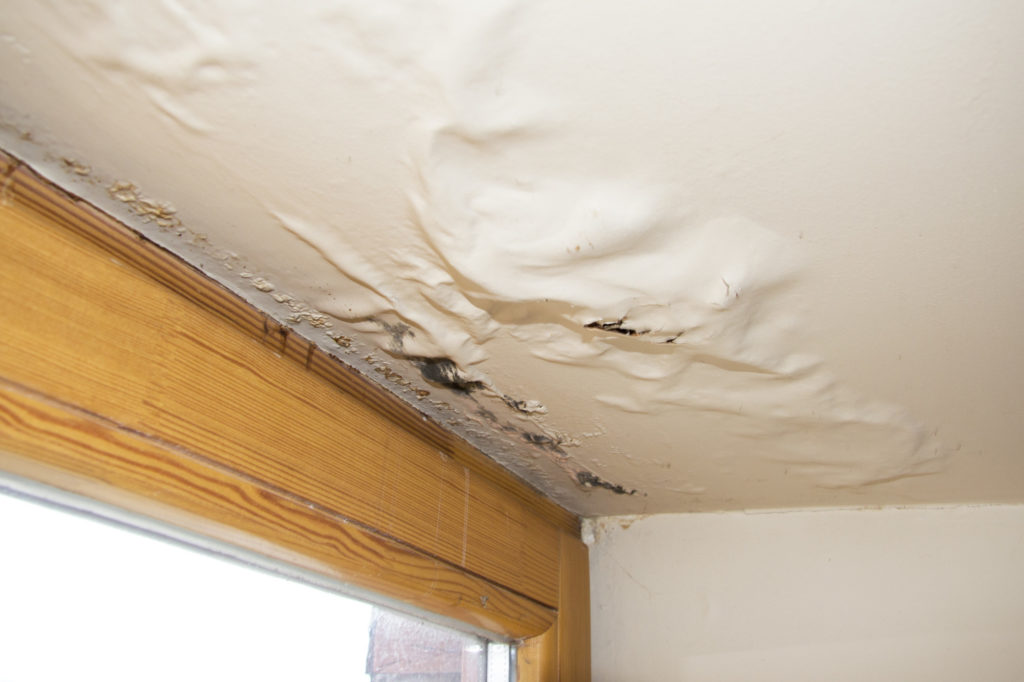
Persistent musty odors, discoloration on walls or ceilings, warped flooring, and visible mold are indicators that moisture remains. Use moisture meters to check hidden areas, and continue drying efforts until all signs of dampness are gone.