Water damage is one of the most costly and disruptive problems a homeowner can face. When heavy rains, rising groundwater, or plumbing failures occur, your property’s foundation is at risk. Taking proactive steps for foundation flood prevention can help you avoid expensive repairs, protect your belongings, and maintain a safe, healthy living environment.
This article covers practical strategies to minimize flood risks around your home’s base, explains why these measures matter, and provides clear guidance on how to get started. You’ll also find answers to common questions and resources for further preparation. For those interested in related home maintenance tips, you might also enjoy our guide on how to flatten empanadas with a press.

Understanding the Risks of Water Intrusion
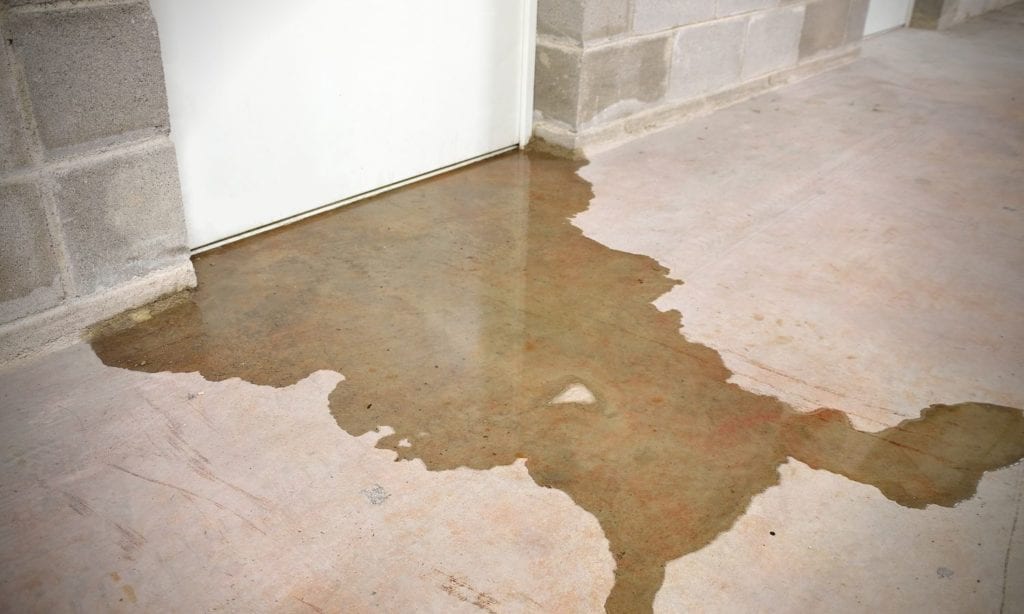
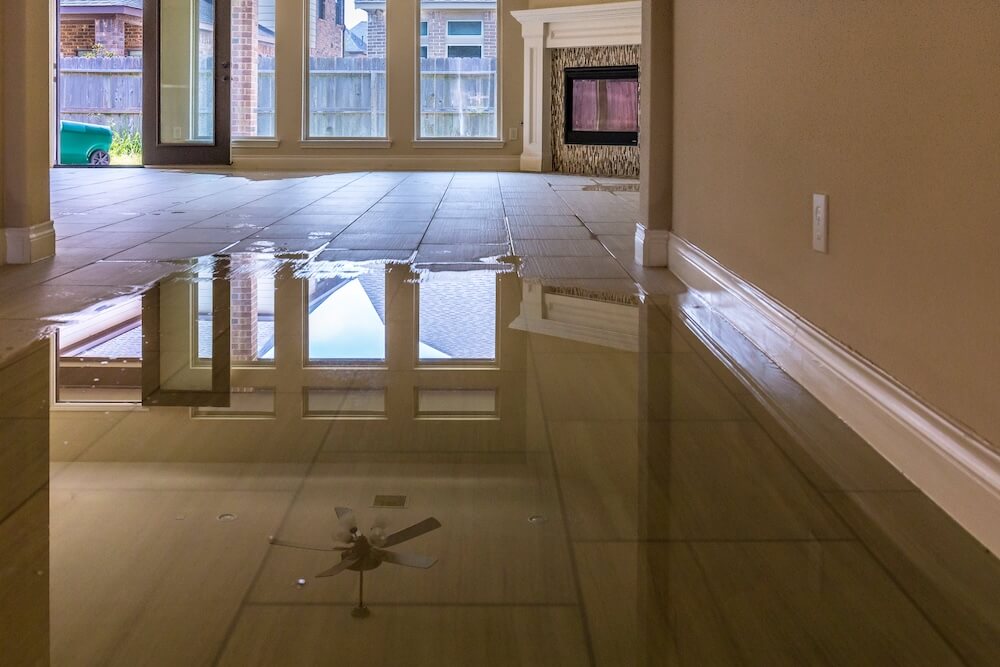
The foundation is the structural base of your home. When water seeps into or pools around it, the consequences can be severe. Water intrusion can cause cracks, weaken concrete, promote mold growth, and even lead to long-term structural instability. In some cases, repeated flooding can undermine the soil beneath your house, resulting in uneven settling or shifting.
Common causes of foundation flooding include:
- Heavy rainfall overwhelming drainage systems
- Poorly graded landscaping that directs water toward the house
- Clogged gutters and downspouts
- Broken or leaking pipes near the foundation
- Rising groundwater or high water tables
Recognizing these risks is the first step toward effective foundation flood prevention.
Key Strategies for Preventing Flood Damage to Your Foundation
Protecting your home from water damage requires a combination of landscaping, building maintenance, and sometimes specialized equipment. Here are the most effective steps you can take:
1. Maintain Proper Drainage Around Your Home
Ensuring that water flows away from your foundation is essential. Check that your yard slopes gently outward from the house, ideally dropping at least six inches over the first ten feet. If necessary, add soil to low spots or install French drains to redirect water.
2. Keep Gutters and Downspouts Clear
Gutters and downspouts are your first line of defense against roof runoff. Clean them regularly to prevent blockages, and extend downspouts at least five feet from your foundation. This simple maintenance step can significantly reduce the risk of water pooling near your home’s base.

3. Waterproof Your Basement and Foundation Walls
Applying waterproof sealants to basement walls and floors can help block moisture. For homes in flood-prone areas, consider installing a sump pump to remove water that enters the basement. Regularly inspect for cracks in foundation walls and repair them promptly to prevent leaks.
4. Install Foundation Flood Barriers
Physical barriers such as flood shields or sandbags can provide temporary protection during severe weather events. For long-term solutions, some homeowners opt for permanent flood barriers or specialized drainage systems that channel water away from the foundation.
5. Use Smart Technology for Early Detection
Modern leak detectors and smart sensors can alert you to water presence before it becomes a major problem. Placing these devices in basements, crawl spaces, or near vulnerable plumbing can help you act quickly if a leak or flood is detected.
Foundation Flood Prevention Maintenance Checklist
Regular inspections and maintenance are crucial for ongoing protection. Use this checklist to stay on top of essential tasks:
- Inspect gutters and downspouts every season
- Test sump pumps annually and after major storms
- Check for cracks or damp spots in basement walls
- Verify that landscaping slopes away from the house
- Monitor for signs of mold or musty odors
- Install and test water leak detectors
For more detailed preparation steps, review this comprehensive flood readiness guide from a trusted authority.
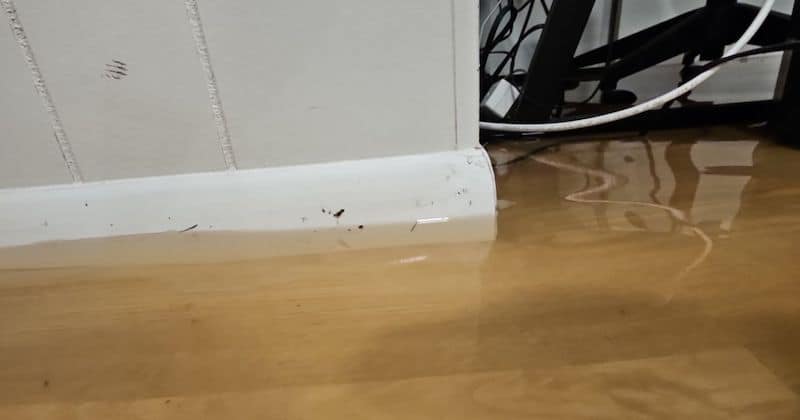
Common Foundation Flood Prevention Mistakes to Avoid
Even well-intentioned homeowners can overlook key details. Here are some frequent errors to watch out for:
- Neglecting to clean gutters, leading to overflow and pooling
- Ignoring small cracks in foundation walls, which can widen over time
- Planting shrubs or trees too close to the house, which can disrupt soil and drainage
- Assuming insurance covers all types of water damage—many policies exclude flood-related issues
- Delaying repairs after minor leaks or water intrusion
Addressing these issues promptly and consistently will help keep your foundation strong and dry.
When to Call a Professional
While many foundation flood prevention steps can be handled by homeowners, some situations require expert help. If you notice persistent dampness, large cracks, or signs of shifting in your foundation, consult a licensed contractor or structural engineer. Professionals can assess your property’s unique risks and recommend tailored solutions, such as advanced drainage systems or foundation reinforcement.
FAQ: Foundation Flood Protection
What are the first signs of foundation water damage?
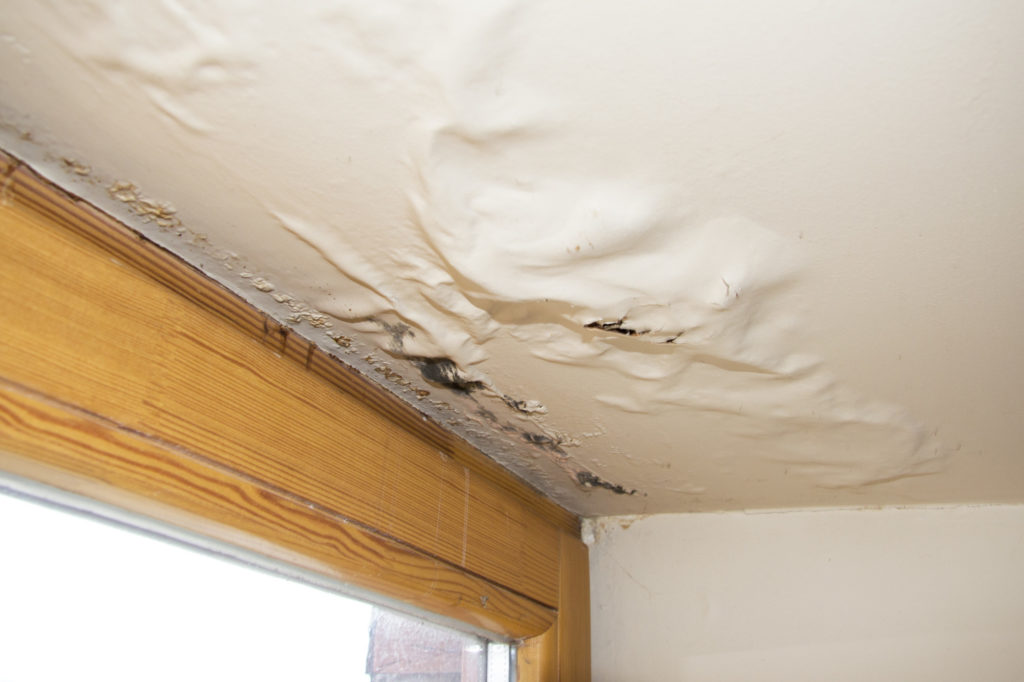
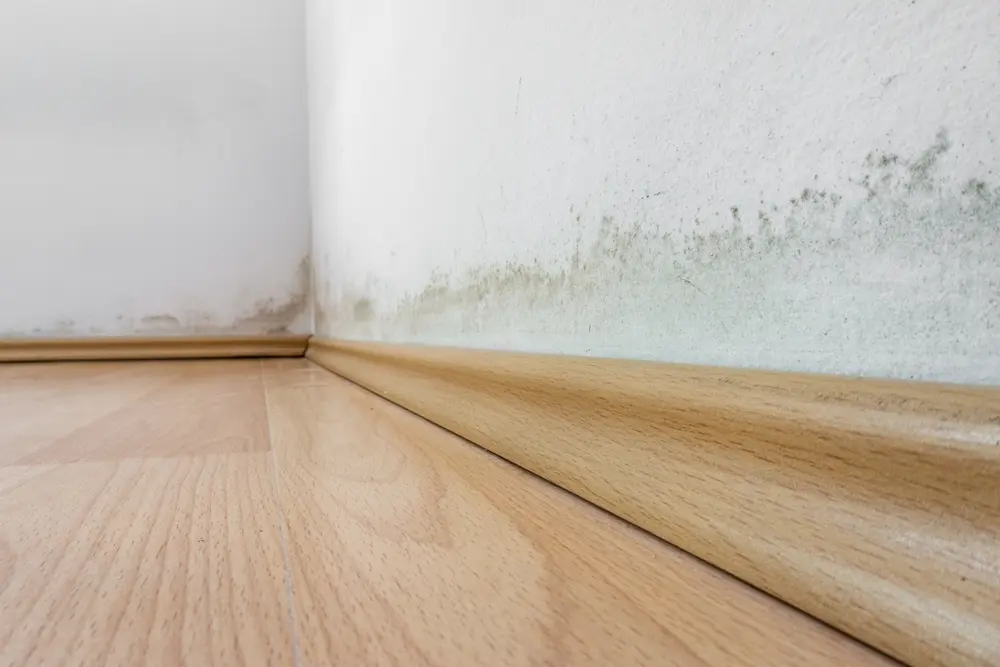
Early indicators include musty odors, visible mold, peeling paint or wallpaper, and small cracks in basement walls or floors. You may also notice doors or windows sticking, which can signal shifting due to moisture.
How often should I inspect my foundation for flood risks?
It’s wise to check your foundation and drainage systems at least twice a year—ideally in spring and fall. After major storms or rapid snowmelt, perform a quick inspection to catch any new issues.
Do smart leak detectors really help prevent serious damage?
Yes, smart leak detectors can provide early warnings about leaks or flooding, allowing you to respond quickly and minimize harm. They are especially useful in basements, crawl spaces, or areas with older plumbing.
Conclusion
Taking action to safeguard your home’s foundation from water damage is an investment in your property’s long-term value and your family’s safety. By combining regular maintenance, smart technology, and professional guidance when needed, you can significantly reduce the risk of costly repairs. For more tips on home care and maintenance, explore our other resources, such as the cast iron tortilla press weight guide.