Every year, residential fires put families and property at risk. Taking a proactive approach to home fire safety planning can make a significant difference in protecting your loved ones and minimizing damage. Whether you live in a house or an apartment, having a clear strategy and the right tools in place is essential for peace of mind and real safety.
Modern technology, such as smart alarms and energy monitors, can enhance your preparedness, but the foundation of safety is always a well-thought-out plan. This article covers the essential steps for creating a comprehensive fire safety strategy, from prevention to emergency response. For those interested in the latest advancements in home protection, resources like next-generation home security systems offer valuable insights into integrating technology with traditional safety practices.
Why a Fire Safety Plan Matters
Fires can start unexpectedly and spread rapidly, leaving little time to react. A well-prepared plan ensures everyone in the household knows what to do and where to go, reducing panic and confusion. In addition to saving lives, a solid fire safety approach can help limit property loss and speed up recovery after an incident.
Developing a plan is not just about having smoke detectors—it’s about understanding risks, practicing escape routes, and ensuring everyone is equipped to respond quickly. Families with children, elderly members, or pets need to tailor their strategies to address specific needs.
Assessing Fire Risks in Your Home
The first step in effective home fire safety planning is identifying potential hazards. Common sources of residential fires include:
- Cooking equipment left unattended
- Faulty electrical wiring or overloaded outlets
- Heating devices placed too close to flammable materials
- Candles and open flames
- Smoking indoors
Conduct a thorough walk-through of your home, paying attention to areas where these risks are most likely. Addressing hazards early is a key part of prevention. For more on keeping your living space safe, explore topics like home hygiene protection systems to complement your fire safety efforts.
Essential Components of a Fire Safety Plan
A comprehensive plan should include the following elements:
- Smoke and Carbon Monoxide Detectors: Install alarms in every bedroom, hallway, and on each level of your home. Test them monthly and replace batteries at least once a year.
- Fire Extinguishers: Place extinguishers in key locations such as the kitchen, garage, and near exits. Ensure everyone knows how to use them.
- Escape Routes: Identify at least two ways out of every room. Make sure windows and doors open easily and are not blocked.
- Meeting Point: Designate a safe spot outside where everyone will gather after evacuating.
- Emergency Contacts: Keep a list of important phone numbers, including local fire departments and emergency services, in an accessible place.
Review and update your plan regularly, especially after renovations or changes in household members.
Integrating Technology Into Fire Safety
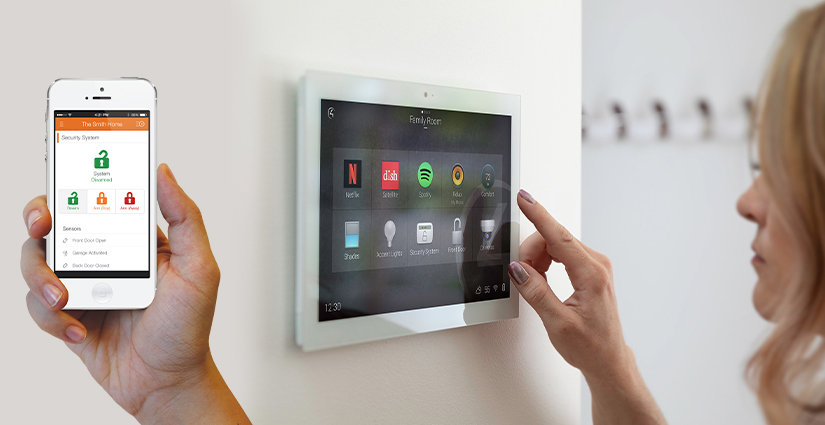
Smart home devices can greatly enhance your fire safety measures. Modern systems offer features like remote monitoring, instant alerts, and integration with emergency services. For example, smart smoke detectors can send notifications to your phone, while energy monitors help identify electrical risks before they become hazards.

For those looking to stay ahead of the curve, the future of home protection technology is bringing even more advanced solutions to market, making it easier than ever to monitor and respond to fire threats.
Practicing Your Fire Escape Plan
Having a plan is only effective if everyone knows how to follow it. Schedule regular fire drills—at least twice a year—to ensure all household members understand what to do. Practice evacuating from different rooms and using alternative exits. Teach children how to check doors for heat and to stay low to avoid smoke inhalation.
Discuss scenarios such as what to do if someone is trapped or if smoke blocks all exits. Make sure everyone knows how to call emergency services once they are safely outside.
Special Considerations for Vulnerable Family Members
Households with young children, elderly individuals, or people with disabilities should adapt their fire safety strategies accordingly. Assign someone to assist those who may need help evacuating. Keep mobility aids and necessary medications close to exits. If you have pets, include them in your drills and ensure carriers or leashes are easily accessible.
For more tips on making your home safer and more accessible, consider exploring smart homeowner solutions that can be customized for your family’s unique needs.
Maintaining and Reviewing Your Fire Safety Plan
Regular maintenance is vital for keeping your safety measures effective. Test alarms monthly, inspect fire extinguishers, and review escape routes for any new obstacles. Update your plan after any major changes, such as renovations or new household members.
Stay informed about the latest safety recommendations from local authorities and consider consulting resources like this guide to proactive protection for additional strategies to safeguard your home and loved ones.

Additional Tips for Preventing Fires at Home
- Never leave cooking unattended, especially when using oil or high heat.
- Keep flammable items away from heaters and stoves.
- Use surge protectors and avoid overloading electrical outlets.
- Store matches and lighters out of reach of children.
- Have your electrical system inspected by a professional if you notice flickering lights or frequent breaker trips.
For homes with crawl spaces or unique layouts, consider specialized solutions like crawl space monitoring solutions to detect issues in less visible areas.
FAQ: Common Questions About Fire Safety at Home
How often should I test my smoke detectors?
It’s recommended to test smoke detectors once a month. Replace batteries at least once a year and replace the entire unit every 10 years or as specified by the manufacturer.
What should I do if my primary escape route is blocked by fire or smoke?
If your main exit is inaccessible, use your secondary route. If all exits are blocked, seal cracks around doors with towels, call emergency services, and signal for help from a window.
Are smart home devices reliable for fire detection?
Modern smart alarms and sensors are highly effective when installed and maintained properly. They can provide instant alerts and remote notifications, but they should always be used alongside traditional safety measures like regular drills and manual checks.
How can I help children understand fire safety?
Teach children about the dangers of fire in age-appropriate ways. Practice escape drills, show them how to stay low in smoke, and make sure they know not to hide during a fire. Reassure them that firefighters are there to help.
Taking the time to develop and maintain a thorough fire safety plan is one of the most important steps you can take to protect your household. By combining traditional safety practices with modern technology, you can create a safer environment for everyone in your home.