Managing indoor humidity is essential for maintaining a comfortable and healthy home. Excess moisture can lead to mold growth, structural damage, and poor air quality, while overly dry conditions can cause discomfort and health issues. By implementing effective home moisture control solutions, you can protect your living environment, improve energy efficiency, and safeguard your family’s well-being.
Understanding the sources of moisture and the best ways to address them is the first step toward creating a balanced indoor climate. This article explores practical strategies, smart technologies, and maintenance tips to help you achieve optimal humidity levels throughout your home.
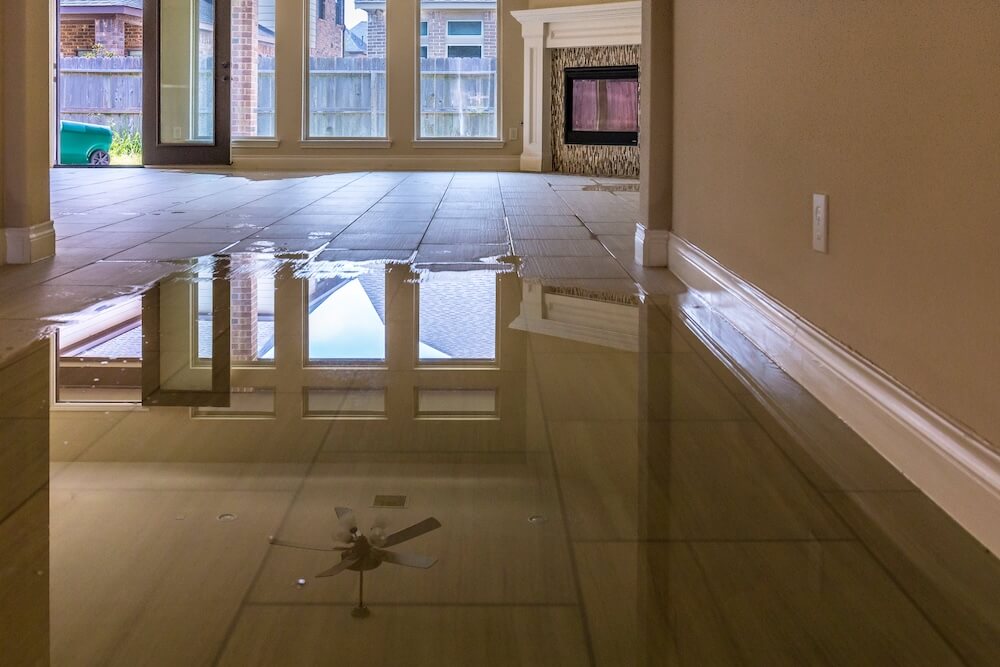
For those interested in a holistic approach to home safety, consider exploring home flood prevention strategies to further protect your property from water-related risks.
Why Moisture Management Matters in Every Home
Maintaining the right humidity level is more than just a comfort issue. Excess moisture can create an environment where mold, dust mites, and bacteria thrive. This not only damages building materials but also triggers allergies and respiratory problems. On the other hand, air that’s too dry can cause skin irritation, static electricity, and even cracks in wood furnishings or floors.
Effective moisture control helps prevent:
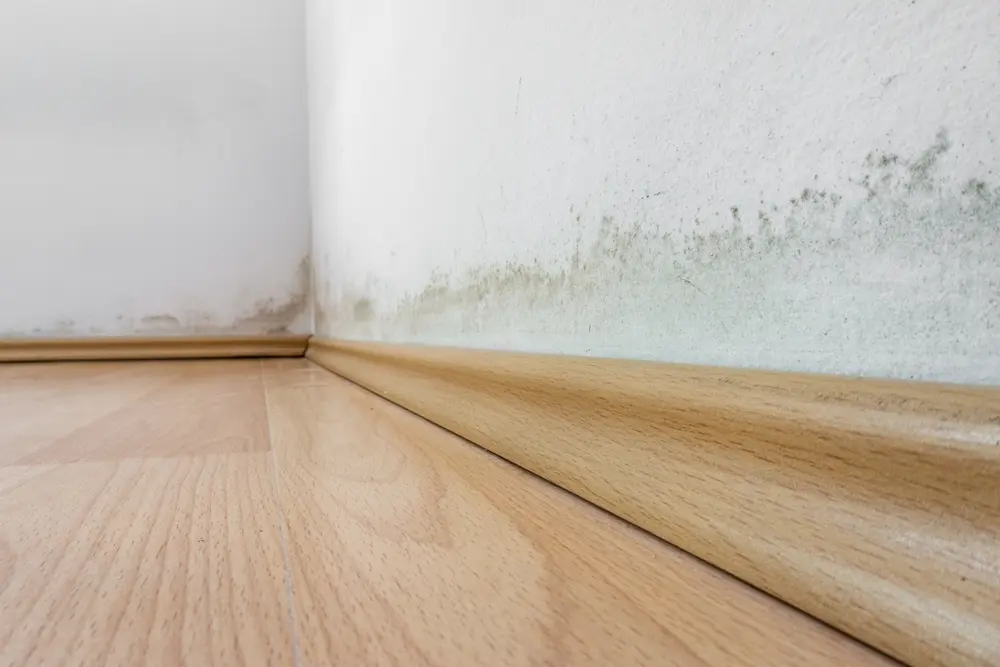
- Mold and mildew growth
- Warping or rotting of wood structures
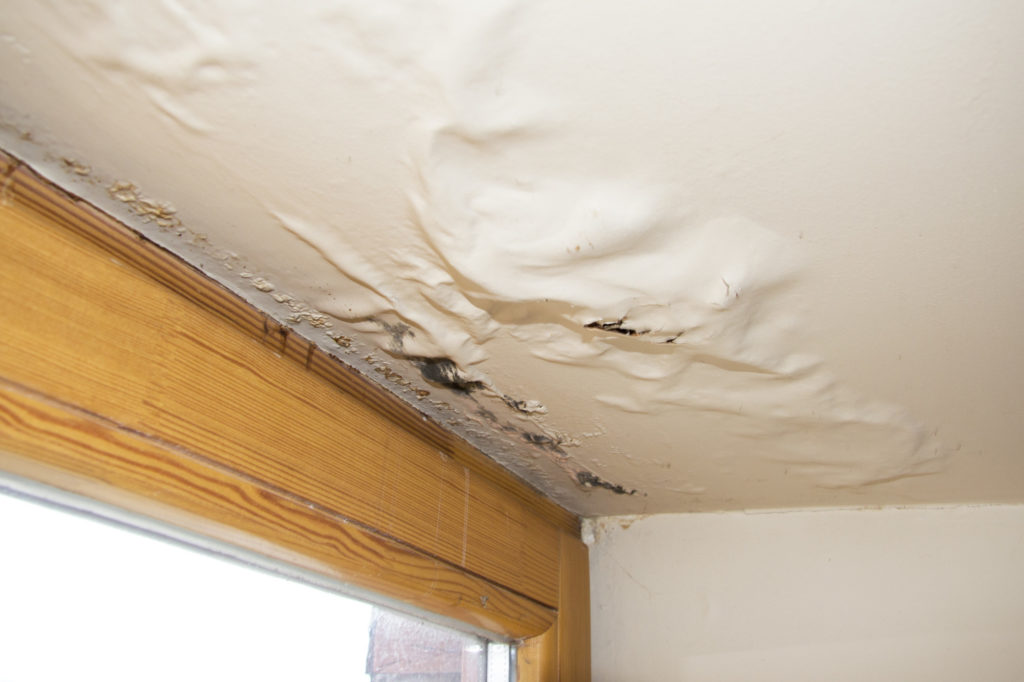
- Peeling paint and wallpaper
- Unpleasant odors
- Health issues related to poor indoor air quality
Common Sources of Indoor Moisture
To select the right home moisture control solutions, it’s important to identify where unwanted humidity originates. Typical sources include:
- Cooking and showering, which release steam
- Leaky roofs, windows, or plumbing fixtures
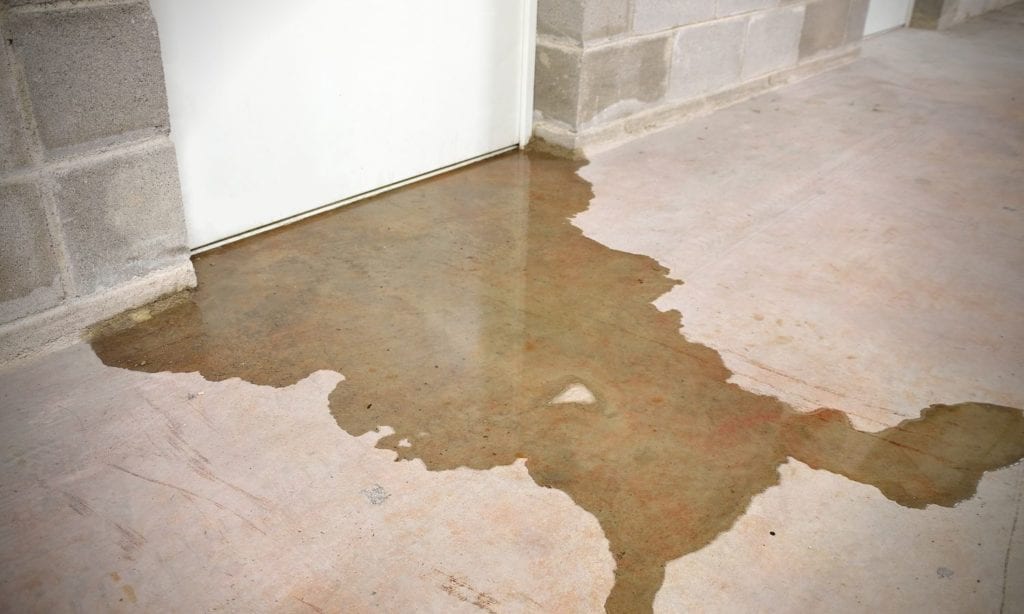
- Basement seepage or poor drainage around the foundation
- Poorly vented appliances like dryers
- Inadequate ventilation in bathrooms and kitchens
Addressing these sources directly is the foundation of any successful moisture management plan.
Smart Home Moisture Control Solutions
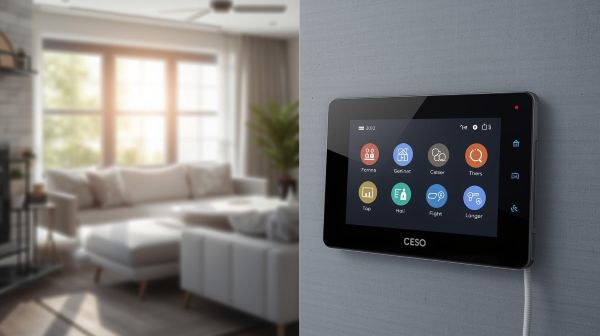
Modern technology offers a range of tools to help monitor and manage humidity levels. Integrating smart devices into your home can provide real-time data, automate ventilation, and alert you to potential problems before they escalate.
- Smart humidity sensors: These devices track indoor moisture and temperature, sending alerts to your smartphone if levels become unhealthy.
- Automated dehumidifiers: Connected models can adjust their operation based on sensor readings, ensuring consistent humidity control.
- Leak detectors: Placed near water heaters, washing machines, or under sinks, these sensors notify you immediately if a leak is detected.
- Integrated ventilation systems: Smart exhaust fans and whole-house ventilators can be programmed or triggered automatically to maintain balanced airflow.
For a comprehensive approach to home protection, you might also be interested in intelligent home security systems that integrate environmental monitoring with security features.
Practical Steps for Reducing Indoor Humidity
While technology plays a key role, there are also simple, hands-on measures every homeowner can take to keep moisture in check:
- Use exhaust fans in bathrooms and kitchens during and after activities that generate steam.
- Fix leaks promptly in roofs, windows, and plumbing to prevent water intrusion.
- Improve drainage around your foundation by cleaning gutters and ensuring downspouts direct water away from the house.
- Seal cracks in walls, floors, and around windows to block moisture entry.
- Store firewood and other absorbent materials outside the living area.
- Dry clothes outdoors or use a vented dryer to avoid adding moisture to indoor air.
Regular maintenance is essential. For more guidance, check out essential home maintenance for safety to keep your property in top condition.

Choosing the Right Dehumidifiers and Ventilation Systems
When selecting equipment for moisture management, consider the size of your space, the typical humidity levels, and your specific needs:
- Portable dehumidifiers: Ideal for single rooms or problem areas like basements. Look for models with automatic shut-off and digital controls.
- Whole-house dehumidifiers: These systems integrate with your HVAC and are effective for large homes or persistent humidity issues.
- Energy-efficient ventilation: Heat recovery ventilators (HRVs) and energy recovery ventilators (ERVs) exchange stale indoor air for fresh outdoor air while minimizing energy loss.
Smart energy monitors can help you track the impact of these devices on your utility bills, ensuring your solutions are both effective and efficient.
Integrating Moisture Control with Home Security
Modern homes benefit from integrating environmental monitoring with security systems. Many smart alarms now include sensors for water leaks, humidity, and temperature, providing a comprehensive approach to home protection. For first-time homeowners, this ultimate guide to home security offers valuable insights on combining safety and comfort.
Combining moisture control with other smart home features can help you respond quickly to potential threats and maintain a healthy environment year-round.
Routine Maintenance and Prevention Tips
Consistent upkeep is key to preventing moisture problems before they start. Here are some ongoing tasks to include in your routine:
- Check for condensation on windows and pipes, especially during colder months.
- Inspect attics and crawl spaces for signs of dampness or mold.
- Test sump pumps and backup systems regularly if you have a basement.
- Replace HVAC filters and clean ducts to ensure proper airflow.
- Monitor humidity levels with a hygrometer, aiming for 30–50% relative humidity indoors.
For more on optimizing your home’s safety, see our guide to safe room planning at home for additional peace of mind.
FAQ: Moisture Control in Residential Spaces
What is the ideal indoor humidity level for a home?
The recommended indoor humidity level is between 30% and 50%. This range helps prevent mold growth, dust mites, and other allergens, while also protecting your home’s structure and furnishings.
How can I tell if my home has a moisture problem?
Common signs include condensation on windows, musty odors, visible mold or mildew, peeling paint, and warped wood. Using a hygrometer can help you monitor humidity levels accurately.
Are smart home devices effective for managing moisture?
Yes, smart sensors, dehumidifiers, and leak detectors can provide real-time alerts and automate responses to changing humidity levels. They are especially useful for early detection and ongoing management.
Can moisture control help with energy efficiency?
Absolutely. Proper humidity management can reduce the workload on your HVAC system, lower energy bills, and extend the lifespan of your equipment.
What should I do if I discover mold in my home?
Address the source of moisture immediately, clean small areas with appropriate cleaners, and consult a professional for large or persistent mold problems. Preventing future moisture buildup is essential to avoid recurrence.