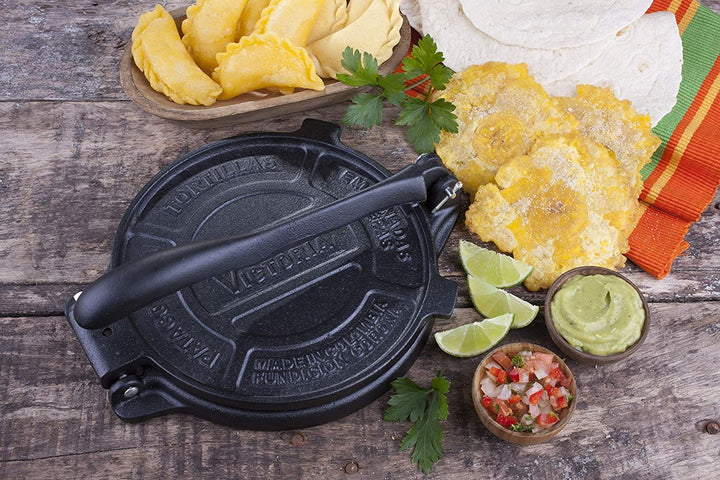
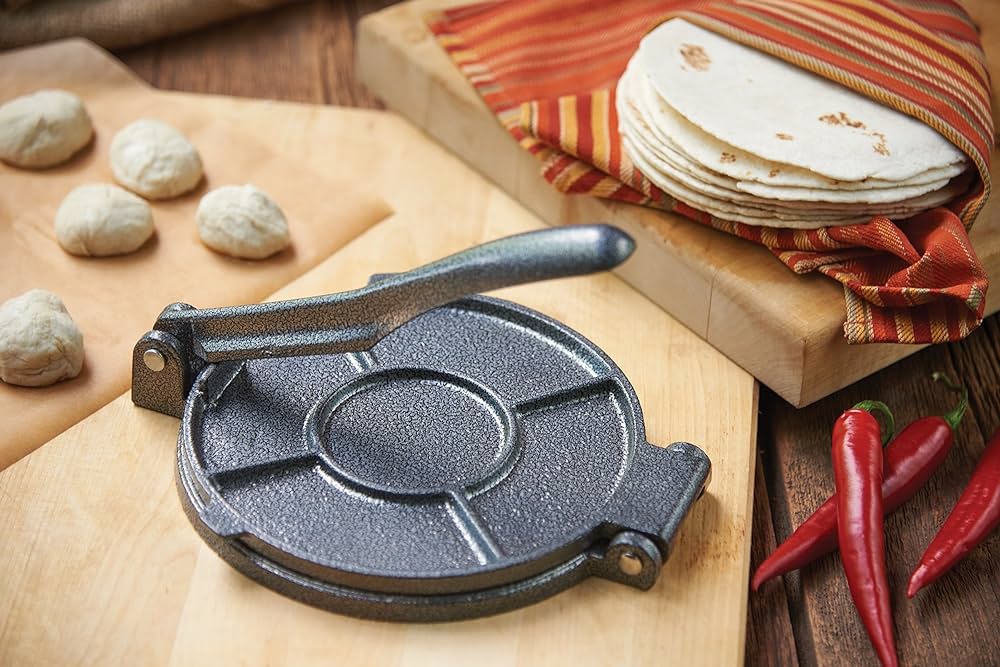
Cast iron cookware is prized for its durability and ability to deliver excellent results in the kitchen. However, over time, carbon buildup can accumulate on the surface, affecting performance, flavor, and even the appearance of your pans or presses. Knowing how to remove carbon buildup from cast iron is essential for keeping your cookware in top shape and ensuring safe, even cooking.
This guide covers the most effective deep cleaning techniques, recommended tools, and maintenance tips to restore your cast iron to its best condition. Whether you’re dealing with a tortilla press, skillet, or griddle, these steps will help you tackle stubborn residue and prevent future buildup.
For those interested in related care and prep tips, you might also find value in learning how to press tortillas for chilaquiles for optimal results with your cast iron tortilla press.
Understanding Carbon Buildup on Cast Iron
Carbon buildup forms when oils, fats, and food particles are repeatedly heated on cast iron surfaces. Over time, these residues harden into a black, flaky, or sticky layer that can interfere with seasoning and cooking. While a thin, even layer of seasoning is desirable, excessive or uneven carbon deposits can:
- Cause food to stick
- Impart off-flavors
- Lead to uneven heating
- Make cleaning more difficult
Regular maintenance prevents these issues, but even well-cared-for cookware may require a deep clean occasionally.
Essential Tools and Safety Precautions
Before tackling tough residue, gather the following supplies:
- Stiff-bristled brush or non-metallic scrub pad
- Coarse kosher salt
- Plastic scraper or spatula
- Baking soda (optional for stubborn spots)
- Hot water
- Paper towels or lint-free cloth
- Oven mitts or heat-resistant gloves
For heavy-duty cleaning, you may also need:
- Steel wool (for unseasoned or extremely dirty pans only)
- Oven (for self-cleaning method)
- White vinegar (for rust removal, not carbon)
Safety tip: Always allow cast iron to cool before cleaning, and wear gloves if using abrasive tools or handling hot cookware.
Step-by-Step: Deep Cleaning Methods for Removing Carbon Residue
There are several proven methods for eliminating carbon buildup from cast iron. Choose the approach that matches the severity of the residue and the type of cookware you’re cleaning.
1. Scrubbing with Salt and Hot Water
This gentle method is ideal for moderate buildup and won’t strip your seasoning:
- Sprinkle a generous amount of coarse kosher salt onto the surface.
- Add a small amount of hot water to form a paste.
- Scrub vigorously with a stiff brush or non-metallic pad, focusing on problem areas.
- Rinse thoroughly with hot water and wipe dry.
This process removes food particles and loose carbon without damaging the seasoned layer.
2. Using a Plastic Scraper for Stubborn Spots
If salt scrubbing isn’t enough, use a plastic scraper or spatula to gently lift off stuck-on carbon. Avoid metal tools, which can gouge the surface. Work slowly and reapply salt paste as needed.
3. Baking Soda Paste for Persistent Buildup
Baking soda is mildly abrasive and can help break down tough carbon:
- Mix baking soda with a little water to create a thick paste.
- Apply to the affected areas and let sit for 10–15 minutes.
- Scrub with a brush or pad, then rinse thoroughly.
This method is effective for sticky or burnt-on residue that resists regular cleaning.
4. Oven Self-Cleaning Cycle (For Severe Buildup)
For cookware with heavy, baked-on carbon, the oven’s self-cleaning cycle can burn away residue. This method will remove all seasoning, so be prepared to re-season your pan afterward:
- Place the cast iron upside down on the oven rack.
- Run the self-cleaning cycle (follow your oven’s instructions).
- Allow to cool completely before handling.
- Scrub off any remaining ash, rinse, and dry thoroughly.
After this process, immediately apply a thin layer of oil and bake to restore the seasoning.

Restoring and Re-Seasoning After Deep Cleaning
Once you’ve removed the carbon layer, your cast iron may appear dull or gray. This is normal, as deep cleaning can strip away some or all of the seasoning. To restore the nonstick surface and protect against rust:
- Dry the cookware completely (heat on the stovetop if needed).
- Apply a thin, even layer of neutral oil (such as flaxseed, canola, or vegetable oil).
- Bake upside down in a 450°F (230°C) oven for 1 hour, placing foil on the rack below to catch drips.
- Let cool in the oven before storing.
Repeat this process 2–3 times for best results, especially if the seasoning was completely removed.
Preventing Future Carbon Buildup
Consistent care is the best way to avoid heavy residue. Here are some tips to keep your cast iron in excellent condition:
- Clean promptly after each use—avoid letting food dry on the surface.
- Use minimal soap (if any) and avoid soaking for long periods.
- Dry thoroughly and oil lightly after washing.
- Store in a dry place to prevent rust and residue buildup.
- Re-season as needed to maintain a protective layer.
For more tips on cast iron maintenance, see this helpful guide on the dos and don’ts of cleaning your cast iron tortilla press.
Common Mistakes to Avoid When Cleaning Cast Iron
Even with the best intentions, it’s easy to make mistakes that can damage your cookware or make carbon buildup worse. Avoid these pitfalls:
- Using harsh detergents or soaking for long periods, which can strip seasoning and promote rust.
- Scraping with metal utensils, which can scratch the surface.
- Storing cast iron while damp, leading to rust and residue.
- Applying thick layers of oil during seasoning, which can become sticky and attract carbon buildup.
Stick to gentle cleaning and regular maintenance for the best results.
Related Cast Iron and Tortilla Press Care Topics
Proper care extends beyond cleaning. If you use a tortilla press, you might also want to know how to fix a wobbly tortilla press base for stability, or explore how to use a tortilla press for cookies for creative baking ideas. For those aiming for perfectly flat results, check out how to test if your tortilla press is flat and for crispy tostadas, see how to press tortillas for tostadas.
Frequently Asked Questions
Can I use soap to clean cast iron after removing carbon buildup?
Yes, a small amount of mild soap is safe for occasional use, especially after deep cleaning. Rinse thoroughly and dry immediately to prevent rust. Avoid harsh detergents or soaking for extended periods.
How often should I deep clean my cast iron cookware?
Deep cleaning is only necessary when you notice significant carbon buildup, sticky residue, or off-flavors. With regular maintenance, most users only need to deep clean once or twice a year.
Is it safe to use steel wool on cast iron?
Steel wool can be used for severe carbon buildup or rust, but it will remove seasoning. Use it sparingly and always re-season your cookware afterward to restore the protective layer.
What oils are best for re-seasoning cast iron after cleaning?
Neutral oils with a high smoke point, such as flaxseed, canola, or vegetable oil, are ideal for seasoning. Apply a thin layer and bake as described above for a durable, nonstick finish.
Why does my cast iron feel sticky after cleaning?
Sticky residue usually results from applying too much oil during seasoning or not heating it long enough. Wipe off excess oil and bake at a high temperature to polymerize the oil and create a smooth surface.