Seasoning cast iron cookware is essential for maintaining a nonstick surface and preventing rust. However, many home cooks are concerned about the smoke and lingering odors that can result from traditional seasoning methods, especially when working indoors. If you want to know how to season cast iron without smoke, there are effective techniques and tips that allow you to achieve a durable, glossy finish without filling your kitchen with haze.
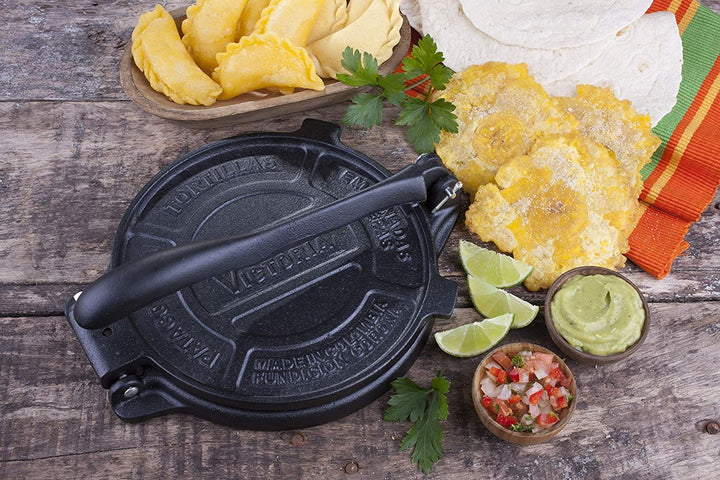
This guide covers the best approaches for indoor seasoning, including oil selection, temperature control, and practical steps to minimize smoke. Whether you’re restoring a vintage skillet or maintaining your favorite tortilla press, you’ll find actionable advice to keep your cast iron in top shape—without the mess or discomfort of smoky air.
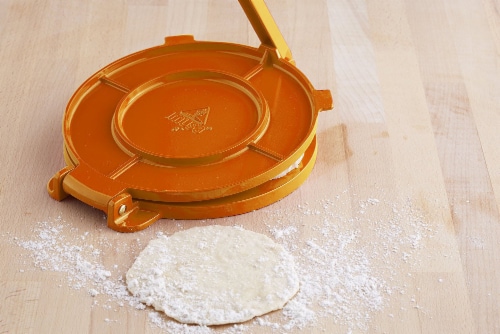
For those interested in related kitchen prep techniques, you might also want to explore how to press tortillas for chilaquiles for more cast iron and tortilla press insights.
Why Smoke Happens During Cast Iron Seasoning
Understanding why smoke occurs during the seasoning process is the first step to avoiding it. When oil is heated beyond its smoke point, it breaks down and produces visible smoke. Traditional seasoning often calls for high oven temperatures, which can easily exceed the smoke point of common oils. This not only creates an unpleasant environment indoors but can also leave sticky or uneven layers on your cookware.
To prevent this, it’s important to choose the right oil and control your oven temperature. By making a few adjustments, you can achieve a strong, nonstick coating with little to no smoke.
Choosing the Best Oil for Low-Smoke Seasoning
The type of oil you use plays a major role in how much smoke is produced. Oils with high smoke points are ideal for seasoning cast iron indoors. Some of the best options include:
- Grapeseed oil – Neutral flavor, high smoke point (around 420°F/216°C)
- Avocado oil – Smoke point up to 520°F/271°C
- Canola oil – Widely available, smoke point around 400°F/204°C
- Refined sunflower oil – Smoke point of 440°F/227°C
Avoid using butter, unrefined coconut oil, or extra virgin olive oil for seasoning, as these have lower smoke points and are more likely to produce smoke at typical seasoning temperatures.
Step-by-Step: How to Season Cast Iron Without Smoke
Follow these steps to season your cast iron cookware indoors with minimal smoke:
- Clean and dry your cookware. Wash with mild soap and a brush or sponge to remove any residue. Dry thoroughly with a towel or by heating briefly on the stovetop.
- Apply a thin layer of high-smoke-point oil. Pour a small amount of your chosen oil onto the surface, then use a paper towel to spread it evenly over all surfaces, including the handle and exterior. Wipe away any excess—less is more.
- Buff off excess oil. Use a clean, dry paper towel to buff the surface until it looks almost dry. Excess oil is the main cause of sticky spots and smoke.
- Place cookware upside down in a cool oven. Line the lower rack with foil to catch drips. Position your cast iron upside down on the middle rack.
- Set oven to 375–400°F (190–204°C). Starting with a cold oven helps prevent rapid oil breakdown. Avoid going above 400°F to keep below most oil smoke points.
- Bake for 1 hour. Let the oil polymerize and bond with the metal. After the hour, turn off the oven and let the cookware cool inside with the door closed.
- Repeat if needed. For a stronger seasoning layer, repeat the oiling and baking process 2–3 times.
This method keeps temperatures below the threshold where most oils begin to smoke, resulting in a hard, glossy finish without filling your kitchen with haze.
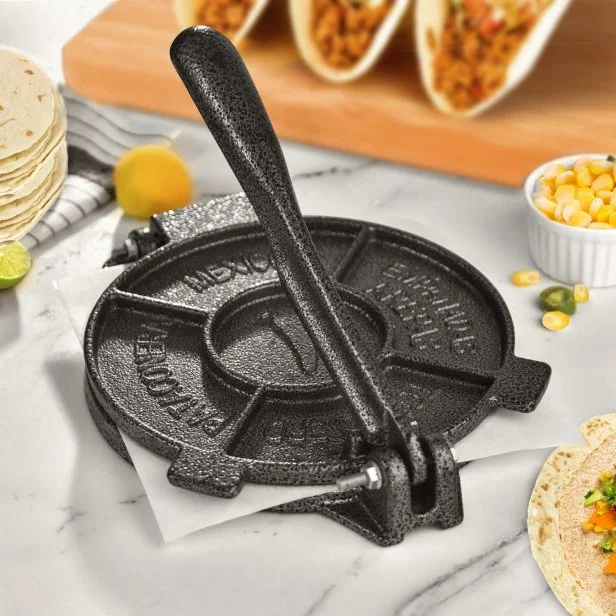
Alternative Indoor Seasoning Techniques
There are a few alternative methods for seasoning cast iron indoors without smoke that can be especially useful for small kitchens or apartments:
- Stovetop seasoning: Heat your pan over medium-low heat and rub a thin layer of oil onto the surface. Wipe off excess and let the pan heat for 10–15 minutes. Repeat as needed. This method gives you more control and avoids the high heat of the oven.
- Using a toaster oven: For smaller pieces like tortilla presses or mini skillets, a toaster oven can be used. Set to a lower temperature and follow the same oiling and baking process.
- Shorter bake cycles: Instead of one long bake, try several shorter cycles at lower temperatures, allowing the pan to cool between rounds. This helps avoid overheating the oil.
These approaches are particularly effective for those living in apartments or homes without strong kitchen ventilation.
Tips for Maintaining a Smoke-Free Kitchen
Even with the right oil and temperature, a few extra steps can help keep your kitchen air clear:
- Ventilation: Open windows or use your stove’s exhaust fan to help disperse any minor fumes.
- Thin layers only: Always buff off excess oil. A barely-there coating is all you need for effective seasoning.
- Gradual heating: Placing your cookware in a cold oven and letting it heat up gradually reduces the chance of oil burning.
- Monitor closely: If you notice any smoke, reduce the oven temperature or shorten the bake time for future rounds.
For more cleaning and care tips, see this comprehensive guide to cleaning your cast iron tortilla press.
Common Mistakes to Avoid
To ensure your cast iron develops a smooth, durable finish without smoke, steer clear of these common pitfalls:
- Using too much oil: Thick layers will not polymerize properly and are more likely to smoke.
- Overheating: Baking at temperatures above the oil’s smoke point will always result in smoke and sticky residue.
- Skipping cleaning: Any leftover food or moisture can cause uneven seasoning and unwanted odors.
- Not buffing the oil: Always wipe down the surface until it looks nearly dry before baking.
Additional Resources for Cast Iron Care
If you’re looking to expand your cast iron skills, check out these related guides:
- Learn how to use a tortilla press for wraps for sandwich bread hacks.
- Discover how to press tortillas for burritos for achieving larger tortilla sizes.
- Explore how to use a tortilla press for tart shells for quick pastry prep.
FAQ: Smoke-Free Cast Iron Seasoning
What is the best oil to use for seasoning cast iron indoors?
Choose an oil with a high smoke point, such as grapeseed, avocado, or canola oil. These oils can withstand the heat needed for seasoning without producing smoke, making them ideal for indoor use.
Can I season cast iron on the stovetop instead of the oven?
Yes, stovetop seasoning is a great alternative. Use medium-low heat and apply very thin layers of oil, heating each layer for 10–15 minutes. This method gives you more control and helps avoid smoke.
How often should I season my cast iron cookware?
For best results, season your cookware after every few uses or whenever the surface looks dull or patchy. Regular light seasoning helps maintain a strong, nonstick layer without the need for heavy, smoky bakes.