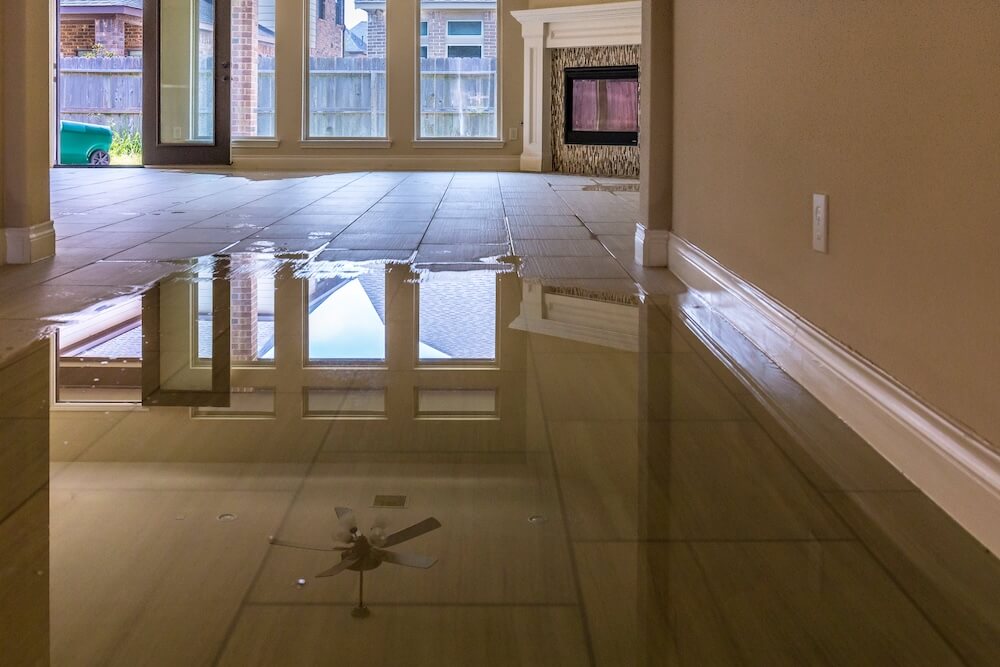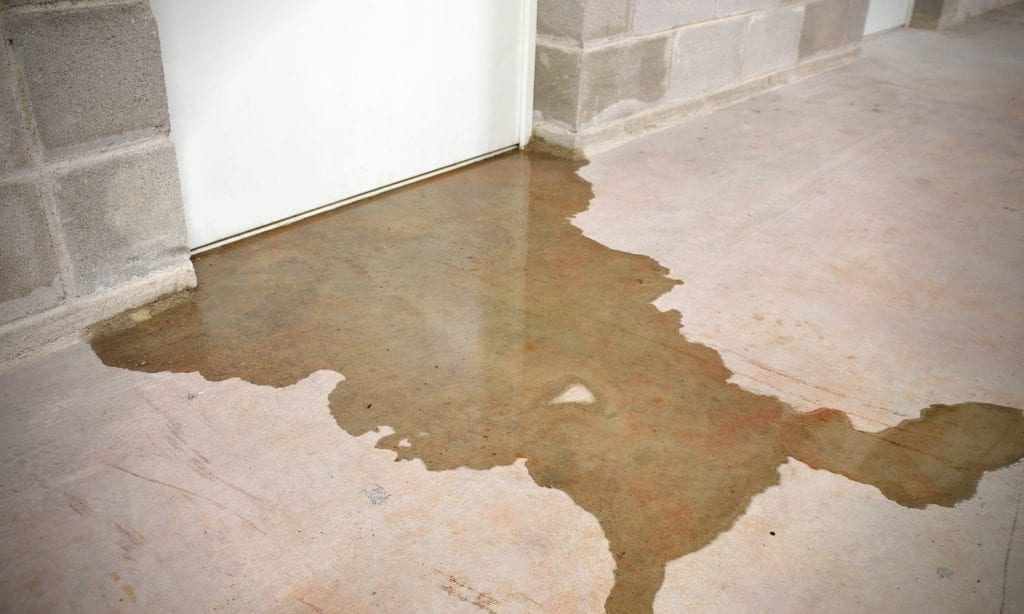
Water intrusion beneath flooring is a common problem that can lead to costly repairs, mold growth, and structural damage if not addressed promptly. Whether you’re dealing with a basement, slab foundation, or ground-level room, understanding how to stop water from seeping under floors is essential for protecting your home and maintaining a healthy living environment.
This guide covers the main causes of water infiltration, practical steps for prevention, and effective solutions for both immediate and long-term protection. If you’re looking for tips on maintaining other household items, you might also find value in our article on how to clean cast iron after every use.
Understanding Why Water Gets Under Flooring
Before you can effectively prevent water from getting beneath your floors, it’s important to identify the underlying causes. Common sources include:
- Foundation cracks that allow groundwater to enter.
- Poor exterior drainage leading to water pooling near the foundation.
- Plumbing leaks from pipes, appliances, or fixtures.
- High indoor humidity causing condensation under floors.
- Improperly installed flooring or vapor barriers.
By pinpointing the source, you can choose the most effective strategy to prevent further damage and keep your home dry.
Signs of Water Seepage Beneath Floors
Detecting water under your floors early can save you from expensive repairs. Watch for these warning signs:
- Warped, buckling, or lifting floorboards
- Persistent musty odors
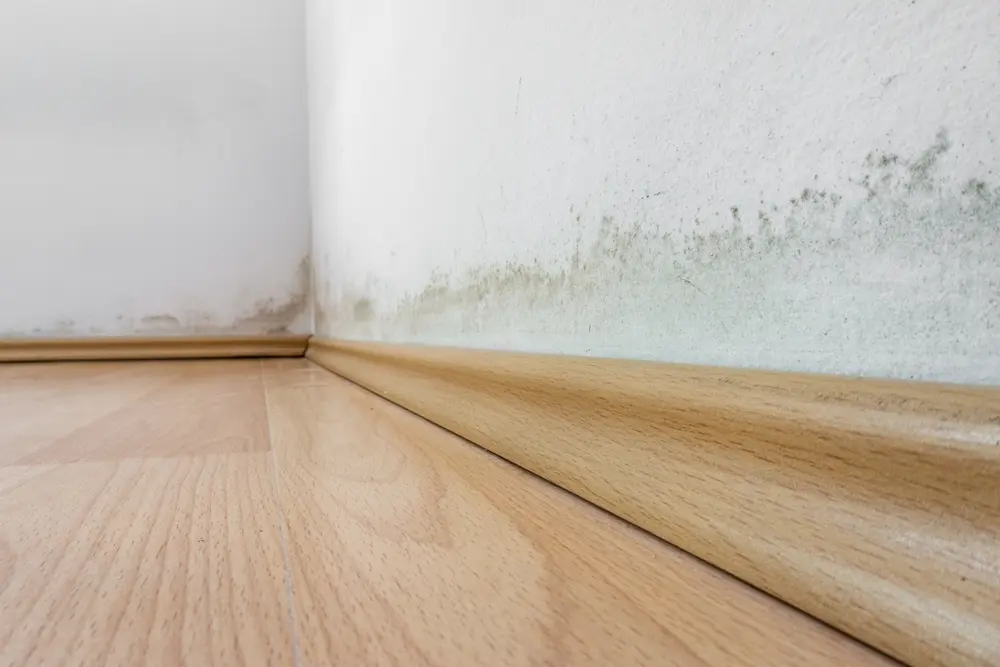
- Visible mold or mildew growth
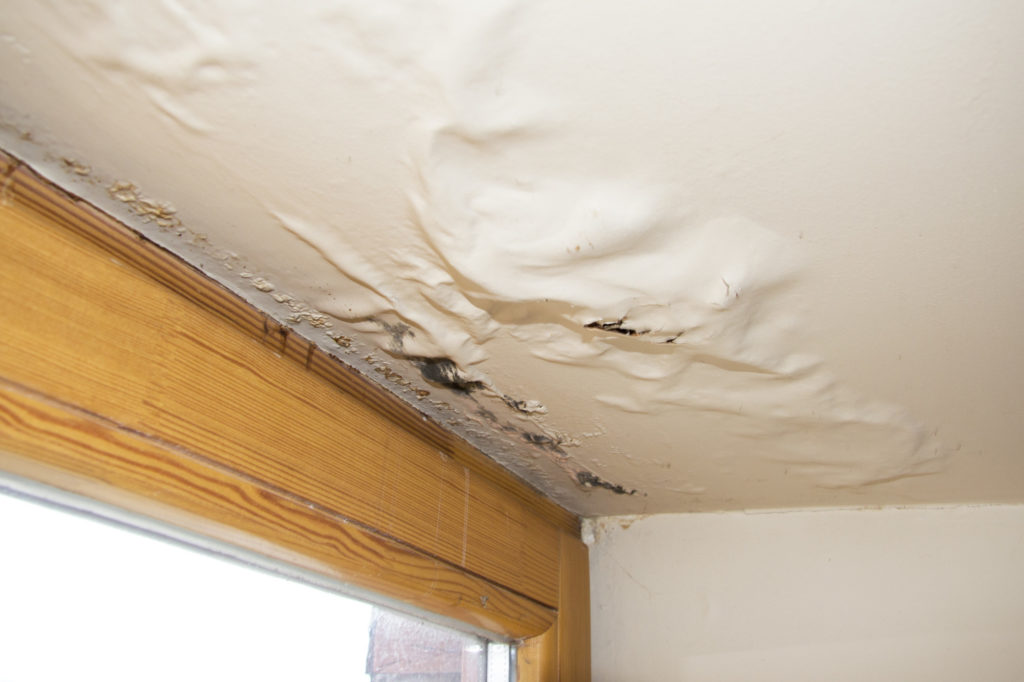
- Discoloration or staining on floors or baseboards
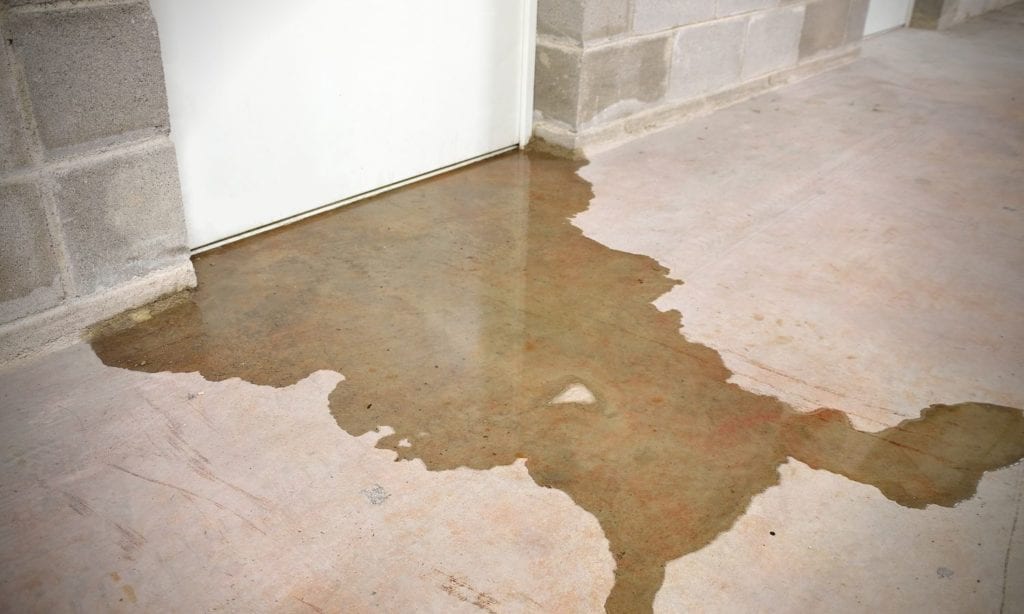
- Unexplained dampness or pooling water
If you notice any of these symptoms, investigate further to determine the extent of the issue and take action quickly.
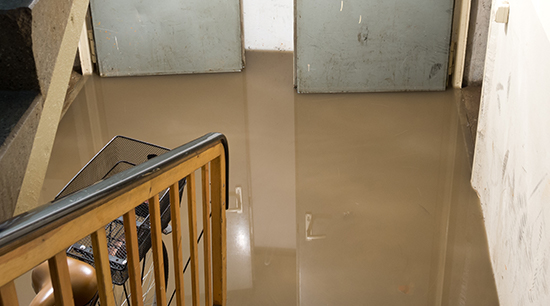
Essential Steps for Preventing Water Intrusion
To effectively prevent water from seeping under floors, a combination of exterior and interior measures is often needed. Here are some proven strategies:
Improve Exterior Drainage
- Grade the soil around your home so it slopes away from the foundation. This helps direct rainwater and melting snow away from your house.
- Install or repair gutters and downspouts to ensure water is channeled at least 6 feet away from the foundation.
- Consider adding French drains or a perimeter drain system if your yard tends to collect water.
Seal Foundation Cracks and Joints
- Inspect the foundation for visible cracks or gaps. Use a high-quality concrete sealant or epoxy injection system to fill and waterproof these areas.
- Pay attention to the joint where the floor slab meets the wall, as this is a common entry point for groundwater.
Install a Vapor Barrier
- For homes with crawl spaces or basements, a vapor barrier (heavy-duty plastic sheeting) can help block moisture from rising into the flooring above.
- Ensure the barrier is properly sealed at seams and edges for maximum effectiveness.
Maintain Indoor Plumbing
- Regularly inspect pipes, water heaters, and appliances for leaks or corrosion.
- Install leak detectors to catch small leaks before they become major problems. Devices like pipe or toilet leak detectors can provide early warnings and help you take action quickly.
Control Indoor Humidity
- Use dehumidifiers in damp areas, especially basements and crawl spaces.
- Ensure proper ventilation in bathrooms, kitchens, and laundry rooms to reduce condensation.
Repairing Water Damage Under Floors
If water has already made its way beneath your flooring, it’s important to act fast to minimize damage and prevent mold growth. Here’s what to do:
- Remove standing water using a wet/dry vacuum or pump.
- Pull up affected flooring materials to allow the subfloor to dry completely.
- Use fans and dehumidifiers to speed up the drying process.
- Clean and disinfect the area to prevent mold and bacteria.
- Replace damaged flooring and consider upgrading to water-resistant materials if moisture is a recurring issue.
For more detailed steps and professional guidance, check out this comprehensive water mitigation guide.
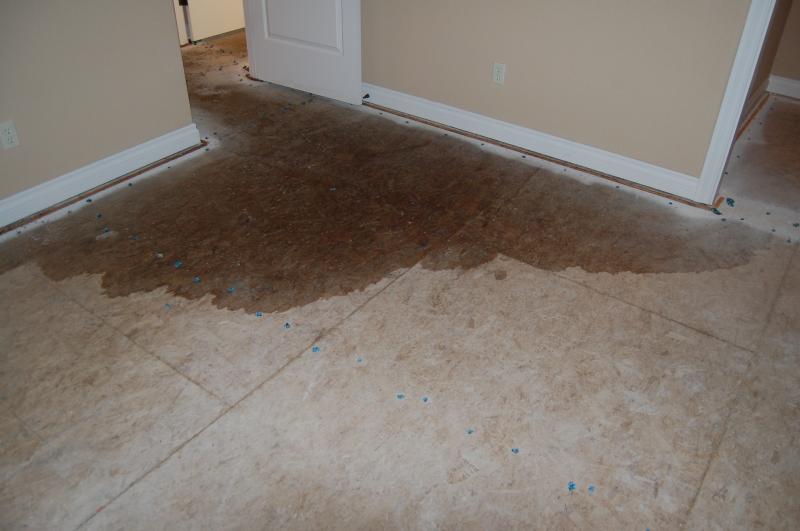
Long-Term Solutions for Persistent Moisture Issues
Sometimes, surface fixes aren’t enough to keep water out. If you continue to experience problems, consider these more substantial interventions:
- Install a sump pump in the basement or crawl space to automatically remove water that collects below ground level.
- Upgrade to waterproof flooring such as vinyl, tile, or sealed concrete in areas prone to moisture.
- Consult a foundation specialist to assess and repair significant structural issues.
- Consider exterior waterproofing membranes or coatings for the foundation walls.
When to Call a Professional
While many water intrusion problems can be managed with DIY solutions, there are times when it’s best to consult an expert. Seek professional help if:
- The source of water is unclear or difficult to access.
- You notice widespread mold or persistent musty odors.
- There is significant damage to the foundation or structural components.
- Previous repairs have not resolved the issue.
Professional water mitigation and restoration companies have the tools and expertise to diagnose and fix complex problems, ensuring your home stays dry and safe.
Frequently Asked Questions
What is the most common cause of water under floors?
The most frequent culprits are foundation cracks, poor exterior drainage, and plumbing leaks. Addressing these issues with proper grading, sealing, and regular maintenance can significantly reduce the risk of water intrusion.
Can water under floors cause mold?
Yes, moisture trapped beneath flooring creates an ideal environment for mold and mildew growth. This can lead to health issues and further damage if not addressed quickly.
How can I tell if my subfloor has water damage?
Signs include warping, soft spots, discoloration, and a persistent musty smell. In severe cases, the floor may feel spongy or unstable when walked on.
Are leak detectors worth installing?
Leak detectors are a valuable investment, especially in areas prone to plumbing issues. They provide early warnings, helping you prevent extensive water damage and costly repairs.
Taking proactive steps to manage moisture and maintain your home’s defenses can save you time, money, and stress in the long run. By following the strategies outlined above, you’ll be well-equipped to keep your floors dry and your home protected.