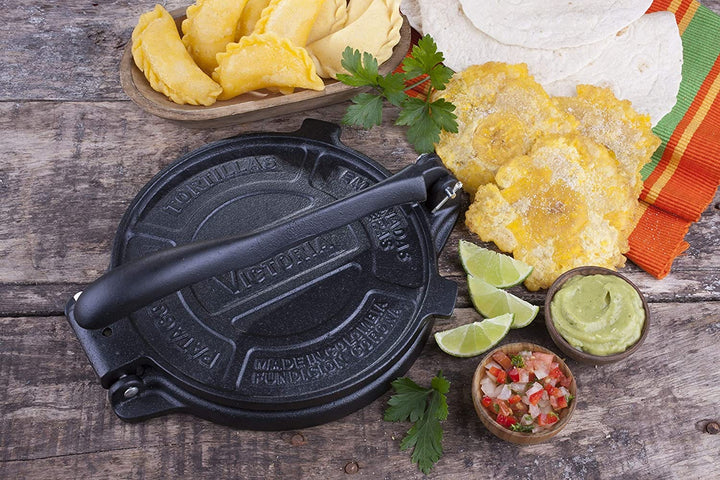
Maintaining your cast iron cookware is essential for preserving its non-stick surface, preventing rust, and ensuring it lasts for generations. Whether you use a skillet, tortilla press, or griddle, daily upkeep is straightforward and highly effective. This article provides a clear, step-by-step approach to how to clean cast iron after every use, so you can keep your cookware in top condition with minimal effort.
Proper care not only extends the life of your cast iron but also enhances the flavor and quality of your food. If you’re interested in using cast iron for specialty doughs, you might also find our guide on how to press tortillas for gorditas de azucar helpful for sweet dough tips.
Why Daily Cast Iron Cleaning Matters
Cleaning your cast iron after each use is the best way to prevent food buildup, maintain seasoning, and avoid rust. Unlike other cookware, cast iron develops a natural non-stick surface through a process called seasoning, which can be damaged by improper cleaning or neglect. Daily maintenance ensures that your cookware stays smooth, safe, and ready for your next meal.
Neglecting regular care can lead to stubborn residue, dull surfaces, or even corrosion. By making cleaning a habit, you’ll save time and effort in the long run and enjoy better cooking results every time.
Essential Tools for Daily Cast Iron Care
Before diving into the cleaning process, gather these simple tools:
- Soft sponge or stiff brush (avoid steel wool for daily cleaning)
- Plastic scraper for stuck-on bits
- Paper towels or lint-free cloth
- Coarse salt (optional, for gentle scrubbing)
- Cooking oil (vegetable, canola, or flaxseed oil)
With these items on hand, you’ll be ready to tackle everyday cleaning without damaging your cookware’s seasoning.
Step-by-Step: How to Clean Cast Iron After Cooking
Follow these steps to keep your cast iron in optimal condition after each use:
- Let the cookware cool slightly. Avoid plunging hot cast iron into cold water, as this can cause warping or cracking. Allow it to cool until it’s safe to handle but still warm.
- Wipe or rinse away food debris. Use a paper towel or a soft brush to remove loose bits. For stubborn residue, add a small amount of water and gently scrub with a non-abrasive sponge or a plastic scraper.
- Use salt for gentle scrubbing (if needed). If food is stuck, sprinkle coarse salt onto the surface and scrub with a damp cloth or sponge. Salt acts as a mild abrasive that won’t harm the seasoning.
- Rinse and dry thoroughly. Rinse with warm water (avoid soap unless absolutely necessary) and dry immediately with a towel. Never let cast iron air-dry, as this can cause rust.
- Apply a thin layer of oil. While the pan is still warm, rub a small amount of oil over the entire surface, inside and out. Use a paper towel to wipe away excess oil.
- Store in a dry place. Keep your cookware in a well-ventilated area. If stacking, place a paper towel between pieces to absorb moisture.
By following these steps, you’ll maintain a slick, rust-free surface and enjoy the benefits of well-seasoned cast iron every day.
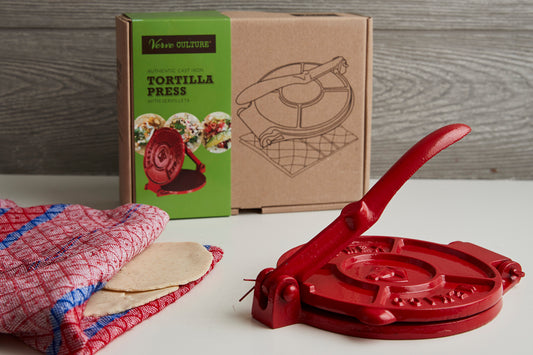
Common Mistakes to Avoid When Cleaning Cast Iron
Even with the best intentions, some habits can harm your cast iron. Here are mistakes to watch out for:
- Soaking in water: Prolonged exposure to water can cause rust. Always dry your cookware immediately.
- Using harsh detergents: Strong soaps can strip away seasoning. Stick to water and mild scrubbing for daily cleaning.
- Scrubbing with steel wool: Abrasive pads can remove the protective layer. Reserve steel wool for deep restoration only.
- Skipping oiling: Failing to apply oil after cleaning leaves the surface vulnerable to moisture and rust.
By avoiding these pitfalls, you’ll keep your cookware performing at its best for years to come.
Tips for Maintaining Seasoning and Preventing Rust
The key to a long-lasting, non-stick surface is maintaining the seasoning. Here’s how to keep it in top shape:
- Re-oil regularly: Even if you don’t cook every day, rub a thin layer of oil onto the surface every few uses.
- Heat after oiling: After applying oil, place the cookware on a low burner for a few minutes to help the oil bond to the surface.
- Store in a dry environment: Humidity can cause rust. Store cast iron in a cool, dry place, and avoid stacking with damp items.
- Address rust promptly: If you notice rust spots, scrub them with salt or a gentle abrasive, rinse, dry, and re-season as needed.
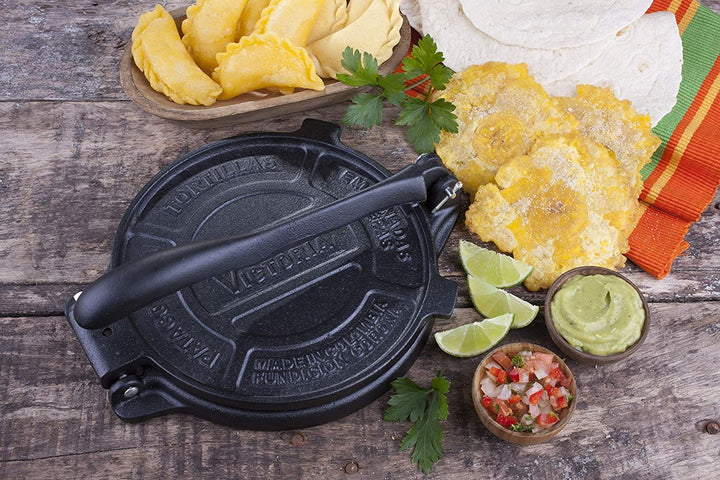
For more details on keeping your tortilla press or other cast iron tools in prime condition, see this comprehensive guide to tortilla press care and maintenance.
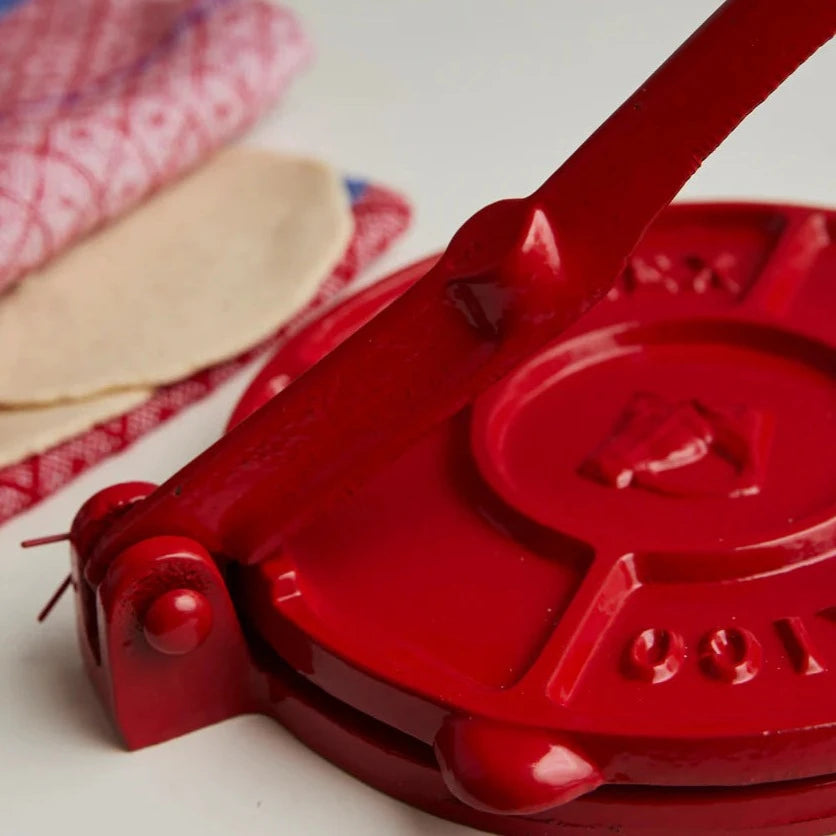
Special Considerations for Cast Iron Tortilla Presses and Specialty Tools
While the daily cleaning process is similar for all cast iron cookware, tortilla presses and specialty tools may have unique needs:
- Avoid soaking: Water can seep into hinges or joints. Wipe clean and dry thoroughly after each use.
- Oil moving parts: Lightly oil hinges or handles to keep them moving smoothly and prevent rust.
- Use parchment or plastic liners: When pressing dough, use liners to minimize direct contact and reduce sticking, making cleanup easier.
If you’re interested in using your press for other recipes, check out our guides on how to use a tortilla press for pastry dough and how to use a tortilla press for thin crust pizza prep.
Frequently Asked Questions
Can I Use Soap to Clean Cast Iron?
It’s generally best to avoid soap for daily cleaning, as it can strip the seasoning. A small amount of mild soap is acceptable if needed, but rinse thoroughly and re-oil afterward.
What Should I Do If My Cast Iron Gets Rusty?
If rust appears, scrub the affected area with coarse salt or a gentle abrasive, rinse, dry completely, and apply a thin layer of oil. For severe rust, you may need to re-season the entire piece.
How Often Should I Re-Season My Cast Iron?
With daily maintenance, you may only need to re-season every few months. If food starts sticking or the surface looks dull, apply a fresh coat of oil and bake it in the oven to restore the non-stick finish.
Is It Safe to Use Metal Utensils on Cast Iron?
Occasional use of metal utensils is fine, but frequent scraping can wear down the seasoning. Opt for wooden or silicone tools for everyday cooking to protect the surface.
Conclusion
Daily care is the simplest way to keep your cast iron cookware performing at its best. By following these practical steps for how to clean cast iron after every use, you’ll enjoy a reliable, non-stick surface and prevent rust or buildup. Remember to dry thoroughly, oil after each cleaning, and store in a dry place. With regular attention, your cast iron will reward you with years of dependable service and delicious results.