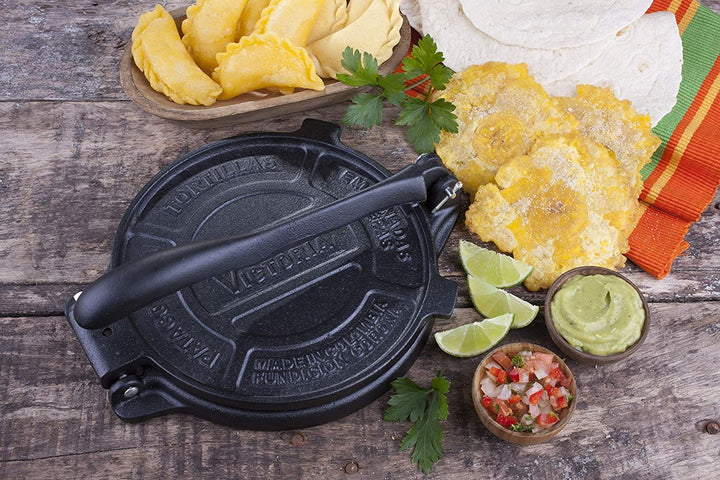
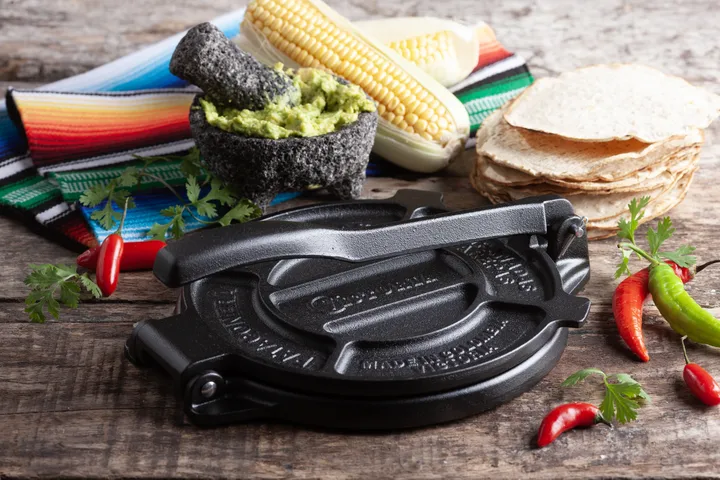
Lefse, a beloved Norwegian flatbread, is traditionally made with potatoes and flour, then rolled thin and cooked on a griddle. While the classic method uses a rolling pin, many home cooks are discovering that a tortilla press can simplify the process, making it easier to achieve even, thin rounds. If you’re curious about how to use a tortilla press for lefse, this guide will walk you through the process, share practical tips, and help you get the best results from your equipment.
Switching to a tortilla press can save time and reduce the learning curve, especially if you’re new to making lefse. However, there are a few important adjustments and techniques to keep in mind to ensure your flatbread turns out soft, flexible, and true to tradition. Before diving into the step-by-step instructions, it’s helpful to understand the basics of lefse dough and how a press differs from rolling by hand.
For those interested in exploring other uses for a press, you might also want to read about how to press tortillas for chilaquiles for more inspiration and prep techniques.
Why Use a Tortilla Press for Norwegian Flatbread?
Traditionally, making lefse involves rolling out each piece of dough by hand. This can be time-consuming and requires some skill to achieve the signature thinness without tearing. A tortilla press offers several advantages:
- Consistency: The press helps create evenly thick rounds, which cook more uniformly.
- Speed: Pressing is much faster than rolling, especially when making large batches.
- Ease of Use: It’s easier for beginners to get started, reducing frustration and mess.
- Less Flour Needed: The dough is less likely to stick, so you can use less flour for dusting, resulting in a softer texture.
However, since lefse dough is typically softer and stickier than tortilla dough, a few modifications are necessary for the best results.
Preparing Lefse Dough for Pressing
Before using a press, make sure your dough is the right consistency. Lefse dough should be soft and slightly sticky, but not so wet that it’s unmanageable. Here are some tips:
- Chill the Dough: Refrigerate the dough for at least an hour. Cold dough is easier to handle and less likely to stick.
- Divide Evenly: Use a scoop or your hands to portion the dough into balls, each about the size of a golf ball. This ensures uniform rounds.
- Dust Lightly: Sprinkle a small amount of flour or potato starch on your hands and the dough balls to prevent sticking, but avoid over-flouring, which can make the lefse tough.
If you’re unsure about your press’s condition, it’s a good idea to check out advice on how to test if your tortilla press is flat to guarantee even pressing.
Step-by-Step: Using a Tortilla Press for Lefse
Follow these steps to make Norwegian flatbread with a tortilla press:
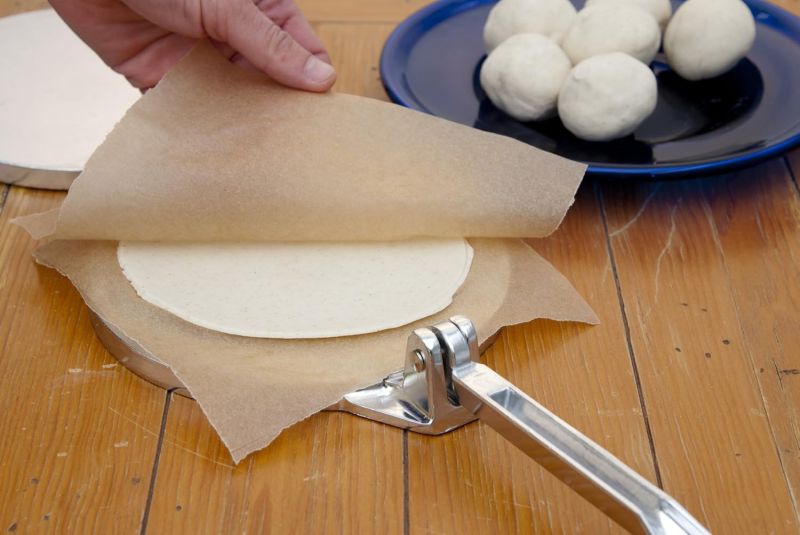
- Line the Press: Cut two pieces of parchment paper or use plastic wrap to line both sides of the press. This prevents the dough from sticking and makes it easier to transfer the rounds.
- Place the Dough Ball: Set a chilled dough ball in the center of the bottom plate, between the liners.
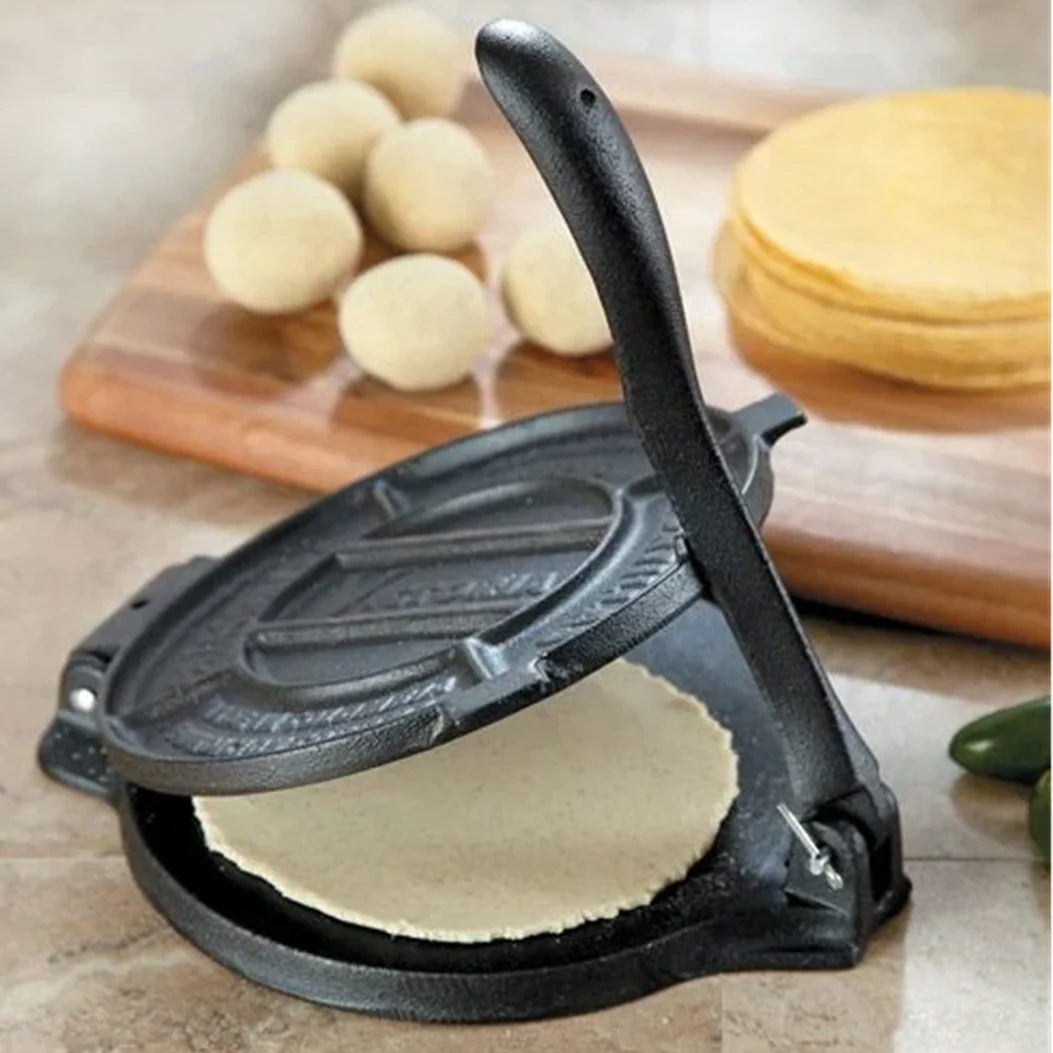
- Press Gently: Close the press and apply gentle, even pressure. Don’t force it—lefse dough is delicate, and pressing too hard can cause it to tear or squeeze out the sides.
- Check Thickness: Open the press and check the thickness. Lefse should be about 1/16 to 1/8 inch thick. If it’s too thick, press again lightly. If too thin, use a slightly larger dough ball next time.
- Transfer to Griddle: Carefully peel off the top liner, then lift the lefse round (using the bottom liner as support) and flip it onto a preheated griddle or large skillet.
- Cook Until Bubbled: Cook on medium-high heat until bubbles form and light brown spots appear, about 1-2 minutes per side. Flip and repeat.
- Cool and Store: Transfer cooked lefse to a clean towel and cover to keep soft. Stack rounds as you go, then wrap in plastic or store in an airtight container.
Tips for Success When Pressing Lefse
Getting the most out of your press means paying attention to a few key details:
- Use the Right Press: Cast iron presses are sturdy and provide even pressure. If your press is too small, your lefse rounds will be limited in size. An 8-inch press is a good starting point for most home cooks.
- Keep Surfaces Clean: Wipe down the press and liners between rounds to prevent sticking and residue buildup. For cleaning tips, see advice on how to clean a sticky tortilla press.
- Don’t Overwork the Dough: Handle the dough as little as possible to keep it tender. Overworking can make the flatbread tough.
- Practice Makes Perfect: Your first few rounds may not be perfect, but you’ll quickly get a feel for the right pressure and dough size.
Common Mistakes and How to Avoid Them
Even with the right tools, a few pitfalls can trip up beginners. Here’s how to sidestep the most frequent issues:
- Dough Sticking to the Press: Always use parchment or plastic liners. If sticking persists, chill the dough longer or dust with a bit more flour.
- Uneven Thickness: Make sure your press is level and apply even pressure. If you suspect your press isn’t flat, review how to test if your tortilla press is flat for troubleshooting.
- Cracking or Tearing: This usually means the dough is too dry. Add a teaspoon of milk or water and knead gently to restore moisture.
- Flatbread Too Thick or Small: Adjust the size of your dough balls and press with a bit more force, but avoid squashing the dough out the sides.
Cleaning and Maintaining Your Tortilla Press
Proper care extends the life of your press and ensures food safety. After use, wipe down the press with a damp cloth. If dough residue builds up, follow these steps:
- Remove any stuck dough with a plastic scraper or spatula.
- For cast iron presses, avoid soaking in water. Instead, wipe with a lightly oiled cloth to prevent rust.
- Store in a dry place. If you use parchment or plastic liners, replace them as needed to avoid contamination.
For more detailed cleaning advice, you can refer to guidance on how to clean a sticky tortilla press.
Additional Resources and Inspiration
If you’re interested in expanding your flatbread repertoire, a tortilla press can also be used for other recipes. For example, you can learn about how to press tortillas for tostadas to create crunchy snacks, or explore expert tips on using a tortilla press for various cuisines.
When working with heavy equipment, always prioritize safety. If your press is cast iron, review how to handle a heavy cast iron press safely for best practices in the kitchen.
Frequently Asked Questions
Can I use a tortilla press for other types of flatbread?
Yes, a tortilla press is versatile and works well for many flatbreads, including roti, pita, and even some pizza doughs. Adjust dough hydration and thickness as needed for each recipe.
What size tortilla press is best for lefse?
An 8-inch press is a practical choice for most home kitchens. It produces rounds that are easy to handle and fit most griddles. For traditional large lefse, you may need to roll by hand or use a larger press if available.
How do I prevent lefse from sticking to the press?
Always use parchment paper or plastic wrap as liners. Chilling the dough and dusting lightly with flour or potato starch also helps. Avoid over-flouring, as it can make the flatbread dry.
Is it possible to get traditional results with a press?
While the texture may be slightly different from hand-rolled lefse, a press can produce excellent results that are soft, thin, and flexible. Practice and attention to dough consistency are key.