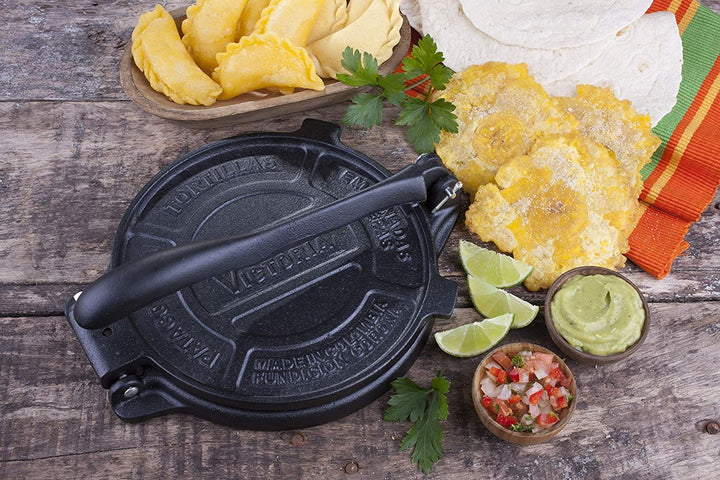
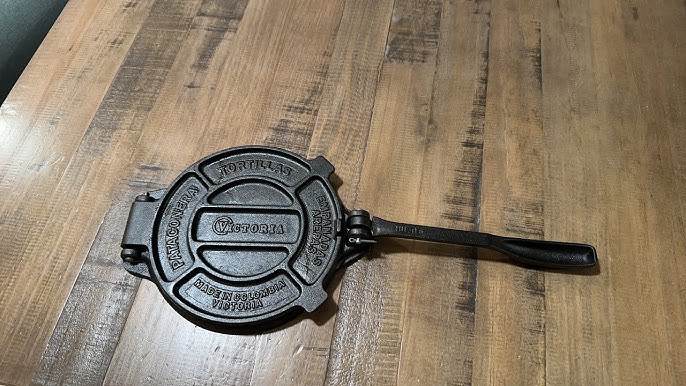
Making homemade pierogi is a beloved tradition in many Polish households, but rolling out dozens of dough circles by hand can be time-consuming. If you’re looking for a way to speed up the process while keeping your dumplings uniform and delicious, a tortilla press can be a game changer. This guide will walk you through how to use a tortilla press for pierogi, offering practical tips and troubleshooting advice to help you achieve perfect results every time.
Whether you’re a seasoned cook or new to Polish dumplings, using a tortilla press can streamline your workflow and ensure each wrapper is the right thickness for easy filling and sealing. If you’re interested in other creative uses for a tortilla press, you might also enjoy our article on how to press tortillas for gorditas de azucar, which explores sweet dough techniques.
Why Use a Tortilla Press for Polish Dumplings?
Traditionally, pierogi dough is rolled out with a pin and cut into circles. While this method works, it can be inconsistent and labor-intensive, especially for large batches. A tortilla press offers several advantages:
- Uniform thickness: Each dough round is pressed to the same thickness, ensuring even cooking.
- Speed: Pressing is much faster than rolling and cutting each piece by hand.
- Less effort: The lever action of the press reduces strain on your wrists and hands.
- Cleaner workspace: Less flour is needed, and the process is less messy overall.
While tortilla presses are designed for corn or flour tortillas, they’re also ideal for other doughs that need to be pressed into rounds, including pierogi, dumpling skins, and even pastry dough. For more tips on alternative uses, see our post on how to use a tortilla press for pastry dough.
Choosing the Right Tortilla Press for Pierogi Dough
When selecting a press for making Polish dumplings, consider these factors:
- Size: An 8-inch press is versatile and works well for most pierogi recipes.
- Material: Cast iron presses are sturdy and provide even pressure, while aluminum models are lighter but may require more effort.
- Surface: A smooth, non-stick surface helps prevent dough from sticking and tearing.
Before you begin, make sure your press is clean and dry. If you’re in the market for a reliable option, you can Buy 8 Inches Tortilla Press online.
Preparing Pierogi Dough for Pressing
The dough for pierogi is typically made from flour, water, egg, and a pinch of salt. For best results with a tortilla press:
- Let the dough rest for at least 30 minutes after kneading. This relaxes the gluten and makes pressing easier.
- Divide the dough into small balls, about 1 to 1.5 inches in diameter. This ensures each round is the right size for filling and sealing.
- Keep unused dough covered with a damp towel to prevent drying out.
If you’re interested in more dough techniques, our guide on how to use a tortilla press for dumplings skins offers additional tips for thin, even wrappers.
Step-by-Step: Pressing Pierogi Wrappers with a Tortilla Press
Follow these steps to create perfect dumpling wrappers using your press:
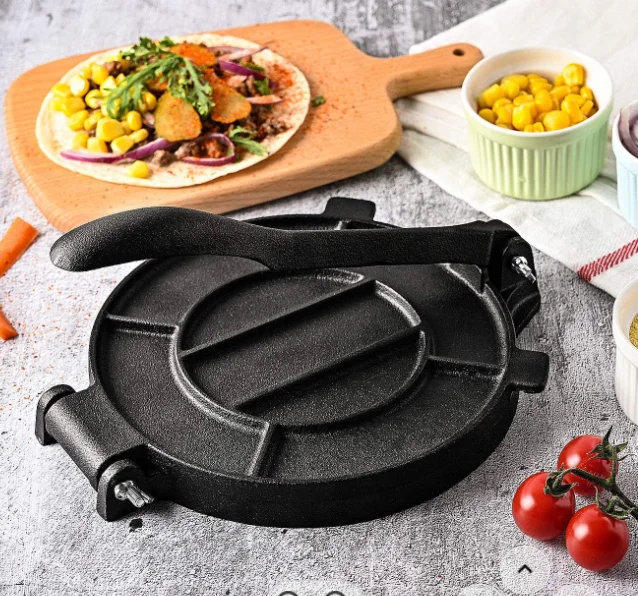
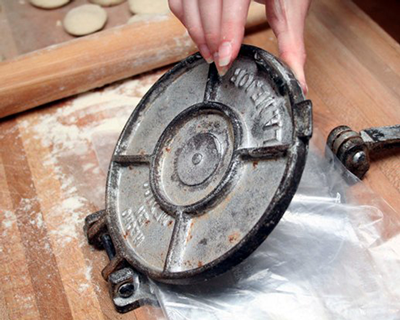
- Prepare your workspace: Place your tortilla press on a stable surface. Cut two squares of parchment paper or plastic wrap, slightly larger than the press plates.
- Shape the dough balls: Roll each portion of dough into a smooth ball. Place one ball between the two sheets of parchment or plastic.
- Press gently: Close the press and apply even pressure. Don’t force it—let the weight of the press do most of the work. Open and check the thickness; for pierogi, aim for about 1/16 to 1/8 inch (1.5–3 mm).
- Remove the wrapper: Carefully peel off the top sheet, then lift the dough round with the bottom sheet and set aside. Repeat with the remaining dough balls.
- Fill and seal: Place your filling in the center of each round, fold over, and pinch the edges to seal. Use a fork for a decorative edge if desired.
If you’re new to tortilla presses, you may find it helpful to review these tips for making tortillas at home, as many of the same principles apply to pressing dumpling dough.
Troubleshooting Common Issues
Even with a tortilla press, you might encounter some challenges. Here’s how to solve the most common problems:
- Dough sticking to the press: Use parchment or plastic sheets on both sides of the dough. Lightly dust the dough balls with flour if needed.
- Wrappers too thick or thin: Adjust the pressure you apply. If the dough is too thick, press a bit harder; if too thin, use less force or make the dough balls slightly larger.
- Edges cracking: Let the dough rest longer before pressing. If the dough is dry, add a teaspoon of water and knead again.
- Wrappers shrinking after pressing: Allow the dough to rest fully before shaping. Gluten needs time to relax to prevent shrinkage.
Cleaning and Maintaining Your Tortilla Press
Proper care ensures your press lasts for years and continues to deliver great results:
- Wipe down the press with a damp cloth after each use. Avoid soaking cast iron presses in water to prevent rust.
- Dry thoroughly before storing.
- If your press is cast iron, occasionally rub a small amount of oil on the surface to maintain its seasoning.
For more ideas on using your press for other recipes, check out our article on how to use a tortilla press for fry bread.
Tips for Perfect Polish Dumplings Every Time
- Keep dough balls covered to prevent drying out as you work.
- Don’t overfill the wrappers—too much filling can cause them to burst during cooking.
- Seal edges well to prevent leaks. A little water brushed on the edge can help the dough stick.
- Cook pierogi in gently boiling water until they float, then sauté in butter for extra flavor if desired.
Experiment with different fillings, such as potato and cheese, sauerkraut and mushroom, or sweet fruit preserves. The uniform wrappers from your press make it easy to try new combinations.
Frequently Asked Questions
Can I use a tortilla press for other types of dumplings?
Yes, a tortilla press is versatile and can be used for making wrappers for various dumplings, including Asian potstickers, gyoza, and even empanadas. Just adjust the dough thickness to suit your recipe.
Do I need to oil the press before using it with pierogi dough?
It’s not necessary to oil the press if you use parchment or plastic sheets. However, if you find the dough sticking, a light dusting of flour or a quick wipe with a neutral oil can help.
What size should the dough balls be for pressing?
For most pierogi, dough balls about 1 to 1.5 inches in diameter work well. This yields wrappers that are easy to fill and seal, and the press ensures a consistent thickness.
Conclusion
Using a tortilla press for making Polish dumplings is an efficient way to achieve uniform, thin wrappers with minimal effort. With the right technique and a bit of practice, you’ll be able to produce batches of delicious pierogi quickly and consistently. Remember to let your dough rest, use parchment or plastic to prevent sticking, and adjust pressure as needed for the perfect thickness. Whether you’re preparing for a holiday feast or a weeknight dinner, this method will help you enjoy homemade dumplings with less hassle and more fun in the kitchen.