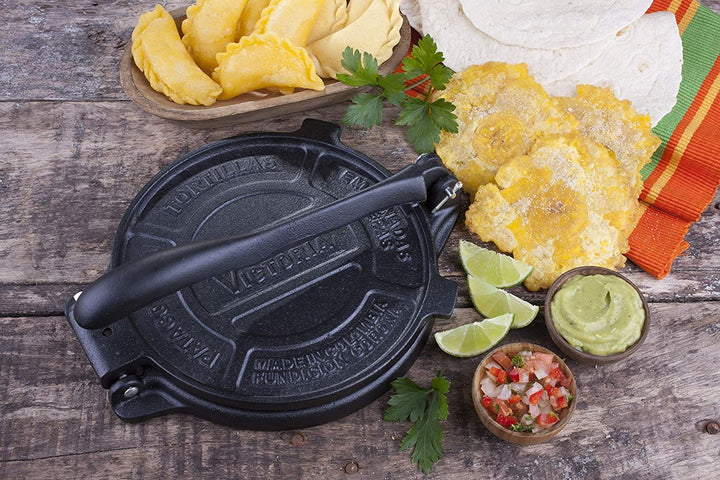
Making puri—the beloved Indian deep-fried bread—can be a rewarding experience, but achieving perfect, evenly shaped rounds can sometimes be a challenge. Traditionally, puris are rolled out by hand, but many home cooks are now turning to tortilla presses as a practical shortcut. If you’re curious about how to use a tortilla press for puri, this guide walks you through the process, offering tips for success and highlighting common pitfalls to avoid.
Using a tortilla press streamlines the dough-shaping step, helping you create uniform puris that puff up beautifully in hot oil. Whether you’re new to Indian cooking or looking for ways to save time in the kitchen, learning to adapt this handy tool can make your puri preparation much easier. For those interested in exploring similar dough-pressing techniques, you might also want to read about how to press tortillas for gorditas de azucar for sweet dough ideas.
Why Use a Tortilla Press for Making Puri?
Hand-rolling puris can be time-consuming, especially when making large batches. A tortilla press offers a quick, consistent way to flatten dough balls into perfect circles. The even thickness helps ensure that each puri puffs up evenly when fried, resulting in a light, airy texture. This method is particularly useful for beginners or anyone who struggles with rolling dough by hand.
While tortilla presses are traditionally used for corn or flour tortillas, their design makes them suitable for a variety of flatbreads and doughs. With a few adjustments, you can use this kitchen gadget to simplify your puri-making process and achieve professional-looking results at home.
Step-by-Step Guide: Preparing Puri Dough for the Press
Before you start pressing, it’s important to prepare the dough correctly. The right consistency and resting time are crucial for puris that puff up and stay crisp. Here’s how to get started:
- Mix the Dough: Combine whole wheat flour, a pinch of salt, and a little oil or ghee. Gradually add water and knead until you have a smooth, firm dough. Avoid making the dough too soft, as this can cause puris to absorb excess oil.
- Rest the Dough: Cover and let the dough rest for 15–20 minutes. This relaxes the gluten, making it easier to shape.
- Divide into Balls: Pinch off small, equal-sized portions and roll them into smooth balls, each about the size of a large marble.
For more on using presses for different doughs, check out how to use a tortilla press for pastry dough for tips on flaky results.
How to Use a Tortilla Press for Puri: Technique and Tips
Once your dough is ready, it’s time to use the press. Here’s a step-by-step approach to help you get the best results:
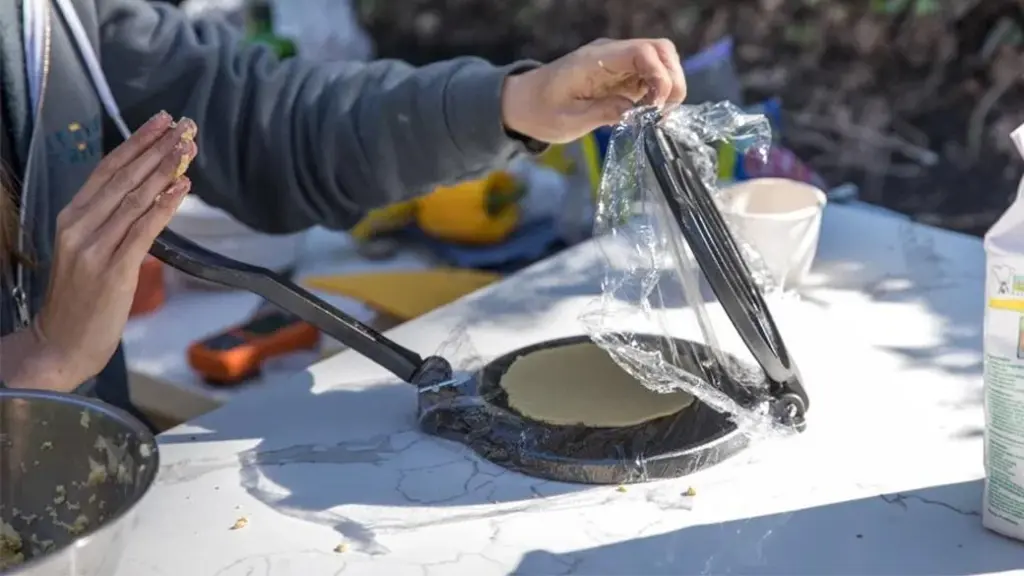
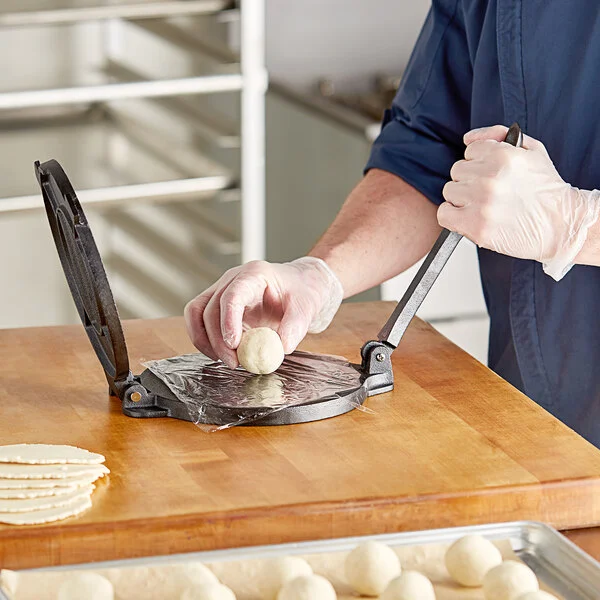
- Prepare the Press: Clean your tortilla press and dry it thoroughly. To prevent sticking, cut two pieces of parchment paper or use plastic sheets (such as a cut zip-top bag) to line the top and bottom plates of the press.
- Place the Dough Ball: Set one dough ball in the center of the lined press.
- Press Gently: Close the lid and press down firmly but gently. Avoid applying too much force, as this can make the puri too thin and prone to tearing.
- Check Thickness: The ideal puri should be about 1.5–2 mm thick. If needed, rotate the dough and press again for even thickness.
- Release Carefully: Open the press and gently peel the puri off the parchment or plastic. If it sticks, use a thin spatula to help lift it without tearing.
Deep Frying Tips for Perfect Puri
After pressing, the next step is frying. The way you fry the puris is just as important as the dough preparation. Here are some essential tips:
- Heat the Oil: Use a deep, heavy-bottomed pan and fill it with enough oil to allow the puris to float. Heat the oil to 180–190°C (350–375°F). If the oil is too cool, puris will absorb oil and become greasy; if too hot, they’ll brown too quickly without puffing.
- Test the Oil: Drop a small piece of dough into the oil. If it rises immediately and sizzles, the oil is ready.
- Fry One at a Time: Gently slide a pressed puri into the hot oil. Use a slotted spoon to lightly press down, encouraging it to puff up.
- Flip and Drain: Once puffed and golden, flip and fry the other side for a few seconds. Remove and drain on paper towels.
Uniform thickness from the press ensures even puffing and minimizes oil absorption, resulting in light, crispy breads every time.
Cleaning and Maintaining Your Tortilla Press
Proper care extends the life of your press and keeps it working smoothly. After use, wipe the plates clean with a damp cloth and dry thoroughly. Avoid using soap on cast iron presses, as this can strip the seasoning. For stubborn dough bits, use a soft brush. Store your press in a dry place to prevent rust or damage.
Common Mistakes and How to Avoid Them
Even with a press, a few issues can arise. Here’s how to troubleshoot:
- Puris Not Puffing: The dough may be too soft, or the oil temperature too low. Ensure the dough is firm and the oil is hot enough.
- Dough Sticking to the Press: Always use parchment or plastic liners. Lightly oil the liners if needed.
- Puris Tearing: Don’t press too thin. Use gentle, even pressure for best results.
- Uneven Cooking: Make sure the puris are of uniform thickness and the oil is at the correct temperature.
For more general tips on using presses for other fried breads, you might be interested in how to use a tortilla press for fry bread.

Expert Tips for Using a Press with Deep Fried Dough
To get the most out of your tortilla press when making puris, keep these expert suggestions in mind:
- Use the Right Size: An 8-inch press is ideal for most home kitchens, producing puris that are just the right size for frying.
- Don’t Overcrowd: Press and fry puris one at a time to prevent sticking and ensure even puffing.
- Experiment with Dough: Try adding a pinch of semolina for extra crispness, or a touch of ajwain (carom seeds) for flavor.
- Store Pressed Puris Properly: If you need to press several puris before frying, keep them covered with a damp cloth to prevent drying out.
For more inspiration on using a tortilla press for various doughs, see how to use a tortilla press for thin crust pizza prep and how to use a tortilla press for dumplings skins.
If you’re interested in additional tips for making tortillas and other flatbreads at home, you might find this guide to making tortillas at home helpful as well.
Frequently Asked Questions
Can I use a tortilla press for other types of Indian bread?
Yes, a tortilla press can be used for other flatbreads like roti, paratha, and bhatura. Adjust the dough consistency and pressing technique as needed for each type.
What should I do if my puris stick to the press?
Always use parchment paper or plastic liners on both sides of the dough. Lightly oiling the liners can also help prevent sticking.
How do I know if my oil is hot enough for frying puris?
The oil should reach 180–190°C (350–375°F). Test by dropping a small piece of dough into the oil; it should rise and sizzle immediately. If it browns too quickly, reduce the heat slightly.
Is it safe to use a cast iron tortilla press for puri?
Absolutely. Cast iron presses are sturdy and provide even pressure. Just make sure to keep them dry and well-seasoned to prevent rust.
Using a tortilla press for puri preparation saves time and helps achieve consistent results, especially when making large batches. With the right dough, proper pressing technique, and careful frying, you can enjoy light, puffy puris at home with minimal fuss.