
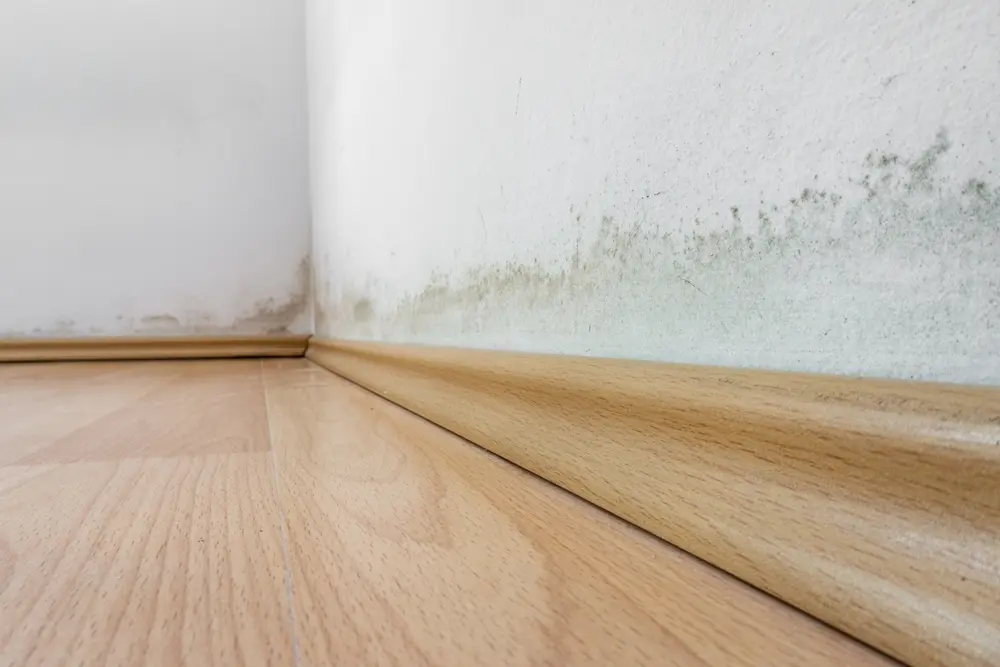
Clogged gutters are a leading cause of home water damage, especially during heavy rain or seasonal changes. When leaves, debris, and dirt block the flow of water, gutters can overflow, sending water down exterior walls and into basements or crawl spaces. Over time, this can lead to costly repairs, mold growth, and even structural issues. Understanding the risks and taking proactive steps is essential for protecting your property.
In this guide, you’ll learn practical strategies for keeping your gutters clear, minimizing the risk of leaks, and maintaining a healthy home environment. We’ll also highlight the importance of regular maintenance and provide tips for early detection of potential issues. For more on related topics, see our article on the importance of gutter maintenance.
Why Blocked Gutters Lead to Water Damage
Gutters are designed to channel rainwater away from your home’s foundation and exterior walls. When they’re blocked, water spills over the edges, saturating the soil around your property. This can result in:
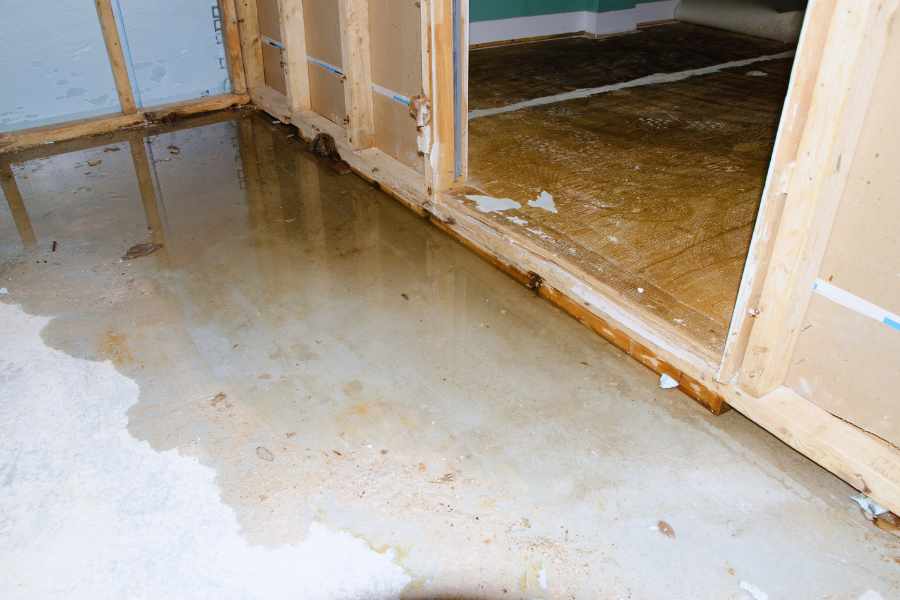
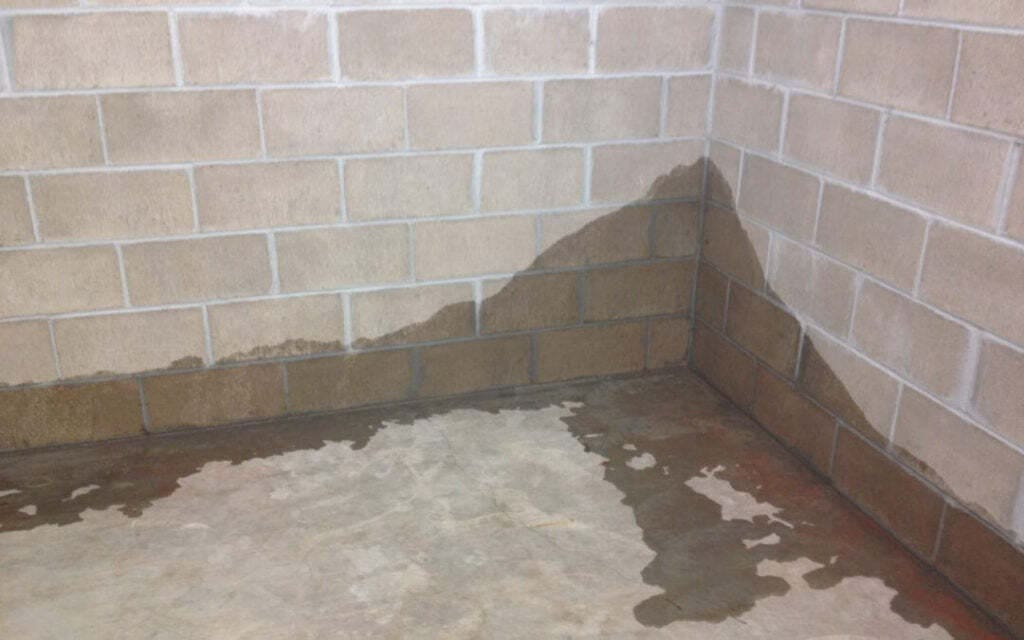
- Basement flooding as water seeps through foundation cracks or window wells.
- Roof leaks due to water backing up under shingles.
- Mold and mildew growth from persistent moisture inside walls or attics.
- Wood rot affecting fascia boards, siding, and even structural framing.
These problems often develop slowly, making regular inspection and cleaning essential. For more details on related risks, check out our resource on signs your roof may leak soon.
Routine Gutter Maintenance for Water Damage Prevention
The most effective way to avoid water-related issues from blocked gutters is through consistent upkeep. Here are key steps to follow:
- Clean gutters at least twice a year—in spring and fall. Remove leaves, twigs, and sediment by hand or with a scoop.
- Flush gutters and downspouts with a garden hose to ensure water flows freely. Pay attention to any slow drainage or backups.
- Inspect for sagging or damage. Look for loose fasteners, rust, or cracks that could cause leaks.
- Trim overhanging branches to reduce the amount of debris falling into your gutters.
- Install gutter guards or screens to minimize clogs, especially if you have trees nearby.
Detecting Early Signs of Gutter-Related Water Issues
Spotting trouble before it escalates is key to protecting your home. Watch for these indicators:
- Water stains or streaks on exterior walls beneath gutters.
- Puddles or erosion near the foundation after rain.
- Peeling paint or warped siding close to gutter lines.
- Musty odors or visible mold in basements or crawl spaces.
- Overflowing gutters during storms, even if rainfall is moderate.
If you notice any of these warning signs, act quickly. Addressing minor clogs or leaks early can prevent major repairs down the road. For more comprehensive advice on keeping your basement dry, see our article on how to improve basement drainage.
Long-Term Solutions to Avoid Water Damage From Blocked Gutters
Beyond routine cleaning, consider these upgrades and strategies for lasting protection:
- Upgrade to seamless gutters to reduce the risk of leaks at joints and seams.
- Install larger downspouts to handle heavy rainfall and prevent backups.
- Direct downspouts away from the foundation using extensions or splash blocks.
- Use smart leak detection devices to monitor for hidden water issues in basements or crawl spaces.
- Schedule annual professional inspections to catch problems you might miss.
Additional Tips for Protecting Your Home From Water Intrusion
While gutter maintenance is crucial, a holistic approach to moisture control offers even greater peace of mind. Here are a few more recommendations:
- Seal foundation cracks and gaps around windows or doors to block water entry.
- Maintain proper grading around your home so water flows away, not toward, the foundation.
- Check attic insulation and ventilation to prevent condensation and mold growth.
- Monitor your roof for missing shingles or damaged flashing. Learn more in our guide on how to prevent roof leaks.
- Consider water detection alarms for early alerts about leaks or flooding.
For a broader overview of safeguarding your home’s interior, you may find this expert guide to protecting your home from water damage helpful.
Frequently Asked Questions
How often should gutters be cleaned to prevent water damage?
Gutters should be cleaned at least twice a year—once in the spring and again in the fall. If your property is surrounded by trees, more frequent cleaning may be necessary to keep debris from causing blockages.
What are the most common signs that gutters are causing water issues?
Look for water stains on exterior walls, overflowing gutters during rain, puddles near the foundation, and mold or mildew in basements. These are strong indicators that your gutters may be blocked and require attention.
Are gutter guards effective at stopping clogs and water damage?
Gutter guards can significantly reduce the amount of debris that enters your gutters, lowering the risk of clogs and overflow. However, they still require periodic inspection and cleaning to ensure optimal performance.
Can clogged gutters affect my home’s foundation?
Yes, when gutters overflow, water can pool around your foundation, increasing the risk of cracks, leaks, and even structural damage over time. Proper gutter maintenance is essential for foundation protection.
What should I do if I notice water in my basement after rain?
First, check your gutters and downspouts for blockages. Clear any debris and ensure water is being directed away from your foundation. If the problem persists, consult a professional to assess for other drainage or structural issues.




