Perfecting homemade tortillas is a rewarding process, but achieving the right texture can be challenging. One common issue is overpressing tortilla dough, which can lead to dense, tough, or unevenly cooked results. Understanding how to strike the right balance when flattening your dough is essential for soft, pliable tortillas that cook evenly and taste authentic.
This guide will break down the causes and consequences of pressing too hard, offer practical tips for using a tortilla press, and help you develop a feel for the ideal thickness. Whether you’re new to tortilla making or looking to refine your technique, these insights will help you consistently create tortillas with the perfect texture.
If you’re interested in exploring other dough-pressing techniques, check out our article on how to press tortillas for gorditas de azucar for sweet dough tips.
Understanding the Risks of Excessive Pressure
Applying too much force when pressing tortilla dough can have several negative effects. Overly compressed dough may:
- Become dense and chewy instead of light and flexible
- Stick to the press or plastic liners, making removal difficult
- Develop cracks around the edges, leading to uneven cooking
- Lose the characteristic puff and softness during cooking
These issues are especially common when using heavy-duty presses or when trying to achieve ultra-thin tortillas. Recognizing the signs of overpressing is the first step toward improvement.
How to Recognize Overpressed Tortilla Dough
Spotting the results of too much pressure is straightforward once you know what to look for. Signs include:
- Edges that are thin, cracked, or torn
- Dough that feels sticky or difficult to peel off the liner
- Tortillas that cook up stiff or brittle rather than soft
- Loss of puffing or air pockets during cooking
If you notice these symptoms, it’s a sign to adjust your pressing technique for better results.
Tips for Achieving the Right Dough Thickness
Finding the ideal thickness is key to avoiding overpressing tortilla dough. Here are some practical tips:
- Start with the right dough consistency: Your masa or flour dough should be moist but not sticky. If it’s too dry, it will crack under pressure; too wet, and it will stick to the press.
- Use gentle, even pressure: Close the press slowly and stop when the dough is about 1/16 to 1/8 inch thick. Avoid using your full body weight.
- Rotate the dough: If your press allows, rotate the dough ball halfway through pressing for more even thickness.
- Check after the first press: Open the press and inspect the dough. If it’s too thick, you can press a bit more; if it’s thin and cracking, use less force next time.
- Practice makes perfect: With a few tries, you’ll develop a feel for the right amount of pressure and dough thickness.
Best Practices for Using a Tortilla Press
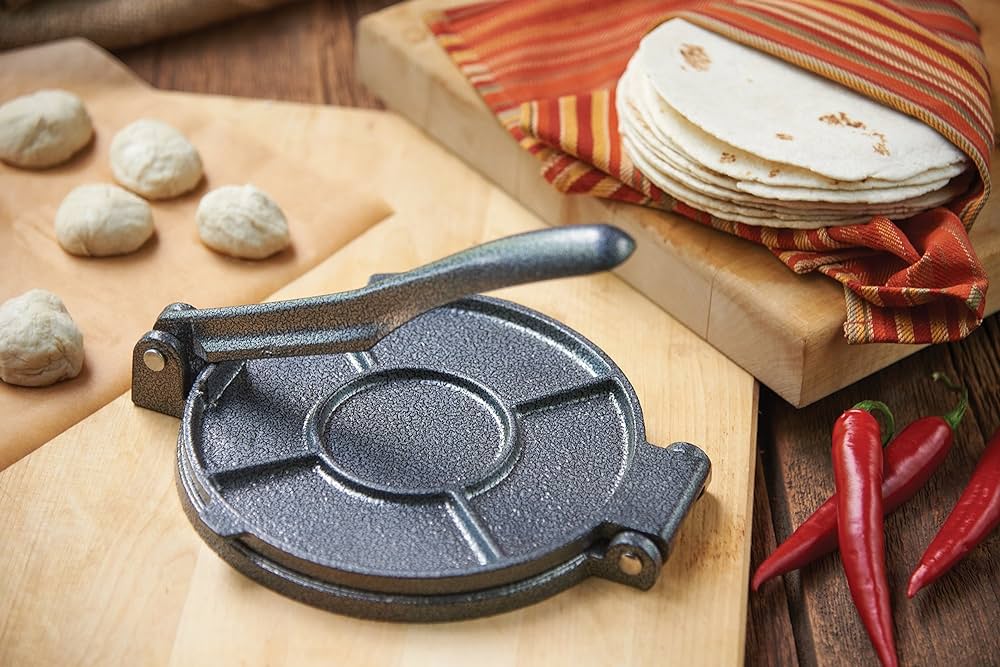
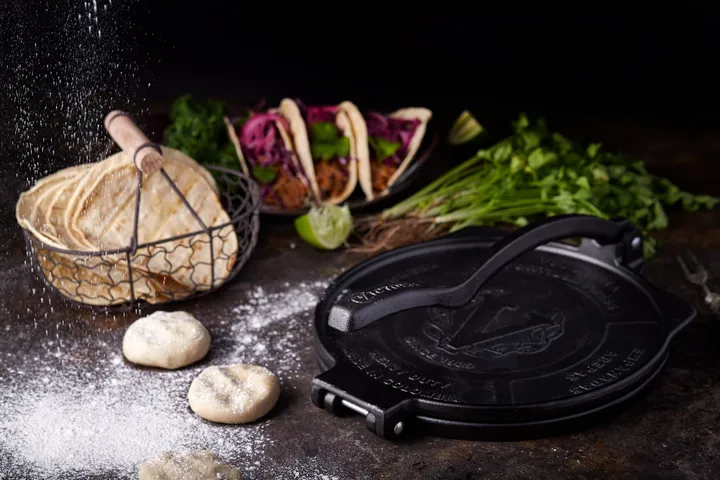
Using a tortilla press correctly is crucial for maintaining the right dough thickness. Here’s how to get the most out of your press:
- Line the press: Use two pieces of plastic, parchment, or wax paper to prevent sticking and make removal easier.
- Center the dough ball: Place the dough in the middle of the press for even flattening.
- Apply moderate pressure: Press down gently and steadily. Avoid sudden force or leaning your full weight onto the handle.
- Inspect and adjust: After pressing, check the tortilla. If it’s uneven or too thin, adjust your technique for the next one.
For more ideas on using a press for different doughs, you might find our article on how to use a tortilla press for pastry dough helpful.
Common Mistakes and How to Fix Them
Even experienced cooks can make mistakes when flattening dough. Here are some frequent errors and how to correct them:
- Pressing too hard: If your tortillas are tough or cracking, lighten your touch and stop pressing as soon as the dough reaches the desired thickness.
- Using dry dough: Dry dough cracks easily. Add a small amount of water and knead until smooth and pliable.
- Uneven pressure: If one side is thinner than the other, ensure the dough ball is centered and press evenly.
- Skipping the liner: Always use plastic or parchment to prevent sticking and tearing.
By addressing these issues, you’ll improve your tortilla-making results and avoid the pitfalls of overpressing.

Maintaining Your Tortilla Press for Consistent Results
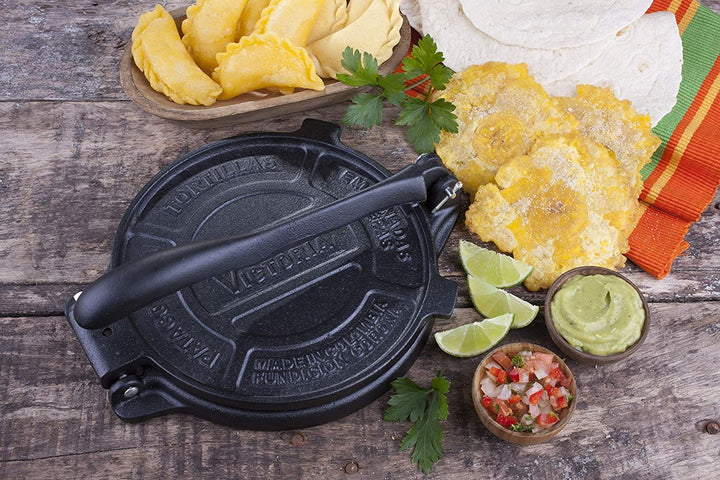
Proper care of your tortilla press ensures smooth operation and helps you avoid overpressing issues. Regular cleaning prevents dough buildup, which can affect how evenly the press closes and distributes pressure. For tips on cleaning and maintaining your press, see this guide to cleaning your cast iron tortilla press.
Make sure to dry your press thoroughly after washing, especially if it’s made of cast iron, to prevent rust and keep the pressing surface smooth.
Fine-Tuning Your Technique for Different Doughs
Not all doughs behave the same way. Corn masa, flour, and specialty blends each require slight adjustments in pressing technique. For example, corn dough is more forgiving and less likely to stick, while flour dough can be more elastic and prone to overpressing. If you’re experimenting with other types of dough, such as for thin crust pizza or dumpling skins, you may want to review our resources on using a tortilla press for thin crust and prepping dumpling skins with a press.
Always adjust your pressure and dough hydration based on the type of tortilla you’re making. With practice, you’ll develop an instinct for the right balance.
Frequently Asked Questions
What happens if I press tortilla dough too thin?
If you flatten your dough excessively, the tortilla may become fragile, crack at the edges, or stick to the liner. It can also cook up dry and lose its flexibility, making it difficult to fold or roll.
How thick should tortilla dough be after pressing?
The ideal thickness is typically between 1/16 and 1/8 inch. This allows the tortilla to cook quickly while remaining soft and pliable. Adjust thickness to your preference, but avoid pressing so thin that the dough tears or loses texture.
Can I fix dough that’s been overpressed?
If you’ve pressed the dough too thin, it’s best to start over with a new dough ball. However, you can try gently re-kneading and reshaping the dough, then pressing again with less force. Avoid reusing dough that’s dried out or cracked, as it may not yield good results.
Conclusion
Mastering the art of pressing tortillas is all about balance. By paying attention to dough consistency, applying gentle and even pressure, and monitoring the thickness, you can avoid the common pitfalls of overpressing. With the right technique and a bit of practice, you’ll enjoy homemade tortillas that are soft, flavorful, and perfect for any meal.