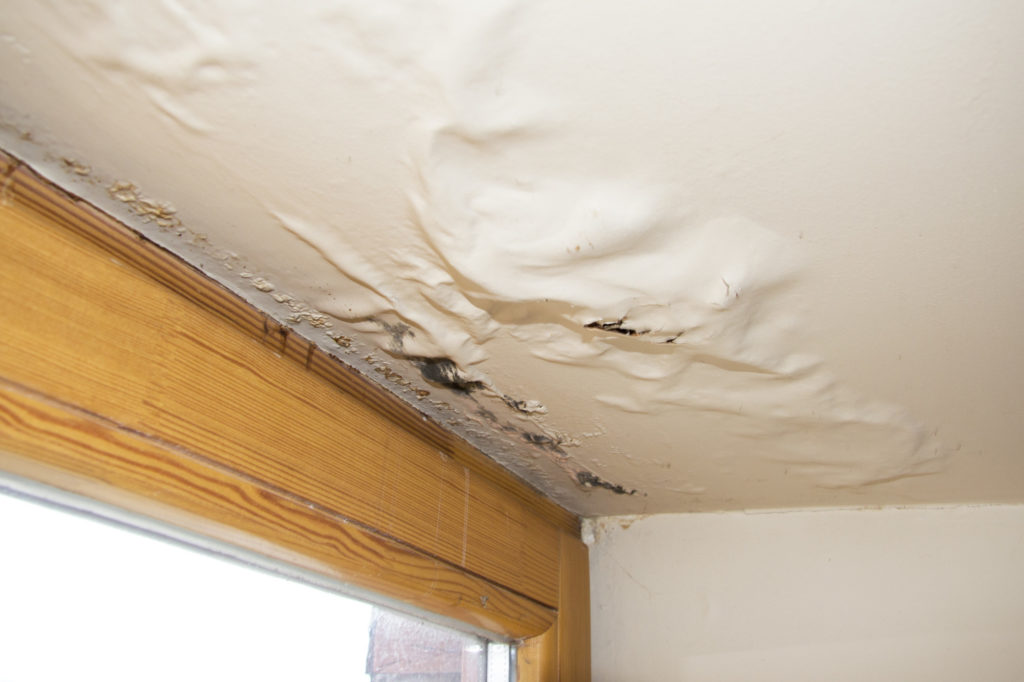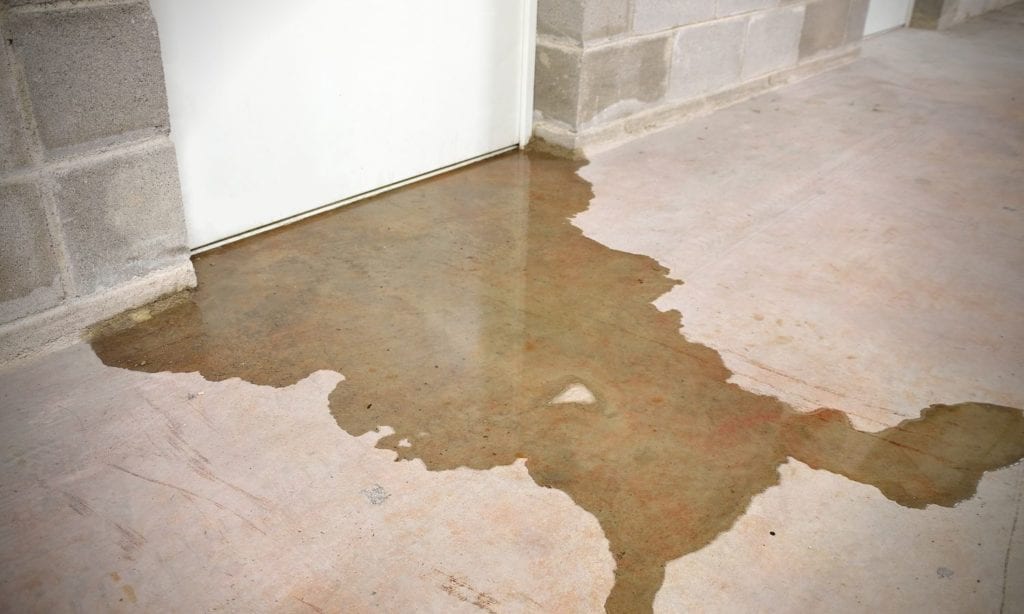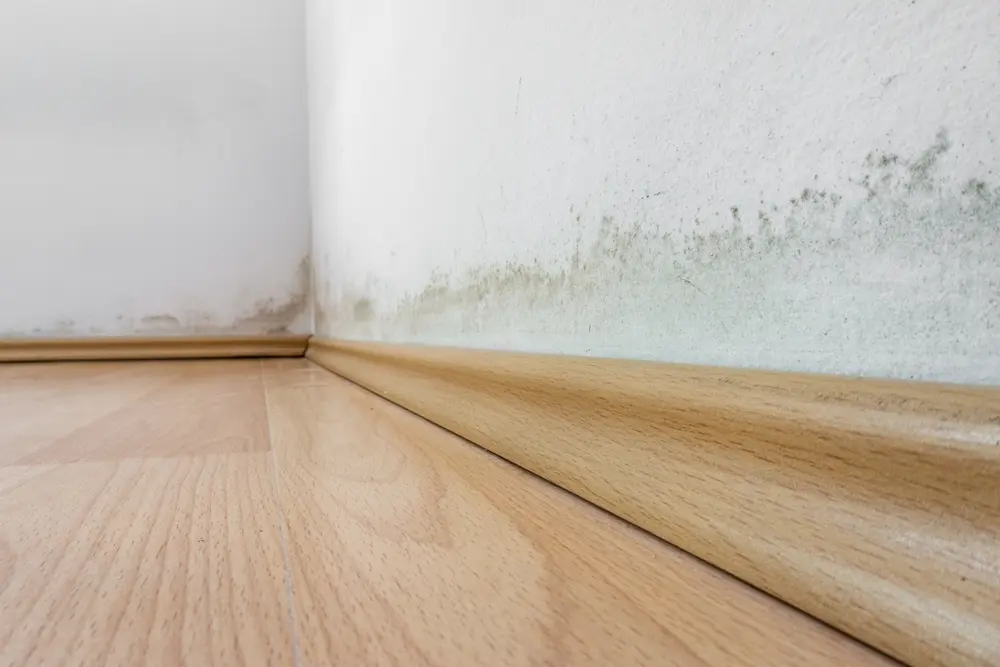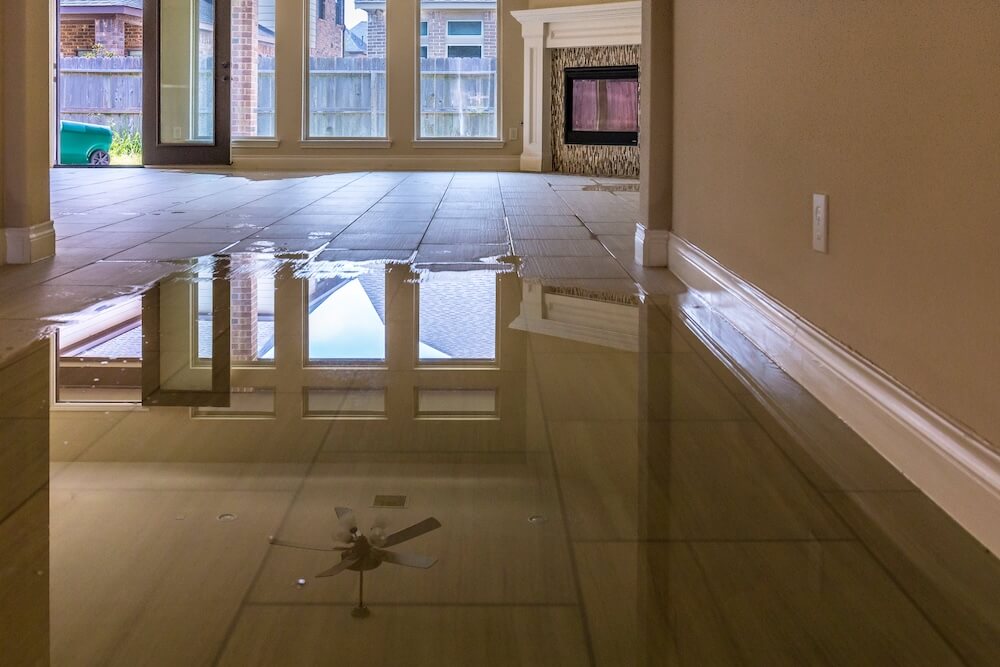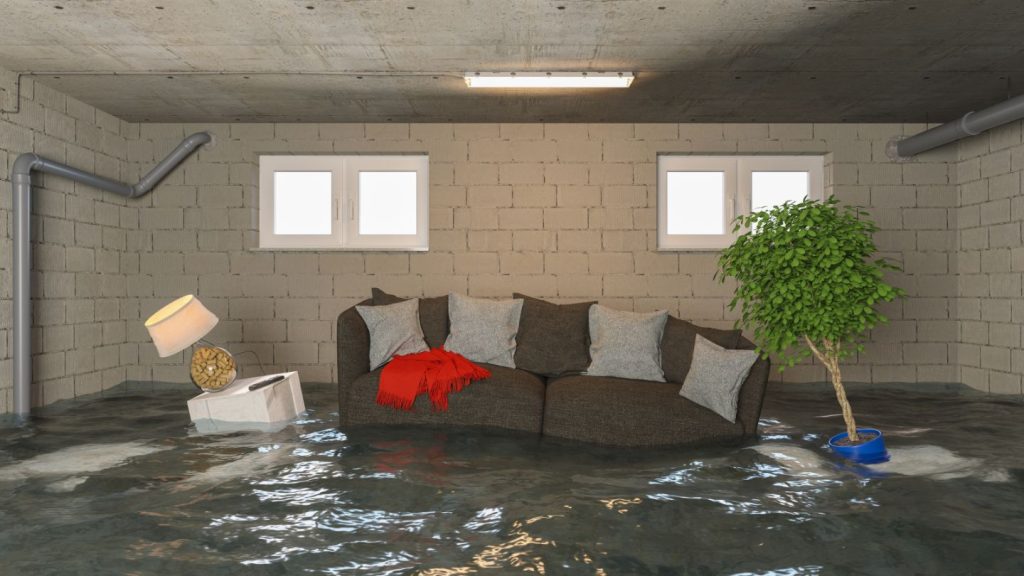
As cities grow and weather patterns change, more homeowners are facing the challenge of urban flooding. This issue can cause significant property damage, disrupt daily life, and lead to expensive repairs. Understanding how to protect your home is essential, especially in areas where heavy rainfall and inadequate drainage are common. This guide provides urban flooding prevention tips that are practical, actionable, and tailored for those living in densely populated environments.
Whether you own a house with a basement or a ground-level apartment, taking proactive steps can make a substantial difference. From improving drainage to using technology for early detection, there are multiple ways to reduce your risk. For those interested in home maintenance, you might also find it helpful to learn about how to clean cast iron after every use to keep your kitchen tools in top shape.
Understanding the Causes of Urban Flooding
Before diving into solutions, it’s important to recognize why flooding happens in urban areas. Cities are filled with concrete, asphalt, and other surfaces that don’t absorb water. When it rains heavily, water runs off these surfaces and can overwhelm storm drains. Blocked gutters, aging infrastructure, and poor land grading further increase the risk.
- Impermeable surfaces like driveways and sidewalks prevent water from soaking into the ground.
- Clogged or undersized storm drains can’t handle sudden surges of water.
- Construction and landscaping changes may redirect water toward homes.
Recognizing these factors helps you target your prevention efforts more effectively.
Key Urban Flooding Prevention Strategies
Reducing your risk starts with a combination of home improvements and ongoing maintenance. Here are some essential steps:
1. Maintain Gutters and Downspouts
Clean gutters and downspouts regularly to ensure water flows away from your home. Leaves, twigs, and debris can block these systems, causing water to overflow and pool near your foundation. Make sure downspouts extend at least six feet away from the house to direct water safely.
2. Improve Yard Drainage
Proper grading is crucial. The ground should slope away from your home so that rainwater doesn’t collect near the foundation. If you notice puddles or soggy areas after storms, consider regrading or installing a French drain system. These solutions can help channel water away efficiently.
3. Install Flood Barriers and Backflow Valves
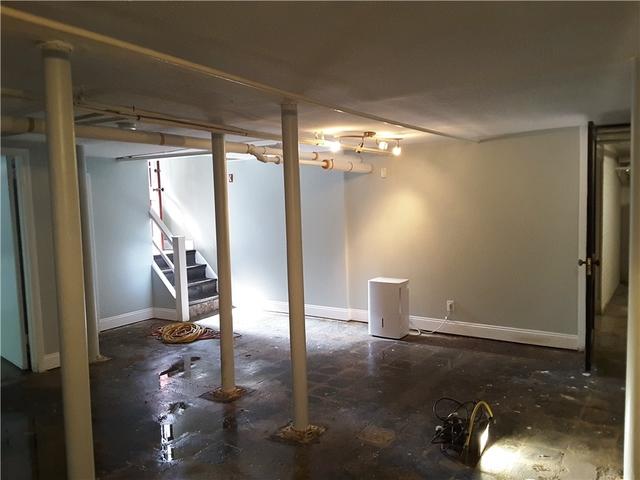
Flood barriers, such as sandbags or removable shields, can be placed around doors and low windows during heavy storms. For homes with basements or below-grade spaces, backflow valves on sewer lines prevent wastewater from backing up into your property during flooding events.
4. Use Flood-Resistant Materials
If you’re renovating or building, consider using materials that withstand water damage. Tile, concrete, and closed-cell insulation are more resilient than carpet or wood. For more ideas, review flood-resistant home design recommendations that can help minimize damage and speed up recovery after a flood.
Technology and Early Detection
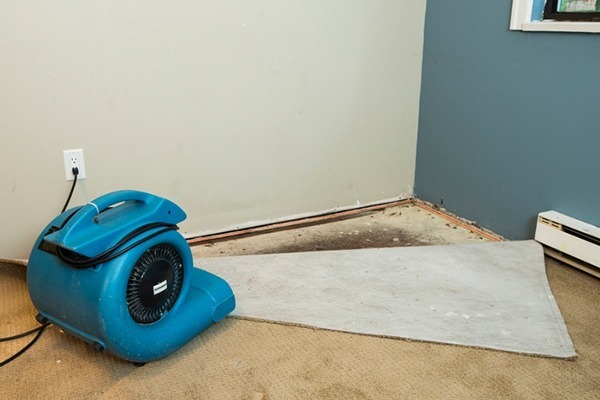
Modern technology offers homeowners new ways to monitor and prevent water damage. Installing smart water leak detectors in basements, laundry rooms, or near sump pumps can alert you to leaks before they become major problems. Some systems can even shut off your water supply automatically if a leak is detected.
Pairing these devices with regular visual inspections ensures you catch issues early. Remember, the sooner you act, the less likely you are to face costly repairs.
Landscaping and Exterior Solutions
Thoughtful landscaping can play a major role in flood prevention. Here are a few practical ideas:
- Plant native vegetation that absorbs water efficiently and stabilizes soil.
- Use rain gardens to collect and filter runoff from roofs and driveways.
- Install permeable pavers for walkways and patios to allow water to seep into the ground.
- Keep storm drains near your property clear of leaves and debris to prevent blockages.
These strategies not only help manage water but also add beauty and value to your property.
Basement and Interior Protection
Basements are particularly vulnerable to flooding in urban settings. To reduce risk:
- Seal cracks in walls and floors with waterproofing compounds.
- Install a sump pump with a battery backup to remove water quickly during storms.
- Store valuable items on shelves or in waterproof containers above floor level.
- Consider using a water leak detector for early warning of leaks or rising water.
Regularly check your sump pump to ensure it’s operational, especially before the rainy season begins.
Routine Maintenance and Emergency Preparedness
Consistent upkeep is key to preventing water damage. Inspect your roof for missing shingles or damaged flashing, and repair any issues promptly. Test your sump pump and backup systems every few months. Keep an emergency kit with essential supplies, including flashlights, batteries, and important documents in a waterproof bag.
It’s also wise to review your insurance coverage to ensure you’re protected against flood-related losses. Many standard homeowner policies do not cover flood damage, so additional coverage may be necessary.
Frequently Asked Questions
What are the most effective ways to prevent water from entering my basement?
The best methods include maintaining gutters and downspouts, grading the soil away from your foundation, sealing cracks, and installing a sump pump with a battery backup. Using a water leak detector can also provide early alerts if water starts to enter.
How often should I clean my gutters to reduce flooding risk?
Gutters should be cleaned at least twice a year—once in the spring and once in the fall. If you have many trees nearby, check and clean them more frequently to prevent clogs and overflow.
Are there affordable ways to improve drainage around my home?
Yes, simple steps like extending downspouts, adding soil to slope the ground away from your house, and planting native vegetation can be cost-effective. Installing a basic French drain or rain garden can also help manage runoff without a large investment.
Conclusion
Protecting your property from urban flooding requires a combination of smart planning, regular maintenance, and the right technology. By applying these urban flooding prevention tips, you can minimize the risk of water damage and maintain a safer, more resilient home. For those interested in other home improvement topics, you might also explore guides such as how to press tortillas for gorditas de azucar for practical kitchen advice. Stay proactive, stay informed, and keep your home protected against the challenges of urban living.