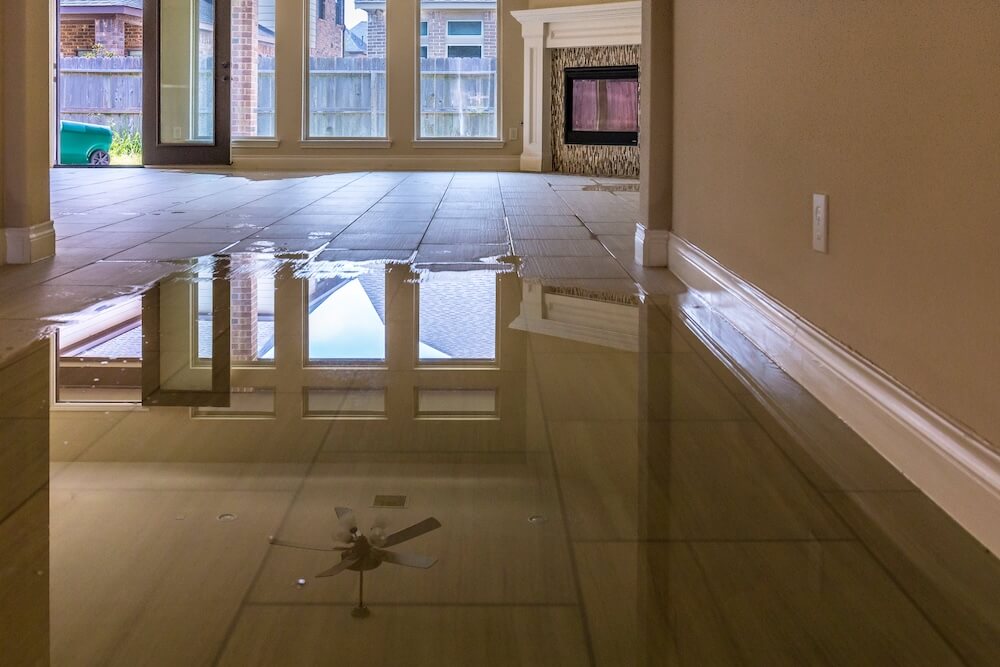
Flooding is one of the most common and costly disasters that can affect homeowners. Understanding your property’s vulnerability is essential for protecting your investment and ensuring the safety of those who live there. Conducting a home flood risk assessment helps you identify potential hazards, evaluate your current level of preparedness, and take proactive steps to minimize damage from water intrusion.
Whether you live near a river, in a coastal region, or even in an area that rarely experiences heavy rain, it’s important to know how to evaluate your home’s exposure to flooding. This guide will walk you through the process step by step, from understanding environmental factors to inspecting your property and planning improvements. For additional background on insurance considerations, you may want to review flood insurance basics as part of your overall risk management strategy.

Why Assessing Flood Risk at Home Matters
Many homeowners underestimate the likelihood of flooding, assuming that only those in high-risk zones need to worry. However, climate change, urban development, and aging infrastructure have increased the frequency and severity of floods in areas previously considered safe. A thorough evaluation of your home’s flood risk can help you:
- Identify weak points in your property’s defenses
- Prioritize upgrades and maintenance
- Lower insurance premiums by demonstrating risk mitigation
- Protect your family and valuables from unexpected water damage
By taking the time to analyze your situation, you can make informed decisions about improvements and emergency planning.
Key Factors in a Home Flood Risk Assessment
A comprehensive review involves several components. Here are the most important elements to consider when evaluating your property:
1. Location and Environmental Hazards
Start by researching your neighborhood’s flood history and natural features. Check if your home is in a designated floodplain using FEMA maps or your local government’s resources. Consider proximity to rivers, lakes, or coastal areas, as well as the elevation of your property relative to surrounding land.
Urban areas with poor drainage systems or lots of impervious surfaces (like concrete) are also more prone to flash flooding. If you’re unsure, consult your city’s planning department or use online tools to assess your risk.
2. Building Structure and Materials
The design and construction of your house play a major role in how it will withstand water intrusion. During your assessment, inspect:
- Foundation type (basement, crawlspace, slab-on-grade)
- Condition of exterior walls and siding
- Quality and age of windows and doors
- Roof integrity and drainage systems
- Presence of sump pumps or backflow valves
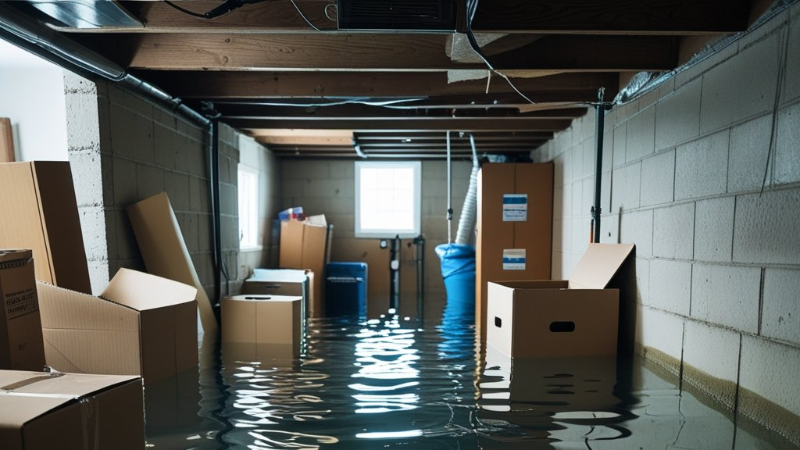
Older homes or those with unfinished basements may be more vulnerable. Look for cracks, gaps, or signs of previous water damage.
3. Drainage and Landscaping
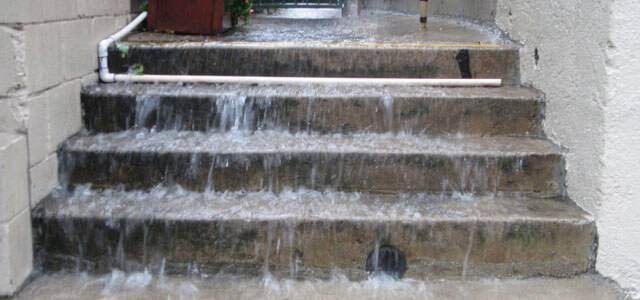
Proper grading and landscaping can significantly reduce your flood risk. Walk around your property and observe how water flows during rainstorms. Check for:
- Slopes that direct water away from the foundation
- Clogged or broken gutters and downspouts
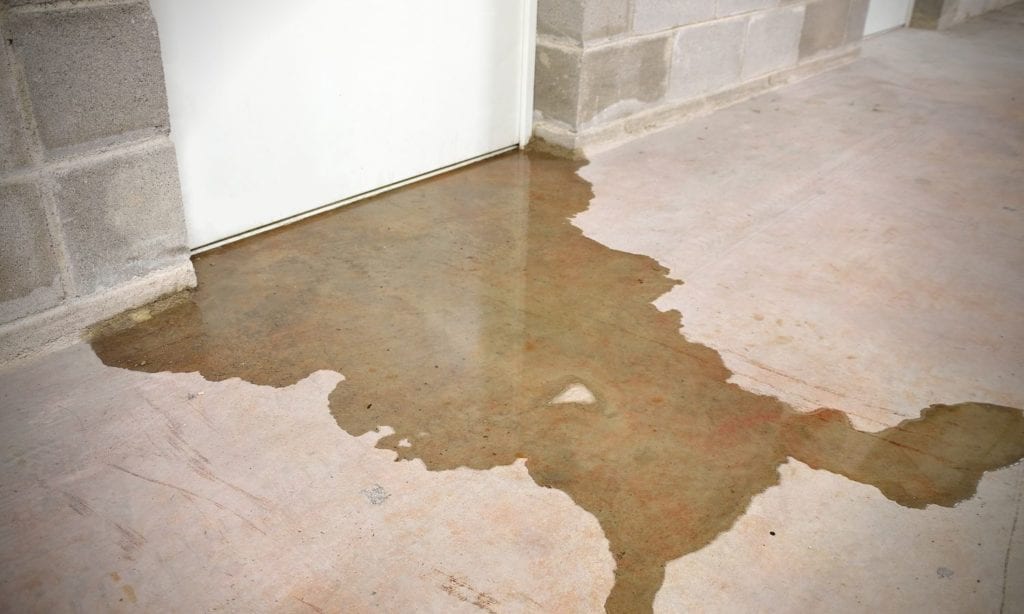
- Low spots where water pools
- Driveways or walkways that channel water toward the house
Landscaping features like French drains, swales, or rain gardens can help manage runoff. If you notice persistent drainage issues, consider consulting a professional for solutions.
Steps to Evaluate and Reduce Flood Exposure
Conducting a Visual Inspection
Begin your assessment with a thorough walk-through of your home, both inside and out. Look for:
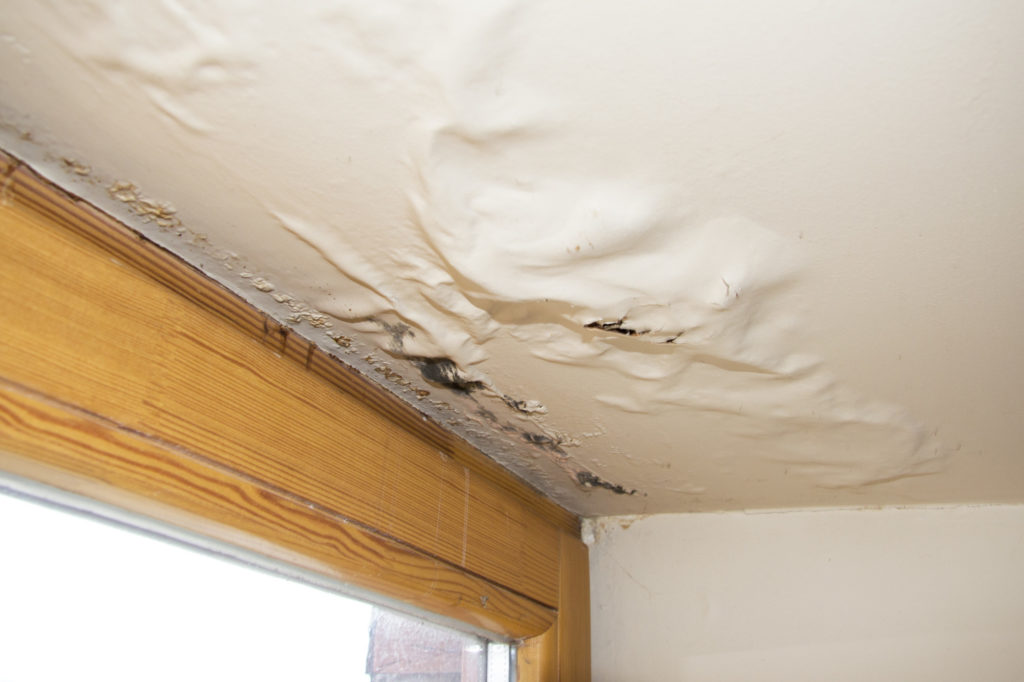
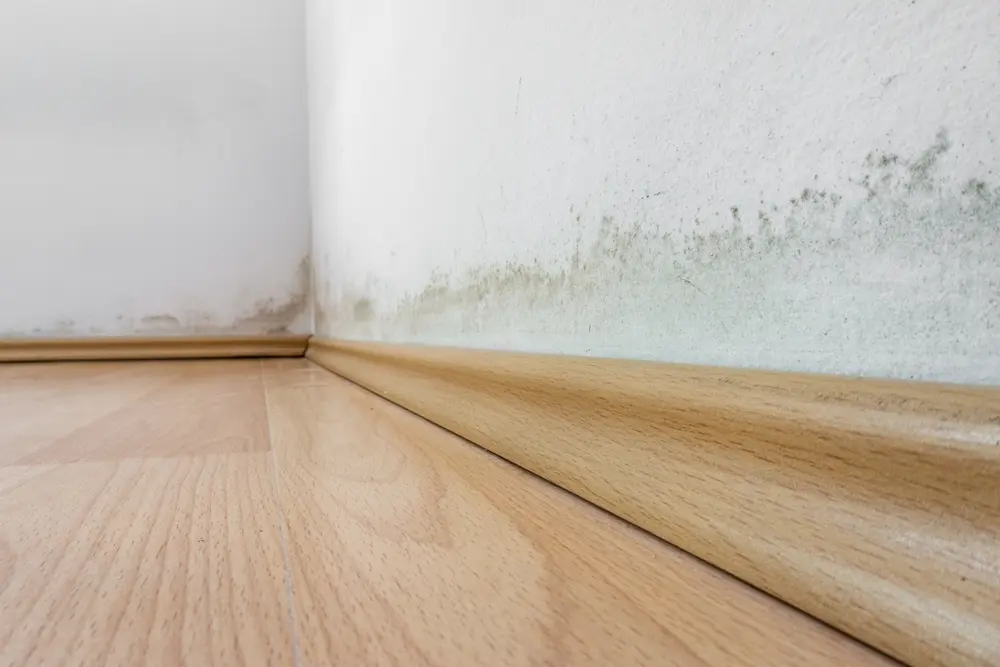
- Signs of water stains or mold on walls and floors
- Warped wood, peeling paint, or musty odors
- Cracks in the foundation or basement walls
- Blocked or missing vent covers
Document any issues you find and prioritize repairs based on severity.
Testing and Monitoring for Leaks
Technology can help you catch problems early. Installing a water leak detector is a simple way to receive alerts if moisture is detected in vulnerable areas. These devices are especially useful in basements, laundry rooms, or near water heaters.
For more tips on post-flood recovery, see our article on dehumidifiers after flooding to help dry out affected spaces quickly.
Reviewing Local Flood Maps and Data
Accessing official floodplain maps and historical data is a crucial part of your evaluation. FEMA’s Flood Map Service Center and local government websites provide up-to-date information about flood zones, recent events, and future projections. If you’re unsure how to interpret these resources, consult a local expert or insurance agent.
Implementing Preventive Measures
Once you’ve identified vulnerabilities, take action to reduce your risk. Some effective strategies include:
- Sealing cracks in foundations and basement walls
- Installing sump pumps and backflow valves
- Elevating electrical outlets and appliances above potential flood levels
- Maintaining gutters and downspouts to ensure proper drainage
- Using water-resistant materials in areas prone to moisture
For a deeper dive into post-flood safety, refer to our guide on flood cleanup safety tips.
Integrating Flood Risk Assessment into Your Emergency Planning
Evaluating your property is just one part of a comprehensive flood preparedness plan. Make sure you also:
- Develop an evacuation plan for your family
- Keep important documents in waterproof containers
- Store emergency supplies in an accessible location
- Review your insurance coverage and update as needed
If you want to learn more about steps to take before severe weather, our resource on what to do before a flood offers practical checklists and advice.
Additional Resources and Professional Help
While many aspects of evaluating your home’s vulnerability can be done independently, don’t hesitate to seek professional assistance for complex issues. Licensed inspectors, contractors, and insurance agents can provide detailed reports and recommend tailored solutions.
For more information on reducing your exposure, see this comprehensive guide to preventing flooding from a trusted industry source.
After a flood, it’s also important to address health risks. Our article on preventing mold growth after flood can help you safeguard your home and family from long-term damage.
Frequently Asked Questions
What are the most common signs my home is at risk of flooding?
Common indicators include water stains or mold in basements, pooling water near the foundation, frequent sump pump use, and a history of neighborhood flooding. Reviewing local flood maps and inspecting your property after heavy rain can also reveal vulnerabilities.
How often should I review my home’s flood risk?
It’s wise to reassess your property every few years, after major renovations, or following significant weather events. Changes in local infrastructure, climate, or landscaping can all impact your exposure.
Can I reduce my insurance premium by lowering my flood risk?
Yes, many insurers offer discounts for homes with flood mitigation features such as sump pumps, backflow valves, and proper grading. Documenting your improvements and sharing them with your insurance provider can help you qualify for lower rates.