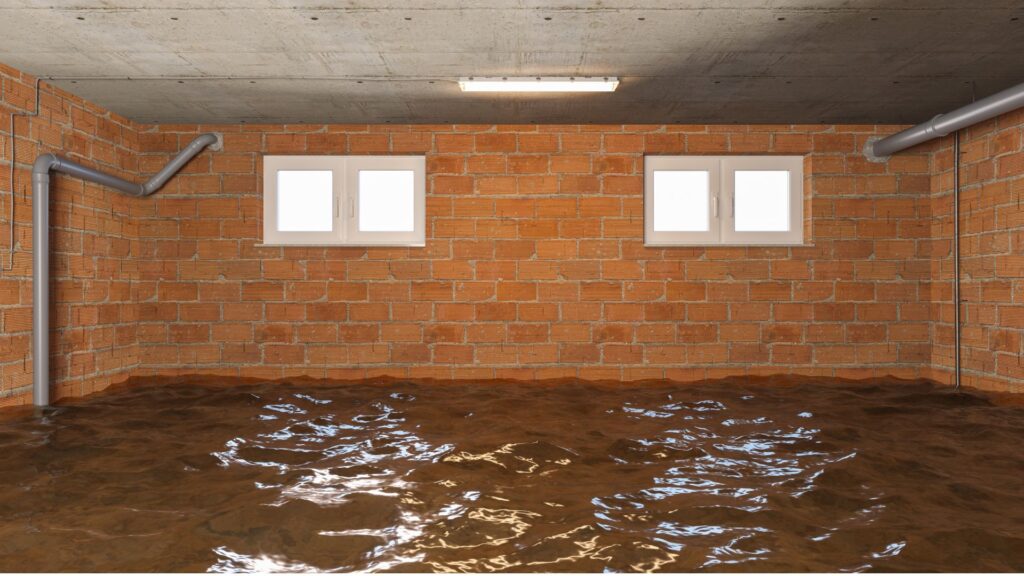
As global temperatures rise and weather patterns shift, the relationship between climate change and home flooding has become a growing concern for homeowners everywhere. Increased rainfall, more frequent storms, and rising sea levels are making residential areas more vulnerable to water damage than ever before. Understanding how these environmental changes impact your property is crucial for protecting your home and your investment.
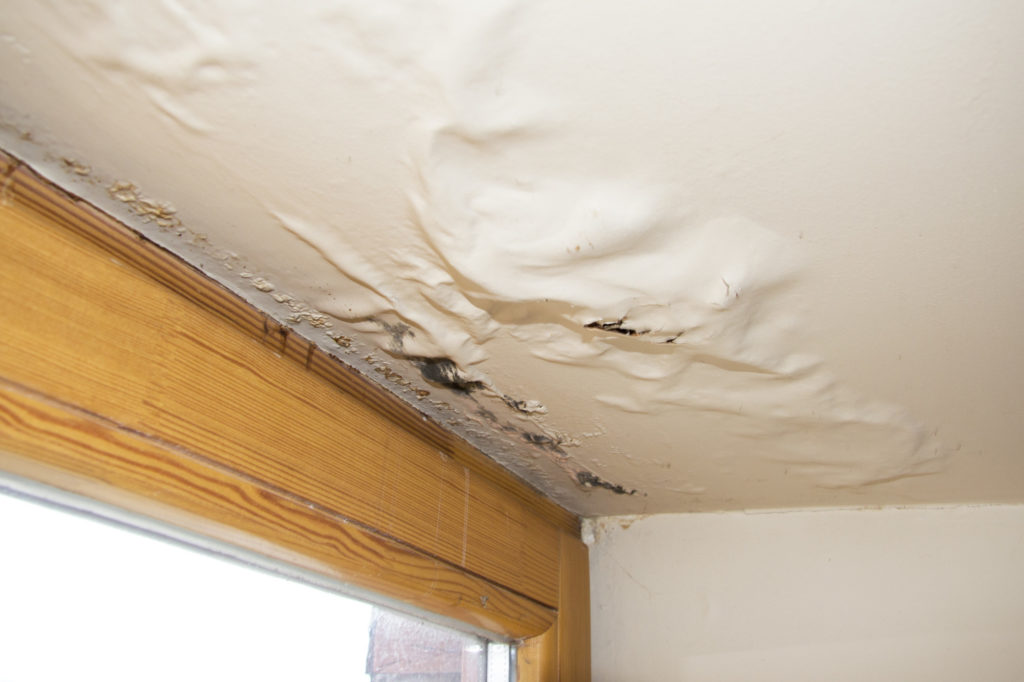
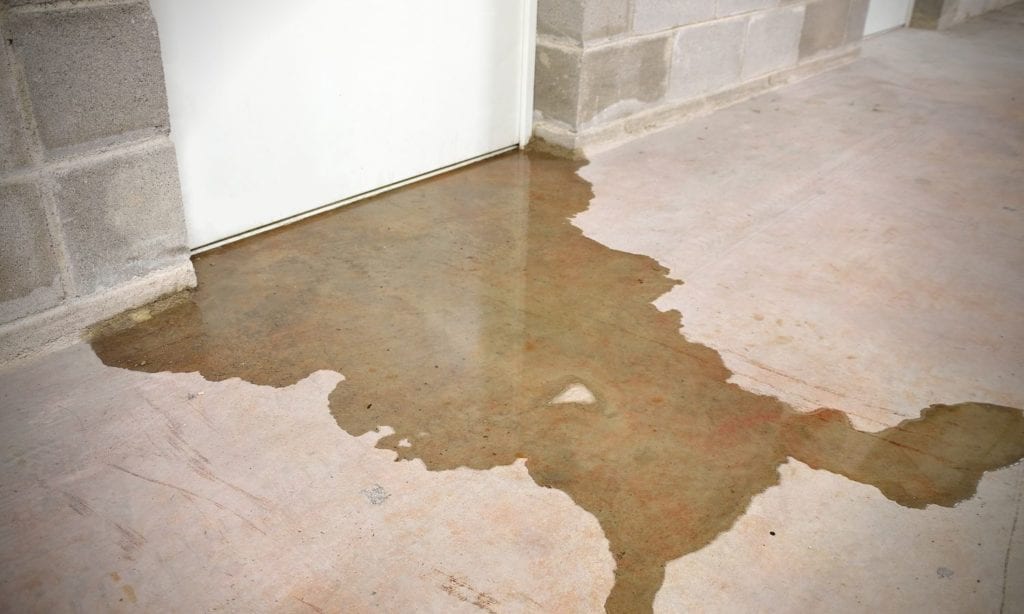
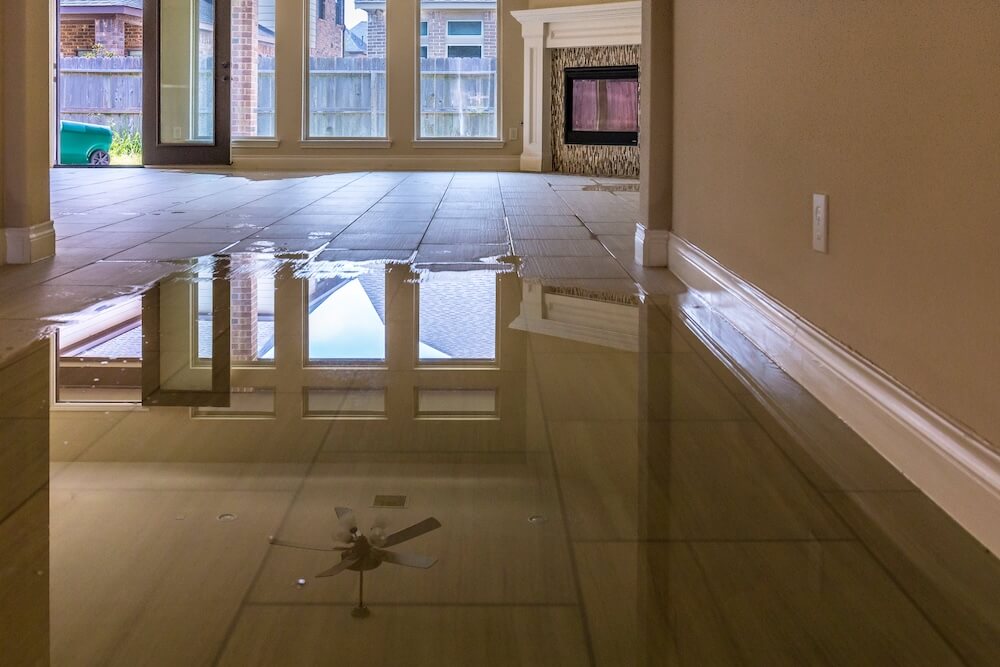
Flooding can cause significant structural damage, destroy personal belongings, and even pose health risks due to mold and contaminated water. While some regions are more prone to floods, no area is entirely immune as climate events become less predictable. Proactive steps and informed decisions can make a substantial difference in minimizing the impact of these risks.
If you’re unsure about your property’s vulnerability, conducting a home flood risk assessment is a smart first step. This can help you identify weaknesses and prioritize improvements before severe weather strikes.
How Environmental Changes Are Increasing Flood Hazards
The link between shifting climate patterns and the rise in home flooding is well documented. Warmer air holds more moisture, leading to heavier rainfall events. In many regions, storms are becoming more intense and frequent, overwhelming drainage systems and causing water to accumulate in basements and ground floors.
Additionally, sea level rise is pushing coastal flooding further inland, affecting homes that were previously considered safe. Urban development also plays a role, as more paved surfaces reduce the land’s ability to absorb rainwater, increasing runoff and the likelihood of flash floods.
Common Types of Flooding Affecting Homes
Not all floods are the same, and understanding the different types can help you prepare more effectively:
- Riverine flooding: Occurs when rivers overflow due to excessive rainfall or snowmelt.
- Flash floods: Result from intense rainfall over a short period, often in urban areas with poor drainage.
- Coastal flooding: Caused by storm surges and rising tides, especially during hurricanes or tropical storms.
- Urban flooding: Happens when city infrastructure cannot handle heavy rain, leading to water pooling in streets and homes.
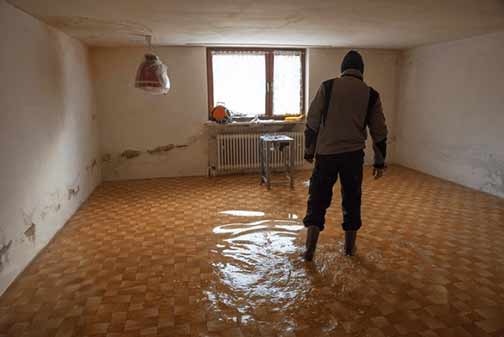
Assessing Your Property’s Vulnerability to Floods
Evaluating your home’s exposure to water damage is essential in today’s changing climate. Start by reviewing local flood maps and historical data for your area. Consider the elevation of your property, proximity to bodies of water, and the effectiveness of nearby drainage systems.
For a more detailed evaluation, a home flood risk assessment can provide tailored insights. This process examines structural features, landscaping, and even the condition of your foundation to highlight potential weak points.
Practical Steps to Reduce Water Damage at Home
While you can’t control the weather, you can take several actions to protect your home from flooding:
- Install sump pumps and backflow valves to prevent water from entering basements.
- Seal cracks in foundations and basement walls to block seepage.
- Maintain gutters and downspouts to direct rainwater away from your home.
- Landscape with native plants and permeable materials to improve drainage.
- Store valuables and important documents in waterproof containers or on upper floors.
For more ideas, explore effective ways to flood-proof your house from trusted environmental organizations.
Insurance and Recovery: Preparing for the Unexpected
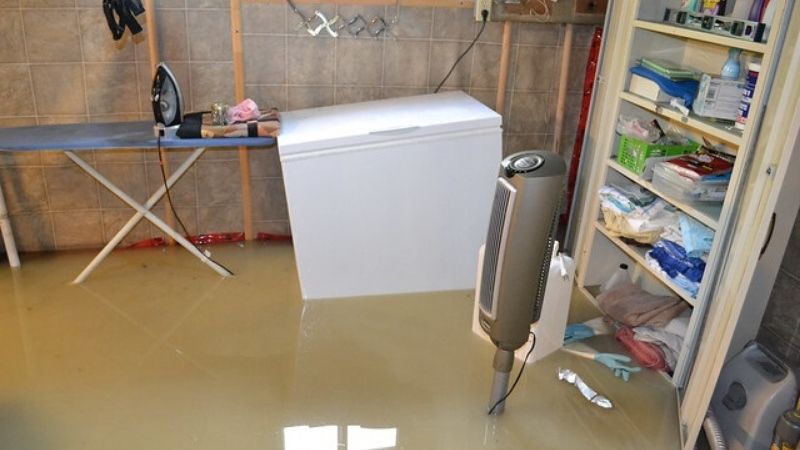
Even with the best precautions, severe weather can still cause damage. That’s why having the right insurance coverage is vital. Standard homeowner policies often exclude flood damage, so consider a dedicated policy to cover losses from rising water.
To understand your options, review the essentials of flood insurance basics before disaster strikes. After a flood, quick action is needed to limit further harm. Remove standing water, document damage for insurance claims, and use dehumidifiers after flooding to dry out affected areas.
Health and Safety After Flooding Events
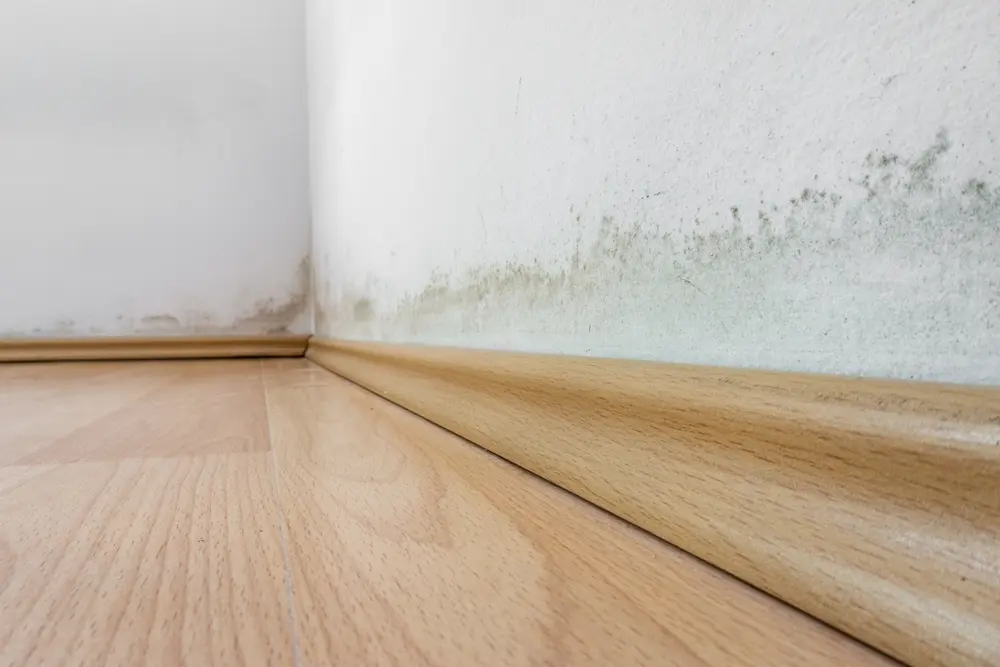
Floodwaters can carry contaminants and create conditions for mold growth. Always wear protective gear when cleaning up, and discard any food or items that have come into contact with water. Promptly addressing moisture is key to preventing mold growth after flood events, which can lead to respiratory issues and other health problems.
If you know severe weather is on the way, take time to review what to do before a flood to minimize risk and ensure your family’s safety.
FAQ: Home Flooding and Climate Change
How does climate change increase the risk of flooding for homeowners?
Changes in global temperatures lead to more intense and frequent storms, heavier rainfall, and rising sea levels. These factors contribute to overwhelmed drainage systems and increased water accumulation around homes, making flooding more common in both coastal and inland areas.
What are the first steps to take if my home floods?
Prioritize safety by turning off electricity if it’s safe, avoiding contact with floodwater, and evacuating if necessary. Once conditions allow, document all damage for insurance purposes, remove standing water, and begin drying out the property to prevent mold and structural issues.
Are there affordable ways to protect my home from water damage?
Yes. Simple measures like sealing foundation cracks, maintaining gutters, installing sump pumps, and using water leak detectors can significantly reduce risk. Many of these solutions are cost-effective and can be implemented without major renovations.