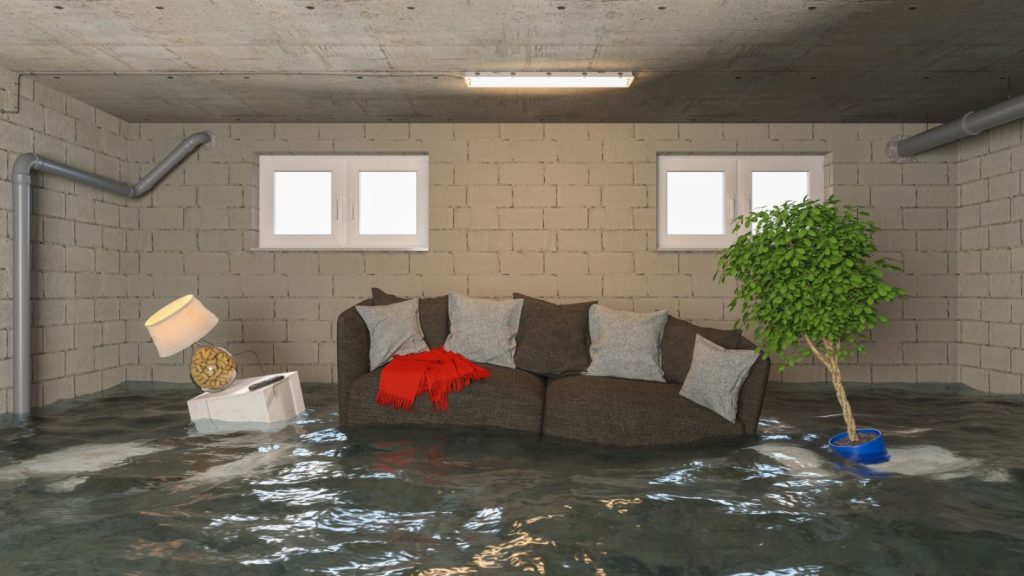
Flooding is one of the most common and costly natural disasters in the United States, yet misconceptions about flood insurance persist. Many homeowners and renters make decisions based on outdated or inaccurate information, leaving themselves vulnerable to significant financial loss. Understanding the facts behind flood insurance myths is crucial for protecting your property and peace of mind.
Whether you live in a high-risk area or believe your home is safe from flooding, it’s important to separate fact from fiction. This article explores widespread misunderstandings, clarifies what flood insurance does and does not cover, and provides practical guidance for making informed decisions. If you’re interested in learning more about evaluating your property’s risk, consider reading this home flood risk assessment guide for a deeper look at how to assess your vulnerability.
Misconceptions About Flood Insurance Coverage
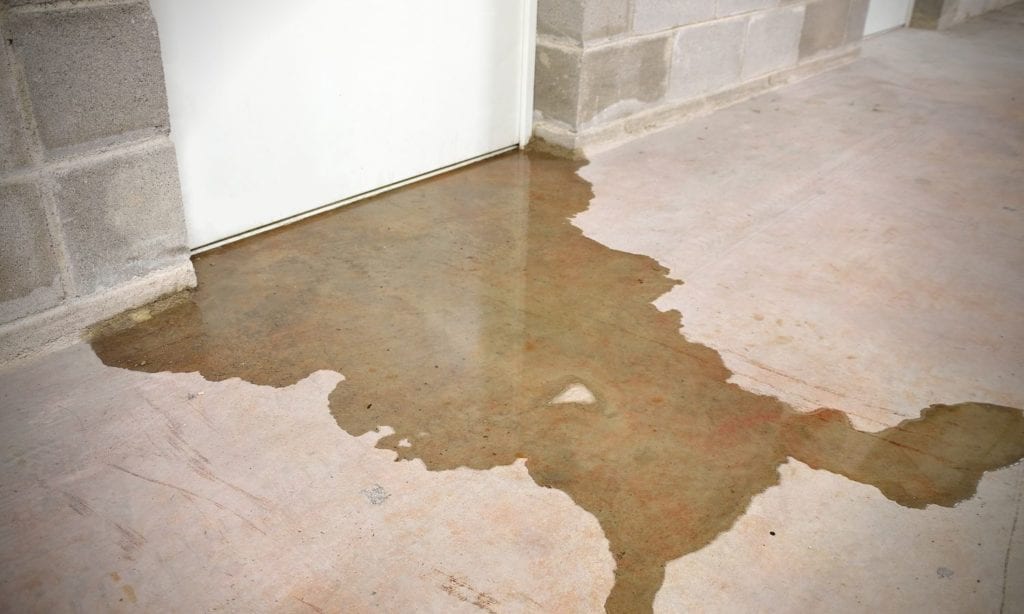
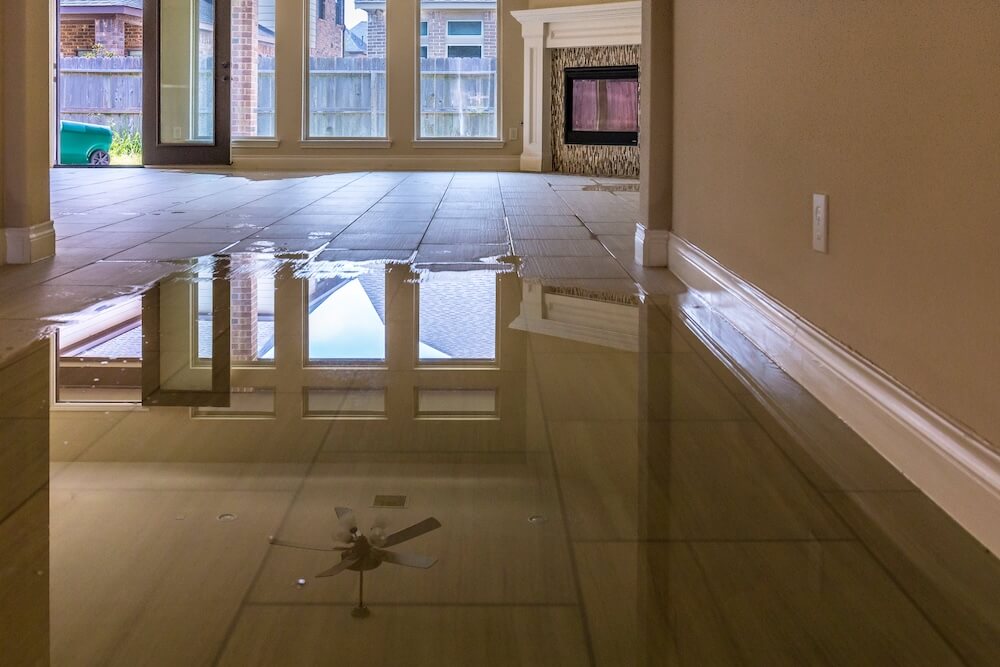
One of the most persistent flood insurance myths is that standard homeowners or renters insurance policies automatically cover flood damage. In reality, most traditional policies specifically exclude flooding caused by external water sources, such as heavy rain, overflowing rivers, or storm surges. To be protected from these events, a separate flood insurance policy is required.
Another common misunderstanding is that only those living in designated flood zones need to worry about this type of coverage. However, according to FEMA, over 20% of flood claims come from properties outside high-risk areas. Flooding can happen anywhere, and recent changes in weather patterns and urban development have increased the risk in places previously considered safe. For more on how environmental factors are shifting flood risks, see this article on climate change and home flooding.
Debunking Myths About Who Needs Flood Insurance
Many people believe that if their home is not near a body of water, they are safe from flooding. Unfortunately, this is not the case. Heavy rainfall, blocked storm drains, or rapid snowmelt can cause significant water damage even far from rivers or lakes. Urban areas, in particular, are increasingly susceptible due to poor drainage and large expanses of impervious surfaces.
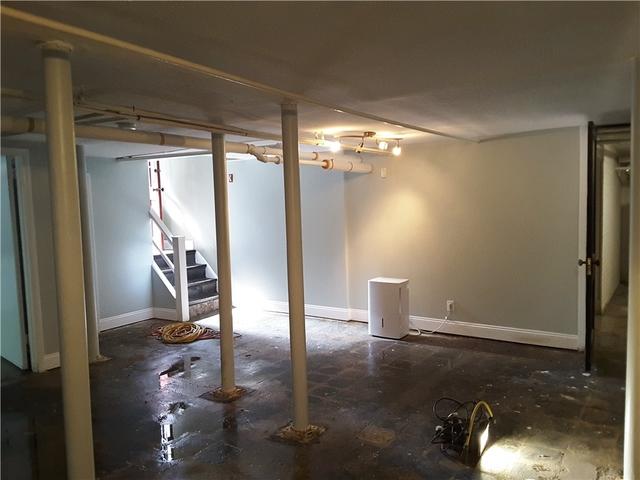
Another widespread belief is that government disaster assistance will cover all losses after a flood. In truth, federal aid is only available if a disaster is officially declared, and it usually comes in the form of low-interest loans that must be repaid. Grants, when available, are often limited and may not cover the full extent of your damages. Flood insurance, on the other hand, provides a dedicated payout for covered losses, regardless of disaster declarations.
Understanding What Flood Insurance Really Covers
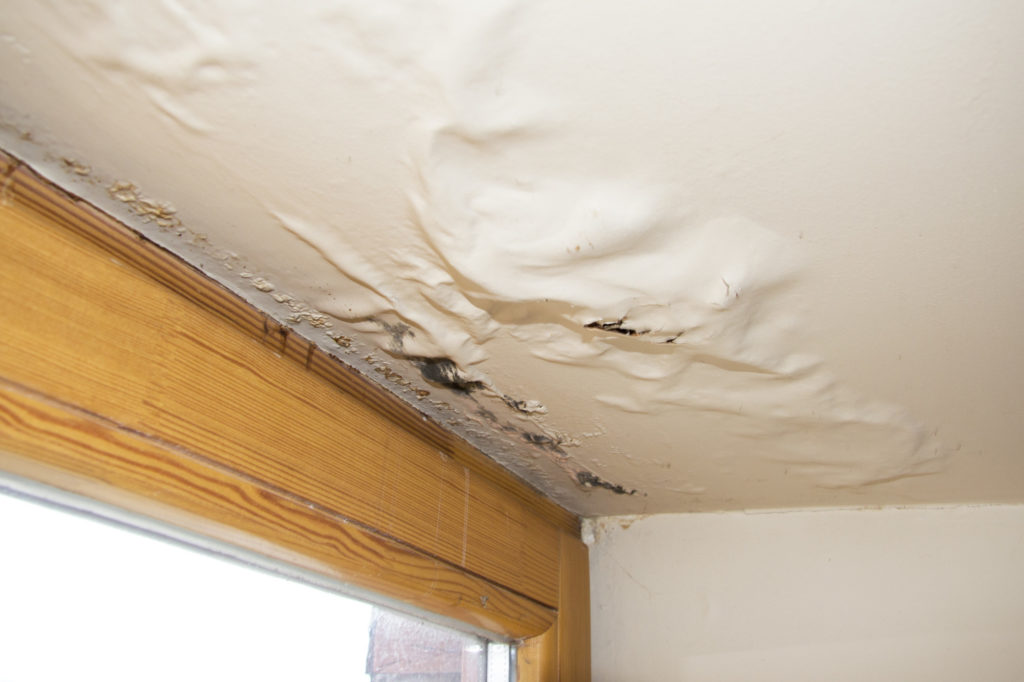
There’s a misconception that flood insurance covers every type of water damage. In reality, it is designed to protect against damage caused by rising water from outside the home. Water damage from internal sources, such as burst pipes or roof leaks, is typically covered by standard homeowners insurance, not flood insurance.
Flood insurance policies generally cover the structure of your home and its foundation, electrical and plumbing systems, major appliances, and certain personal belongings. However, there are limits and exclusions. For example, coverage for basements, crawl spaces, and detached garages may be restricted. It’s important to review your policy details and understand what is and isn’t included.
If you want to learn more about the basics of these policies, check out this comprehensive overview on flood insurance basics.
Timing and Waiting Periods: Another Source of Confusion
Some assume they can purchase flood insurance right before a storm and be immediately protected. In most cases, there is a waiting period—typically 30 days—before coverage takes effect. This is designed to prevent last-minute purchases in response to imminent threats. Planning ahead is essential to ensure you’re covered when you need it most. For more details, see the article on the flood insurance waiting period.
Flood-Resistant Home Design and Prevention
While insurance is a critical safety net, prevention and mitigation are equally important. Modern flood-resistant home design techniques can help minimize damage and lower insurance premiums. These strategies include elevating electrical systems, installing sump pumps, using water-resistant building materials, and landscaping to direct water away from the foundation.
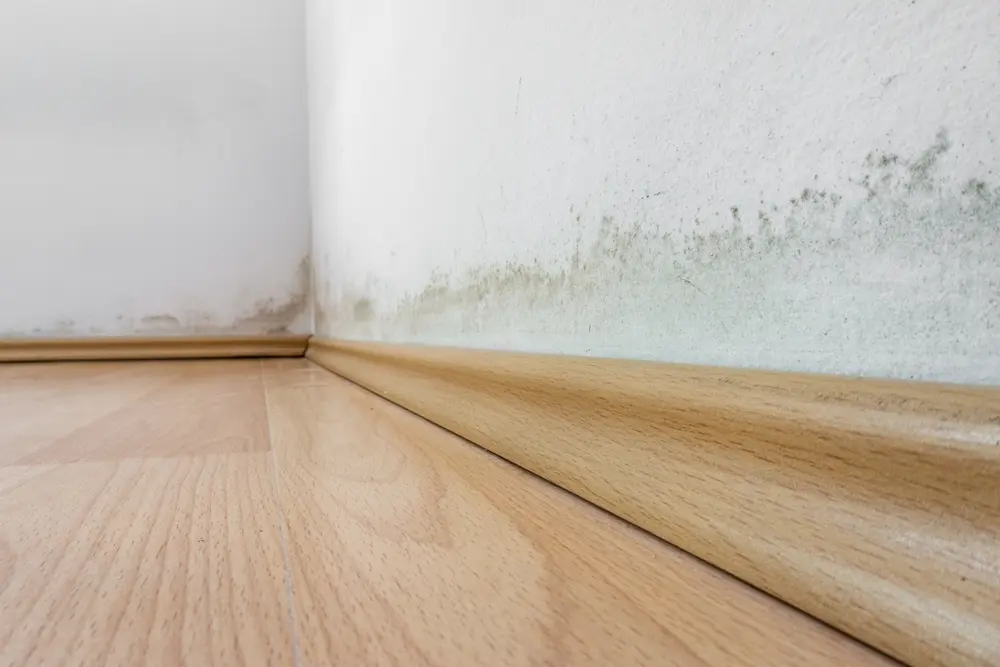
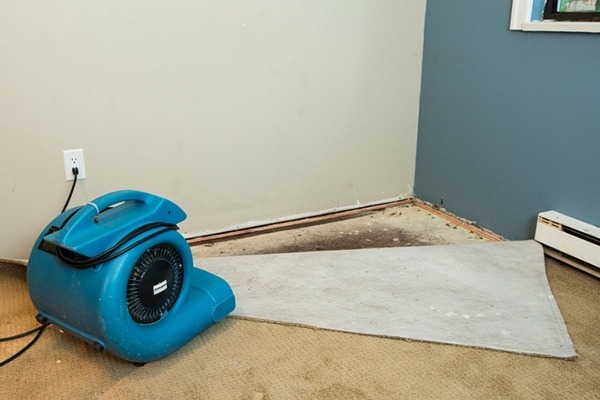
After a flood, quick action is vital to prevent mold and further damage. Using dehumidifiers after flooding can help dry out your home and protect your health.
Frequently Asked Questions
Does flood insurance cover basement flooding?
Coverage for basements is often limited. While structural elements and essential systems (like electrical and plumbing) may be included, personal belongings and finished surfaces in basements are typically excluded or subject to lower limits. Always review your policy for specific details.
Can renters purchase flood insurance?
Yes, renters can and should consider purchasing flood insurance for their personal belongings. The building owner’s policy will not cover a tenant’s possessions, so a separate policy is necessary for full protection.
Is flood insurance mandatory for all homeowners?
Flood insurance is only required by lenders for homes in designated high-risk flood zones with federally backed mortgages. However, property owners outside these zones are still at risk and may benefit from voluntary coverage.
Key Takeaways on Flood Insurance Misunderstandings
- Standard homeowners and renters insurance does not cover flood damage from external water sources.
- Flooding can happen anywhere, not just in high-risk zones.
- Government disaster aid is limited and often insufficient to fully recover losses.
- Flood insurance policies have waiting periods before coverage begins—plan ahead.
- Prevention and mitigation can reduce risk and insurance costs.
By understanding and challenging common flood insurance myths, you can make better decisions to protect your home and finances. Don’t wait until it’s too late—review your coverage options, assess your property’s risk, and take steps to safeguard your investment.