Flooding can cause significant damage to homes, disrupt daily life, and lead to costly repairs. Understanding how to protect your property is essential for homeowners living in areas prone to heavy rain, snowmelt, or rising water tables. By following best practices for home flood prevention, you can reduce the risk of water intrusion and safeguard your investment. This guide outlines practical steps, from property maintenance to technology solutions, to help you stay prepared for potential flooding events.
For those interested in seasonal strategies, you may also want to review our spring thaw flooding prevention resource, which offers targeted advice for managing risks during the thaw season.
Understanding Flood Risks in Residential Areas
The first step in effective flood prevention is to assess the specific risks facing your home. Factors such as local climate, proximity to rivers or lakes, and the elevation of your property all influence your vulnerability. Reviewing flood maps and consulting with local authorities can provide insight into the likelihood of flooding in your neighborhood.
It’s also important to be aware of the common causes of house floods, which include heavy rainfall, blocked drains, sewer backups, and plumbing failures. Recognizing these risks allows you to take targeted action to mitigate them.
Property Maintenance: A Key to Flood Prevention
Regular upkeep of your property is one of the most effective ways to prevent water damage. Here are several maintenance tasks that can help reduce the risk of flooding:
- Clear gutters and downspouts at least twice a year to ensure water flows away from your foundation.
- Inspect your roof for missing or damaged shingles and repair them promptly.
- Seal cracks in your foundation, basement walls, and around windows or doors to block water entry.
- Grade the soil around your home so that it slopes away from the structure, directing runoff away from the foundation.
- Install window well covers to prevent water from pooling around basement windows.
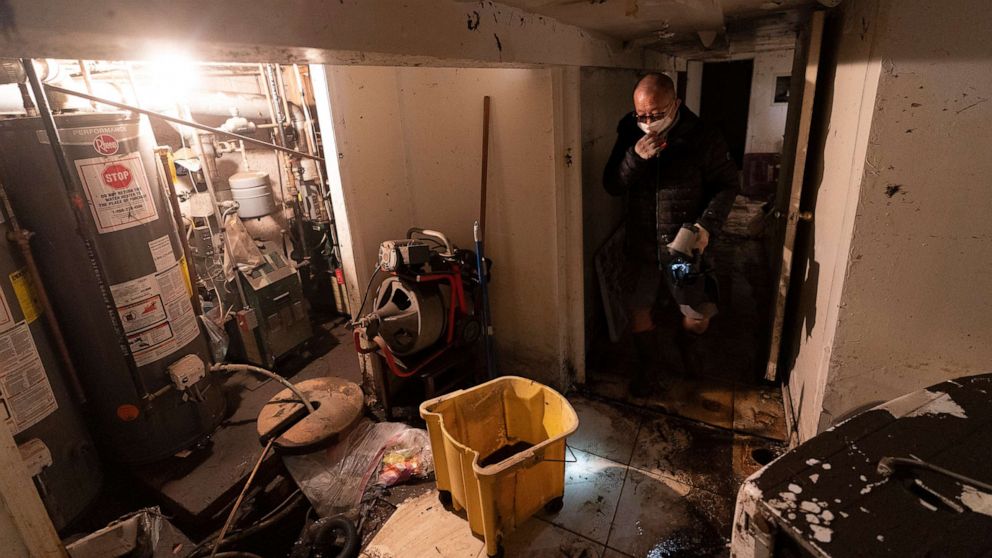
Technological Solutions for Flood Protection
Advances in technology have made it easier than ever to monitor and prevent water damage. Smart sensors and automated systems can provide early warnings and even take action to minimize harm. Consider the following options:
- Water leak detectors can alert you to leaks or rising water levels in basements, laundry rooms, and other vulnerable areas. These devices are often easy to install and can send notifications directly to your smartphone.
- Remote water shutoff systems allow you to stop the flow of water to your home in the event of a detected leak, even if you are not on the premises.
- Smart flood prevention technology integrates sensors, alarms, and automated controls to provide comprehensive protection.
- Automated flood protection systems can deploy barriers or pumps automatically when water is detected, offering an additional layer of defense.
Landscape and Exterior Strategies for Water Management
The way your property is landscaped can have a significant impact on how water is managed during storms. Implementing the following strategies can help divert water away from your home:
- Install French drains or swales to channel runoff away from your foundation.
- Use permeable paving materials for driveways and walkways to allow water to soak into the ground rather than pool on the surface.
- Plant native vegetation and deep-rooted plants to improve soil absorption and reduce erosion.
- Consider adding a rain garden to capture and filter runoff from your roof and driveway.
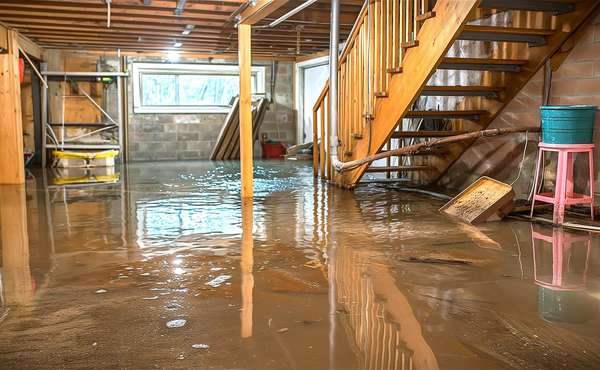
Emergency Planning and Insurance Considerations
Even with the most comprehensive prevention measures, it is important to be prepared for emergencies. Develop a family emergency plan that includes evacuation routes and a checklist of items to take in case you need to leave your home quickly. Store important documents, valuables, and irreplaceable items in waterproof containers or on higher floors.
Review your homeowner’s insurance policy to ensure you have adequate coverage for flood damage. Standard policies often exclude flood-related losses, so you may need to purchase additional flood insurance. Being proactive about your coverage can make a significant difference in recovery after a disaster.
Seasonal and Regional Adaptations for Flood Safety
Flood risks can vary depending on the time of year and your geographic location. In regions affected by monsoons, for example, it’s crucial to prepare in advance for heavy seasonal rains. Our monsoon flood home preparation guide offers tailored advice for these conditions.
In colder climates, melting snow and ice can lead to spring flooding. Adjust your prevention strategies to account for these seasonal changes, such as clearing snow away from your home’s foundation and ensuring that sump pumps are in good working order before the thaw begins.
Frequently Asked Questions
What are the most effective ways to prevent basement flooding?
To keep basements dry, regularly inspect and maintain gutters, downspouts, and foundation seals. Install a sump pump with a battery backup and consider using water leak detectors for early warning. Proper grading of the landscape and the use of window well covers can also help keep water out.
How can technology help reduce flood risk at home?
Technology such as smart water sensors, remote shutoff valves, and automated flood barriers can provide real-time alerts and take action to minimize water damage. These systems are especially useful for detecting leaks early and responding quickly, even when you’re away from home.
Is flood insurance necessary if I follow all prevention steps?
While prevention measures greatly reduce the risk of damage, no method is foolproof. Flood insurance provides financial protection in case of unexpected events. It’s a wise investment for homeowners in flood-prone areas or those seeking peace of mind.
How often should I check my flood prevention systems?
Inspect your gutters, downspouts, and sump pumps at least twice a year, ideally before the rainy season and after major storms. Test water leak detectors and review your emergency plan annually to ensure everything is functioning as intended.
Conclusion
Protecting your home from flooding requires a combination of regular maintenance, smart landscaping, the use of modern technology, and emergency preparedness. By implementing these best practices for home flood prevention, you can minimize risks and feel more secure, regardless of the weather. Stay informed, stay prepared, and take proactive steps to keep your property safe from water damage.