Homemade corn tortillas are a staple in many kitchens, prized for their flavor, texture, and versatility. Achieving perfectly pressed tortillas can be challenging, especially for beginners. Whether you’re new to tortilla making or looking to refine your technique, understanding the best tips for pressing corn tortillas can make a noticeable difference in your results. This article covers essential advice, step-by-step methods, and troubleshooting strategies to help you create round, pliable, and delicious tortillas every time.
If you’re using a cast iron press, proper seasoning is crucial for non-stick performance. For a comprehensive guide, check out how to season cast iron tortilla press to keep your equipment in top shape.
Choosing the Right Tortilla Press and Tools
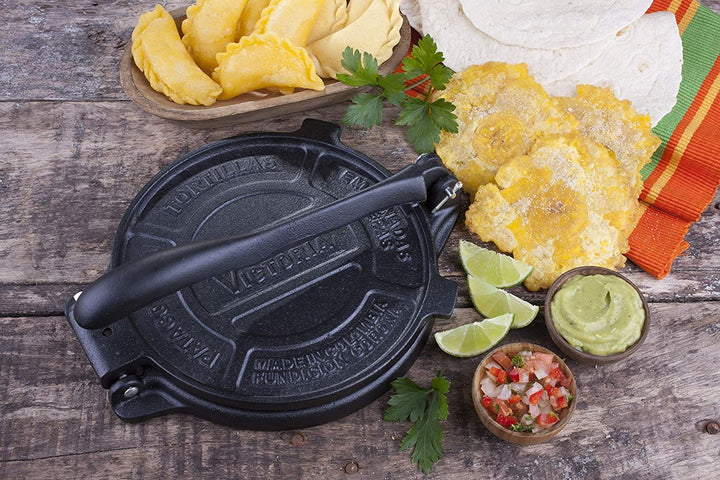
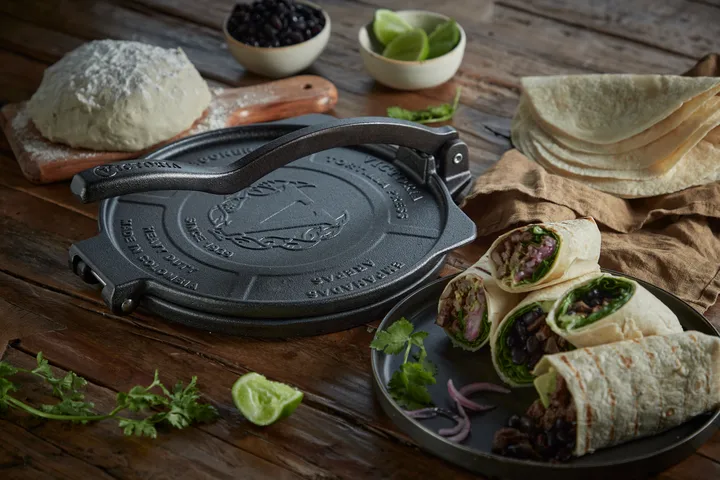
The foundation of great tortillas starts with the right equipment. A sturdy press ensures even pressure and consistent results. Cast iron presses are preferred for their weight and durability, while aluminum or wooden options can also work well. Before you begin, make sure your press is clean and, if applicable, properly seasoned to prevent sticking.
In addition to the press, gather the following:
- Plastic sheets or parchment paper to prevent dough from sticking to the press
- A mixing bowl for masa dough
- A damp cloth to keep dough moist
- A flat griddle or comal for cooking
Preparing Masa Dough for Best Results
One of the most important tips for pressing corn tortillas is starting with the right dough consistency. Use fresh masa harina and mix with warm water until the dough is soft but not sticky. Let the dough rest for 15–30 minutes, covered with a damp towel, to allow the flour to fully hydrate.
- If the dough cracks when pressed, add a little more water.
- If it sticks to your hands or the press, sprinkle in a bit more masa harina.
- Keep dough balls covered to prevent drying out.
Step-by-Step Guide to Pressing Corn Tortillas
Follow these steps for consistently round and even tortillas:
- Divide the rested dough into equal-sized balls, about the size of a golf ball.
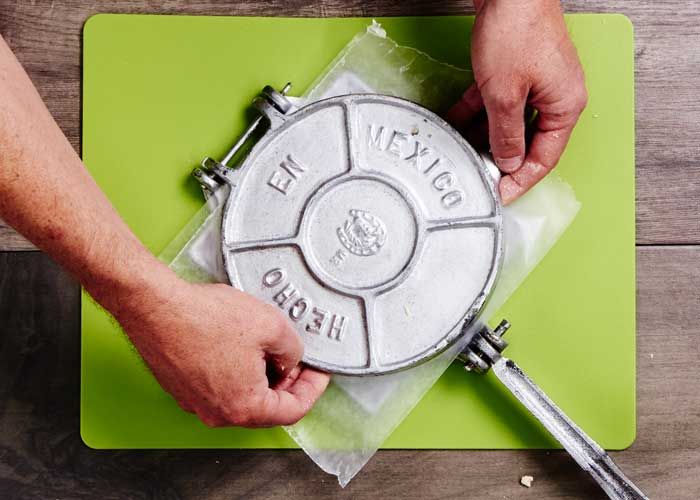
- Place a ball between two sheets of plastic or parchment on the press.
- Gently close the press and apply even pressure. Don’t force it—let the weight do the work.
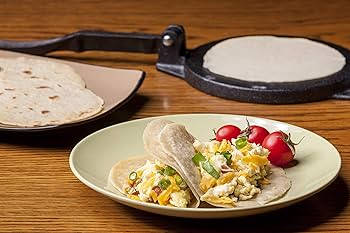
- Open the press and peel away the top sheet. The tortilla should be thin and round, about 1/8 inch thick.
- Carefully transfer the tortilla to a hot, dry griddle or comal for cooking.
Preventing Sticking and Achieving Even Thickness
Sticking is a common challenge when pressing tortillas. To avoid this:
- Use plastic sheets cut from freezer bags or sturdy zip-top bags. These are reusable and easy to clean.
- Lightly oil the plastic if needed, but avoid excess oil which can affect dough texture.
- Check your press for rough spots or rust. If you’re using a vintage cast iron press, learn how to restore it with this guide to restoring vintage cast iron cookware.
For even thickness, apply gentle, steady pressure. Don’t slam the press shut, as this can create uneven edges or cause the tortilla to stick. Rotate the dough ball slightly between presses if needed for a rounder shape.
Cooking and Handling Pressed Tortillas
Once pressed, transfer the tortilla to a preheated griddle or comal. Cook for 30–45 seconds on the first side, flip, and cook for another 30–45 seconds. A well-pressed tortilla should puff slightly and have light brown spots. Stack cooked tortillas in a towel to keep them warm and pliable.
Troubleshooting Common Issues
Even with the best tips for pressing corn tortillas, you may encounter a few obstacles. Here’s how to resolve them:
- Tortillas crack at the edges: The dough is too dry. Add water a teaspoon at a time and knead until smooth.
- Tortillas stick to the press: Ensure your plastic sheets are clean and undamaged. Consider lightly oiling them or using parchment paper.
- Tortillas are too thick or thin: Adjust the pressure you apply and check the size of your dough balls. Consistency comes with practice.
- Tortillas don’t puff when cooked: The dough may be under-hydrated or overworked. Let the dough rest longer and ensure your griddle is hot enough.
If you want a detailed walkthrough of the pressing process, see how to use a cast iron tortilla press for a step-by-step guide.
Maintaining Your Tortilla Press
Proper care extends the life of your press and ensures better results. After each use, wipe down your press with a dry or slightly damp cloth. Avoid soaking cast iron presses in water. If you notice rust or buildup, refer to expert advice on restoring vintage cast iron cookware for safe cleaning methods.
Frequently Asked Questions
What is the best way to keep corn tortillas from sticking to the press?
Use two pieces of plastic cut from a freezer bag or parchment paper on both sides of the dough. This prevents sticking and makes it easier to peel the tortilla off the press. If sticking persists, lightly oil the plastic or check if the dough is too wet.
How thick should pressed corn tortillas be?
For most recipes, tortillas should be about 1/8 inch thick. This ensures they cook evenly and remain pliable. If you prefer thicker tortillas for certain dishes, adjust the pressure accordingly, but avoid making them too thick or they may not cook through.
Why do my tortillas crack at the edges after pressing?
Cracking is usually a sign that the dough is too dry. Add a small amount of water and knead until the dough is smooth and elastic. Letting the dough rest covered with a damp towel also helps prevent drying out.
Can I use wax paper instead of plastic sheets for pressing?
Wax paper can work in a pinch, but it may tear more easily than plastic or parchment. For best results, use sturdy plastic or parchment paper, which are less likely to stick or tear during pressing.
How do I keep tortillas warm and soft after cooking?
Stack cooked tortillas in a clean kitchen towel or a tortilla warmer. This traps steam and keeps them soft and pliable until ready to serve.