
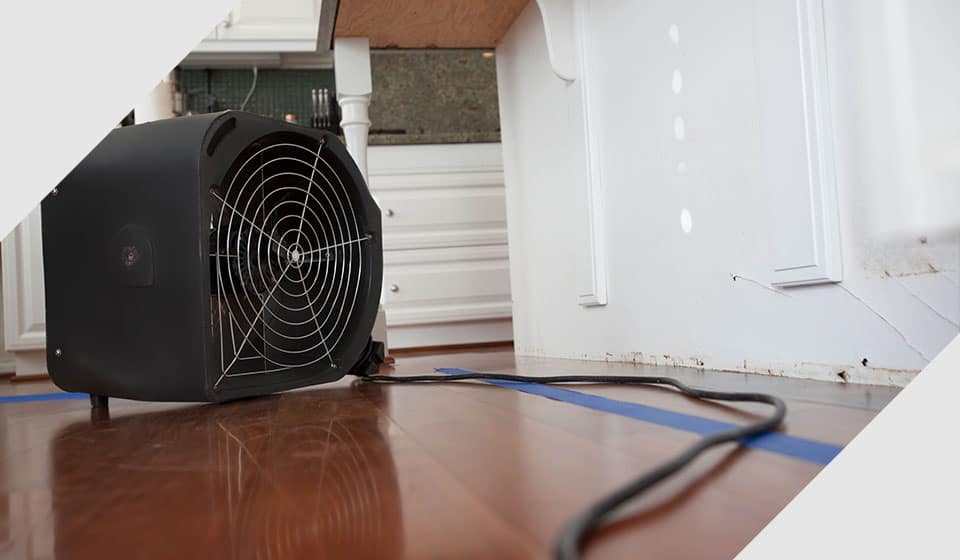
Detecting hidden water issues early can prevent costly repairs and protect your property’s structure. Whether you’re a homeowner, landlord, or property manager, understanding how to test for moisture in walls is essential for maintaining a healthy indoor environment. Moisture trapped behind walls can lead to mold growth, wood rot, and even structural problems if left unchecked. By learning the right techniques and using the proper tools, you can identify potential trouble spots before they escalate into major issues.
In this article, we’ll cover practical methods for identifying dampness, explain why early detection matters, and provide tips for ongoing prevention. If you’re interested in other home maintenance topics, you might also find our guide on how to sanitize a cast iron press useful for keeping your kitchen tools in top shape.
Why Early Moisture Detection Matters
Unnoticed water intrusion can cause significant damage over time. Moisture inside walls creates the perfect environment for mold, which can lead to health problems and expensive remediation. Wood framing and drywall can deteriorate, and electrical systems may be compromised. By regularly checking for hidden dampness, you can address minor leaks or condensation before they become major headaches.
According to experts, proactive monitoring is one of the best ways to prevent water damage from household fixtures. For more information, see this comprehensive guide on preventing water damage from household fixtures.
Common Causes of Wall Moisture
Understanding what leads to excess water in walls is the first step toward prevention. Some of the most frequent causes include:
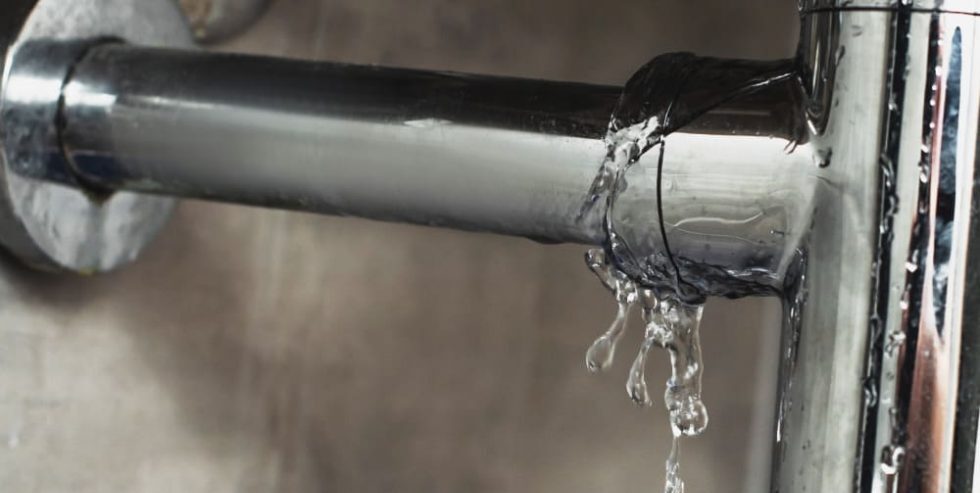
- Leaking pipes or plumbing fixtures inside the wall cavity
- Roof leaks allowing water to travel down exterior walls
- Faulty or missing flashing around windows and doors
- Condensation from poor insulation or inadequate ventilation
- Cracks in exterior siding or masonry letting rainwater seep in
- Flooding or high groundwater levels near the foundation
Visual Signs That Suggest Hidden Dampness
While some moisture issues are obvious, others are more subtle. Keep an eye out for these warning signs:
- Peeling, bubbling, or blistering paint and wallpaper
- Discoloration, staining, or dark patches on walls or ceilings
- Warped or buckling drywall, baseboards, or trim
- Persistent musty or earthy odors
- Mold or mildew growth, especially in corners or behind furniture
- Efflorescence (white, powdery residue) on masonry surfaces
Step-by-Step: How to Check for Moisture in Walls
There are several reliable ways to determine if your walls are harboring excess water. Here’s a practical approach to testing for wall moisture before visible damage occurs.
1. Use Your Senses
Start with a basic inspection. Look for the visual clues listed above and pay attention to any unusual smells. Press your hand against suspect areas—damp drywall may feel cool or soft compared to dry sections.
2. Try the Aluminum Foil Test
This simple method can help distinguish between condensation and water coming from inside the wall:
- Cut a small piece of aluminum foil (about 12 inches square).
- Tape it securely to the wall in the area you suspect is damp.
- Leave it in place for 24–48 hours.
- Afterward, check both sides of the foil. If moisture is on the wall side, water is coming from inside. If it’s on the room side, condensation is likely the culprit.
3. Use a Moisture Meter
For more precise results, invest in a handheld moisture meter. These devices measure the percentage of water in building materials and can quickly identify problem spots.
- Pin-type meters use two probes inserted into the wall to measure electrical resistance. They’re accurate but leave tiny holes.
- Pinless meters use sensors pressed against the surface. They’re non-invasive and ideal for finished walls.
Move the meter across the wall, noting any readings above 15–17%—these indicate elevated moisture levels that may require further investigation.
4. Infrared Thermography
Professional inspectors often use thermal imaging cameras to spot temperature differences that indicate wet areas behind walls. While these devices are more expensive, some hardware stores offer rentals. Cooler spots on the camera’s display may signal hidden moisture.
5. Check Adjacent Areas
If you find a wet area, inspect nearby rooms, floors, and ceilings. Water can travel along framing or pipes, so the source may not be directly behind the affected wall.
What to Do If You Find Moisture
If your tests confirm elevated moisture, act quickly to prevent further damage:
- Identify and repair the source of the leak, such as faulty plumbing or roof issues.
- Dry out the affected area using fans, dehumidifiers, or professional drying equipment.
- Remove and replace any materials that show signs of mold or structural deterioration.
- Consider consulting a water damage restoration specialist for severe cases.
Prevention Tips for Dry, Healthy Walls
Regular maintenance and vigilance are key to avoiding hidden water problems. Here are some effective strategies:
- Inspect plumbing and fixtures for leaks at least twice a year.
- Ensure gutters, downspouts, and grading direct water away from your foundation.
- Seal exterior cracks and gaps around windows, doors, and siding.
- Use exhaust fans in bathrooms and kitchens to reduce humidity.
- Install leak detectors and smart water sensors for early alerts.
- Keep an eye on your water bill for unexplained increases.

Related Home Care Resources
Maintaining a safe and comfortable home involves more than just monitoring for water issues. If you’re interested in kitchen maintenance, check out our article on how to press tortillas for chilaquiles for practical cooking tips. For those storing ingredients, our advice on how to store corn masa for pressing can help keep your food fresh.
Frequently Asked Questions
What tools are best for detecting moisture inside walls?
The most reliable tools are moisture meters (both pin-type and pinless) and infrared cameras. Moisture meters provide quantitative readings, while thermal cameras can visually highlight cooler, damp areas behind surfaces.
How often should I check my walls for hidden moisture?
It’s wise to inspect for signs of dampness at least twice a year, especially after heavy rainfall, plumbing repairs, or if you notice any musty odors or visible changes on your walls.
Can I prevent wall moisture without expensive equipment?
Yes. Regular visual inspections, using your sense of smell, and simple tests like the aluminum foil method can be effective. Keeping up with home maintenance and installing affordable leak detectors also helps prevent problems.




