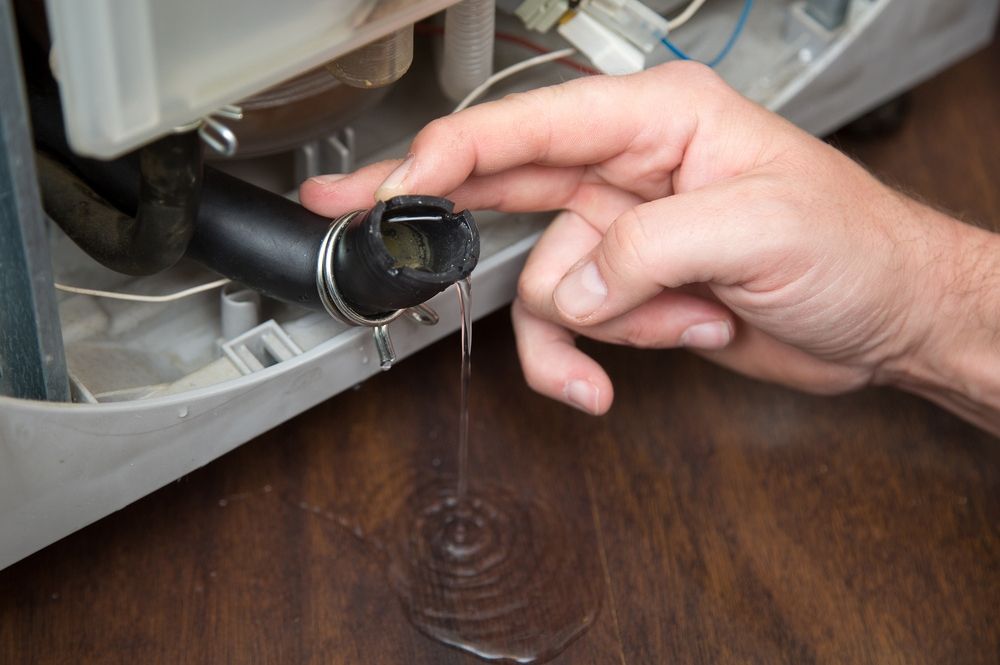
Water intrusion is one of the most common threats to residential properties, leading to costly repairs, health concerns, and long-term structural issues. Whether you live in a region prone to heavy rainfall, flooding, or simply want to protect your investment from everyday leaks, taking proactive steps to improve your home’s resistance to moisture is essential. This article provides a comprehensive overview of practical strategies and proven solutions to help you safeguard your living space and minimize water-related risks.
If you’re interested in related home care topics, you might also find value in our guide on how to sanitize a cast iron press, which covers effective cleaning techniques for kitchen tools.
Understanding the Importance of Water-Resistance at Home
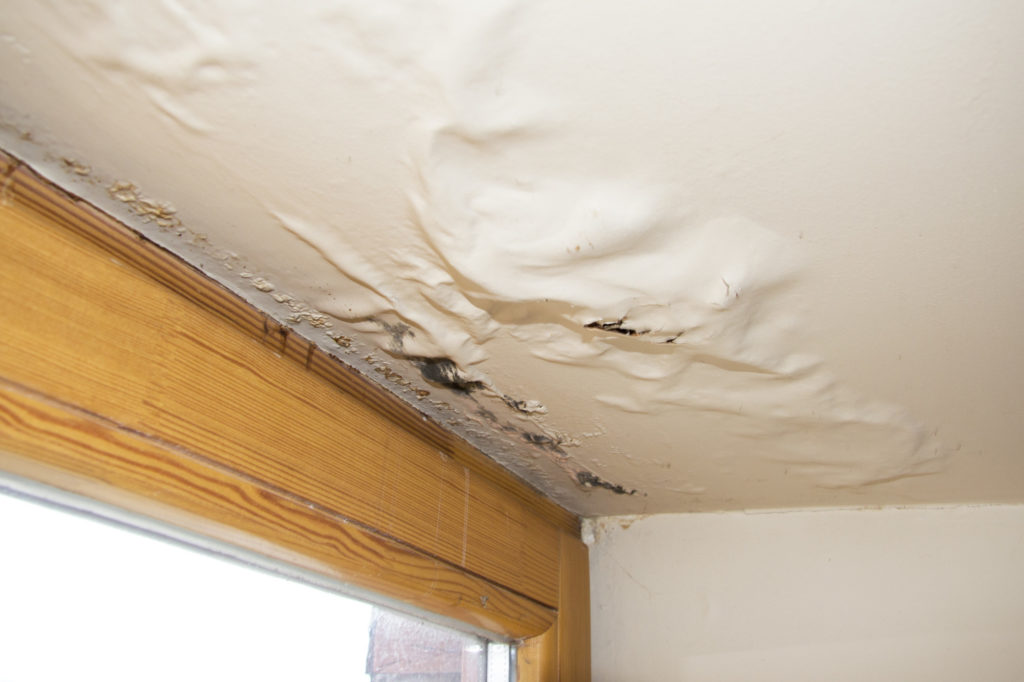
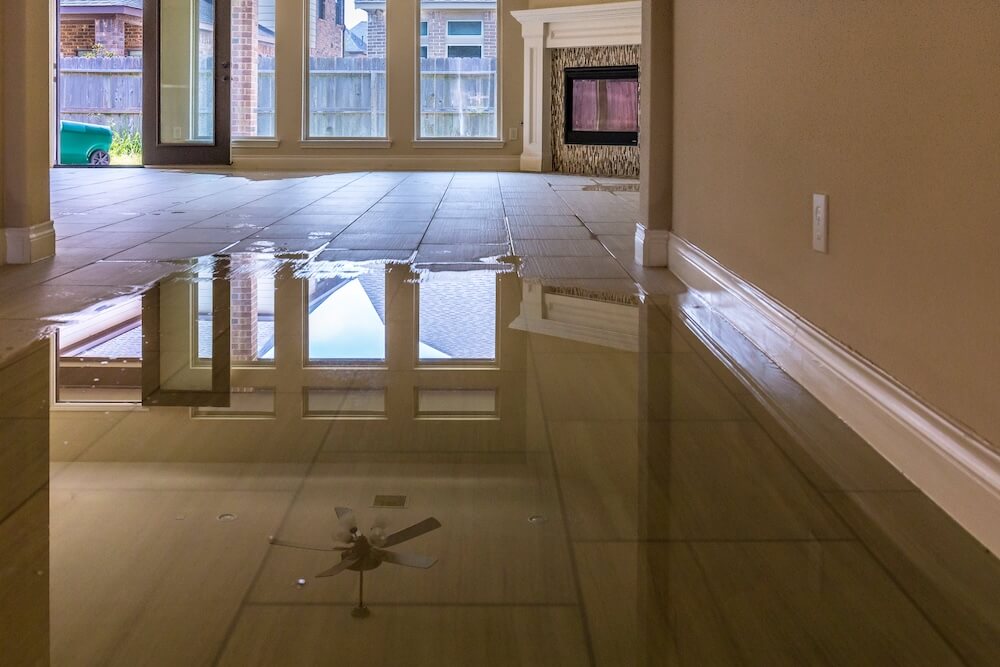
Moisture can enter a house through a variety of sources: roof leaks, foundation cracks, faulty plumbing, and even high indoor humidity. Over time, unchecked water exposure can cause wood rot, mold growth, and damage to insulation and electrical systems. By making your property more resilient to water, you not only extend its lifespan but also create a healthier environment for your family.
Assessing Vulnerable Areas for Moisture Intrusion
The first step in increasing your home’s resistance to water is to identify the most susceptible areas. Common trouble spots include:
- Roof and attic: Damaged shingles, clogged gutters, or poor ventilation can allow water to seep in.
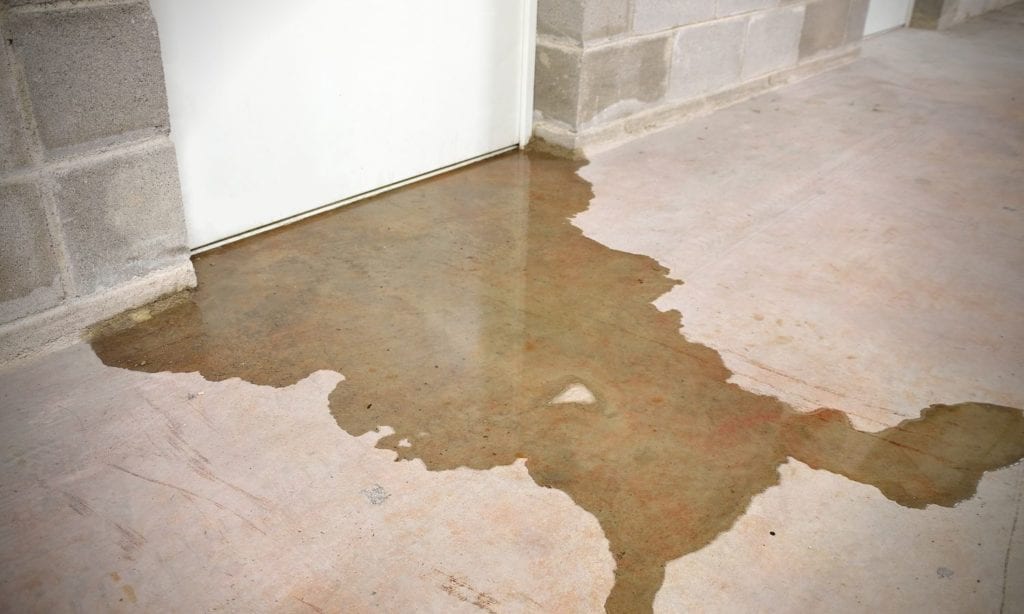
- Basement and foundation: Cracks, poor grading, and inadequate drainage often lead to seepage and flooding.
- Windows and doors: Improper seals or aging frames can let rainwater enter.
- Bathrooms and kitchens: Leaky pipes, old caulking, and faulty fixtures are frequent culprits.
- Exterior walls: Gaps, deteriorated siding, or missing flashing can allow moisture penetration.
Proven Strategies to Boost Water Protection
Roof Maintenance and Upgrades
Regularly inspect your roof for missing or damaged shingles, and replace them promptly. Clean gutters and downspouts at least twice a year to ensure proper water flow away from your home. Consider installing a waterproof membrane beneath your roofing material for an extra layer of defense.
Sealing Foundations and Basements
Foundation cracks are a major entry point for groundwater. Use high-quality epoxy or polyurethane sealants to fill visible gaps. For persistent issues, consult a professional about installing a sump pump or a French drain system to redirect water away from your foundation.
Improving Window and Door Seals
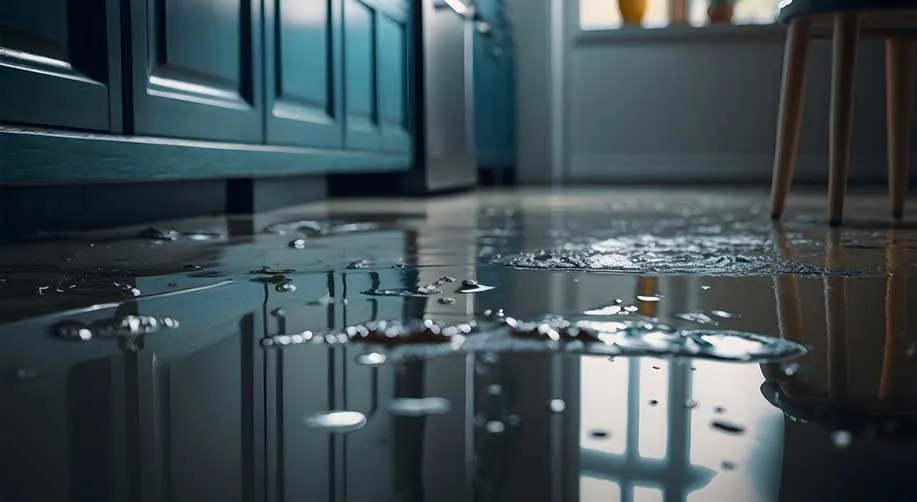
Inspect weatherstripping and caulking around all windows and doors. Replace any worn or cracked materials to prevent leaks during storms. For older homes, upgrading to double- or triple-pane windows can also enhance moisture resistance and energy efficiency.
Upgrading Plumbing and Leak Detection
Hidden plumbing leaks are a leading cause of water damage. Regularly check under sinks, around toilets, and behind appliances for signs of moisture or corrosion. Installing smart leak detectors can provide early warnings and help you address issues before they escalate. After all, prevention is key to maintaining a dry, safe home.
Exterior Solutions for Enhanced Moisture Defense
Landscaping and Drainage Improvements
Ensure that the ground around your house slopes away from the foundation. This simple landscaping adjustment helps direct rainwater away from vulnerable areas. Installing French drains, swales, or dry wells can further reduce the risk of pooling water.
Waterproofing Exterior Walls and Siding
Apply a high-quality waterproof sealant or paint to exterior walls, especially if you live in a wet climate. Repair or replace damaged siding, and make sure all flashing is intact and properly installed around windows, doors, and roof edges.
Routine Maintenance for Long-Term Protection
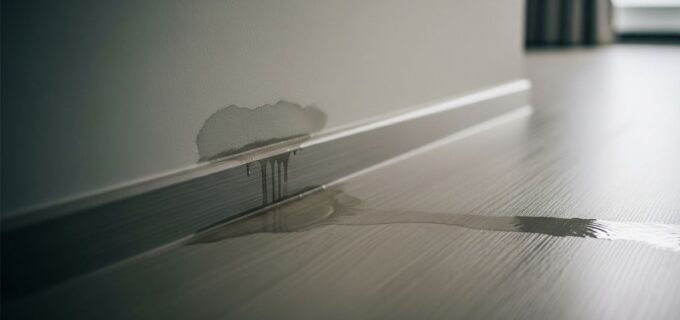
Consistent upkeep is crucial for maintaining a water-resistant property. Schedule seasonal inspections of your roof, gutters, and exterior walls. Promptly address any signs of wear or damage. Keep an eye on indoor humidity levels and use dehumidifiers in damp-prone areas like basements and bathrooms.
Smart Technology for Leak Prevention
Modern technology offers a range of tools to help you monitor and manage water risks. Smart leak detectors and automatic shutoff valves can alert you to leaks in real time, even when you’re away from home. These devices are especially valuable for detecting slow leaks behind walls or under floors, where damage can go unnoticed for months.
For a deeper dive into advanced water protection methods, you can consult resources like this guide on protecting your home from water damage, which covers additional tips and product recommendations.
Health and Safety Considerations
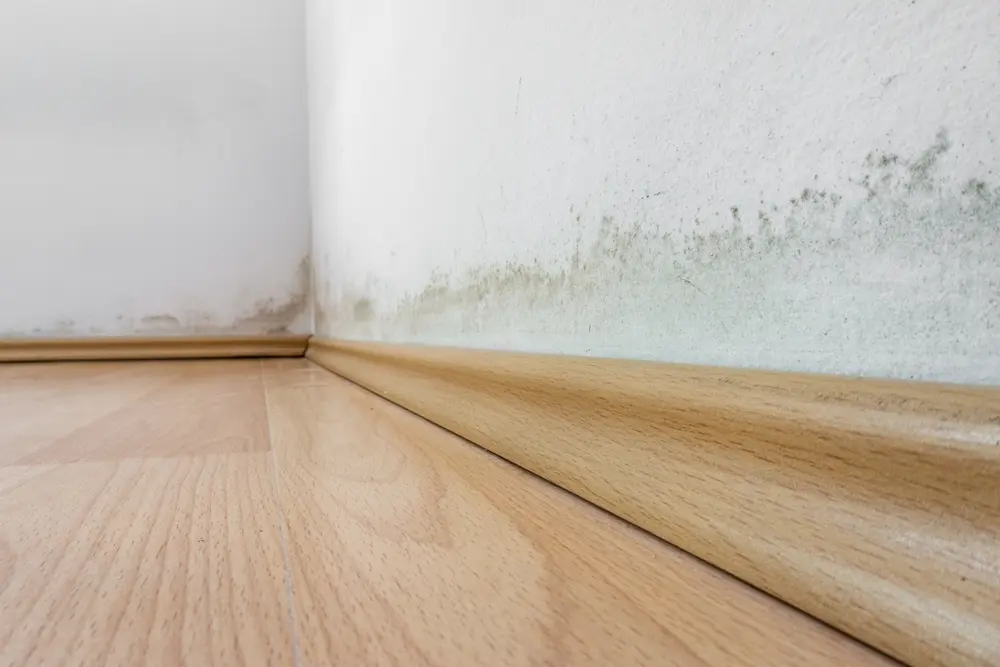
Water damage doesn’t just threaten your home’s structure—it can also impact your family’s health. Persistent dampness encourages mold and mildew growth, which can trigger allergies and respiratory problems. By keeping your living space dry and well-ventilated, you reduce the risk of these health hazards.
Frequently Asked Questions
What are the most effective ways to prevent water damage in basements?
The best methods include sealing foundation cracks, installing a sump pump, ensuring proper grading around your home, and using a dehumidifier to control moisture levels. Regularly check for leaks and address them promptly.
How often should I inspect my roof and gutters for water-resistance?
It’s recommended to inspect your roof and gutters at least twice a year—typically in the spring and fall. After severe storms, perform additional checks to catch any new damage early.
Are smart leak detectors worth the investment?
Yes, smart leak detectors can provide early alerts for hidden leaks, helping you prevent costly repairs and extensive water damage. They are especially useful in areas prone to plumbing issues or for homeowners who travel frequently.
Conclusion
Making your living space more resilient to moisture is a worthwhile investment that pays off in reduced repair costs, improved comfort, and better health. By combining regular maintenance, targeted upgrades, and smart technology, you can significantly lower your risk of water-related problems. Take action today to protect your property and enjoy greater peace of mind for years to come.