
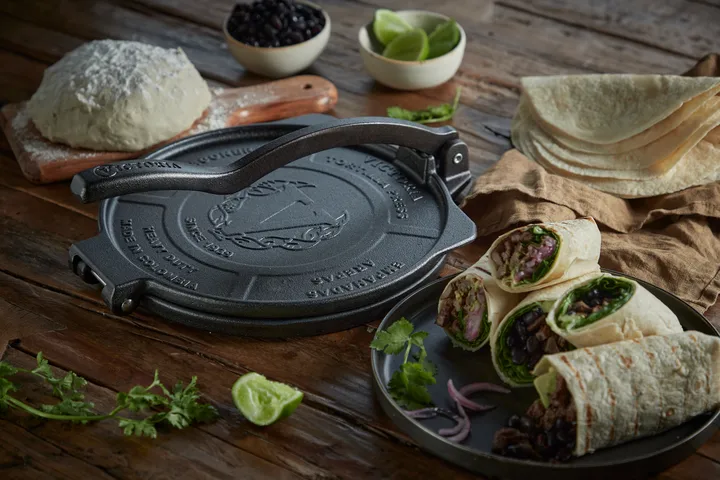
Achieving even thickness when pressing dough is a skill that separates home cooks from professionals. Whether you’re making tortillas, flatbreads, or pastry, mastering the pressing technique for even thickness ensures consistent results and better texture. Uneven dough can lead to undercooked spots, breakage, or an unappealing final product. This guide explores expert tips, common mistakes, and the best tools to help you press dough with confidence and precision.
Before diving into the step-by-step methods, it’s helpful to understand why uniform thickness matters. Evenly pressed dough cooks at the same rate, holds fillings better, and looks more appealing. For those working with tortillas, you might also find value in learning how to press tortillas for chilaquiles or discovering why a tortilla press might be uneven and how to fix it. These related resources can further refine your technique and solve common issues.
Why Consistency Matters in Dough Pressing
Uniformity in dough thickness is more than just an aesthetic concern. When dough is pressed to a consistent width, it cooks evenly, preventing burnt edges or raw centers. This is especially important for tortillas, flatbreads, and pastries where texture and structural integrity are crucial. Inconsistent thickness can also affect the way dough puffs, browns, or holds up to fillings and toppings.
For those who frequently prepare masa-based dishes, knowing how to store corn masa for pressing can help maintain dough quality and make pressing easier. Proper storage prevents drying and cracking, which can interfere with achieving an even press.
Essential Tools for Achieving Even Thickness
Using the right equipment is a major factor in mastering the pressing technique for even thickness. Here are some tools that professionals rely on:
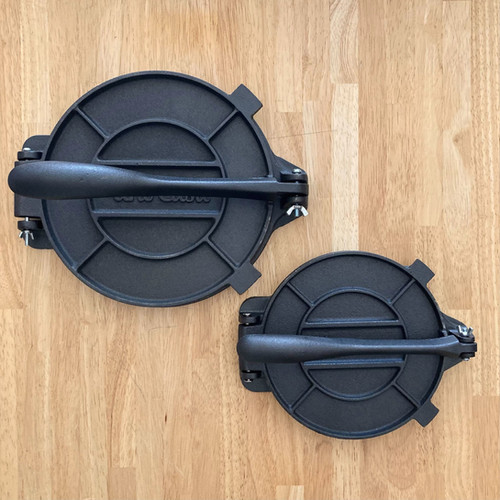
- Tortilla Press: A heavy-duty press provides leverage and uniform pressure, making it easier to flatten dough evenly.
- Rolling Pin: While traditional, it requires more skill to maintain consistent thickness throughout the dough.
- Guides or Spacers: These are strips of wood or silicone placed on either side of the dough, ensuring the rolling pin stops at the desired thickness.
- Parchment or Plastic Sheets: Placing dough between sheets prevents sticking and allows for smoother, more even pressing.
Maintaining your tools is equally important. If you’re using a cast iron press, consider learning how to revive an old tortilla press to ensure optimal performance and longevity.
Step-by-Step Guide: Pressing Dough for Uniform Results
Follow these steps to master the pressing technique for even thickness:
- Prepare the Dough: Divide your dough into equal portions. Use a kitchen scale for accuracy, especially for tortillas or cookies.
- Shape into Balls: Roll each portion into a smooth ball. This helps the dough spread evenly when pressed.
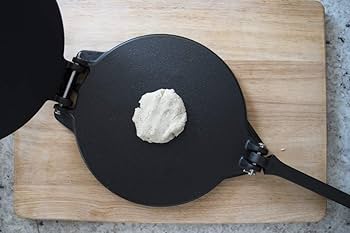
- Line the Press: Place a piece of parchment or plastic on the bottom plate of the press. Add the dough ball, then cover with another sheet.
- Apply Even Pressure: Lower the top plate and press down firmly but gently. Avoid pressing too quickly, which can cause uneven edges.
- Check Thickness: Open the press and inspect the dough. If it’s not thin enough, rotate the dough 90 degrees and press again for uniformity.
- Remove Carefully: Peel the dough off the liner slowly to prevent tearing or stretching.
For a more visual demonstration, you can explore this step-by-step guide to using a tortilla press from Food & Wine, which covers best practices and troubleshooting tips.
Common Mistakes and How to Avoid Them
Even experienced cooks can run into issues when pressing dough. Here are some frequent mistakes and solutions:
- Uneven Pressure: Pressing harder on one side leads to lopsided dough. Make sure your hand or press applies force evenly across the surface.
- Skipping Liners: Pressing dough directly on the metal can cause sticking and tearing. Always use parchment or plastic sheets.
- Overworking the Dough: Repeated pressing and handling can make dough tough. Work quickly and efficiently for the best texture.
- Improper Tool Alignment: Misaligned presses or rolling pins can create thicker and thinner spots. If you notice issues, check out advice on fixing alignment problems in tortilla presses.
Additionally, keeping your equipment clean is essential. Learn how to sanitize a cast iron press between sessions to prevent dough from sticking and to maintain food safety.
Expert Tips for Perfectly Even Dough
Professionals use a few extra tricks to guarantee consistent results:
- Rotate the Dough: After the first press, rotate the dough and press again. This helps correct any unevenness from the initial press.
- Use a Scale: Weighing dough portions ensures each piece is the same size, which leads to uniform thickness after pressing.
- Rest the Dough: Allowing dough to rest before pressing relaxes the gluten, making it easier to flatten evenly.
- Check Thickness with a Ruler: For precision, measure the dough after pressing. This is especially helpful for recipes requiring exact thickness.
- Keep the Surface Level: Always use your press or rolling pin on a flat, stable surface to prevent slanting.
With these strategies, you’ll be able to produce dough that cooks evenly and looks professional every time.
Frequently Asked Questions
How do I prevent dough from sticking to the press?
Always use parchment paper or plastic sheets on both sides of the dough. This creates a non-stick barrier and makes removal easier. Keeping your press clean and lightly oiled (if appropriate for the material) also helps.
What should I do if my press creates uneven dough?
Check that your press is properly aligned and that you’re applying pressure evenly. If the problem persists, rotate the dough between presses and consider using guides or spacers for extra control. For more troubleshooting, see advice on fixing uneven tortilla presses.
Can I use a rolling pin instead of a press?
Yes, a rolling pin can work, but it requires more skill to maintain even thickness. Use guides or spacers to help control the height, and always roll from the center outward for best results.
How do I clean and maintain my tortilla press?
Wipe down your press after each use, and sanitize it regularly, especially if it’s made from cast iron. For detailed cleaning steps, refer to this guide on sanitizing a cast iron press.
Conclusion
Mastering the pressing technique for even thickness is a valuable skill for anyone who enjoys making homemade tortillas, flatbreads, or pastries. With the right tools, careful preparation, and a few professional tips, you can achieve consistent, delicious results every time. Remember to keep your equipment in top shape, measure dough portions, and use liners to prevent sticking. For further reading, explore related guides on storage, alignment, and maintenance to round out your dough-pressing expertise.




