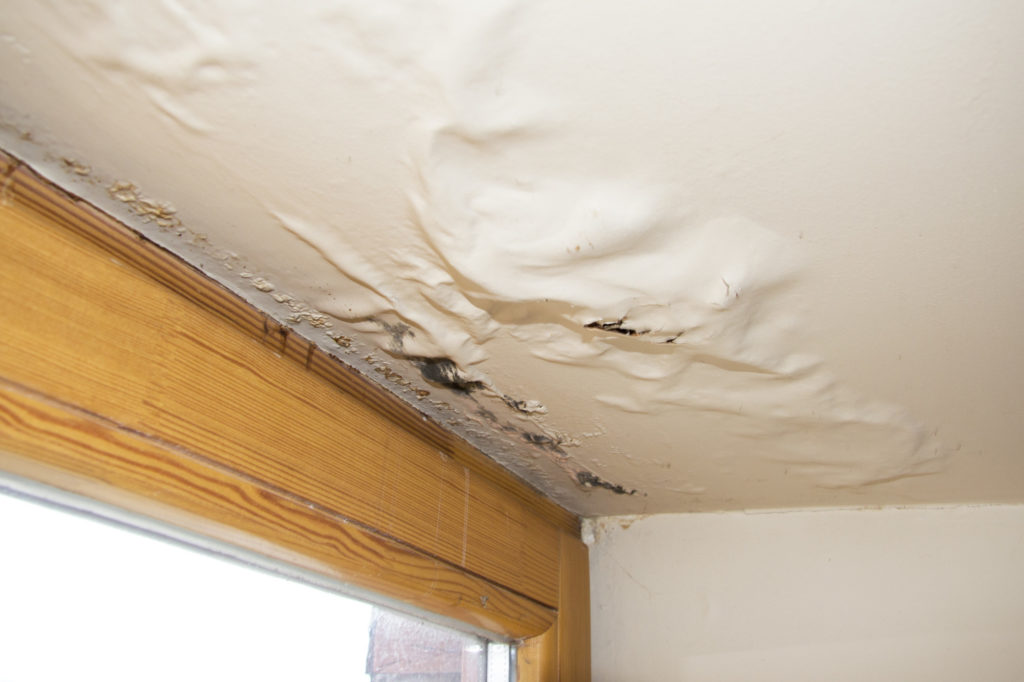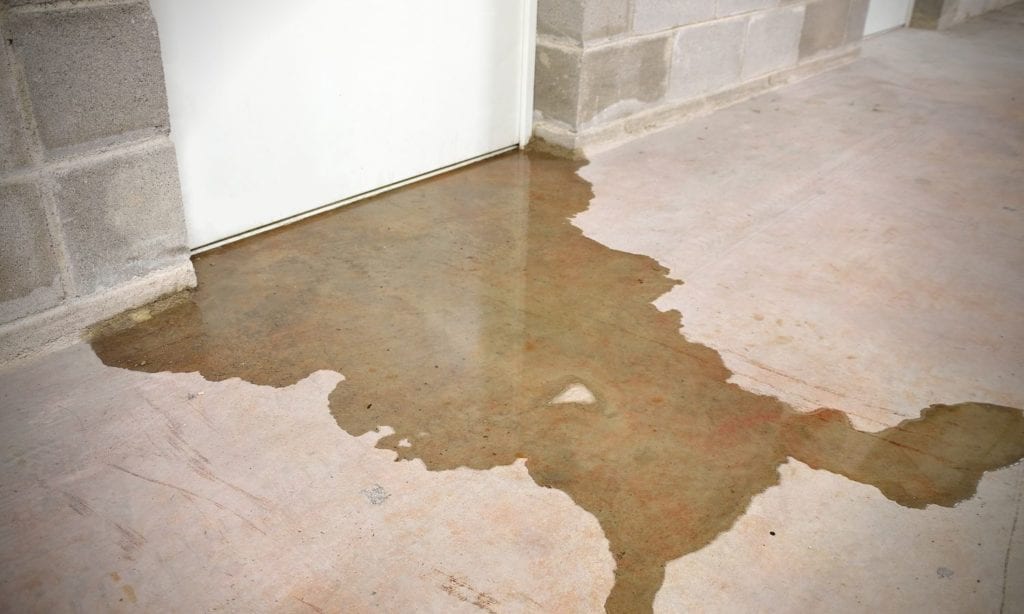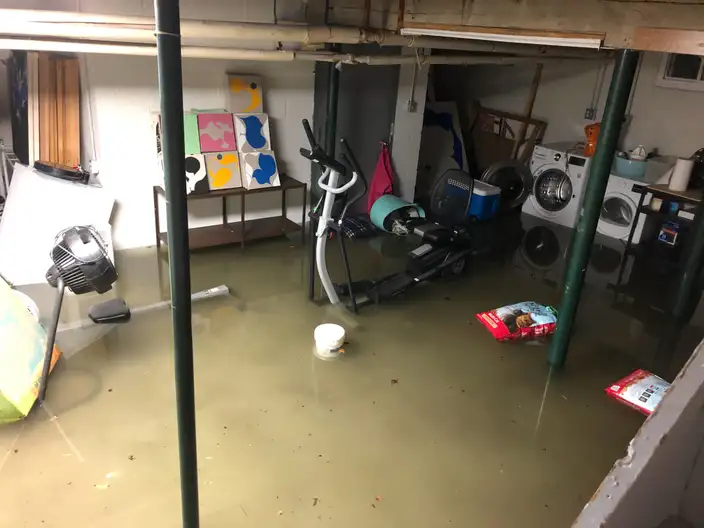
Basement flooding is a concern for many homeowners, especially in areas prone to heavy rainfall or rapid snowmelt. While a primary sump pump is the first line of defense against water intrusion, relying solely on one device can be risky. Power outages, mechanical failures, or overwhelming water volumes can render a single pump ineffective. That’s where understanding backup sump pump benefits becomes crucial for protecting your property and peace of mind.
Whether you’re a new homeowner or looking to upgrade your flood prevention system, it’s important to know how a secondary sump pump can safeguard your basement, valuables, and home structure. Proactive measures, such as installing a backup system and using water leak detectors, can make a significant difference in preventing costly water damage.
For those interested in practical home maintenance, you might also find value in learning how to store a cast iron press long term to prevent rust and prolong its lifespan.
Why a Secondary Sump Pump Matters
Many basements depend on a single sump pump to keep water at bay. However, unforeseen circumstances can cause the main pump to fail, leaving your home vulnerable. Here are some scenarios where a backup system becomes essential:
- Power outages during storms disable electric pumps.
- Mechanical failure due to age or lack of maintenance.
- Overwhelming water volume during severe weather exceeds the capacity of one pump.
- Clogged or frozen discharge lines prevent water from being expelled properly.
Having a backup solution ensures your basement remains protected even when the unexpected happens. This redundancy is a key part of a comprehensive flood prevention strategy.
Types of Backup Sump Pumps
There are two main categories of backup sump pumps, each offering unique advantages:
- Battery-powered backups: These systems operate independently of your home’s electrical supply. When the main pump loses power, the battery backup automatically activates, continuing to remove water from your sump pit.
- Water-powered backups: These use your home’s municipal water pressure to create suction and pump out water. They don’t rely on electricity or batteries, making them a reliable option during extended outages, provided you have city water (not suitable for well systems).
Choosing the right type depends on your home’s infrastructure, local water supply, and your desired level of protection.
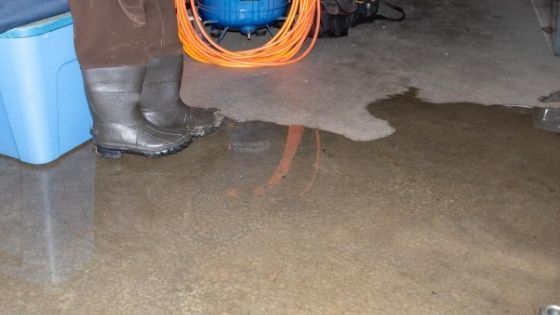
Key Advantages of Backup Sump Pumps
Let’s explore the most important backup sump pump benefits that homeowners should consider when evaluating their flood protection setup:
Continuous Protection During Power Failures
Storms that cause flooding often knock out electricity. A backup system, especially one powered by batteries or water pressure, keeps working when the main pump can’t. This uninterrupted operation is vital for preventing water accumulation and damage.
Redundancy for Mechanical Issues
Even the best-maintained pumps can fail unexpectedly. Having a secondary unit in place means that if your primary device malfunctions or becomes clogged, the backup will activate automatically. This redundancy greatly reduces the risk of basement flooding due to equipment failure.
Handling High Water Volumes
During periods of heavy rain or rapid snowmelt, a single pump may struggle to keep up with the inflow. A backup can share the load, ensuring that water is removed efficiently and your basement stays dry.
Peace of Mind for Homeowners
Knowing you have a robust system in place provides confidence, especially if you travel frequently or own a second property. The investment in a backup pump can save thousands in repairs and lost valuables by preventing even a single flooding incident.
Protecting Your Home’s Value and Health
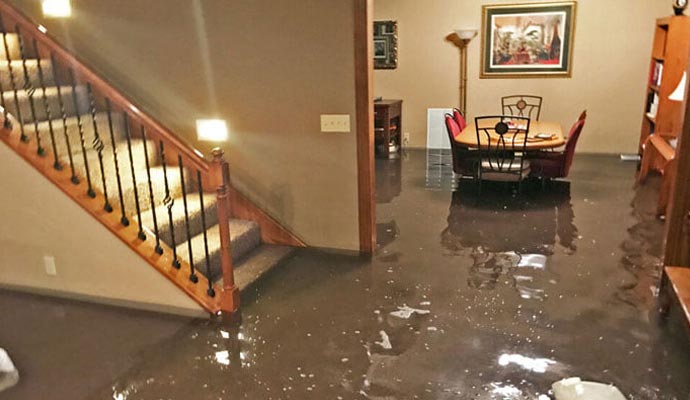
Water damage can have long-term consequences beyond immediate cleanup costs. Mold growth, structural deterioration, and ruined belongings are common after basement flooding. By installing a backup sump pump, you’re not just protecting your home’s foundation—you’re also safeguarding your family’s health and the resale value of your property.
Additional Flood Prevention Strategies
While a backup sump pump is a critical component, it’s most effective when combined with other flood prevention measures. Consider these steps for comprehensive protection:
- Install water leak detectors in vulnerable areas to receive early warnings of leaks or rising water levels.
- Maintain gutters and downspouts to direct water away from your foundation.
- Grade your landscaping to prevent pooling near the house.
- Regularly inspect and test both your primary and backup pumps, replacing batteries as needed.
For a detailed overview of how to prepare your home for flooding, check out this comprehensive guide to home flood preparedness.
Choosing and Maintaining Your Backup Pump
When selecting a backup sump pump, consider the following factors:
- Compatibility with your existing sump pit and plumbing.
- Power source (battery or water-powered) and expected runtime during an outage.
- Pumping capacity to ensure it can handle your home’s needs.
- Alarm features for notifications if the backup is activated or if maintenance is required.
Routine maintenance is essential. Test your system every few months, clean the sump pit, and replace backup batteries according to the manufacturer’s recommendations. This proactive approach ensures your protection system is ready when you need it most.
Frequently Asked Questions
How does a backup sump pump work?
A backup sump pump is installed alongside your primary pump. It automatically activates if the main unit fails, loses power, or can’t keep up with water inflow. Depending on the type, it may run on battery power or use municipal water pressure to remove water from your basement.
Is a backup sump pump necessary if I have a reliable primary pump?
Even the most reliable primary pumps can fail due to power outages, mechanical issues, or overwhelming water volumes. A backup system provides an extra layer of protection, greatly reducing the risk of basement flooding and water damage.
How often should I test my backup sump pump?
It’s recommended to test your backup sump pump every three to four months. Check the battery (if applicable), ensure the float switch moves freely, and verify that the discharge line is clear. Regular testing ensures your system will function properly during an emergency.
Conclusion
Investing in a backup sump pump is a practical and effective way to protect your home from water damage. The advantages—ranging from continuous operation during power outages to peace of mind and property value preservation—make it a smart addition to any basement flood prevention plan. Combine this solution with regular maintenance, leak detectors, and other proactive measures for the best results in keeping your home dry and secure.