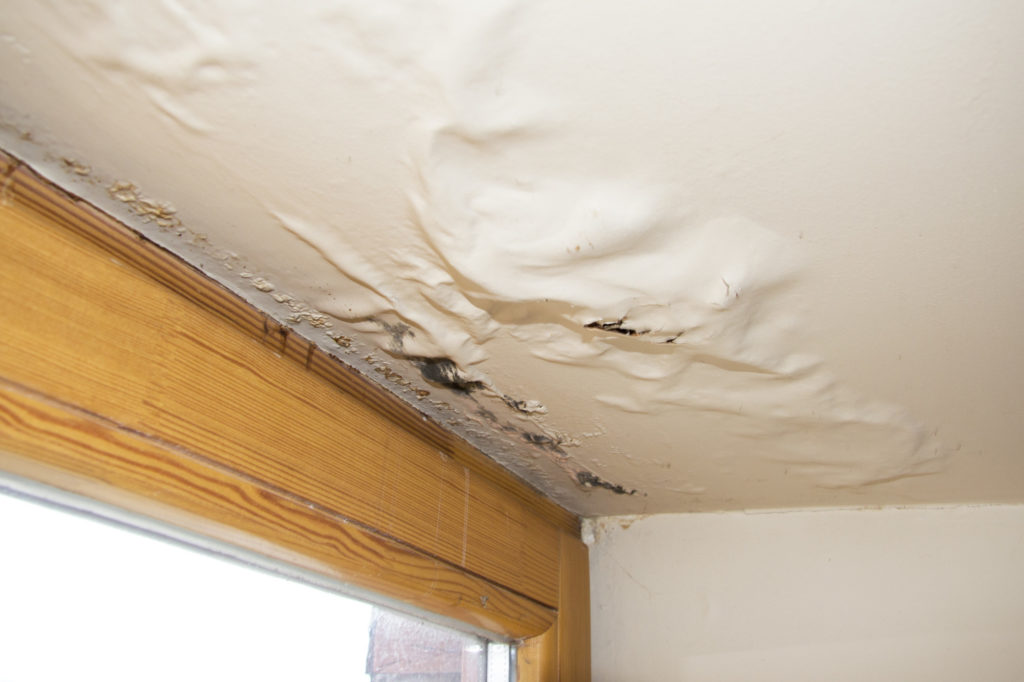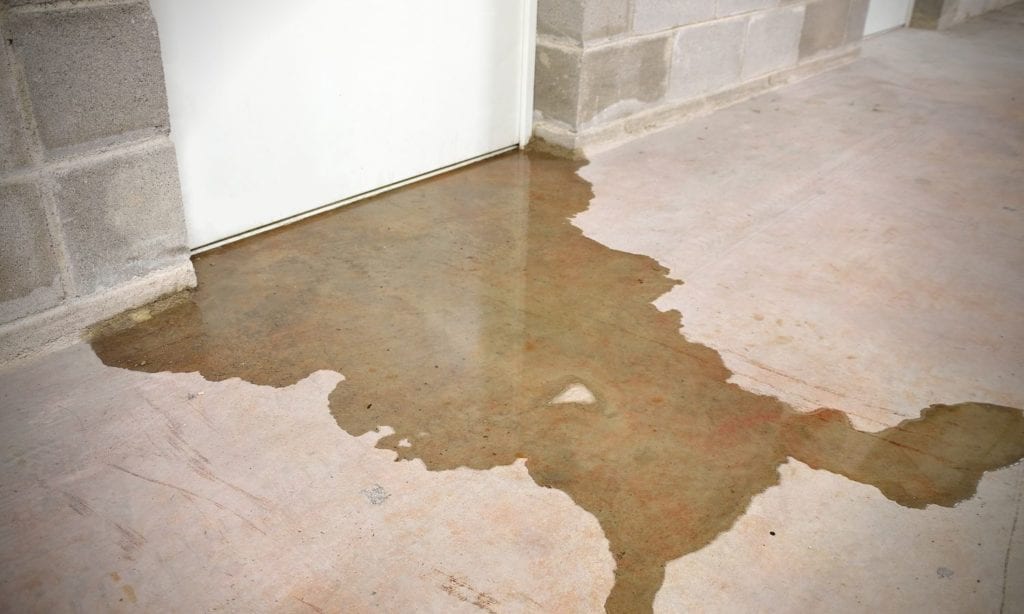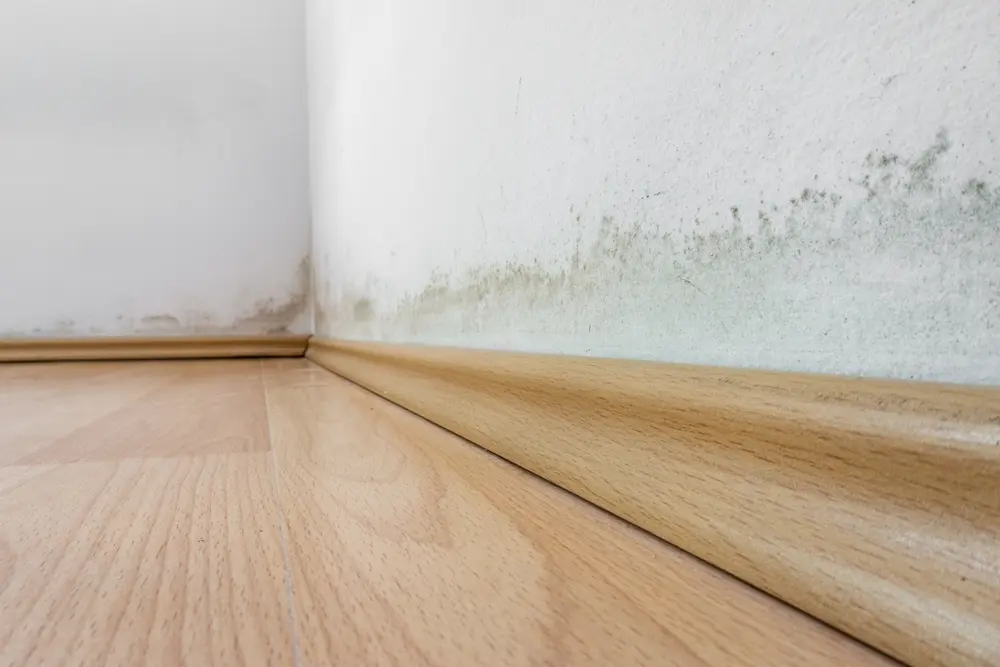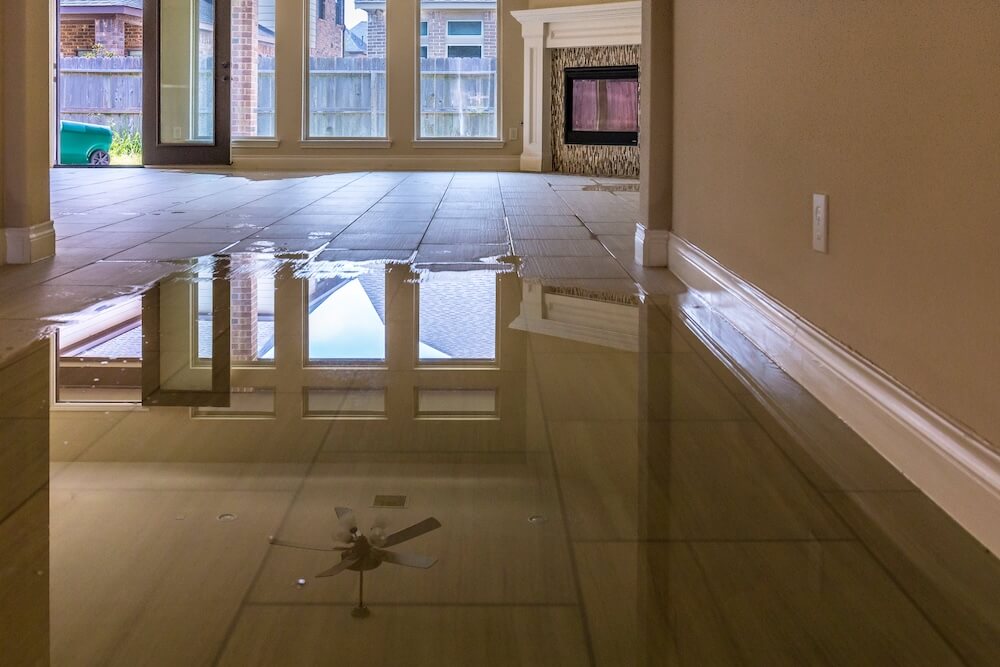
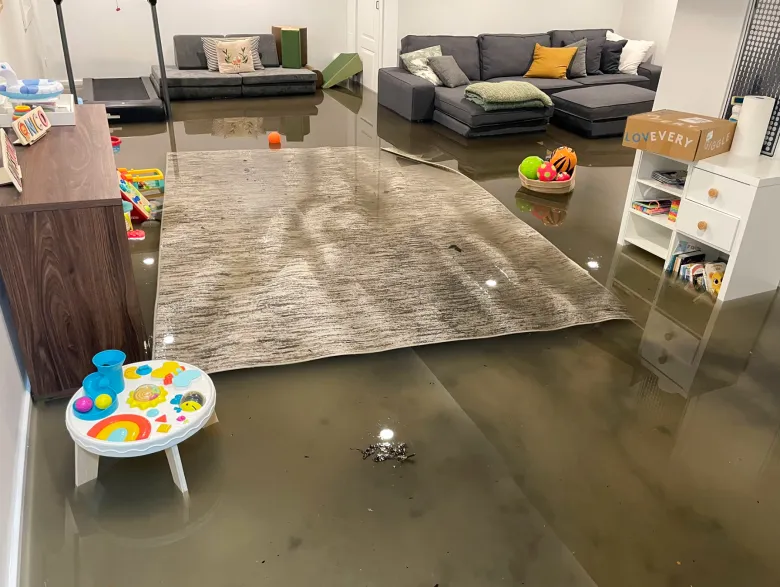
Water damage from laundry appliances is a common but preventable household disaster. A single hose burst or unnoticed leak can lead to thousands of dollars in repairs, ruined flooring, and even mold growth. Taking proactive steps for washing machine flood prevention is essential for protecting your home, your belongings, and your peace of mind.
This guide covers practical, straightforward strategies to minimize the risk of laundry-related flooding. From simple maintenance to smart devices, you’ll find actionable tips that anyone can use. If you’re interested in other home care topics, you might also enjoy our article on how to store a cast iron press long term, which offers advice on rust protection and storage solutions.
Why Laundry Room Floods Happen
Understanding the most common causes of water damage in laundry areas is the first step toward prevention. The majority of incidents stem from:
- Hose failures: Rubber or plastic supply hoses can crack, split, or burst under pressure, especially as they age.
- Loose or faulty connections: Improperly attached hoses or corroded fittings can slowly leak, often undetected until significant damage occurs.
- Drain clogs: Lint, debris, or foreign objects can block the drain, causing water to back up and overflow.
- Overloaded machines: Excessive loads may cause the washer to vibrate, shifting hoses or causing leaks at connections.
- Internal failures: Malfunctions within the machine, such as a faulty pump or seal, can also result in leaks.
By addressing these vulnerabilities, you can dramatically reduce the risk of a costly flood in your laundry area.
Essential Steps for Washing Machine Flood Prevention
There are several effective ways to safeguard your home from laundry-related water damage. Here are the most reliable methods for preventing washing machine floods:
1. Upgrade to High-Quality Hoses
Replace standard rubber hoses with braided stainless steel versions. These are far more durable and less likely to rupture under pressure. Inspect hoses every six months for signs of wear, bulging, or corrosion, and replace them at least every five years.
2. Secure All Connections
Check that all hose connections are tight and properly sealed. Use Teflon tape on threaded fittings to ensure a watertight seal. If you notice any rust or mineral buildup, clean or replace the fittings as needed.
3. Install a Water Shutoff Valve
Automatic shutoff valves detect leaks or excess water flow and immediately cut off the water supply to your washer. This single upgrade can prevent major flooding even if a hose bursts while you’re away from home.
4. Use a Drain Pan
Placing a drain pan beneath your washing machine provides a first line of defense against small leaks. Some pans can be connected to a floor drain for added protection. Make sure the pan is large enough to catch any water that might escape from the machine or hoses.
5. Keep the Drain Clear
Regularly inspect and clean the drain behind your washer. Remove lint, hair, and other debris that could cause blockages. If your drain is slow or prone to clogs, consider using a mesh lint trap on the hose to catch particles before they enter the plumbing.
Smart Devices for Early Leak Detection
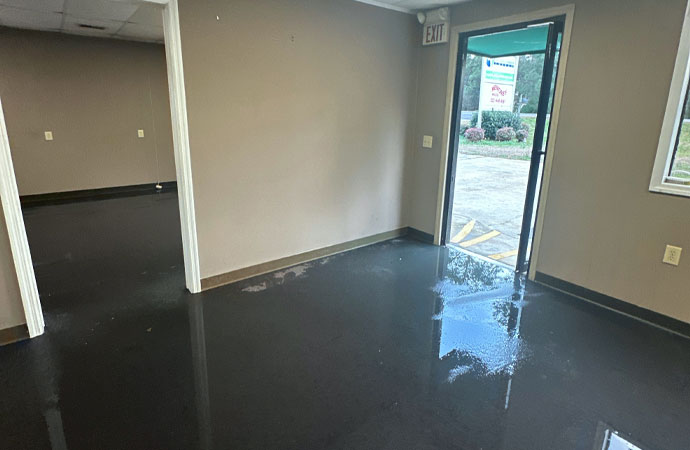
Technology now offers affordable solutions for washing machine flood prevention. Water leak detectors are small, battery-powered devices that sound an alarm and can even send alerts to your phone if they sense moisture where it shouldn’t be. Placing one behind or beneath your washer provides early warning, giving you time to act before a small leak becomes a big problem.
For more information on preparing your home for water emergencies, check out this comprehensive guide to home flood preparedness.
Routine Maintenance Tips
Preventive maintenance is key to keeping your laundry area dry and safe. Here’s what you should do regularly:
- Inspect hoses and connections for leaks or wear every few months.
- Clean the washer’s lint filter and check the drain for blockages.
- Level your washing machine to prevent vibration and hose movement.
- Turn off the water supply valves when the washer is not in use for extended periods, such as vacations.
- Check for signs of moisture or mold around the machine and address any issues promptly.
What to Do If a Leak Occurs
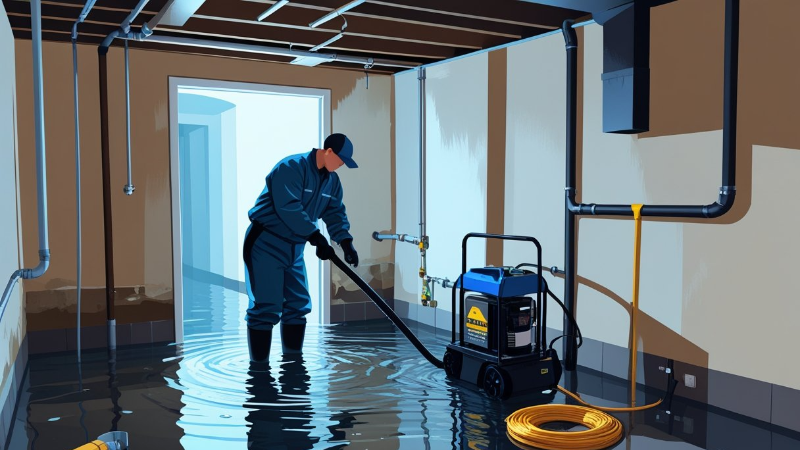
If you discover water on the floor or suspect a leak, act quickly to minimize damage:
- Turn off the washing machine and unplug it from the power source.
- Shut off the water supply valves immediately.
- Use towels or a wet/dry vacuum to remove standing water.
- Inspect hoses, connections, and the machine itself to identify the source of the leak.
- Repair or replace any damaged components before using the washer again.
- Allow the area to dry thoroughly to prevent mold growth.
Prompt action can make the difference between a minor inconvenience and a major restoration project.
Additional Tips for Protecting Your Home
Beyond the laundry room, consider these extra steps for whole-home water safety:
- Install smart leak detectors in other high-risk areas, such as under sinks and near water heaters.
- Review your homeowner’s insurance policy to ensure you’re covered for water damage.
- Educate all household members about the location of water shutoff valves and how to use them.
Taking a comprehensive approach to flood prevention can help you avoid unexpected expenses and stress.
Frequently Asked Questions
How often should I replace my washing machine hoses?
It’s best to replace supply hoses every five years, or sooner if you notice any signs of wear, bulging, or leaks. Stainless steel braided hoses last longer than rubber ones and provide better protection.
Are water leak detectors worth the investment?
Yes, water leak detectors are a cost-effective way to catch leaks early. They provide audible alerts and, in some cases, smartphone notifications, allowing you to act quickly and prevent extensive damage.
Can I use a regular pan under my washer instead of a drain pan?
It’s important to use a pan specifically designed for washing machines, as they are sized correctly and often have a drain connection. Regular pans may not be large enough or may not fit properly, reducing their effectiveness.
By following these practical steps and staying vigilant, you can greatly reduce the risk of water damage from your laundry appliances. A little prevention goes a long way in keeping your home safe and dry.