As extreme weather events become more frequent, many homeowners are searching for effective ways to manage stormwater and reduce the risk of flooding. Green infrastructure for flood control offers practical, eco-friendly solutions that can be implemented right in your yard or around your property. These methods not only help protect your home from water damage but also support local ecosystems and improve the overall appearance of your landscape.
Whether you live in an area prone to heavy rainfall or simply want to be proactive about water management, understanding how to integrate sustainable drainage and landscaping techniques is essential. Before diving into specific strategies, it’s helpful to explore related home maintenance topics, such as how to store a cast iron press long term, to keep your property in top shape year-round.
Understanding Sustainable Flood Management at Home
Traditional flood prevention often relies on hard surfaces and pipes to move water away quickly. In contrast, green infrastructure for flood control uses natural processes to slow, absorb, and filter stormwater. These approaches can be scaled for residential properties, making them accessible to homeowners who want to reduce runoff and prevent basement flooding.
Key benefits of adopting these techniques include:
- Reducing the volume and speed of stormwater runoff
- Decreasing the risk of water pooling near foundations
- Improving soil health and supporting native plants
- Enhancing curb appeal and property value
By combining several green strategies, you can create a layered defense against flooding that works with your local climate and soil conditions.
Popular Green Infrastructure Methods for Homeowners
There are several practical ways to incorporate sustainable flood control into your landscape. Here are some of the most effective and widely used techniques:
Rain Gardens: Natural Water Filters
Rain gardens are shallow, planted depressions designed to capture and absorb runoff from roofs, driveways, and other hard surfaces. Filled with deep-rooted native plants, these gardens slow the flow of water and allow it to soak into the ground, reducing the burden on storm drains and minimizing erosion.
To create a rain garden:
- Choose a low spot at least 10 feet from your home’s foundation
- Dig a shallow basin and amend the soil for drainage
- Plant a mix of native grasses, flowers, and shrubs
- Mulch and maintain the garden to keep it functioning well
Permeable Paving: Letting Water Soak In
Replacing traditional concrete or asphalt with permeable materials allows rainwater to seep through surfaces and into the soil below. Options include permeable pavers, gravel, or porous concrete. These surfaces are ideal for driveways, walkways, and patios, helping to reduce runoff and recharge groundwater.
Rain Barrels and Cisterns: Harvesting Stormwater
Collecting rainwater from your roof in barrels or cisterns is a simple way to manage runoff and provide a free source of water for gardens and lawns. Be sure to use a screened inlet to keep out debris and mosquitoes, and empty the barrels regularly to prevent overflow during heavy storms.
Managing Basement Flooding with Green Solutions
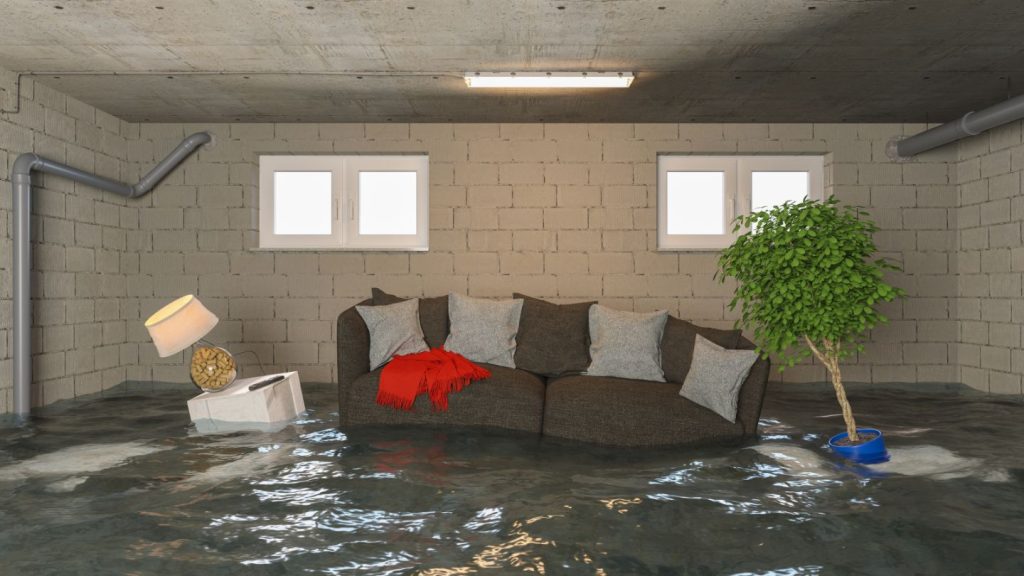
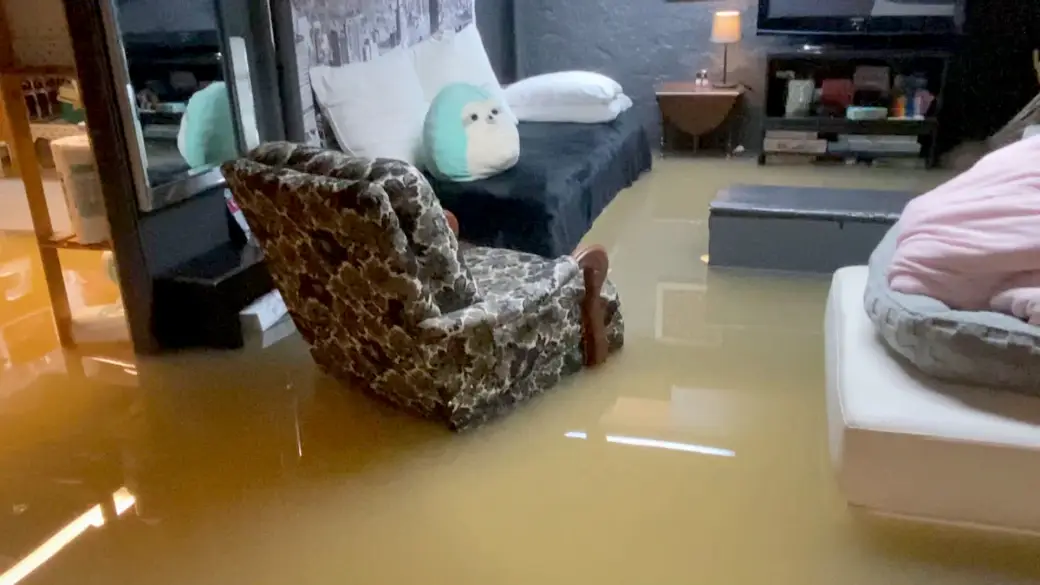
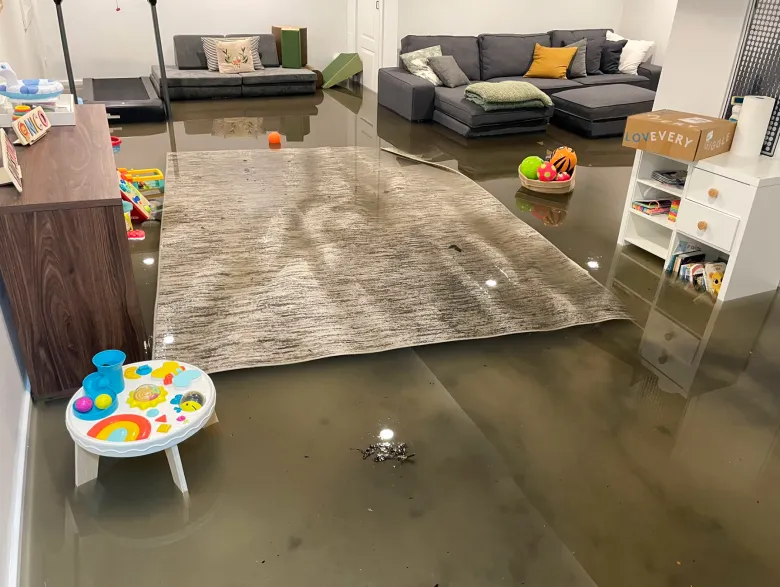
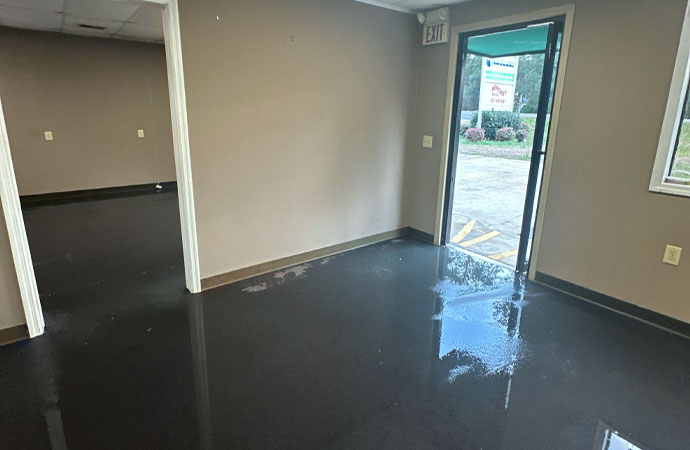
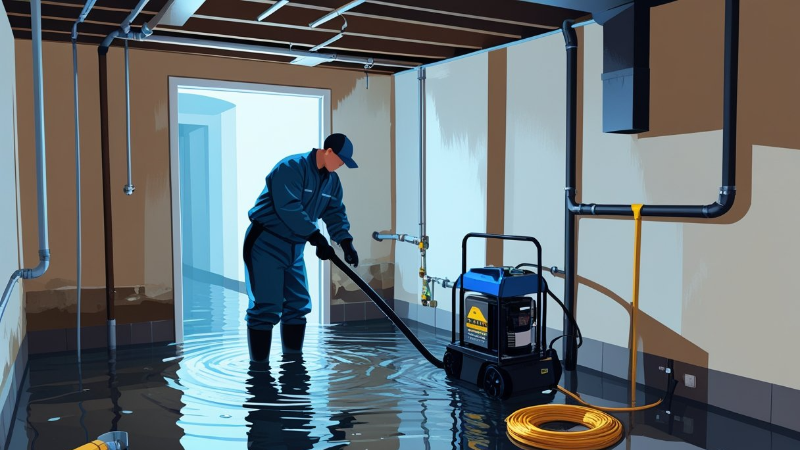
One of the most common concerns for homeowners is water seeping into basements during storms. Green infrastructure can help address this issue by intercepting and redirecting water before it reaches your foundation.
Some effective strategies include:
- Directing downspouts away from the house and into rain gardens or permeable areas
- Grading soil to slope away from the foundation
- Using swales (shallow, vegetated channels) to move water safely across your yard
- Installing French drains or dry wells to disperse excess water underground
Combining these methods with regular maintenance, such as cleaning gutters and checking for cracks in the foundation, can significantly reduce the risk of basement flooding.
Enhancing Your Yard with Eco-Friendly Drainage
Beyond preventing water damage, green infrastructure for flood control can transform your outdoor space into a more enjoyable and resilient environment. Thoughtful landscaping choices can help manage water while supporting pollinators and wildlife.
Consider these additional ideas:
- Planting trees and large shrubs to intercept rainfall and stabilize soil
- Replacing turf grass with native groundcovers that require less water and fertilizer
- Creating buffer zones with dense plantings along property lines to slow runoff
- Adding mulch to garden beds to retain moisture and prevent erosion
These enhancements not only support flood prevention but also contribute to a healthier, more attractive landscape.
Tips for Maintaining Your Green Infrastructure
To ensure your sustainable flood management features remain effective, regular upkeep is important. Here are some maintenance tips:
- Inspect rain gardens and swales for debris and remove blockages
- Check permeable paving for sediment buildup and sweep or rinse as needed
- Clean rain barrels and check for leaks or clogs
- Replenish mulch and replace damaged plants with native species
Staying proactive with maintenance helps your green infrastructure perform at its best, especially during periods of heavy rainfall.
Additional Resources and Flood Preparedness
For a comprehensive overview of how to prepare your home for flooding, including emergency planning and insurance considerations, visit this detailed guide to home flood preparedness. Combining these resources with the strategies outlined above will help you build a more resilient property.
Frequently Asked Questions
What is green infrastructure for flood control and how does it work?
Green infrastructure uses natural or engineered systems—such as rain gardens, permeable paving, and rain barrels—to manage stormwater where it falls. These methods slow, absorb, and filter runoff, reducing the risk of flooding and water damage around your home.
Can I install green flood control solutions myself, or do I need a professional?
Many sustainable drainage techniques, like rain gardens and rain barrels, can be installed by homeowners with basic DIY skills. For more complex systems, such as large-scale grading or French drains, consulting a landscape professional may be beneficial.
How do I choose the right plants for my rain garden?
Select native plants that tolerate both wet and dry conditions. Deep-rooted grasses, wildflowers, and shrubs are ideal, as they help absorb water and stabilize the soil. Local extension offices or native plant societies can provide recommendations for your region.