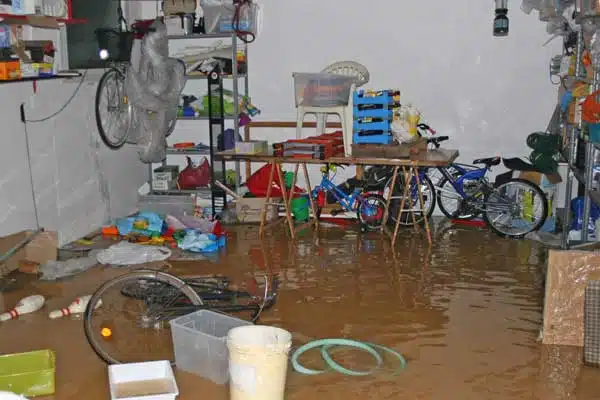
Understanding the distinction between water damage vs flood damage is crucial for homeowners, renters, and business owners alike. These terms may sound similar, but they have important differences that affect insurance coverage, restoration processes, and how you protect your property. Knowing what sets them apart can save you time, money, and stress in the event of an emergency.
Many people are surprised to learn that insurance policies often treat these two types of damage differently. This guide will break down what each term means, how they occur, and what you need to know about coverage and prevention. If you want to safeguard your home or business, being informed about these differences is the first step.
For those interested in home maintenance, you might also find value in learning how to store a cast iron press long term for rust protection, which is another aspect of protecting your property from moisture-related issues.
Defining Water Damage and Flood Damage
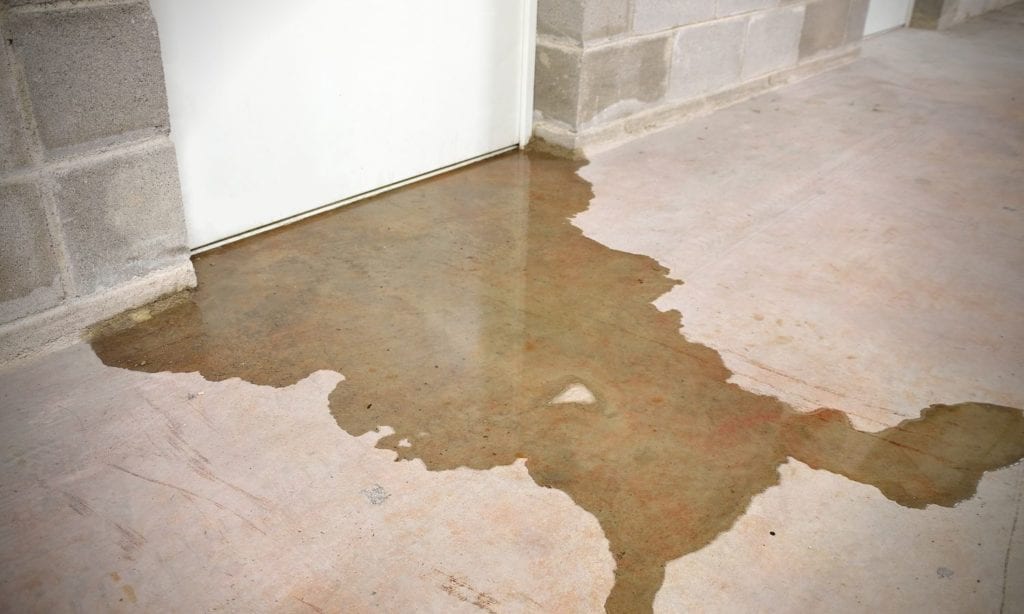
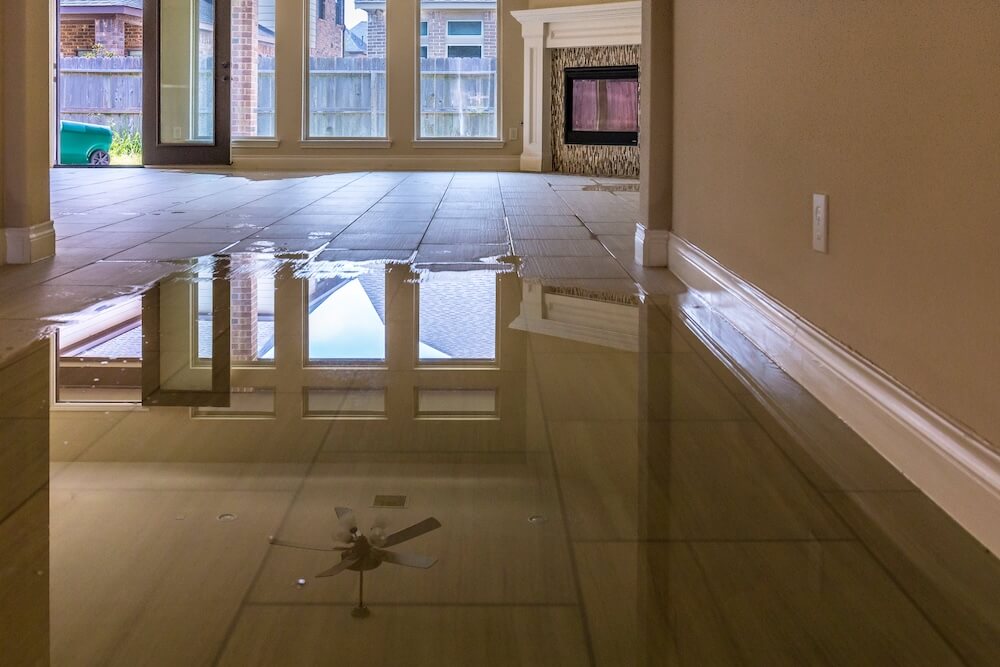
To understand the differences, it helps to define each term clearly. Water damage generally refers to destruction caused by water that originates inside your property or from above ground. This could be from a burst pipe, leaking roof, overflowing bathtub, or malfunctioning appliance. In contrast, flood damage is typically defined as water that enters your home from outside and at or above ground level, usually due to natural events like heavy rain, overflowing rivers, or storm surges.
Insurance companies and government agencies use specific definitions, so it’s important to know which applies to your situation. The source and path of the water are key factors in determining how the damage is classified.
Common Causes of Water and Flood Damage
While both types of destruction involve water, their causes differ significantly. Here’s a breakdown of typical scenarios:
- Water damage often results from:
- Broken or leaking pipes
- Faulty appliances (washing machines, dishwashers, water heaters)
- Roof leaks from rain or snow
- Overflowing sinks, bathtubs, or toilets
- HVAC system leaks
- Flood damage is usually caused by:
- Heavy rainfall leading to surface water entering the property
- Overflowing rivers, lakes, or streams
- Storm surges from hurricanes or tropical storms
- Rapid snowmelt
- Blocked or overwhelmed drainage systems
Insurance Coverage: What’s Protected?
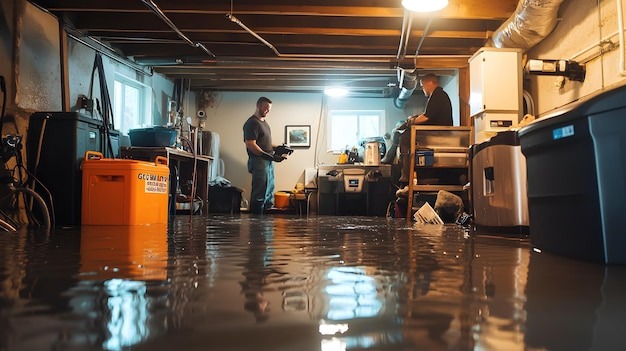
One of the most important distinctions between water damage vs flood damage is how insurance policies treat them. Most standard homeowner’s insurance policies cover sudden and accidental water damage, such as a burst pipe or an appliance failure. However, they almost never cover destruction caused by flooding from external sources.
Flood protection typically requires a separate policy, often provided through the National Flood Insurance Program (NFIP) or private insurers. If you live in a flood-prone area, it’s essential to understand your risk and ensure you have the right coverage in place.
Here’s a quick comparison:
| Type | Typical Insurance Coverage |
|---|---|
| Water Damage | Usually covered by standard homeowner’s insurance (if sudden and accidental) |
| Flood Damage | Requires separate flood insurance policy |
Always review your policy details and speak with your insurance agent to clarify what is and isn’t covered. Waiting until after an incident occurs can leave you with unexpected expenses.
Signs and Effects of Each Type
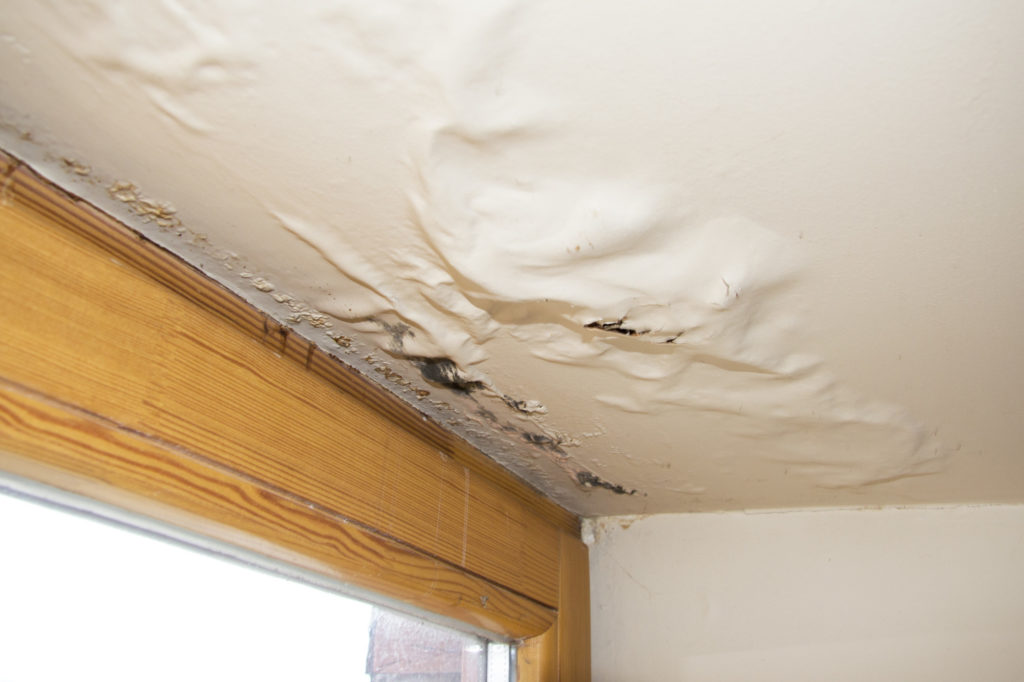
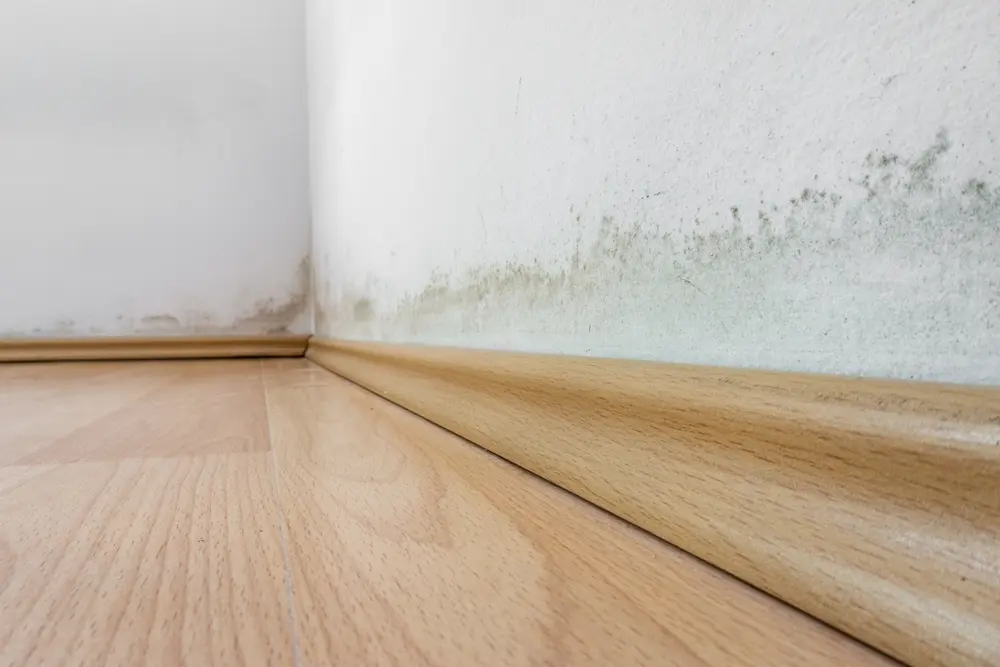
While both types can cause significant harm, the signs and aftermath may differ. Water damage from internal sources often appears as stains on ceilings or walls, warped flooring, or mold growth in localized areas. Flooding, on the other hand, may leave a clear water line on walls, widespread mud and debris, and impact large portions of a building’s structure and contents.
Both require prompt action to minimize long-term issues like mold, rot, and structural weakening. Restoration professionals use different approaches depending on the source and extent of the damage.
Prevention Tips for Homeowners
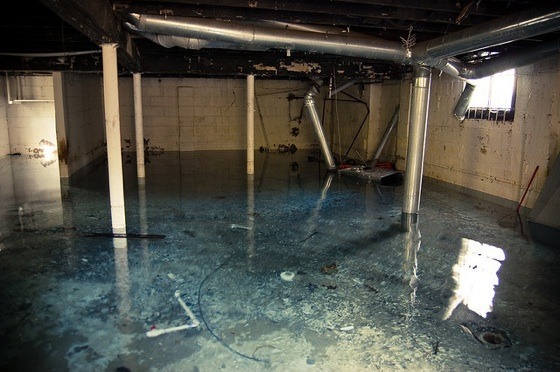
Reducing your risk of both water and flood-related destruction involves a combination of maintenance, monitoring, and preparedness. Here are some practical steps:
- Regularly inspect and maintain plumbing, appliances, and your roof.
- Install water leak detectors in vulnerable areas such as basements, laundry rooms, and under sinks.
- Keep gutters and downspouts clear to direct rainwater away from your home’s foundation.
- Seal cracks in your foundation and basement walls.
- If you live in a flood-prone area, consider barriers or sump pumps and review how to flood-proof your home for additional strategies.
Being proactive can help you avoid costly repairs and insurance headaches down the line.
Restoration and Cleanup: What to Expect
The process for restoring a property after water or flood events can vary. For internal water issues, professionals typically focus on stopping the source, removing standing water, drying affected areas, and repairing or replacing damaged materials. Flood recovery, however, often involves more extensive cleaning, disinfection, and sometimes structural repairs due to the volume and contamination of water involved.
It’s important to act quickly in both cases to prevent mold growth and further deterioration. Keep detailed records and photos for insurance claims, and consult with certified restoration experts to ensure your property is safe and fully restored.
Frequently Asked Questions
How can I tell if my insurance covers water or flood damage?
Review your homeowner’s insurance policy for details on what types of water-related incidents are covered. Most standard policies include sudden and accidental water events but exclude flooding from external sources. For flood protection, you’ll need a separate policy. Contact your insurance agent for clarification.
What should I do immediately after discovering water or flood damage?
First, ensure your safety by turning off electricity if needed and avoiding contaminated water. Then, document the damage with photos and contact your insurance provider. Begin drying out the area and remove valuables if it’s safe. For large-scale events, call a professional restoration company as soon as possible.
Are there ways to prevent water and flood damage?
Yes, regular maintenance of plumbing and roofing, installation of leak detectors, and keeping gutters clear can help prevent water issues. For flood risks, consider sump pumps, barriers, and landscaping adjustments. Stay informed about local weather and flood risks, and have an emergency plan in place.
Understanding the differences between these two types of property damage helps you make better decisions about insurance, prevention, and response. By staying informed and prepared, you can better protect your home or business from costly and disruptive water-related events.